
Kruisdraging — History & Facts
This reflection echoes through the canvas, reminding us that each moment captured in paint resonates with the essence of mortality. Look to the center where the solemn procession unfolds, a poignant depiction of a crucifixion scene. The figures, draped in rich, jewel-toned garments, bear the weight of the cross as they move in a delicate balance, their postures communicating both burden and reverence. Notice how the light softly illuminates their faces, revealing the profound sorrow etched in their expressions, while the shadows linger in the folds of their clothing, suggesting the heaviness of their task. The contrasts in this work are striking and reveal deeper meanings.
The vibrant colors of the figures serve as a stark juxtaposition to the grim subject matter, reflecting the tension between life and death. The serene facial expressions of some participants juxtaposed with the anguish of others encapsulate the complexity of grief, making the viewer confront their own emotions surrounding loss. Each detail—whether it be the gentle grasp of a hand or the downcast gaze—invites contemplation on the nature of sacrifice and the fragility of existence. Jacob Cornelisz van Oostsanen painted this work during a period of significant religious upheaval in the early 16th century, likely around the time of the Reformation.
Working in Amsterdam, he was influenced by the emerging humanist ideals and the increasing focus on personal piety and moral introspection. This backdrop of change and introspection imbues the piece with layers of meaning, as the artist grappled with themes of spirituality and mortality while forging his path in the world of art.
More Artworks by Jacob Cornelisz van Oostsanen
Browse all →
De hemelvaart en Christus voor God de Vader
Jacob Cornelisz van Oostsanen
Het hostiewonder van Amsterdam
Jacob Cornelisz van Oostsanen
The Adoration of the Christ Child
Jacob Cornelisz van Oostsanen
Vlucht naar Egypte
Jacob Cornelisz van Oostsanen
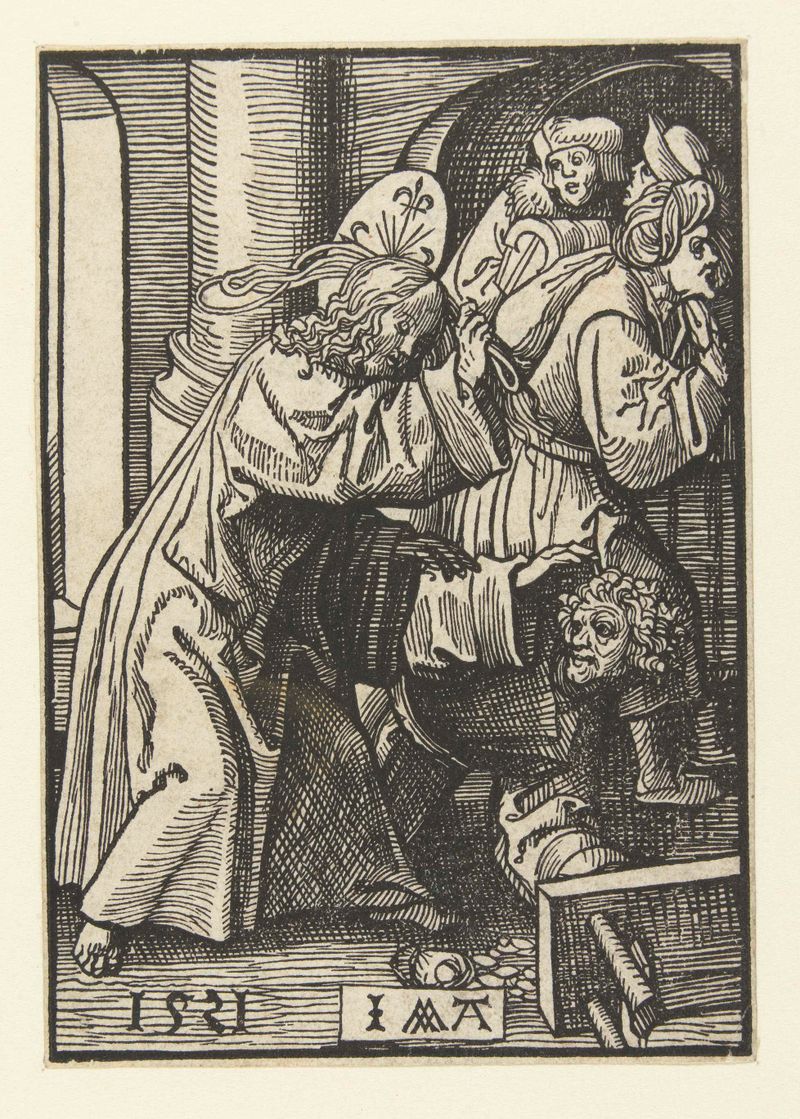
Verdrijving van de handelaren uit de tempel
Jacob Cornelisz van Oostsanen
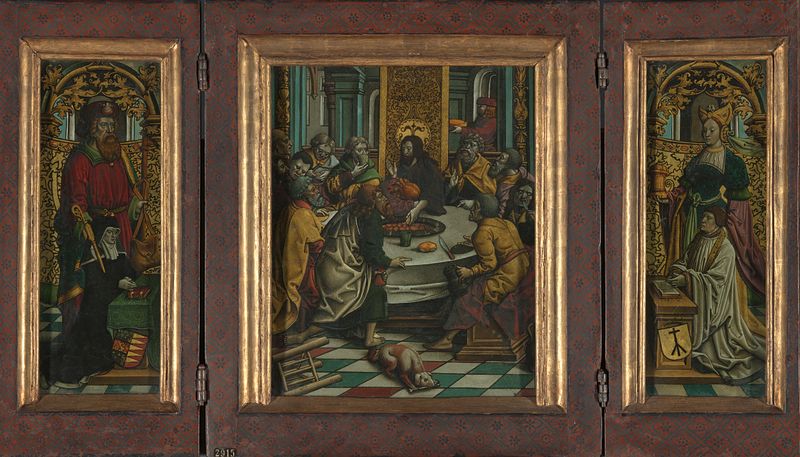
Triptych with the Last Supper and Donors
Jacob Cornelisz van Oostsanen
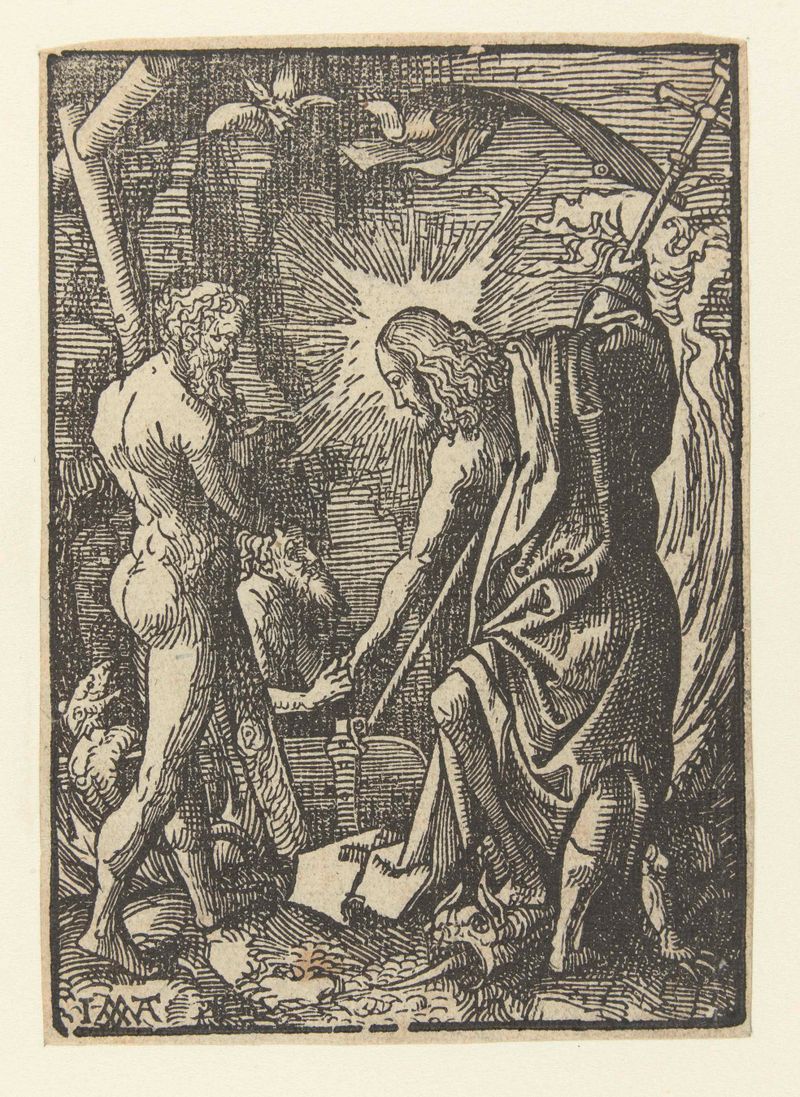
Christus in het voorgeborchte
Jacob Cornelisz van Oostsanen
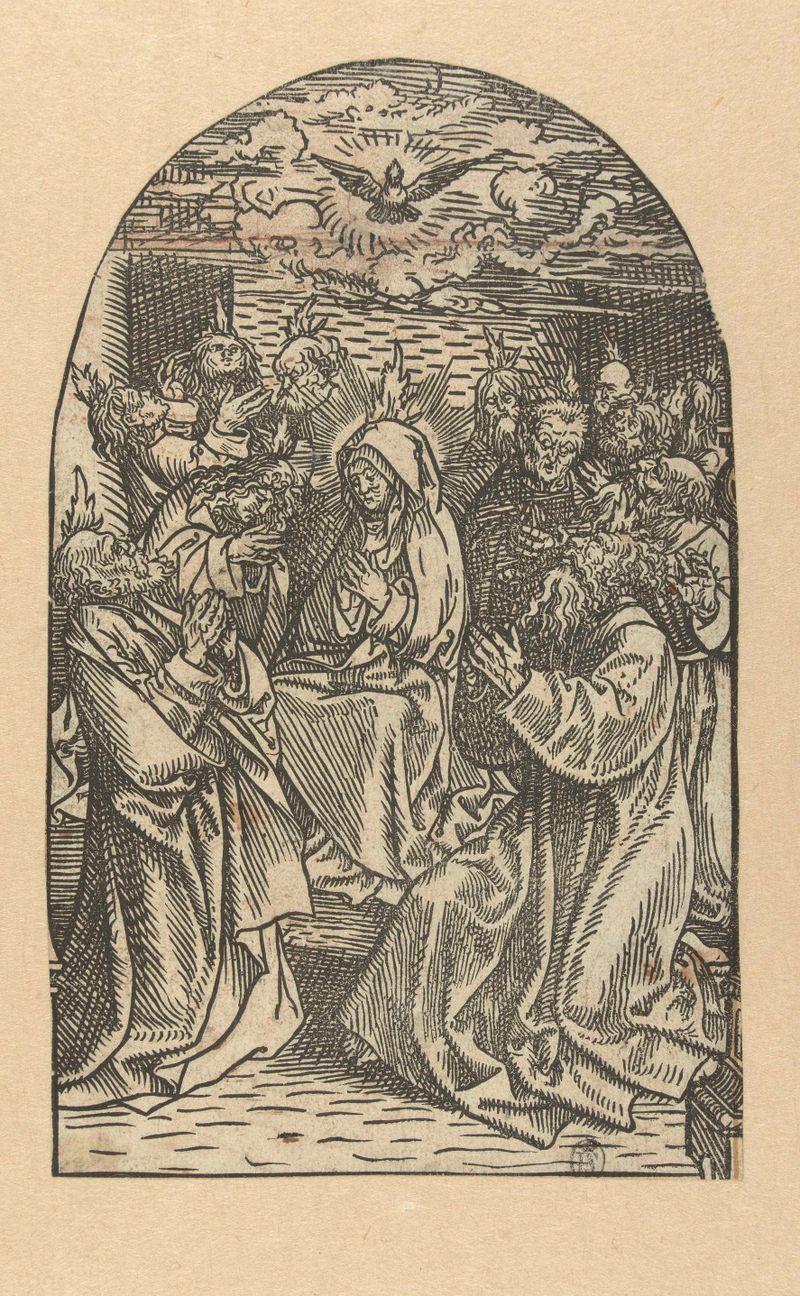
Uitstorting van de Heilige Geest
Jacob Cornelisz van Oostsanen
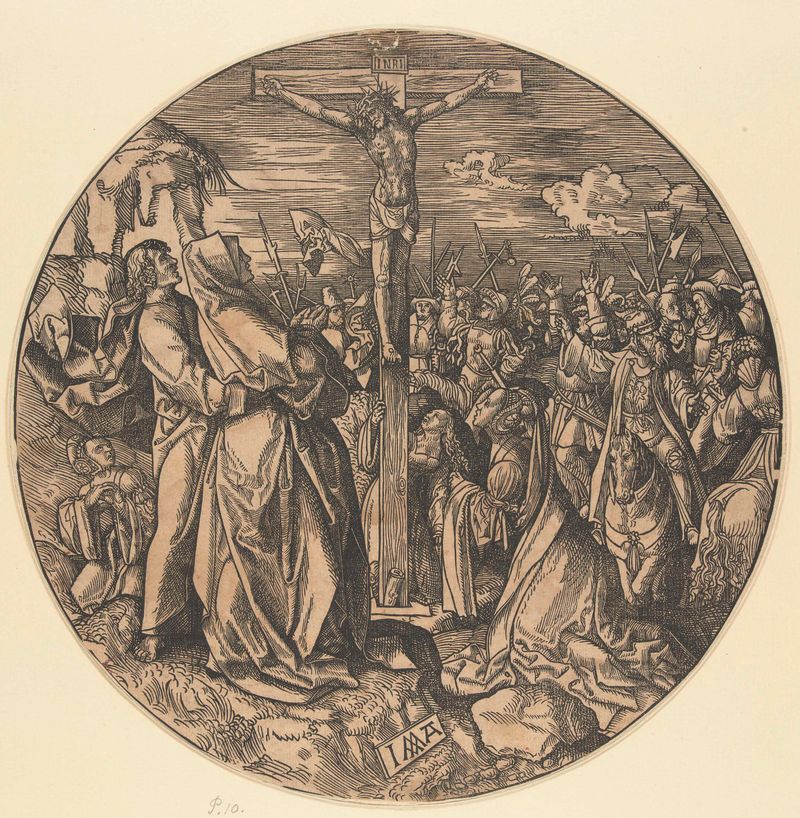
Christus aan het kruis
Jacob Cornelisz van Oostsanen

De kruisiging en de graflegging van Christus
Jacob Cornelisz van Oostsanen
More Religious Art
Browse all →
The Return of the Prodigal Son
Rembrandt van Rijn

The Garden of Earthly Delights
El Bosco

Count Orgaz’ funeral
El Greco

The Hundred Guilder Print: the central piece with Christ preaching, the plate arched
Rembrandt van Rijn

The Descent from the Cross
Rogier van der Weyden

The return of the prodigal son
Rembrandt van Rijn