
Kruisdraging — History & Facts
In Kruisdraging, the reflection of sorrow and sacrifice emerges with haunting clarity, inviting us to dwell on the depths of human emotion as we confront the weight of loss. Look to the foreground, where the mournful figure of Christ is cradled by those who bear Him in a somber procession. The rich, deep hues of burgundy and indigo contrast sharply against the soft golden halo encircling His head, illuminating not just His divinity but also the agony etched upon His features. Notice how the painter's delicate brushwork creates a sense of movement among the figures, their postures steeped in grief, while the background fades into a darkened landscape, emphasizing the gravity of the moment. The juxtaposition of light and shadow unveils a profound emotional landscape.
The golden light that envelops Christ serves as a symbol of hope amidst despair, suggesting the promise of resurrection. Meanwhile, the anguished expressions of the followers reflect the internal struggle between faith and sorrow, capturing the tension of their devotion. The viewer is left to ponder the complexities of love, loss, and redemption that permeate this scene. Jacob Cornelisz van Oostsanen painted Kruisdraging in 1517, a time when the Northern Renaissance was flourishing.
In Amsterdam's vibrant art scene, he was influenced by emerging humanist ideas and the interplay of emotion in religious narratives. This period was marked by a shift towards more personal expressions of spirituality, which is poignantly illustrated in this work, showcasing the artist's mastery in portraying complex human experiences.
More Artworks by Jacob Cornelisz van Oostsanen
Browse all →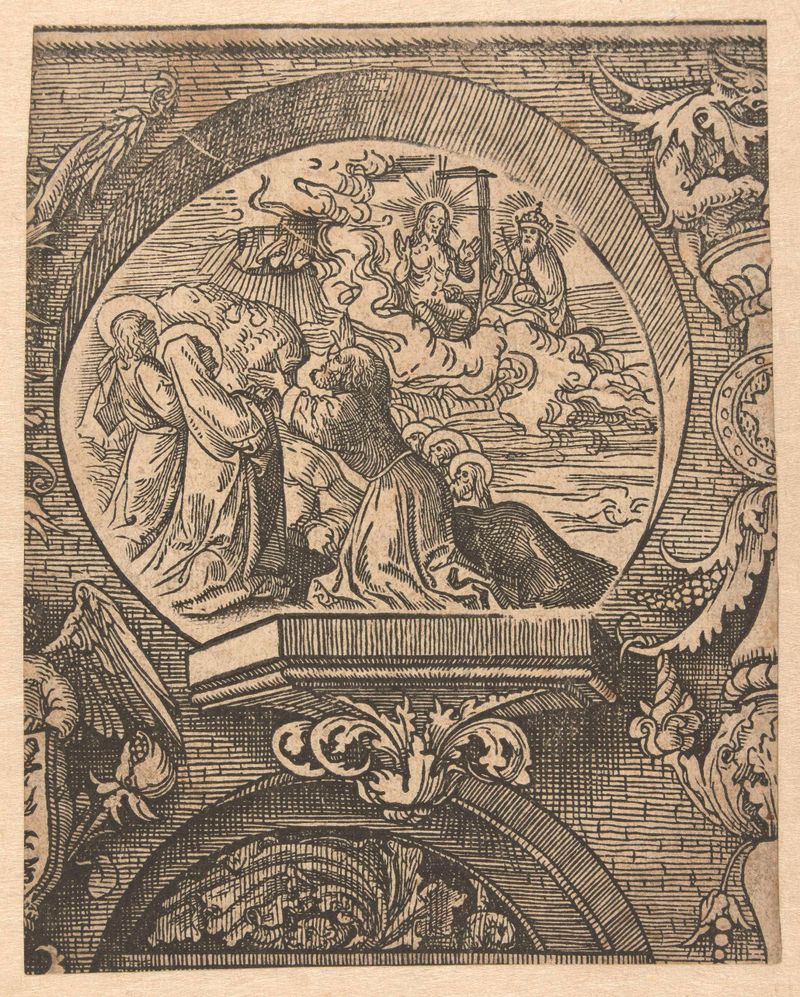
De hemelvaart en Christus voor God de Vader
Jacob Cornelisz van Oostsanen
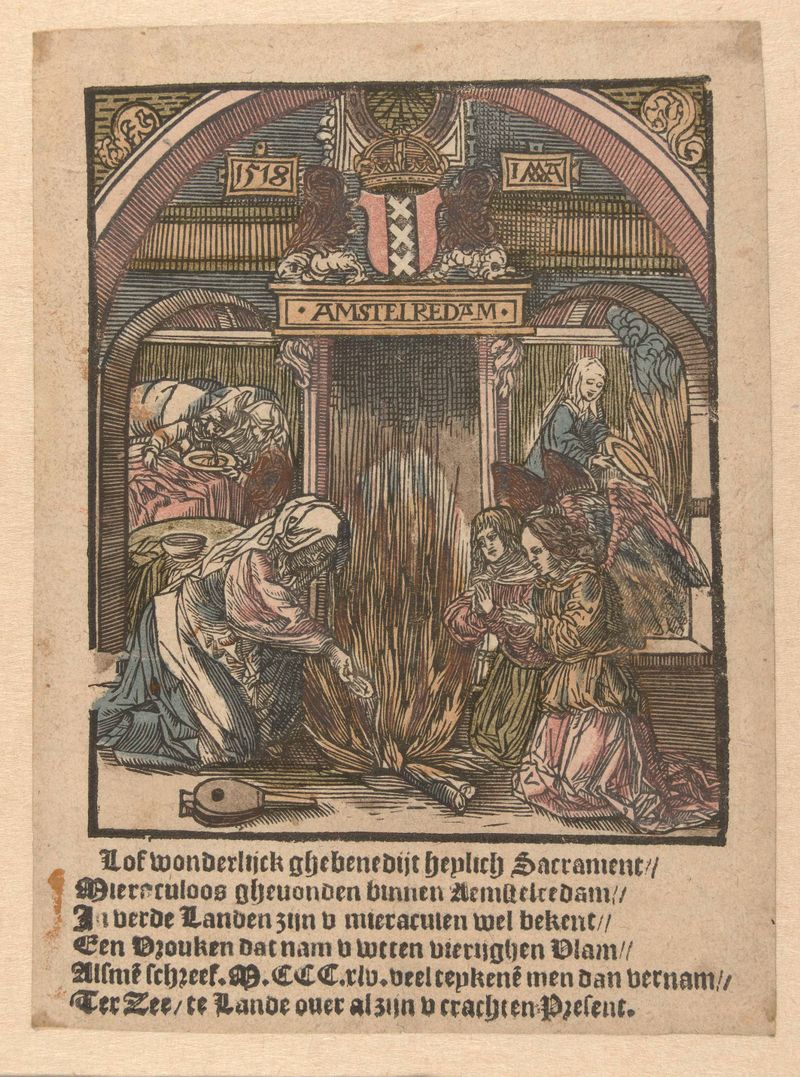
Het hostiewonder van Amsterdam
Jacob Cornelisz van Oostsanen
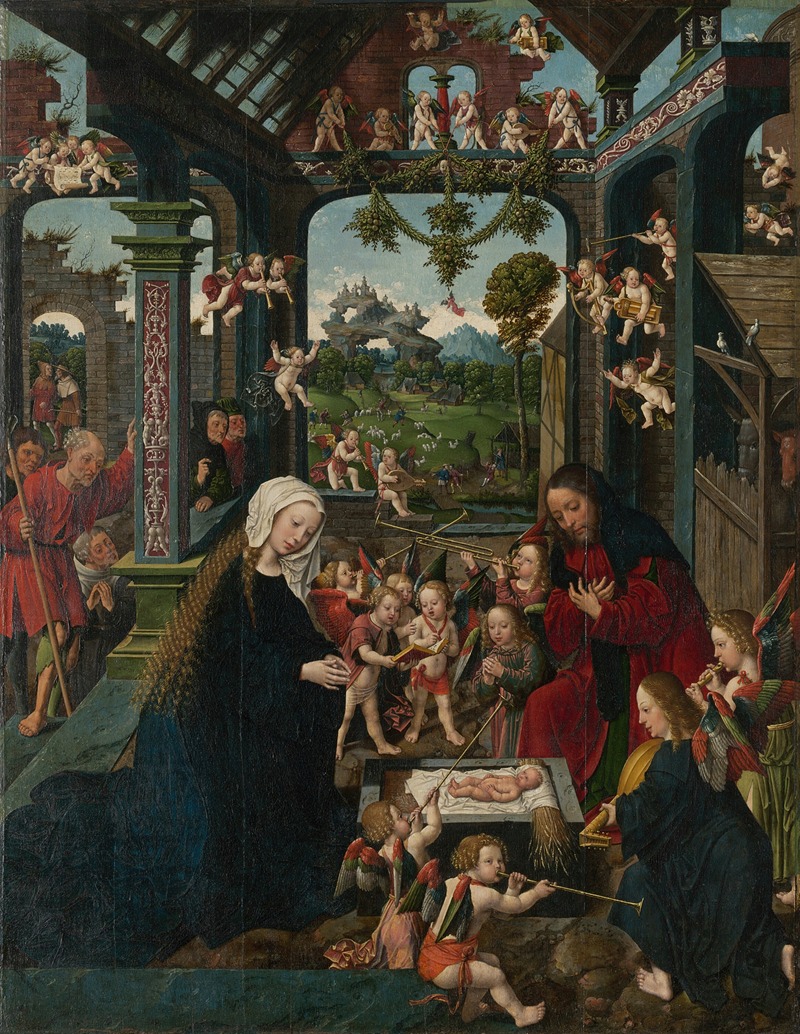
The Adoration of the Christ Child
Jacob Cornelisz van Oostsanen
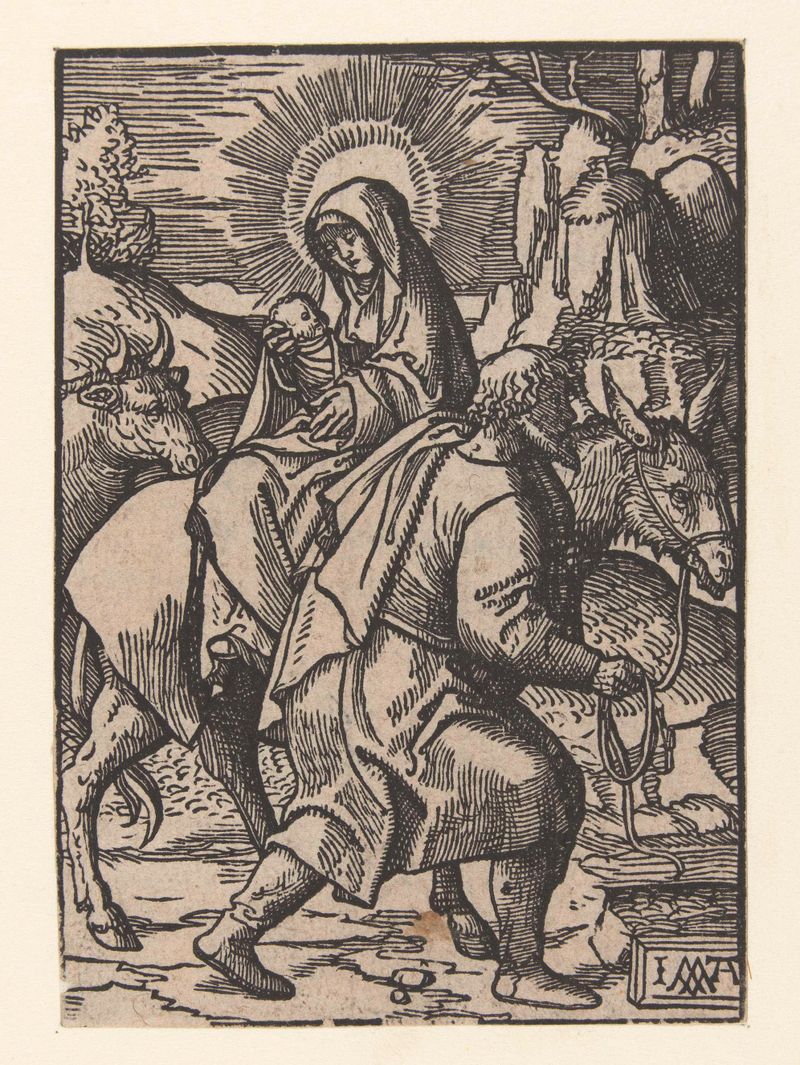
Vlucht naar Egypte
Jacob Cornelisz van Oostsanen
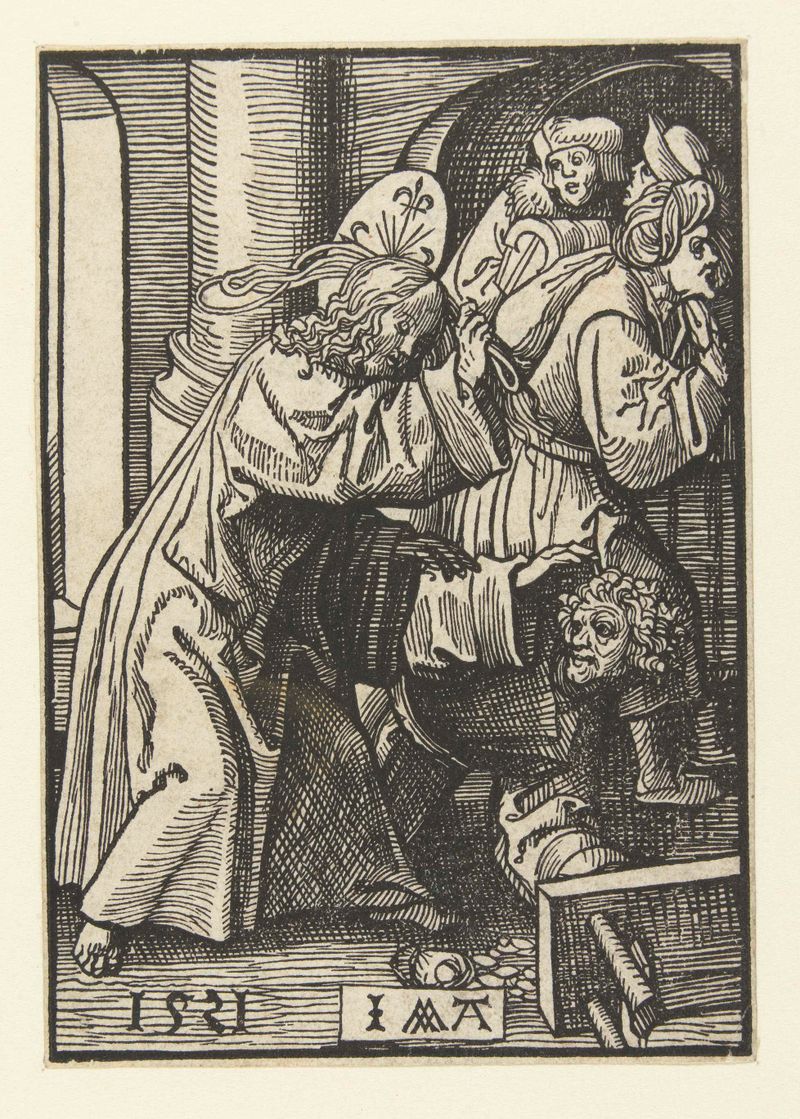
Verdrijving van de handelaren uit de tempel
Jacob Cornelisz van Oostsanen
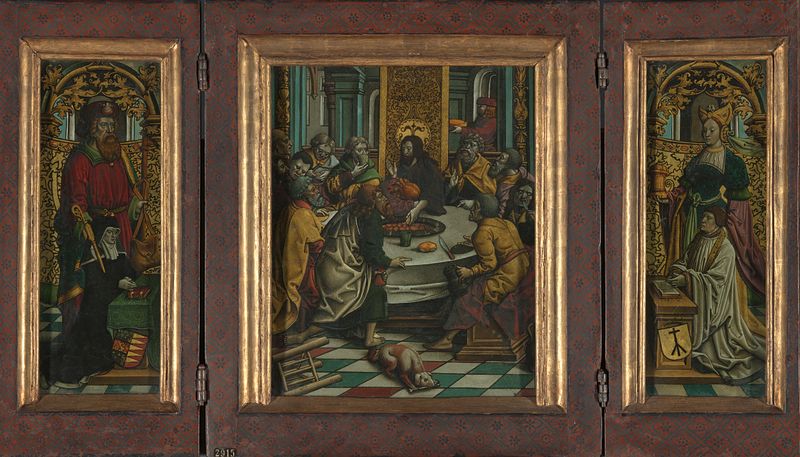
Triptych with the Last Supper and Donors
Jacob Cornelisz van Oostsanen
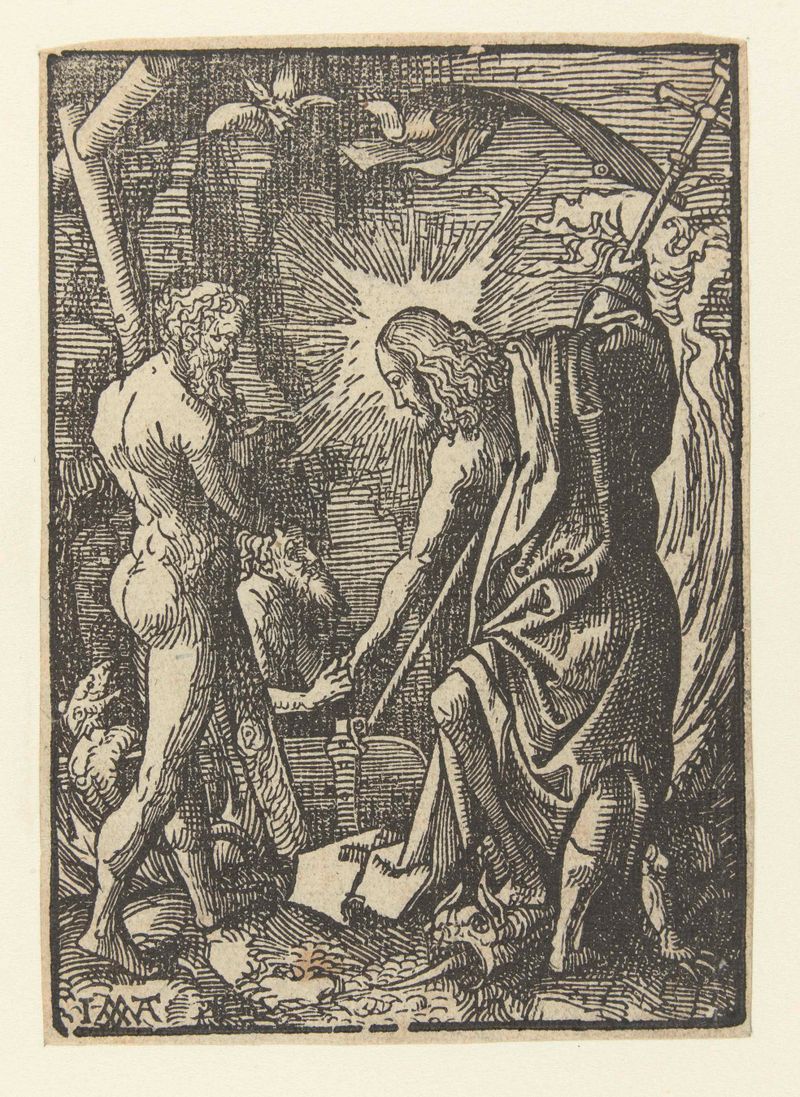
Christus in het voorgeborchte
Jacob Cornelisz van Oostsanen
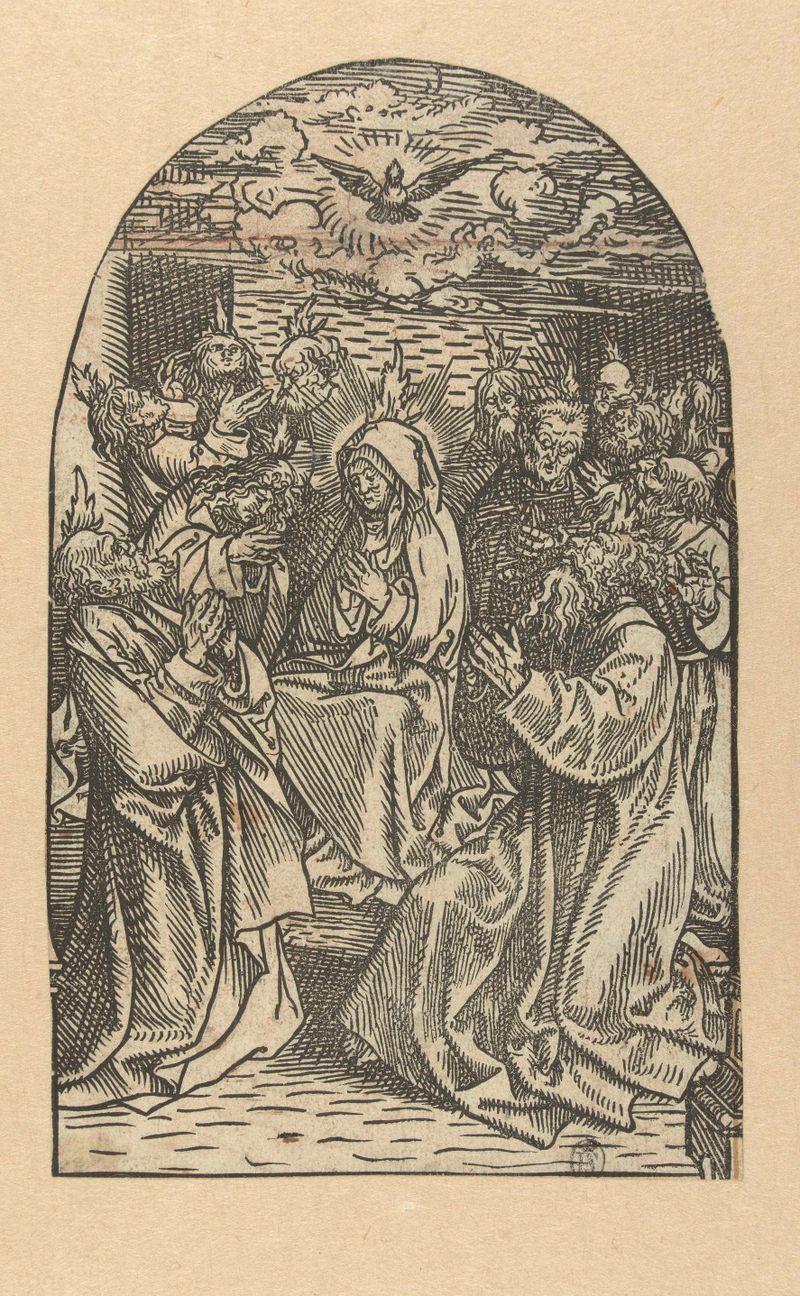
Uitstorting van de Heilige Geest
Jacob Cornelisz van Oostsanen
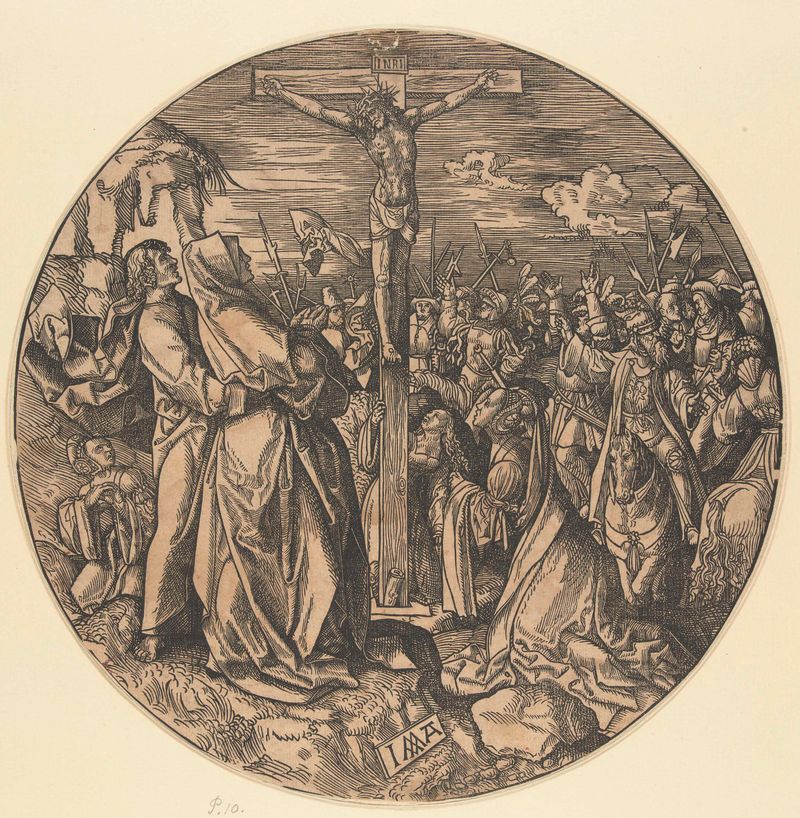
Christus aan het kruis
Jacob Cornelisz van Oostsanen

De kruisiging en de graflegging van Christus
Jacob Cornelisz van Oostsanen
More Religious Art
Browse all →
The Return of the Prodigal Son
Rembrandt van Rijn

The Garden of Earthly Delights
El Bosco

Count Orgaz’ funeral
El Greco

The Hundred Guilder Print: the central piece with Christ preaching, the plate arched
Rembrandt van Rijn

The Descent from the Cross
Rogier van der Weyden

The return of the prodigal son
Rembrandt van Rijn