
Kruisdraging met ornamentele omlijsting — History & Facts
Could a single brushstroke hold eternity? In the delicate layers of Kruisdraging met ornamentele omlijsting, each stroke resonates with a profound revelation, inviting the viewer to contemplate sacrifice, devotion, and the passage of time. Look to the center where the figures carry the cross, their expressions steeped in solemnity and grief. The vibrant reds and deep blues interplay with golden accents that frame the scene, guiding your gaze around the intricately designed borders. Notice how the ornate detailing of the frame mirrors the emotional weight of the subject, as if the very architecture of the piece cradles this moment of spiritual import. As the figures labor under the burden of the cross, the surrounding ornamentation symbolizes the intersection of the earthly and the divine.
The contrasting expressions – pain, determination, and serenity – reveal the complex tension between suffering and hope, as well as the communal aspect of grief. Each character's gaze invites the viewer deeper into their shared experience, inviting reflection on the nature of sacrifice and collective resolve. In 1513, Jacob Cornelisz van Oostsanen created this work during a period of significant change in Dutch art, transitioning from Gothic to Renaissance influences. Positioned in Amsterdam, he was influenced by humanism and the budding interest in individual narratives within religious contexts.
During this time, he sought to infuse traditional themes with a new emotive depth, paving the way for narratives that resonate through the ages.
More Artworks by Jacob Cornelisz van Oostsanen
Browse all →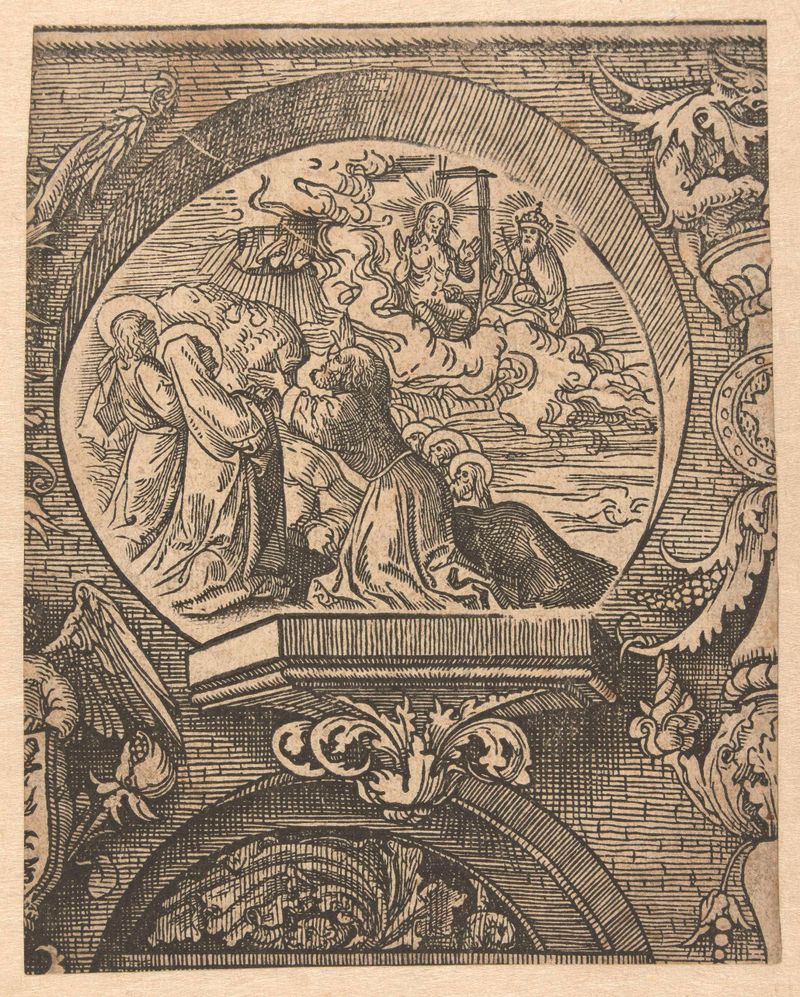
De hemelvaart en Christus voor God de Vader
Jacob Cornelisz van Oostsanen
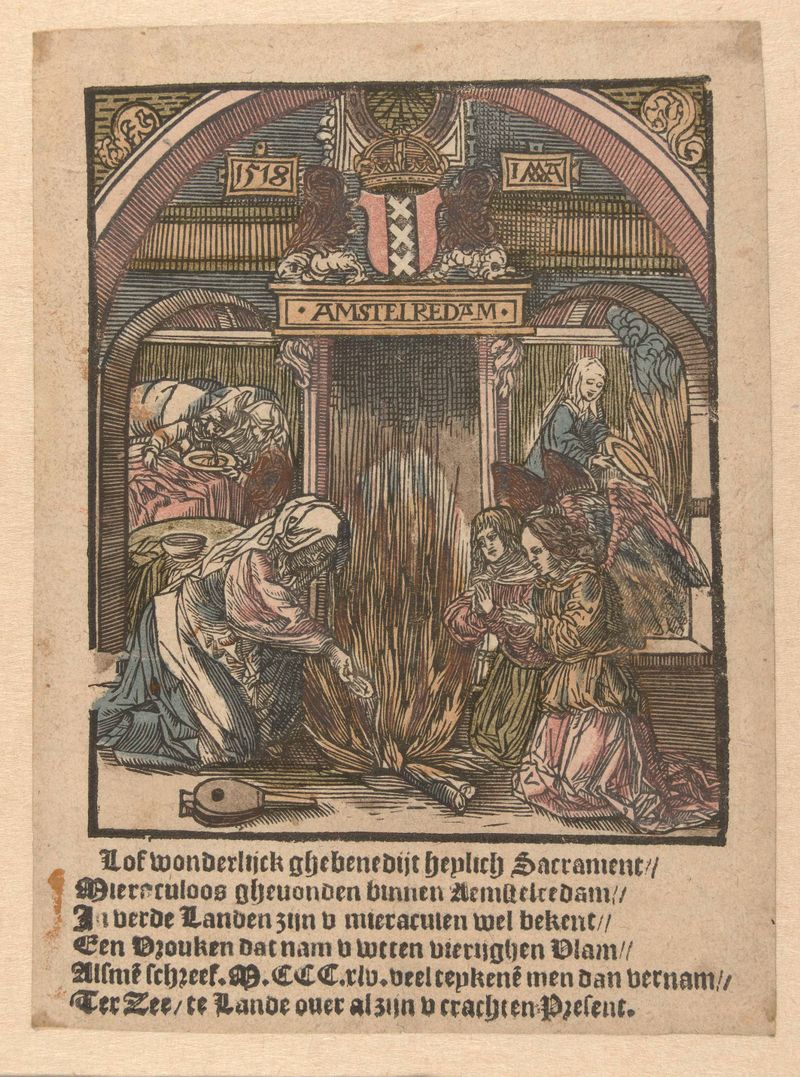
Het hostiewonder van Amsterdam
Jacob Cornelisz van Oostsanen
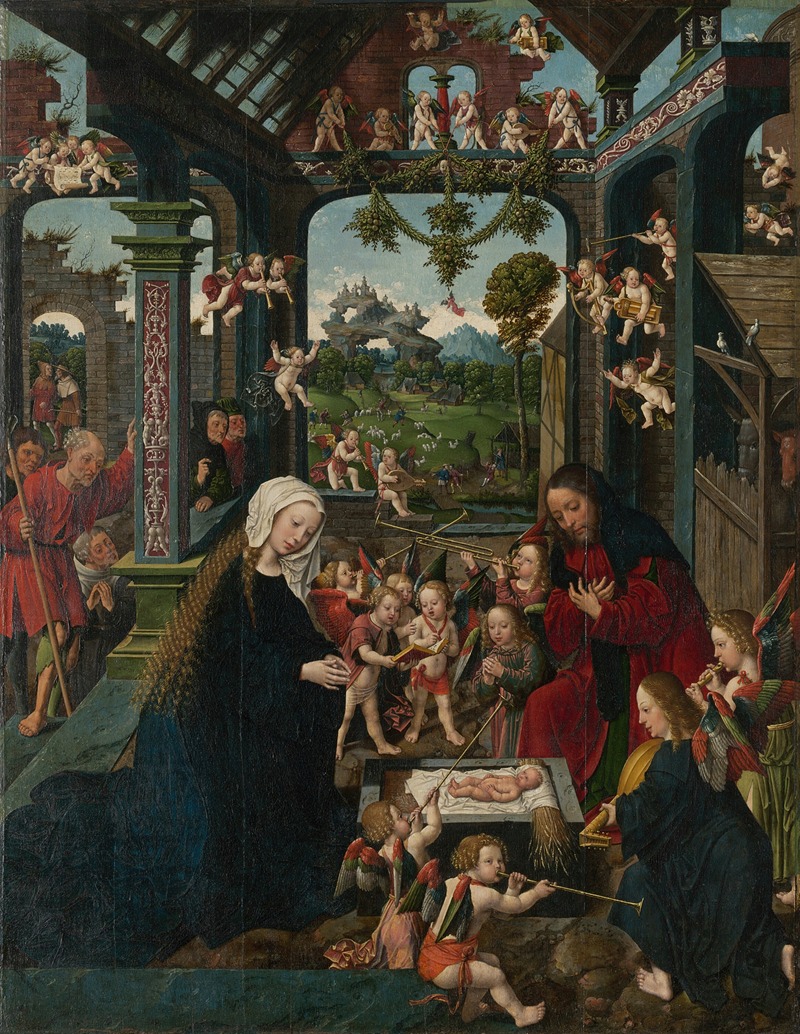
The Adoration of the Christ Child
Jacob Cornelisz van Oostsanen
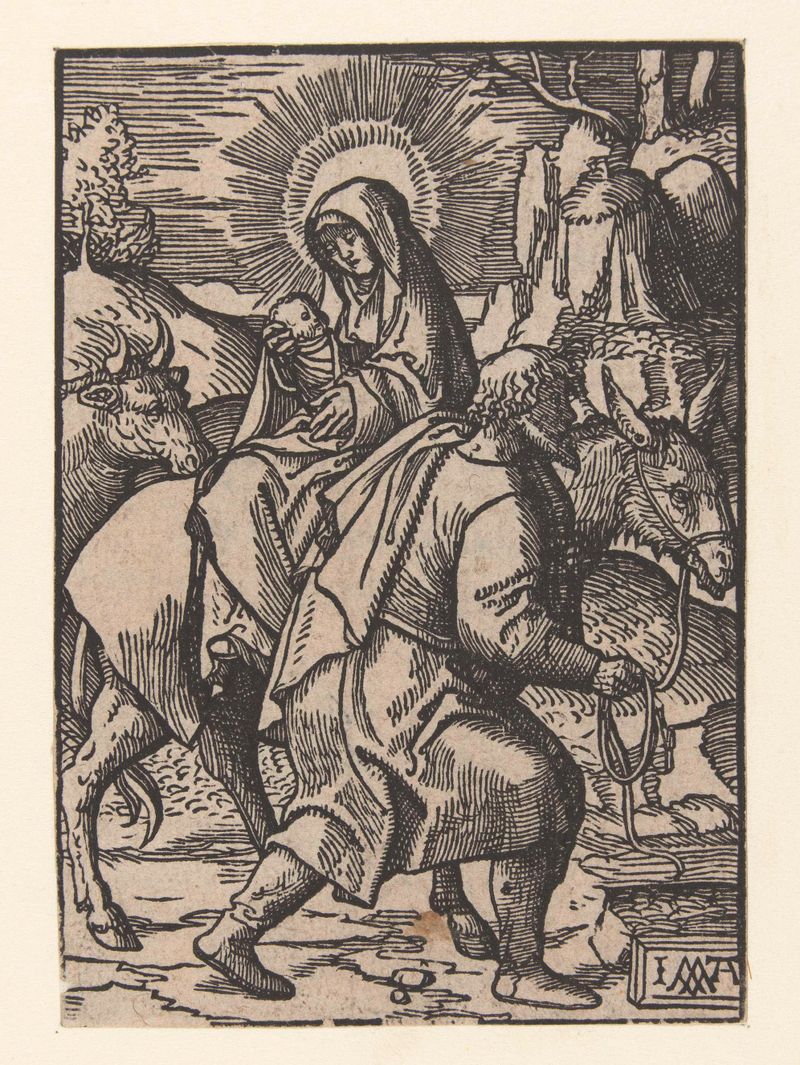
Vlucht naar Egypte
Jacob Cornelisz van Oostsanen
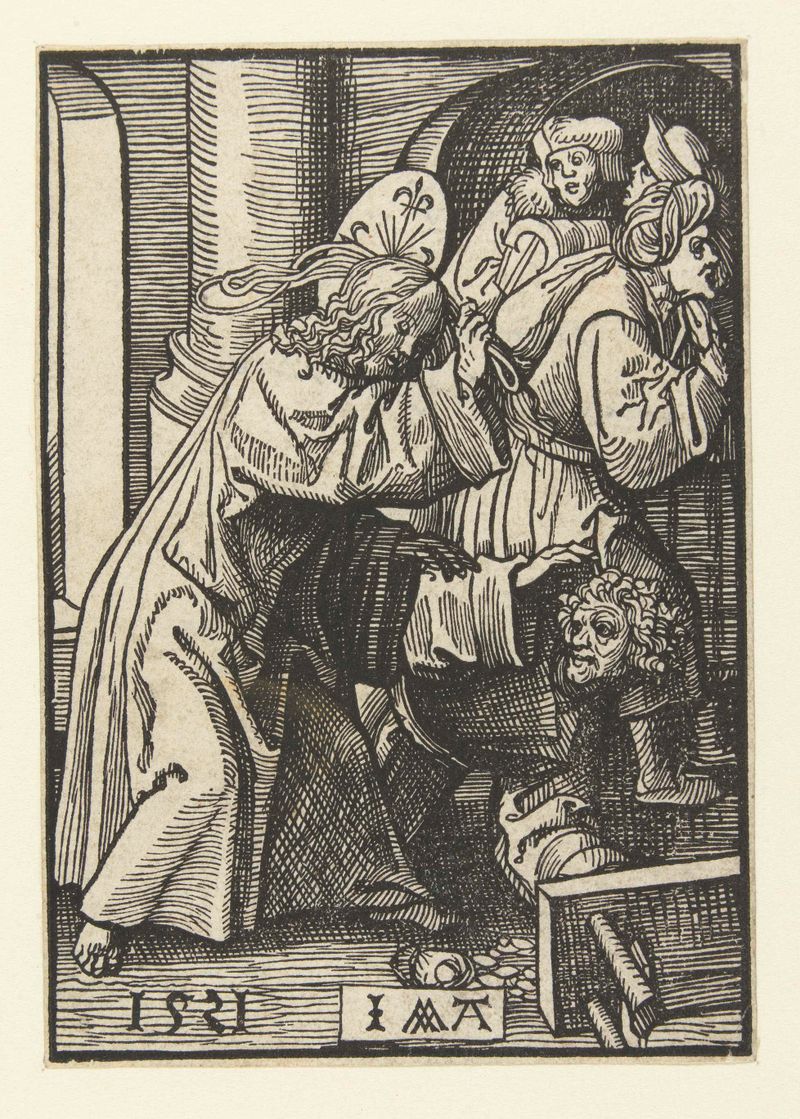
Verdrijving van de handelaren uit de tempel
Jacob Cornelisz van Oostsanen
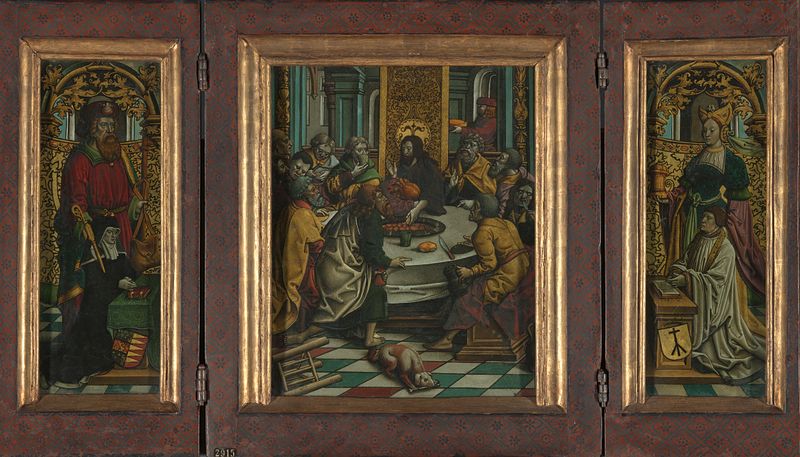
Triptych with the Last Supper and Donors
Jacob Cornelisz van Oostsanen
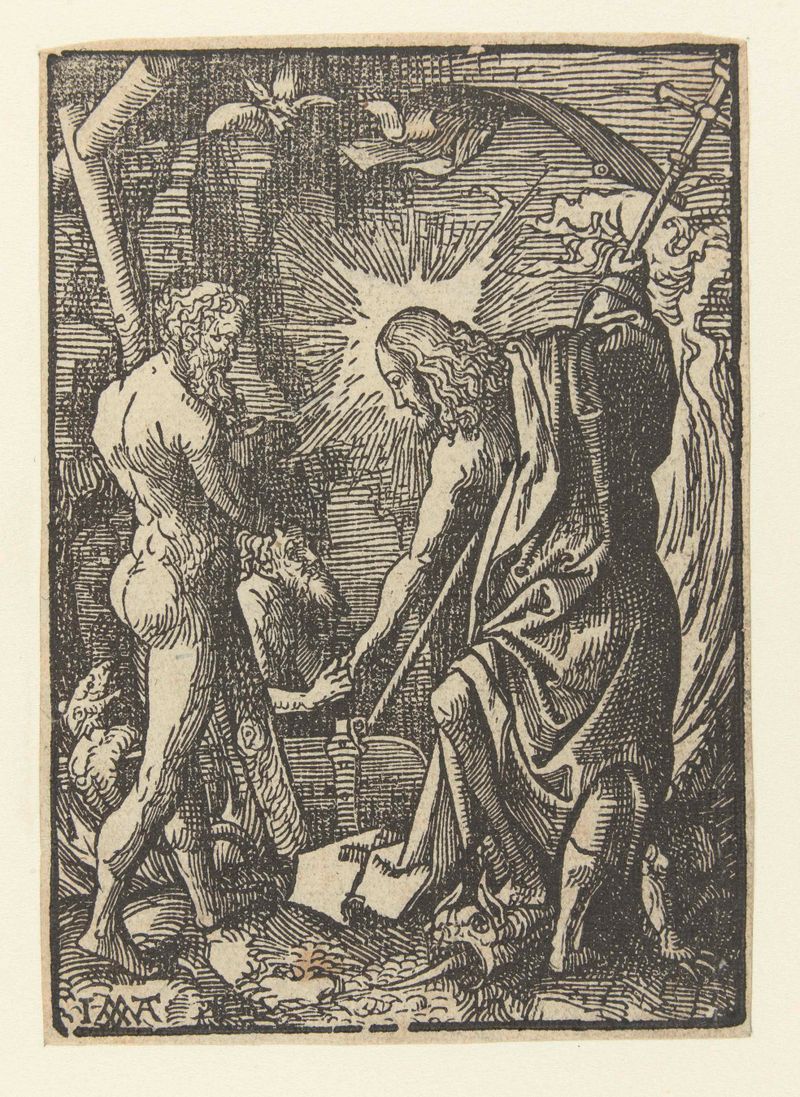
Christus in het voorgeborchte
Jacob Cornelisz van Oostsanen
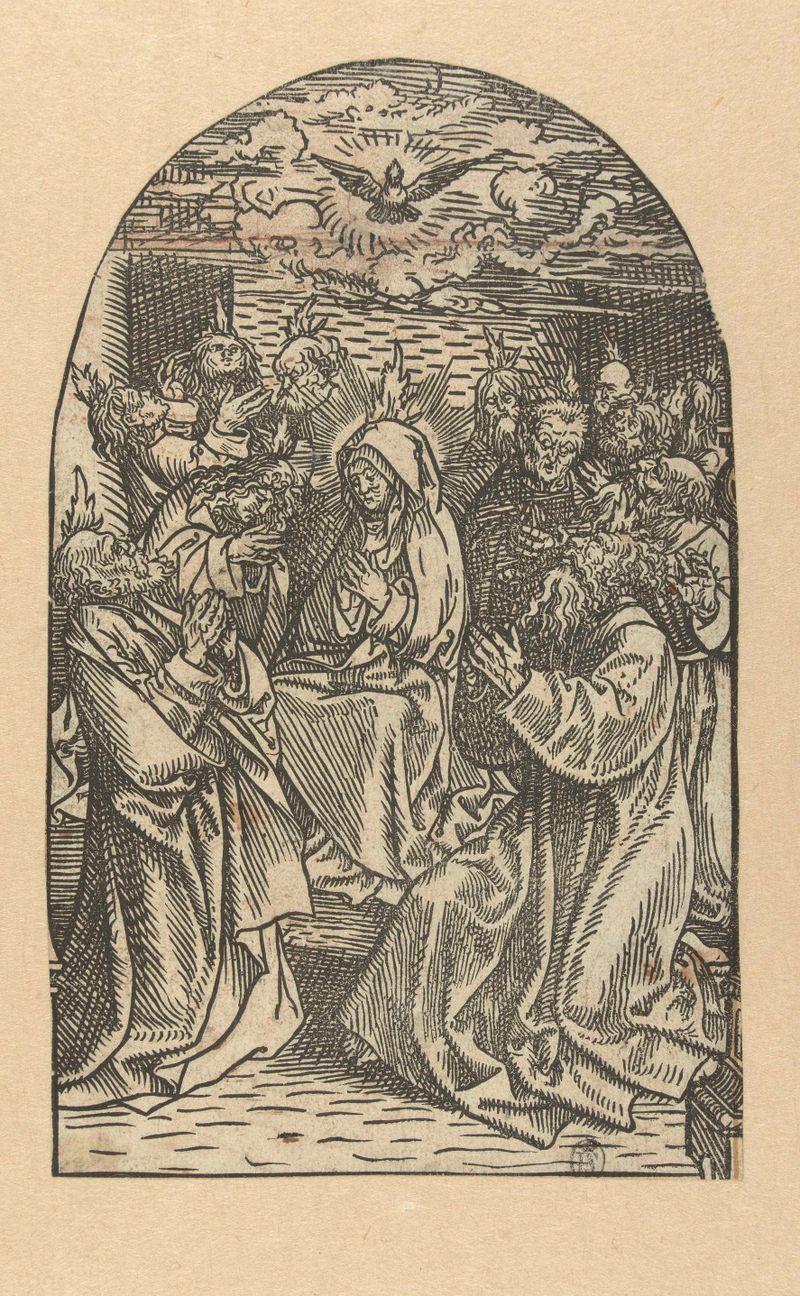
Uitstorting van de Heilige Geest
Jacob Cornelisz van Oostsanen
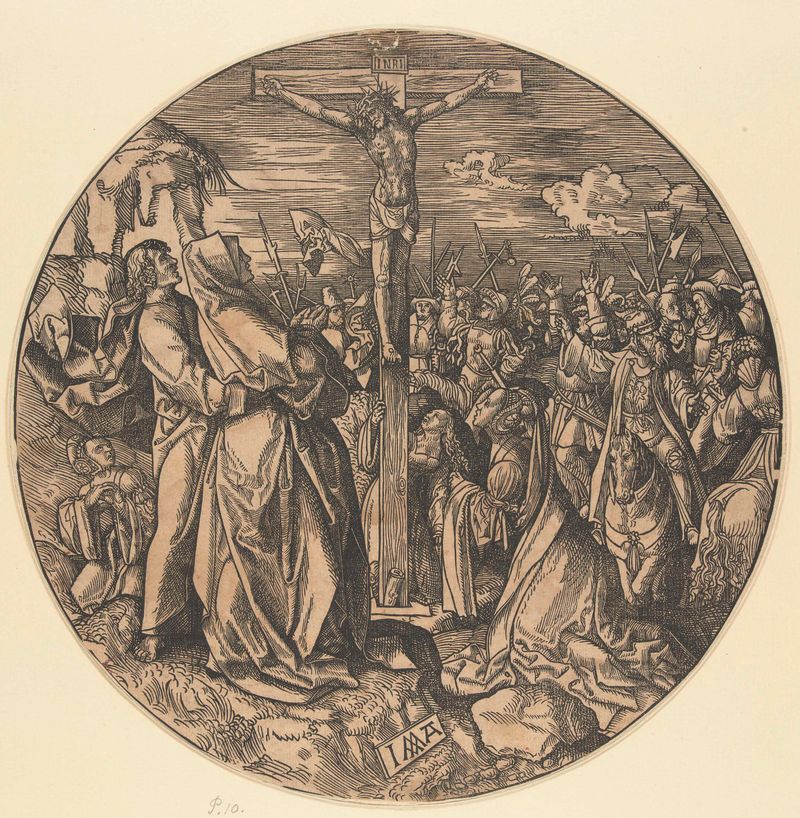
Christus aan het kruis
Jacob Cornelisz van Oostsanen

De kruisiging en de graflegging van Christus
Jacob Cornelisz van Oostsanen
More Religious Art
Browse all →
The Return of the Prodigal Son
Rembrandt van Rijn

The Garden of Earthly Delights
El Bosco

Count Orgaz’ funeral
El Greco

The Hundred Guilder Print: the central piece with Christ preaching, the plate arched
Rembrandt van Rijn

The Descent from the Cross
Rogier van der Weyden

The return of the prodigal son
Rembrandt van Rijn