
L’Acierie — History & Facts
L’Acierie by Maximilien Luce presents a bustling industrial scene filled with activity. The painting is characterized by vibrant colors, predominantly blues and yellows, that capture the energy of the steelworks. Figures are depicted working diligently, surrounded by machinery and smoke, illustrating the labor-intensive environment.
The composition conveys a sense of movement and urgency, typical of the industrial age. The painting is executed in oil on canvas, a common medium for the Post-Impressionist movement. Luce employs bold brushstrokes and a dynamic color palette to enhance the visual impact. The dimensions are approximately 80 x 100 cm, making it a sizable work that draws the viewer's attention.
The use of light and shadow adds depth, creating a three-dimensional feel to the scene. Maximilien Luce was known for his depictions of industrial life and the working class. He was associated with the Post-Impressionist movement and often used his art to comment on social issues. An interesting fact about L’Acierie is that it reflects Luce's own experiences working in a steel factory, which influenced his artistic vision.
This work exemplifies the intersection of art and industry during a transformative period in French history.
More Artworks by Maximilien Luce

Le Quai Montebello Et La Colline Sainte-Geneviève
Maximilien Luce
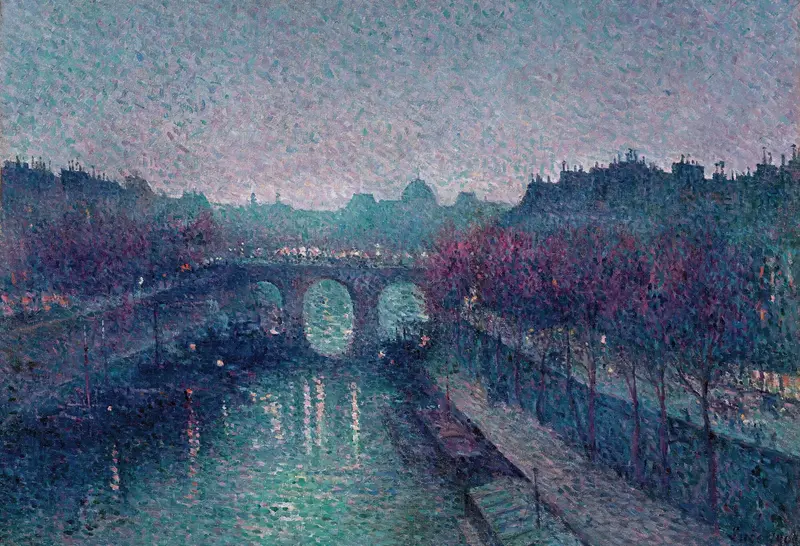
Le Pont-Neuf, La Seine, Petit Bras
Maximilien Luce
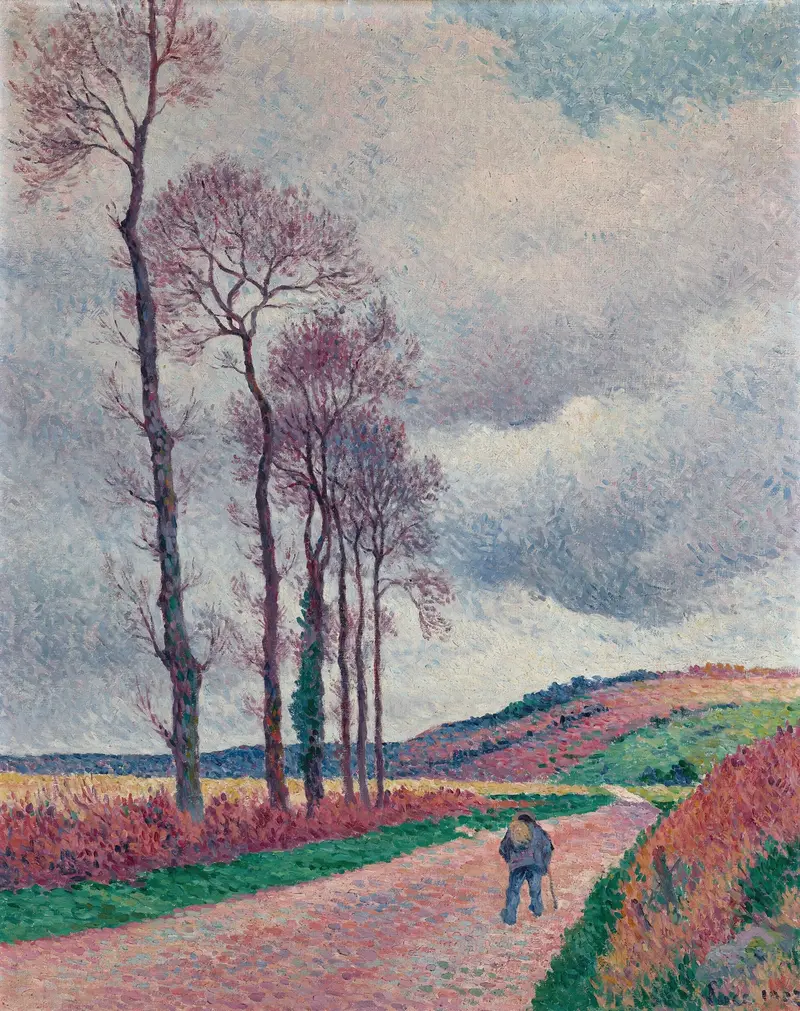
La route aux environs de Méréville
Maximilien Luce
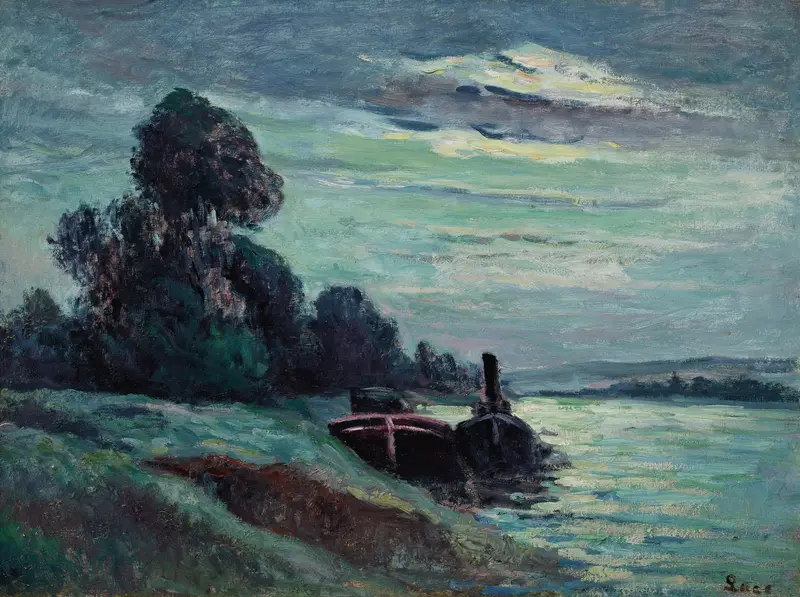
Péniches sur la Seine
Maximilien Luce
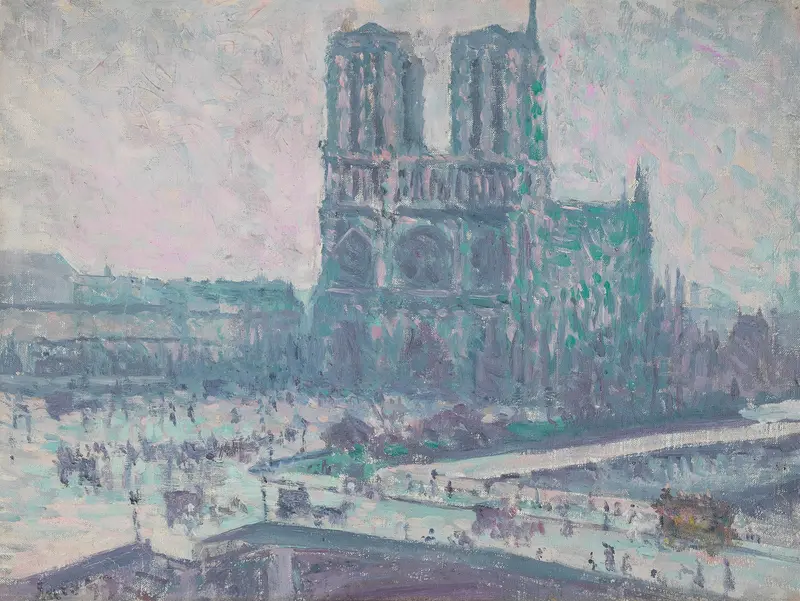
Notre Dame de Paris
Maximilien Luce
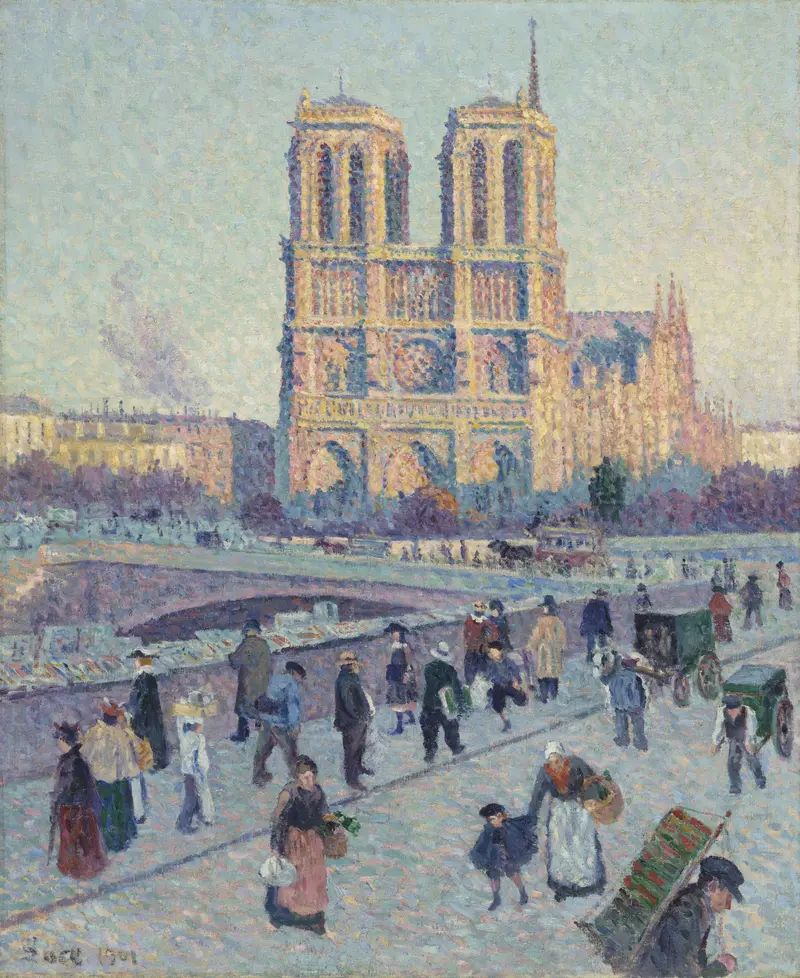
The Quai Saint-Michel and Notre-Dame
Maximilien Luce
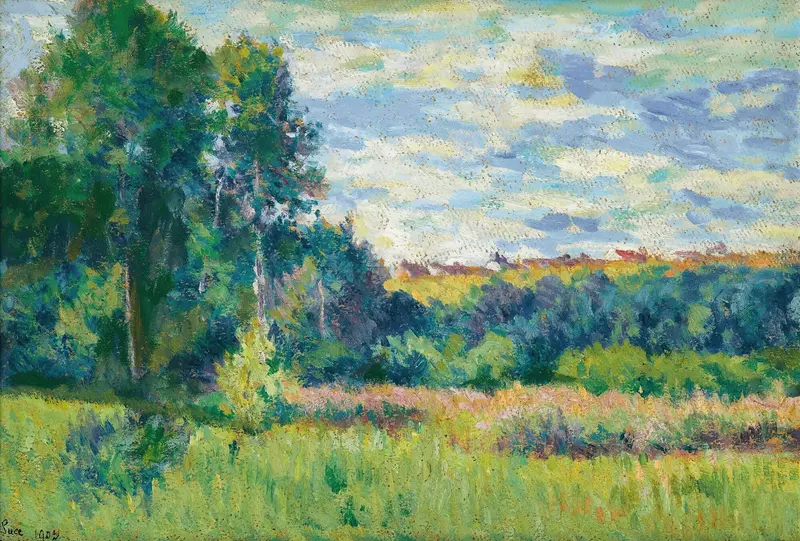
Paysage
Maximilien Luce
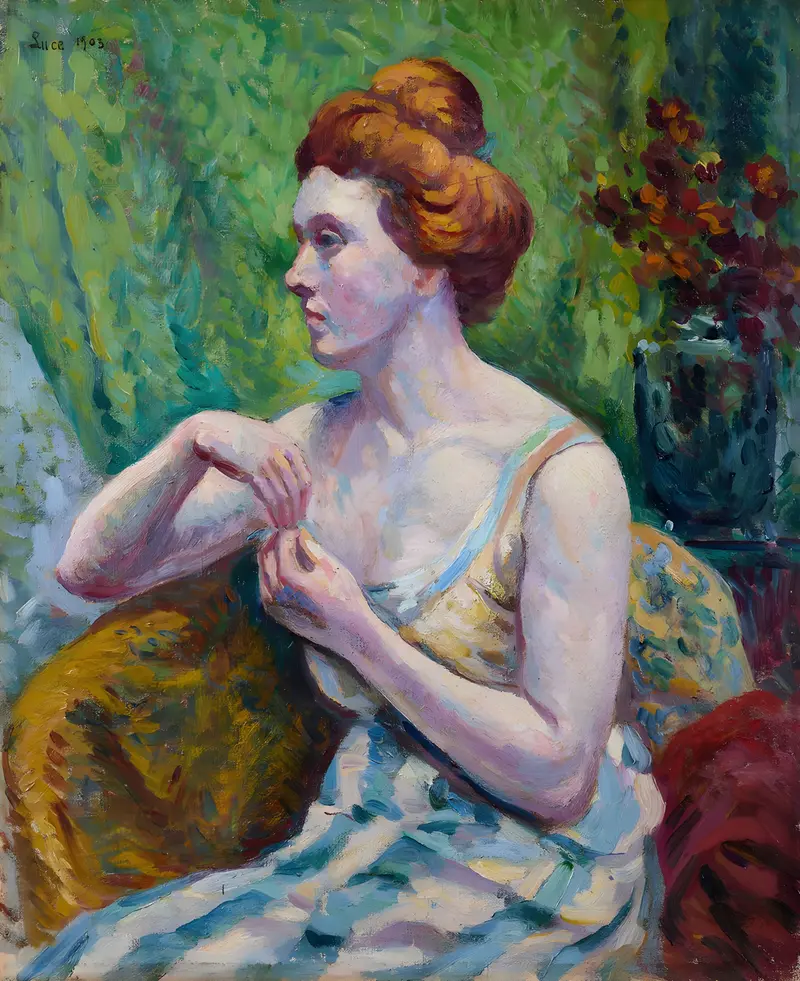
Portrait de femme
Maximilien Luce
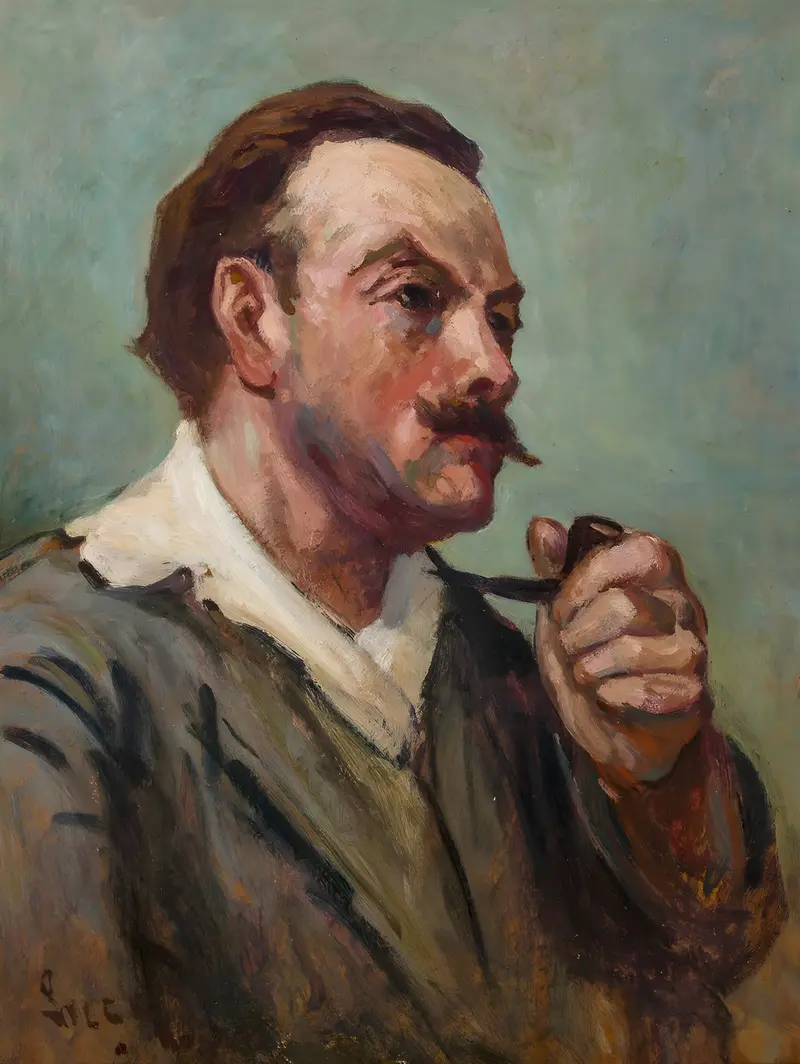
Portrait du Roger à la pipe
Maximilien Luce
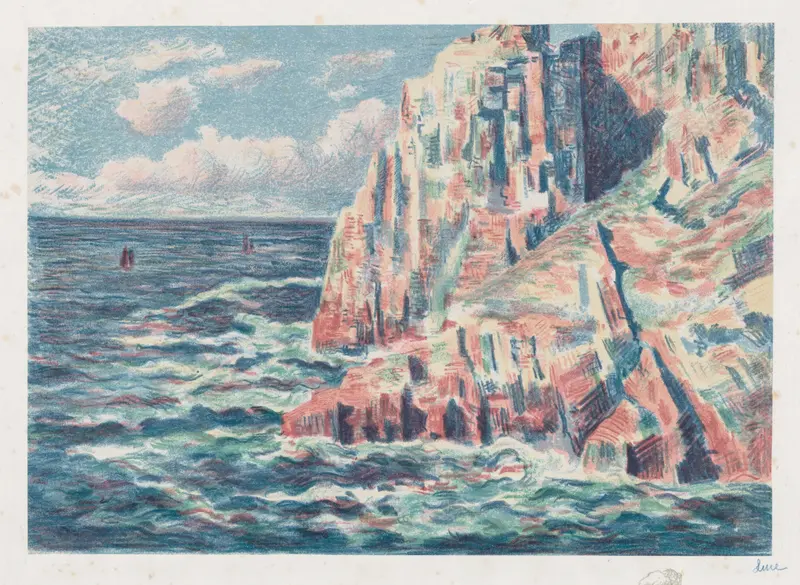
The Sea at Camaret, The Red Rocks
Maximilien Luce
More Genre Scene Art

Banquet of the Officers of the St George Civic Guard
Frans Hals

Rembrandt and Saskia in the Scene of the Prodigal Son
Rembrandt van Rijn

Bal du moulin de la Galette
Pierre-Auguste Renoir

Quadrille at the Moulin Rouge
Henri de Toulouse-Lautrec

A Burial at Ornans
Gustave Courbet

When Will You Marry?
Paul Gauguin