
L'Aisne dévastée — History & Facts
What grips the eye first in L'Aisne dévastée is the direct, unwavering gaze of the children, their faces framed by the protective arm of their mother. The trio stands out in warm earth tones against the pale background, their forms rendered with the immediacy of pastel and charcoal. A battered suitcase at their feet hints at flight and loss, while the distant ruins—sketched with a few brisk lines—anchor their story in a landscape stripped bare by war.
The mother's headscarf and the children's mismatched clothes speak of displacement, but it is their expressions—at once wary and expectant—that draw the viewer in, inviting empathy and action. Created in 1918, as the First World War ground to its bitter end, this poster belongs to a wave of charitable appeals aimed at rebuilding devastated regions like Aisne. Such works, often commissioned by relief organizations and distributed in public spaces, harnessed the emotional power of art to mobilize solidarity and funds. Here, Théophile Alexandre Steinlen—best known for his scenes of Parisian life—turns his attention to the human cost of conflict, capturing the vulnerability and resilience of civilians caught in history’s upheaval.
Preserved today in the Bibliothèque nationale de France, this image stands as both a record of its time and a call to remember the faces behind the statistics. Look again at the hands, the eyes, the ruined tower: each detail insists on the urgency of compassion.
More Artworks by Théophile Alexandre Steinlen

Village et charrette
Théophile Alexandre Steinlen
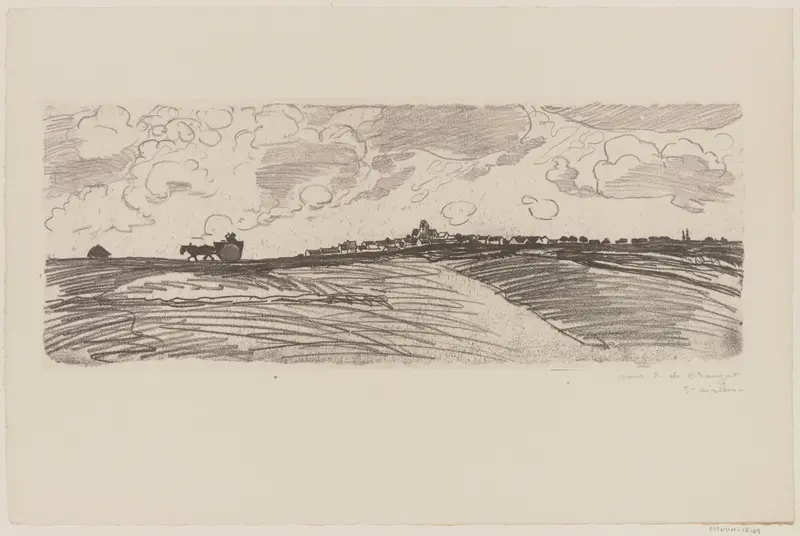
Village et charrette
Théophile Alexandre Steinlen
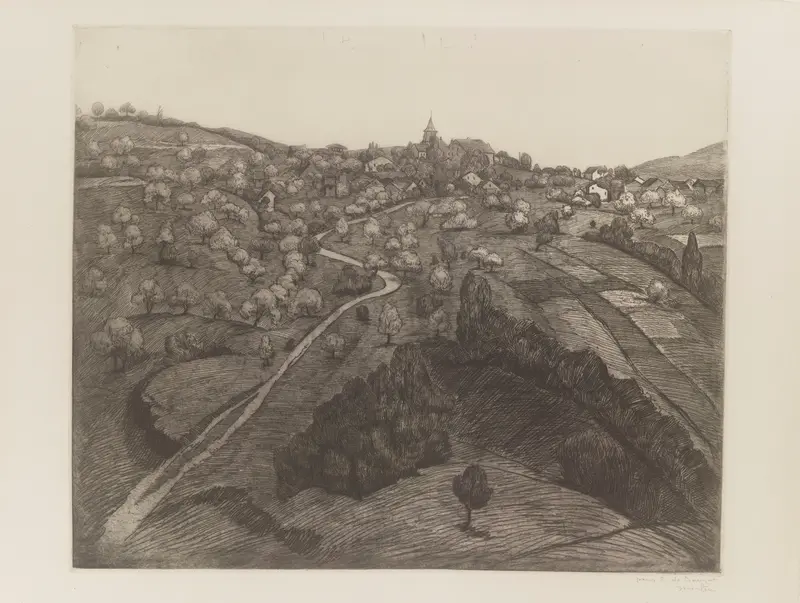
Vue de Belmont, près de Lausanne
Théophile Alexandre Steinlen
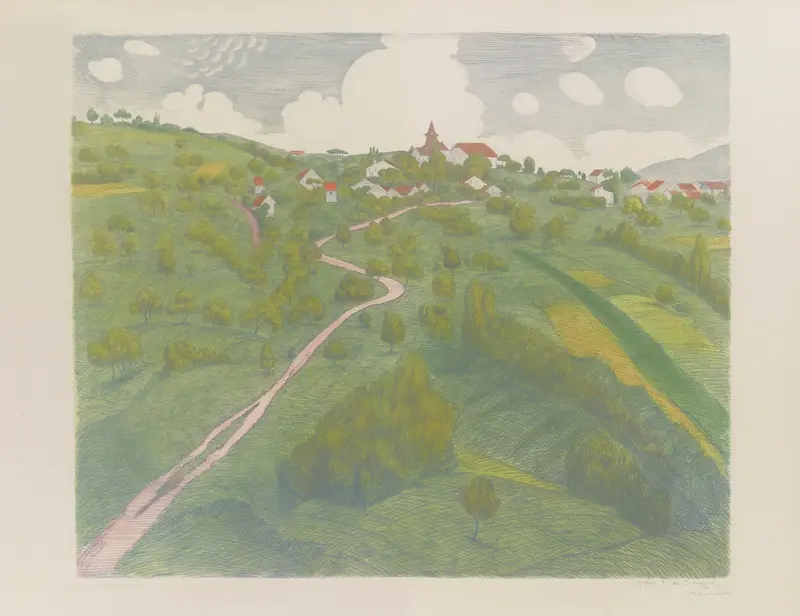
Vue de Belmont, près de Lausanne
Théophile Alexandre Steinlen
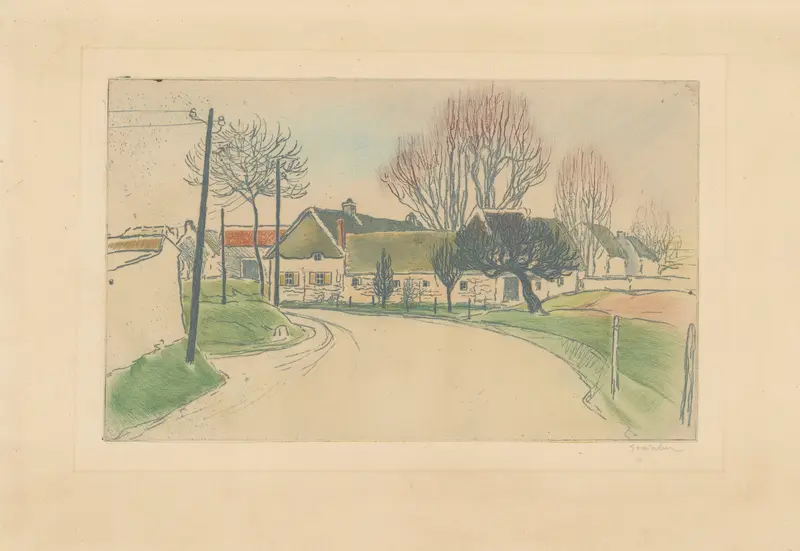
La maison à l’entrée du village
Théophile Alexandre Steinlen
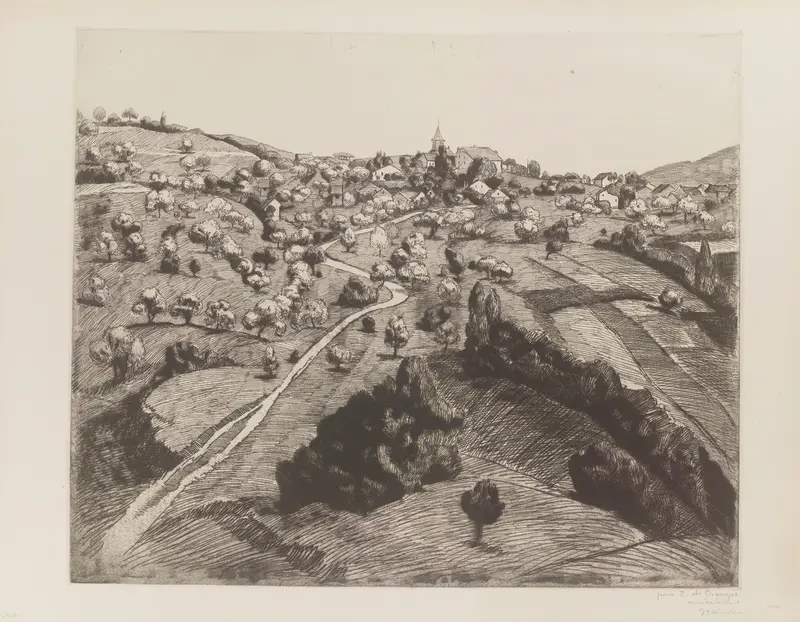
Vue de Belmont, près de Lausanne
Théophile Alexandre Steinlen
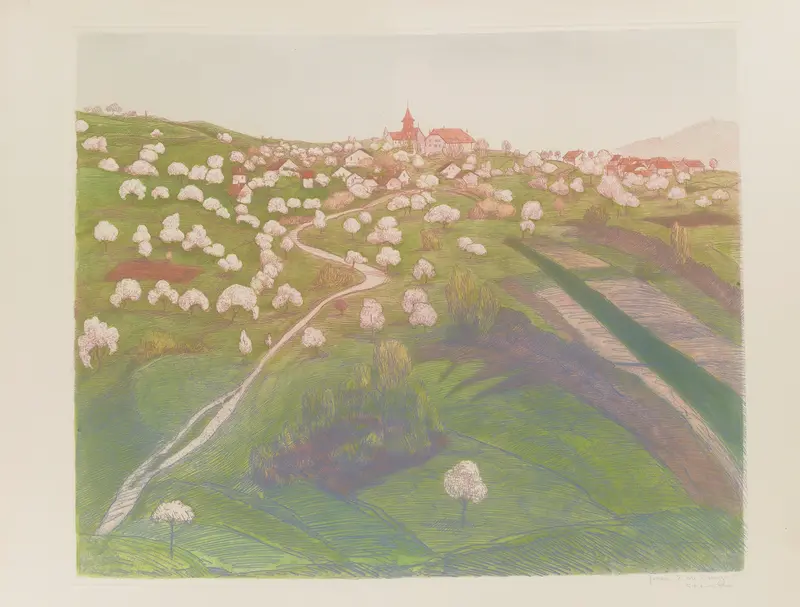
Vue de Belmont, près de Lausanne, n° 2
Théophile Alexandre Steinlen
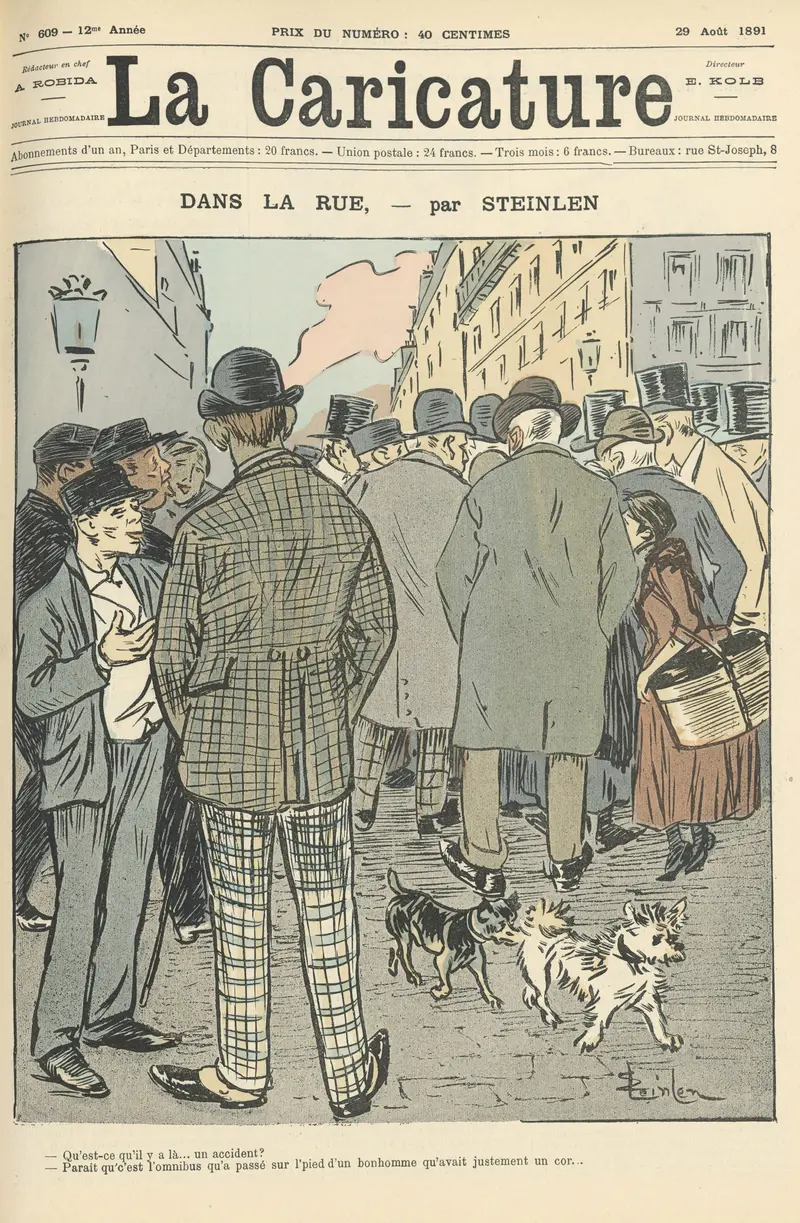
Dans la rue (La Caricature, 29 août 1891)
Théophile Alexandre Steinlen
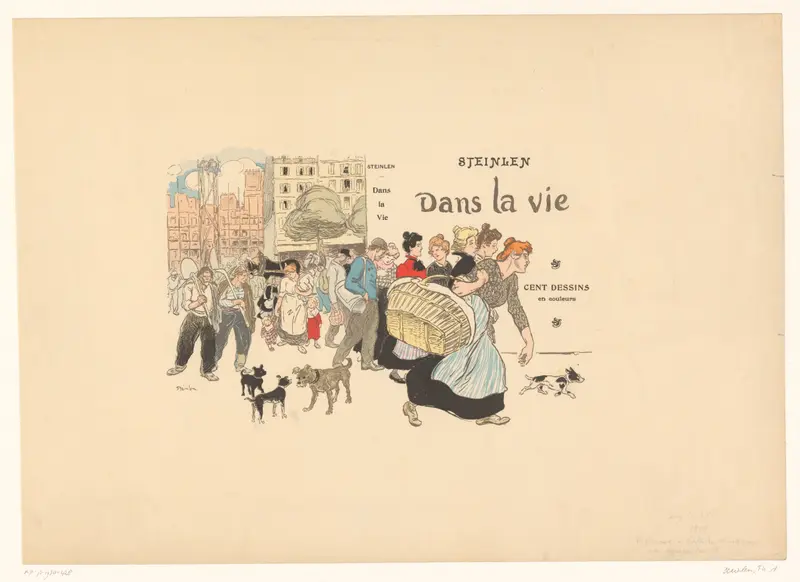
Dans la vie
Théophile Alexandre Steinlen
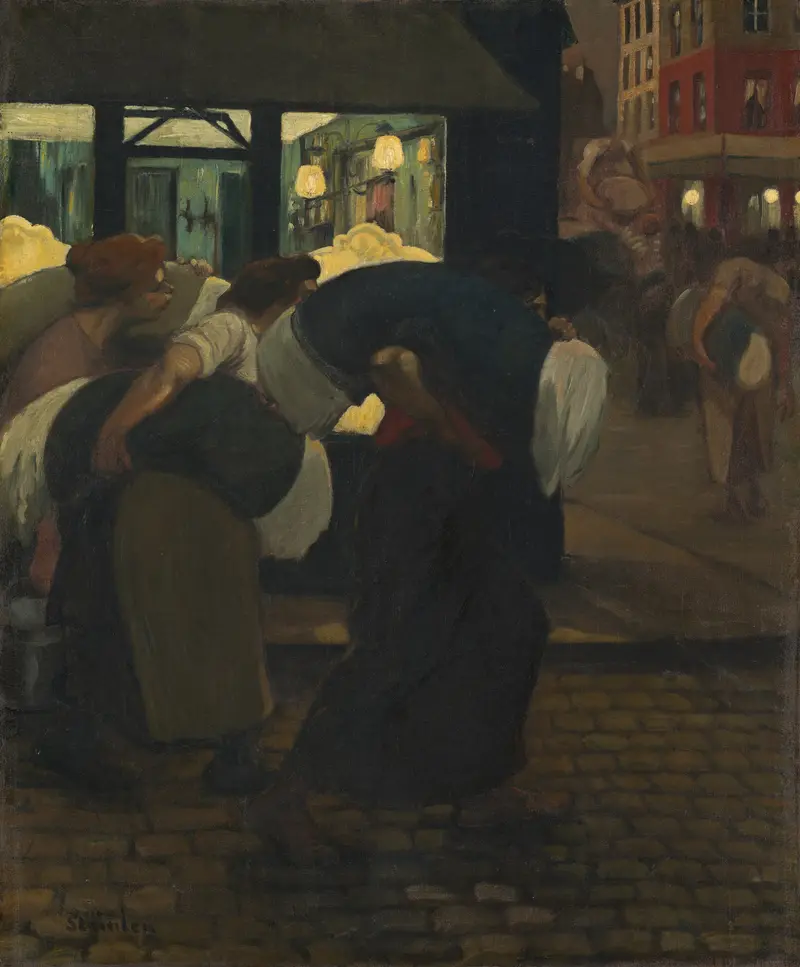
The Laundresses
Théophile Alexandre Steinlen
More Genre Scene Art

Banquet of the Officers of the St George Civic Guard
Frans Hals

Rembrandt and Saskia in the Scene of the Prodigal Son
Rembrandt van Rijn

Bal du moulin de la Galette
Pierre-Auguste Renoir

Quadrille at the Moulin Rouge
Henri de Toulouse-Lautrec

A Burial at Ornans
Gustave Courbet

When Will You Marry?
Paul Gauguin