
L'Alouette (Gil Blas Illustré) — History & Facts
What first draws the eye in L'Alouette (Gil Blas Illustré) is the charged pause between two figures—a young man, rake in hand, and a woman leaning at her ease on the well’s edge. Their glances meet with a spark of mischief and possibility, the kind of silent conversation that needs no words. The man’s posture, half-leaning, shirt open at the neck, speaks of a break in the day’s labor, while the woman’s relaxed pose and slight smile hint at a moment stolen from routine.
The background, sketched with quick, confident lines, sets them in a rural world of hayfields and low hills, but the real drama is in the foreground: the tension between work and flirtation, duty and desire. Created for the illustrated pages of Gil Blas in 1891, this image belongs to a world where art and popular culture mingled in the hands of artists like Théophile Alexandre Steinlen. The fin-de-siècle Parisian press was hungry for scenes that captured the humor, hardship, and humanity of everyday life—especially those that played with the boundaries of class and gender. Such lithographs were not made for the salons but for the café table, the newsstand, the commuter’s pocket.
History has kept few traces of these ephemeral images, but their immediacy and wit still leap from the page, inviting us to linger in their moment of sunlit intrigue.
More Artworks by Théophile Alexandre Steinlen

Village et charrette
Théophile Alexandre Steinlen
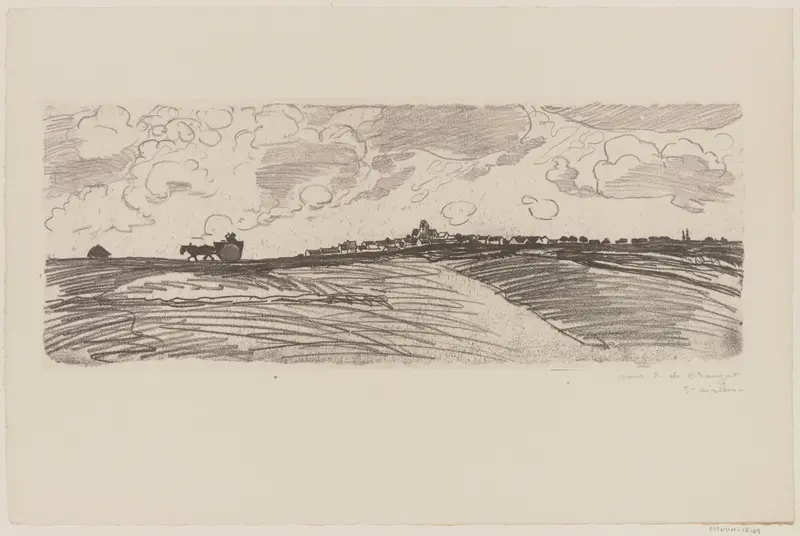
Village et charrette
Théophile Alexandre Steinlen
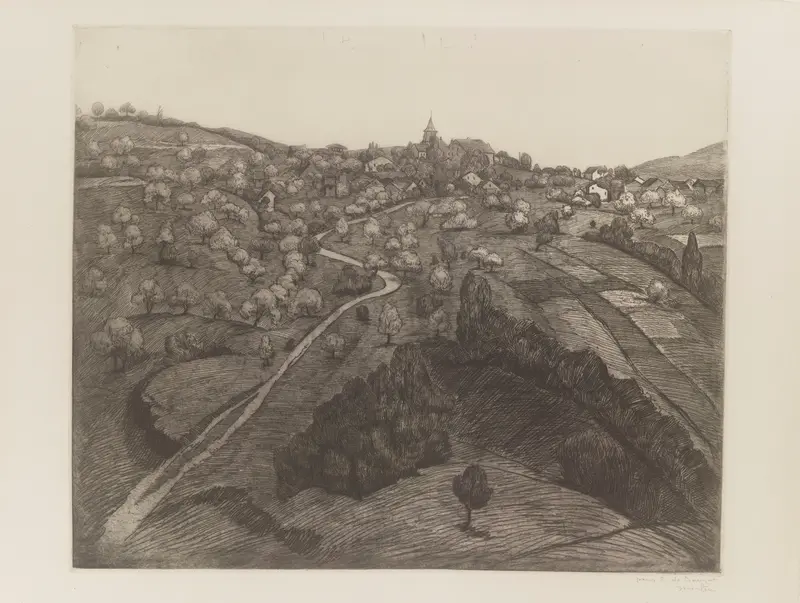
Vue de Belmont, près de Lausanne
Théophile Alexandre Steinlen
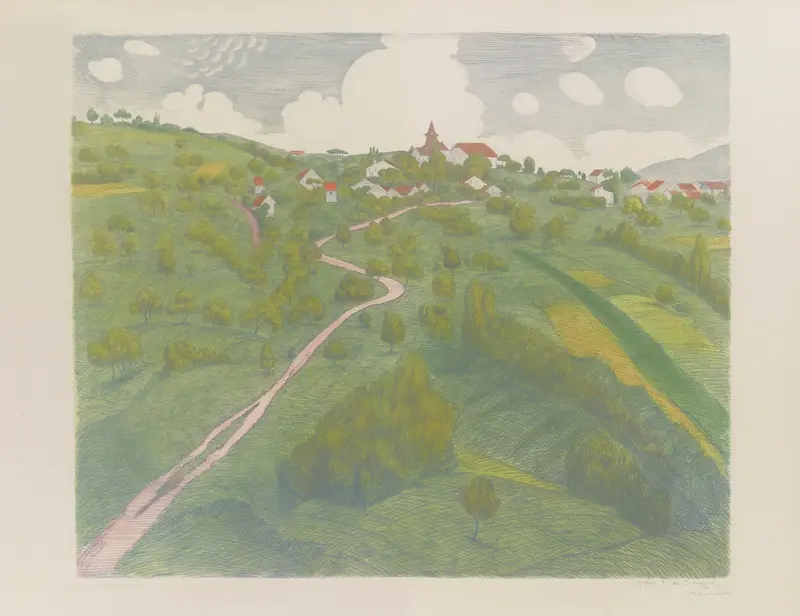
Vue de Belmont, près de Lausanne
Théophile Alexandre Steinlen
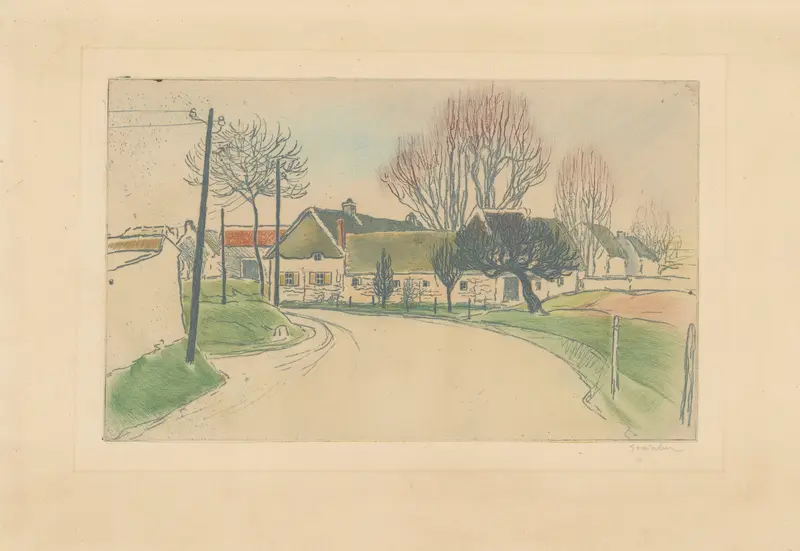
La maison à l’entrée du village
Théophile Alexandre Steinlen
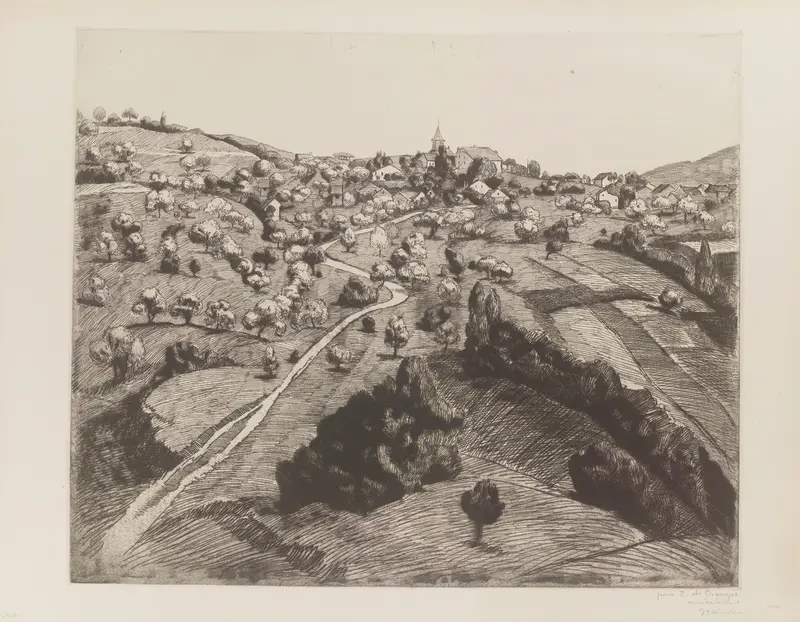
Vue de Belmont, près de Lausanne
Théophile Alexandre Steinlen
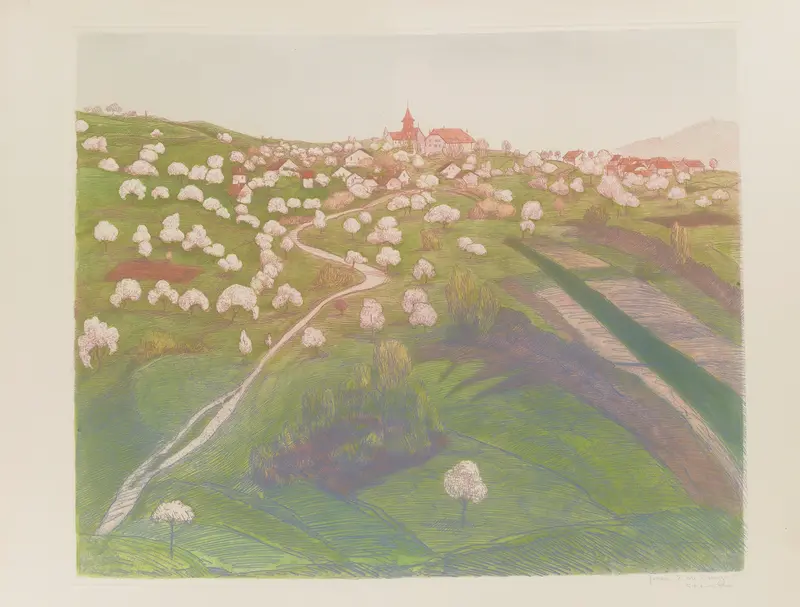
Vue de Belmont, près de Lausanne, n° 2
Théophile Alexandre Steinlen
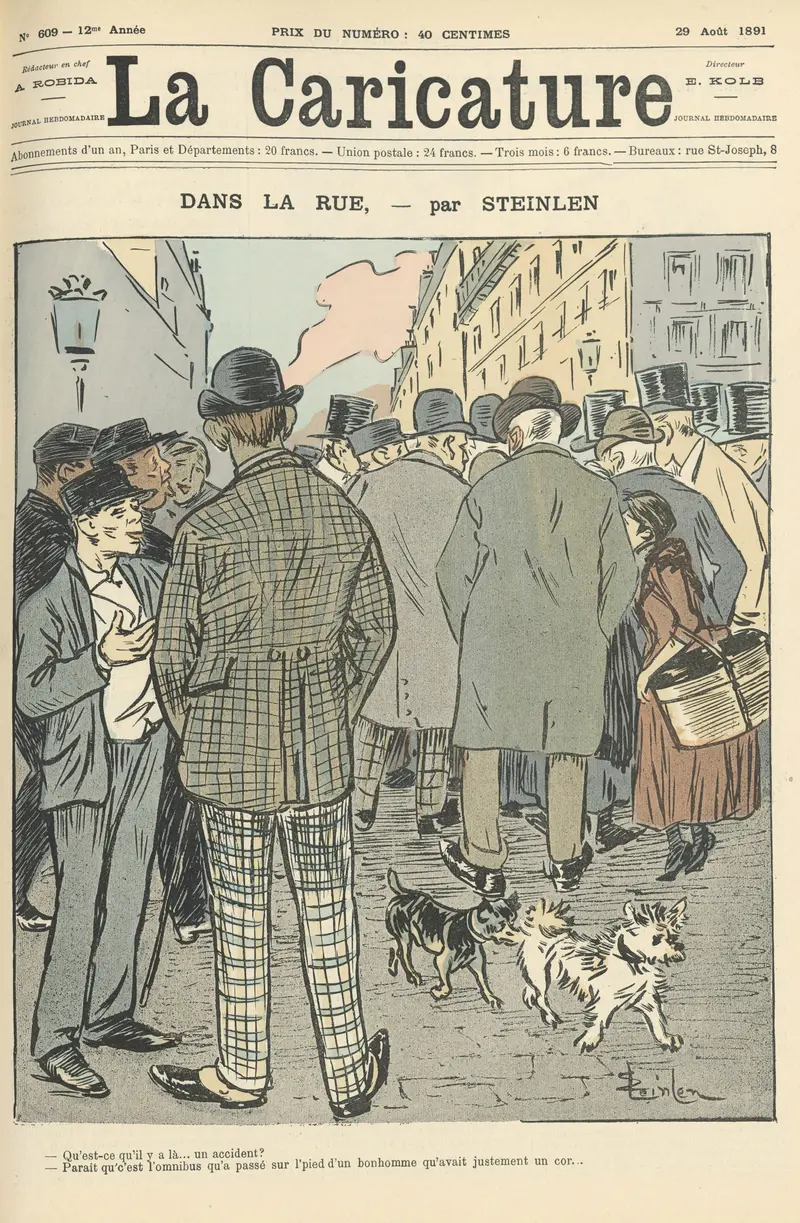
Dans la rue (La Caricature, 29 août 1891)
Théophile Alexandre Steinlen
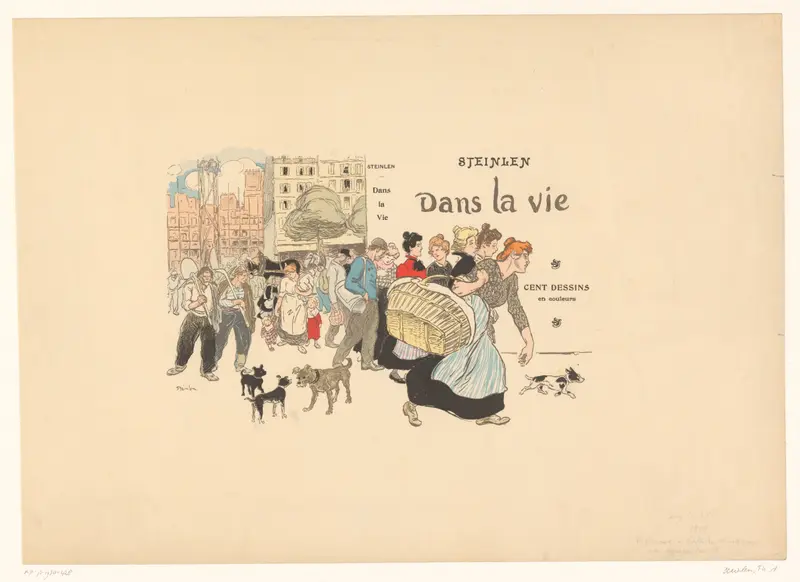
Dans la vie
Théophile Alexandre Steinlen
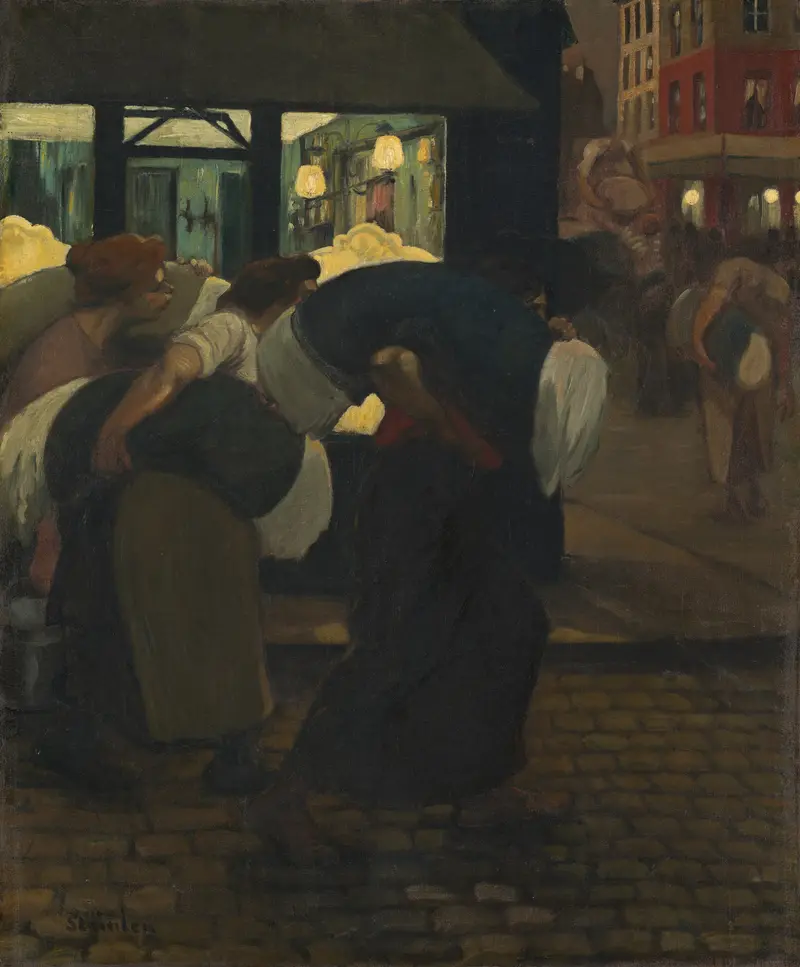
The Laundresses
Théophile Alexandre Steinlen
More Genre Scene Art

Banquet of the Officers of the St George Civic Guard
Frans Hals

Rembrandt and Saskia in the Scene of the Prodigal Son
Rembrandt van Rijn

Bal du moulin de la Galette
Pierre-Auguste Renoir

Quadrille at the Moulin Rouge
Henri de Toulouse-Lautrec

A Burial at Ornans
Gustave Courbet

When Will You Marry?
Paul Gauguin