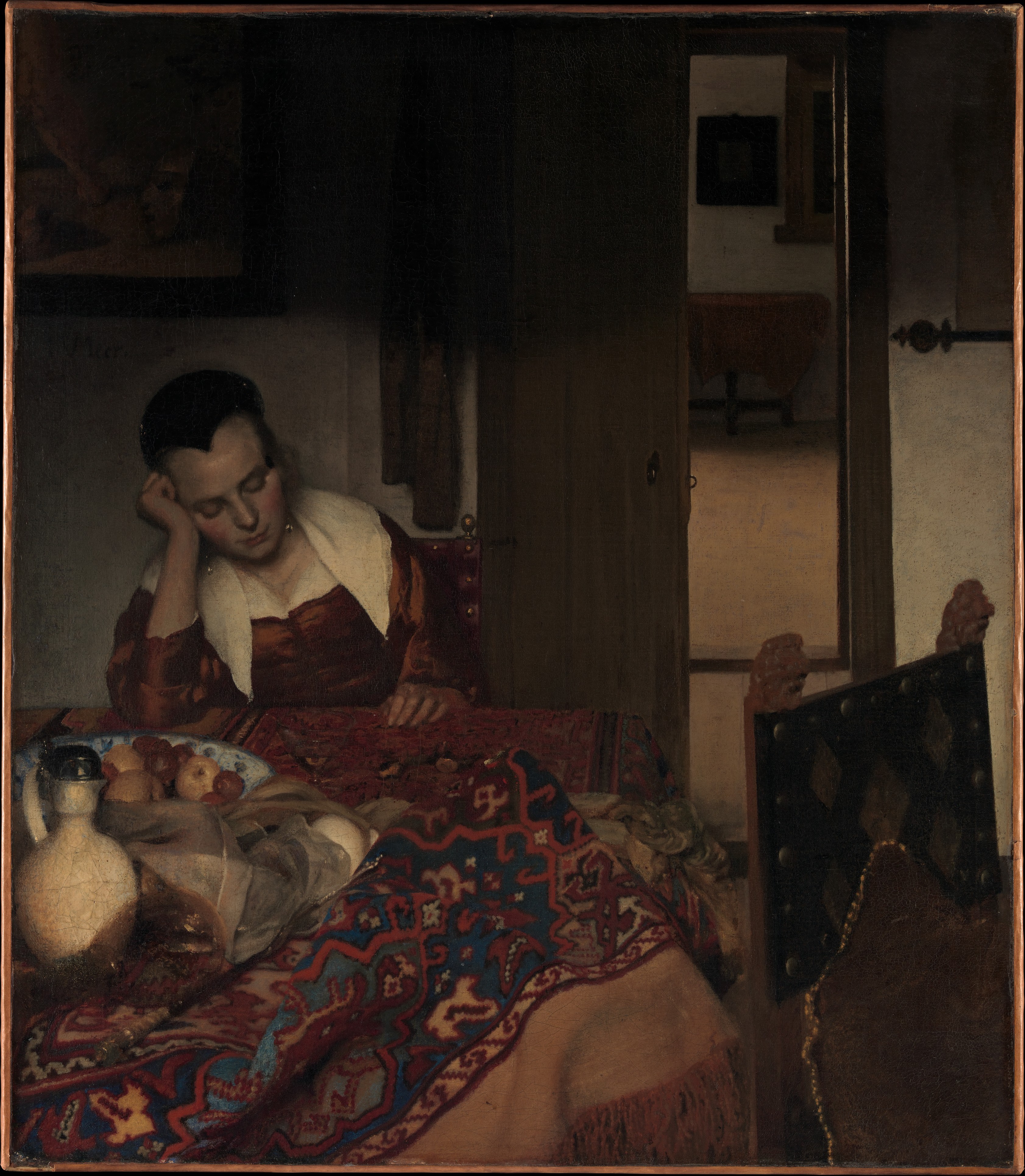
Discover insights about this artwork
L’Atelier aux poissons rouges — History & Facts
In L’Atelier aux poissons rouges, Henri Matisse presents a vibrant interior filled with color. The painting features a large window that allows natural light to flood the room, illuminating the rich hues of the furniture and decor. A prominent bowl of goldfish sits on a table, drawing the viewer's eye with its bright orange and yellow tones.
The overall atmosphere is lively and inviting, showcasing Matisse's love for color and form. The painting is executed in oil on canvas, a medium that allows Matisse to achieve bold and expressive colors. Viewers can observe the thick application of paint, which adds texture and depth to the composition. The use of contrasting colors enhances the vibrancy of the scene, creating a dynamic interplay between light and shadow.
Matisse's brushwork is loose and fluid, contributing to the overall sense of movement within the piece. Henri Matisse created L’Atelier aux poissons rouges around 1910, during a period when he was exploring the use of color in new ways. This work is significant as it reflects Matisse's transition towards a more modernist approach, emphasizing personal expression over realistic representation. Interestingly, the goldfish in the bowl symbolize tranquility and the joy of life, themes that resonate throughout Matisse's oeuvre.
The painting is now housed in the Musée d'Orsay, where it continues to captivate audiences.
More Artworks by Henri Matisse
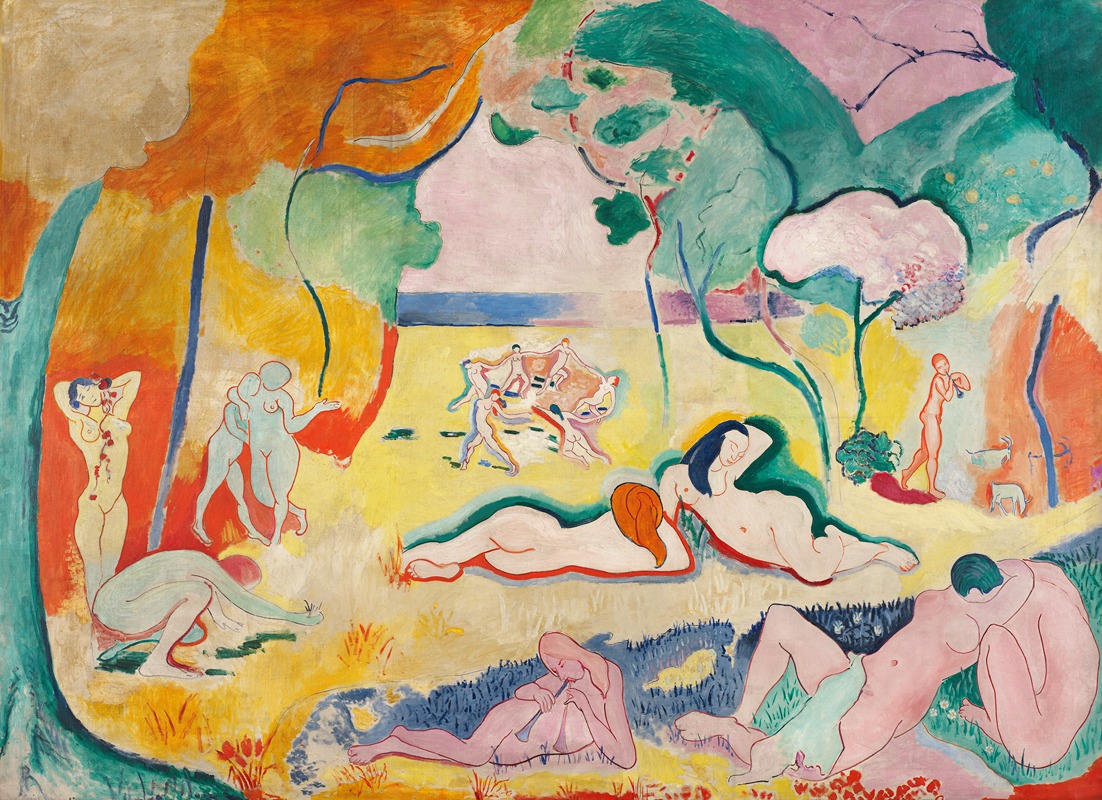
Le Bonheur de vivre, also called The Joy of Life
Henri Matisse
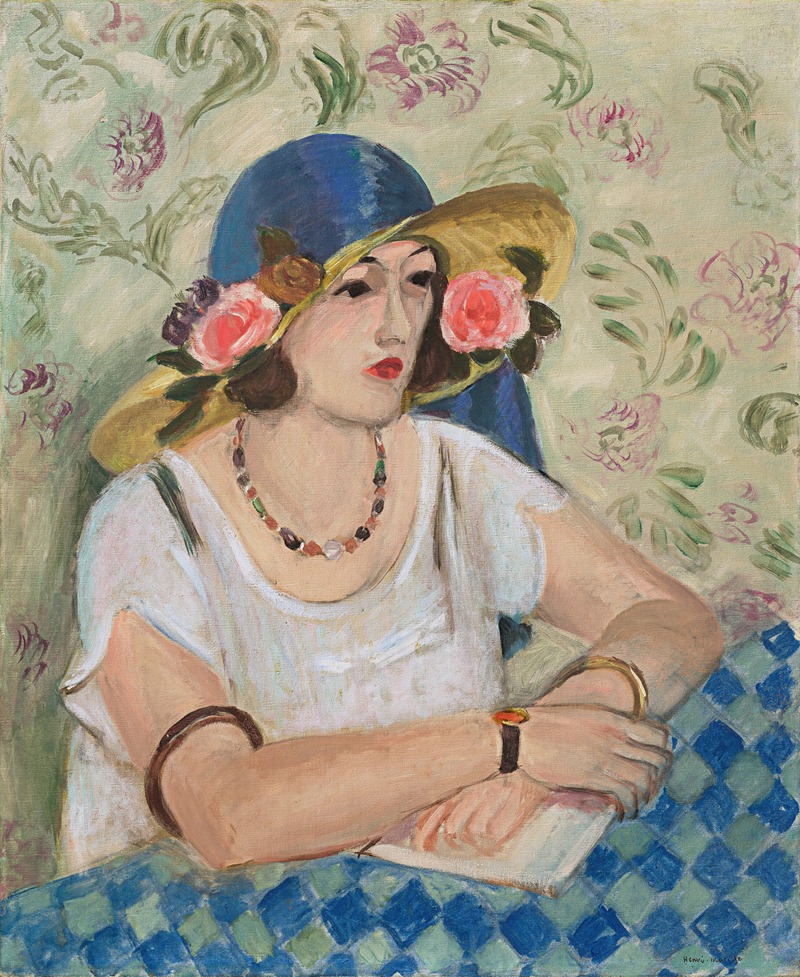
Femme au chapeau fleuri
Henri Matisse
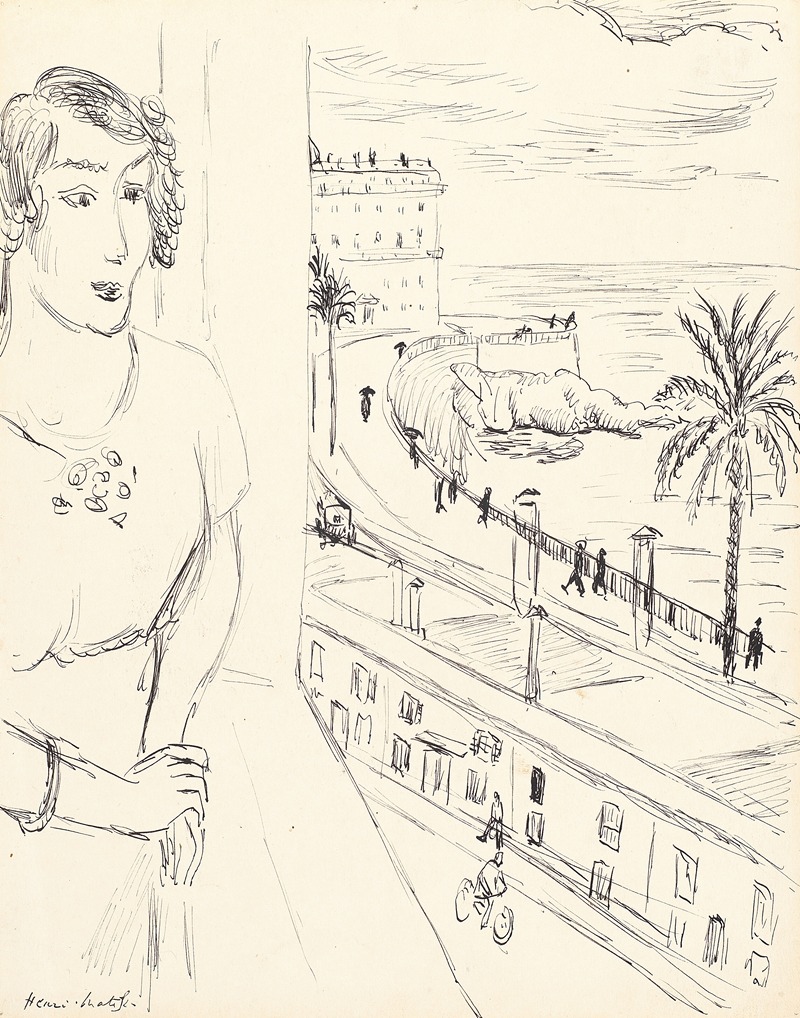
Femme près de la fenêtre, Nice
Henri Matisse
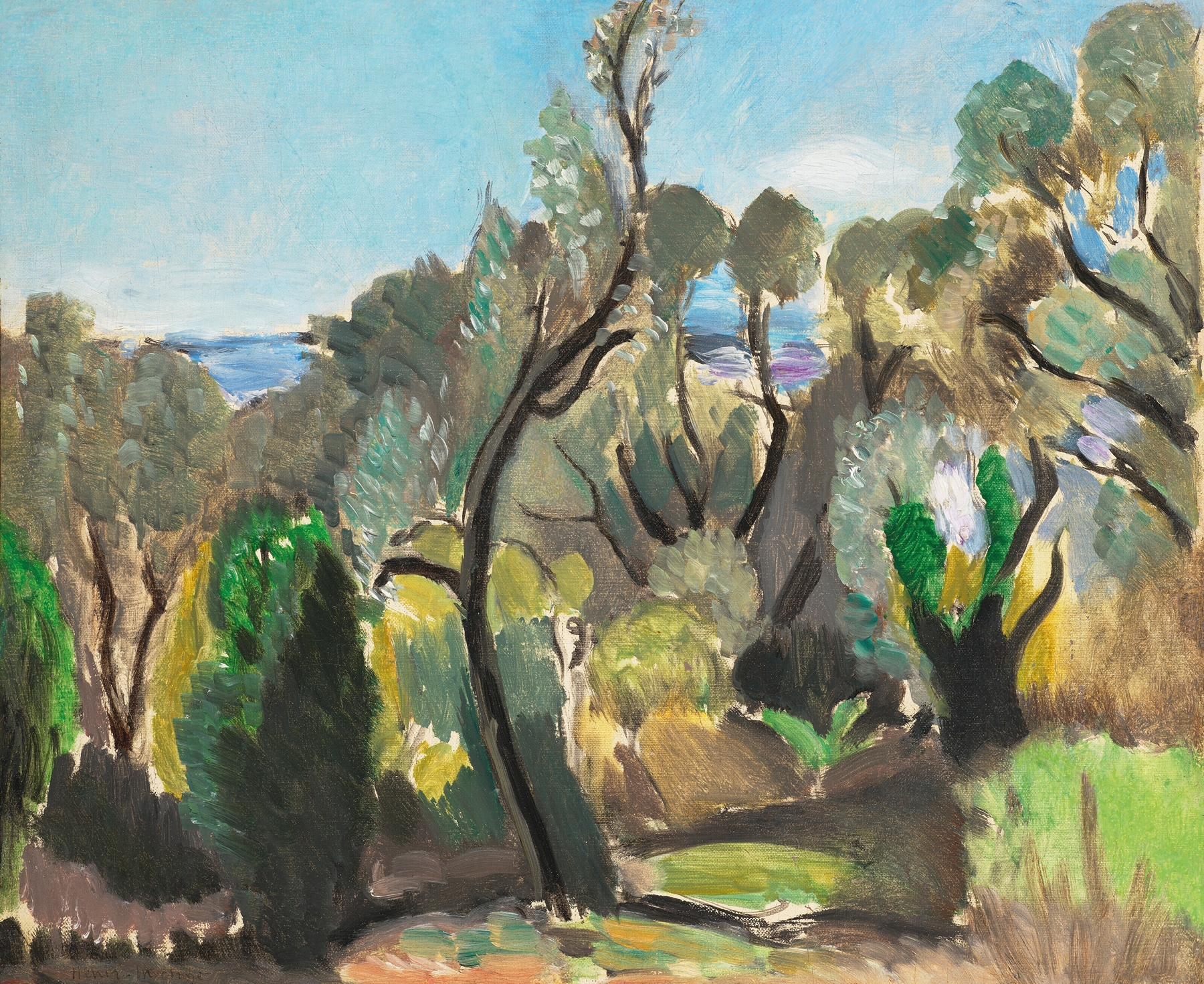
Paysage aux environs de Nice ou Les Oliviers ou Coin du Mont-Boron
Henri Matisse
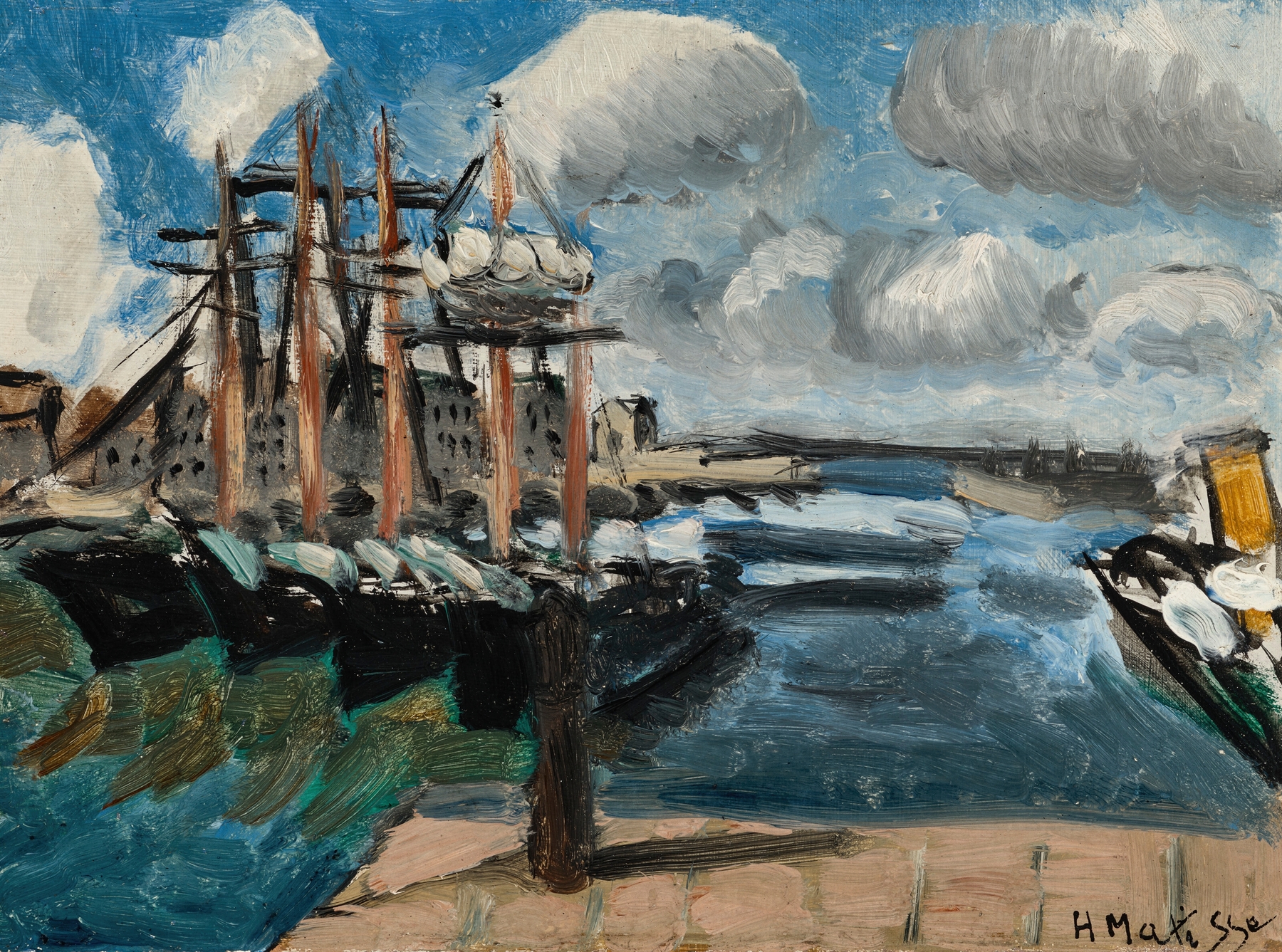
Port de Cherbourg
Henri Matisse
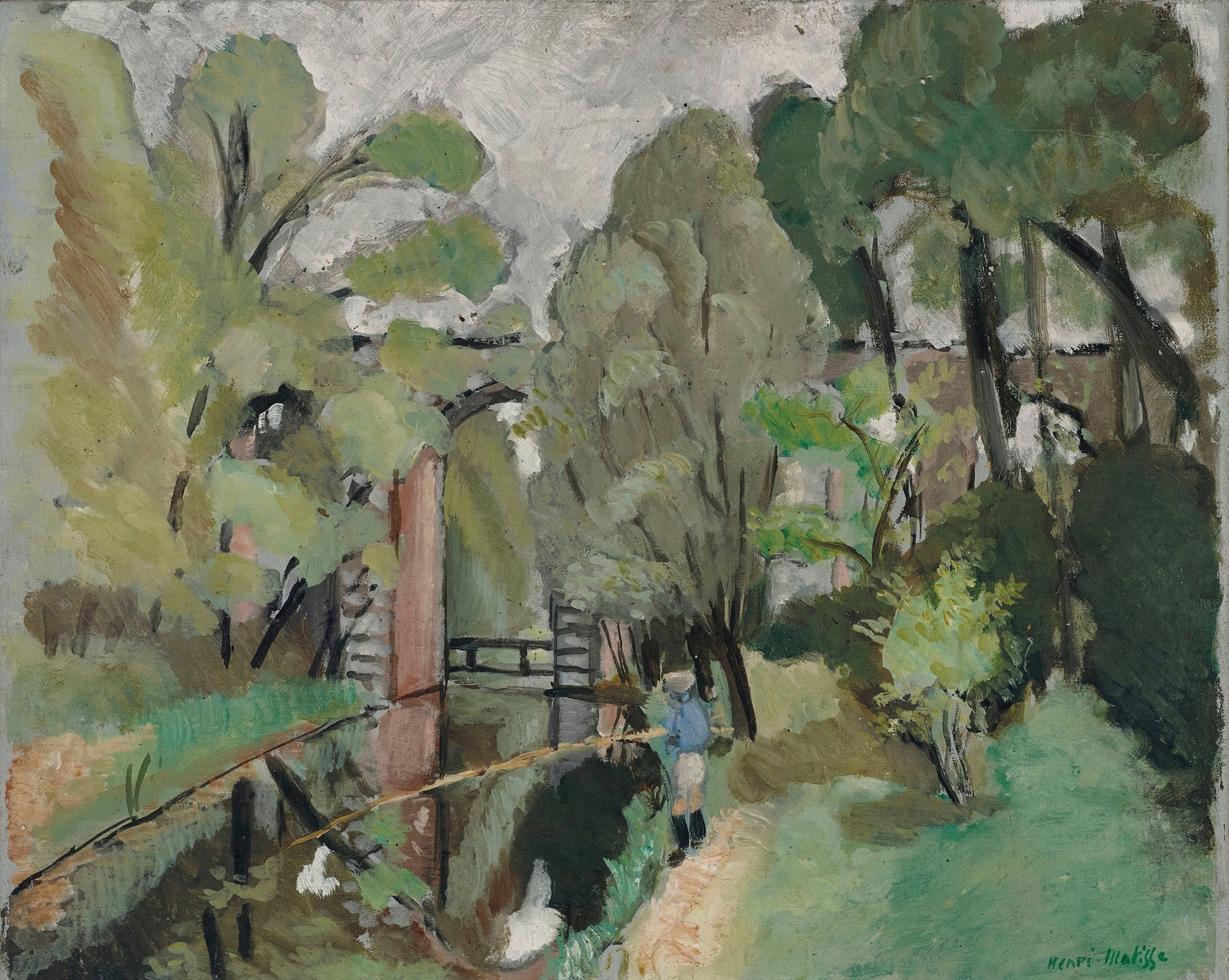
Le Petit pêcheur, Maintenon
Henri Matisse
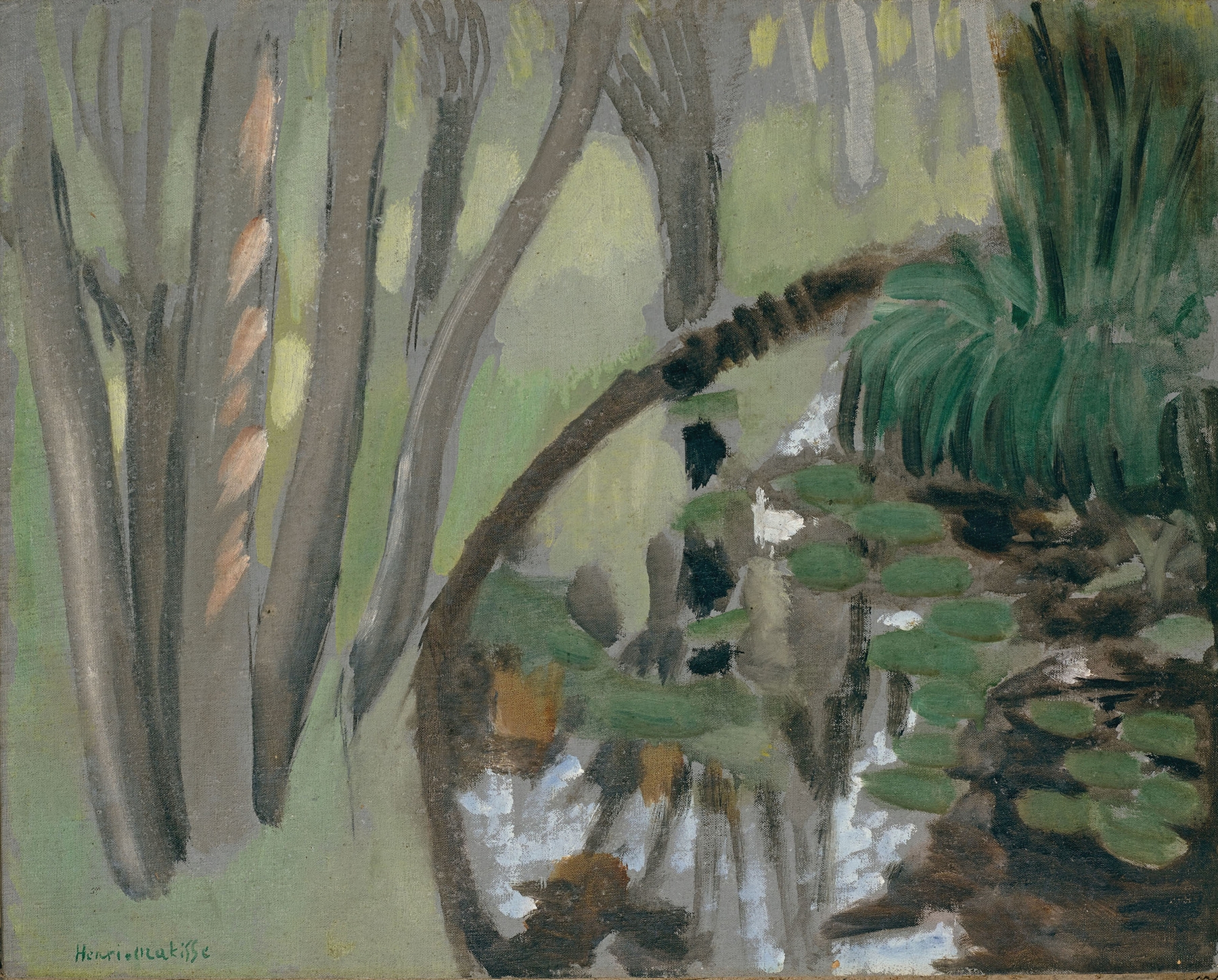
Le ruisseau, Maintenon
Henri Matisse
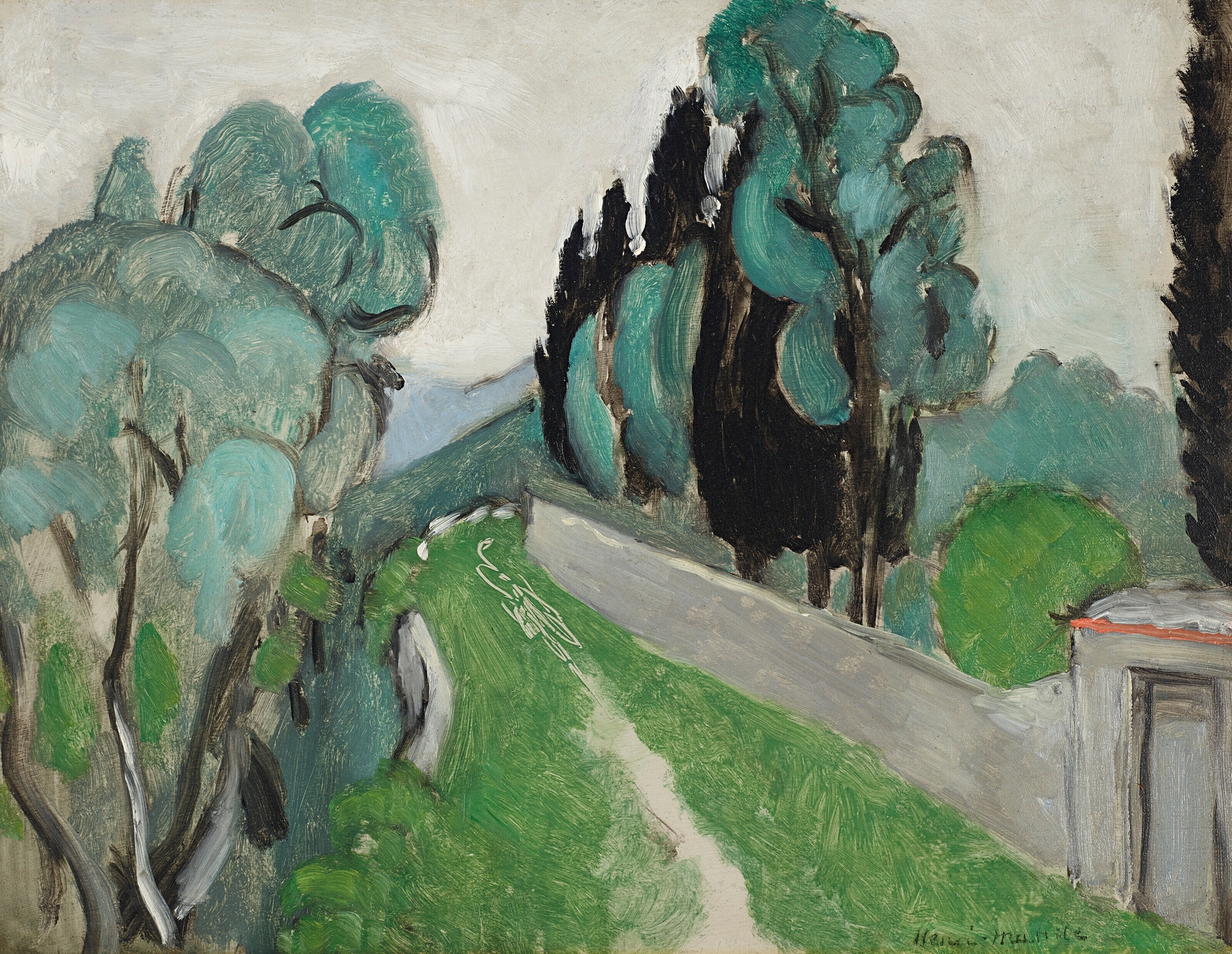
Paysage avec cyprès et oliviers aux environs de Nice
Henri Matisse
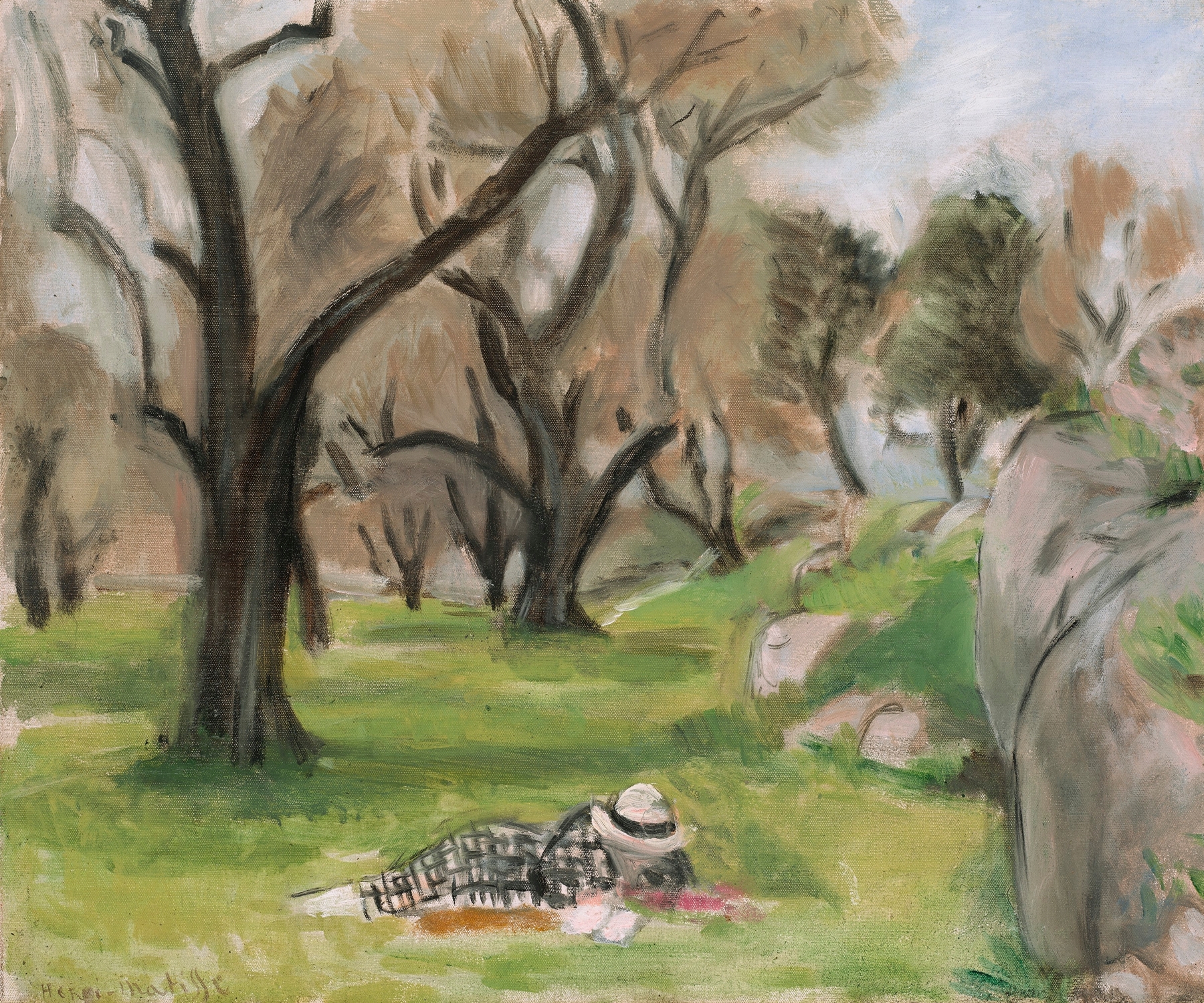
Paysage du Midi
Henri Matisse
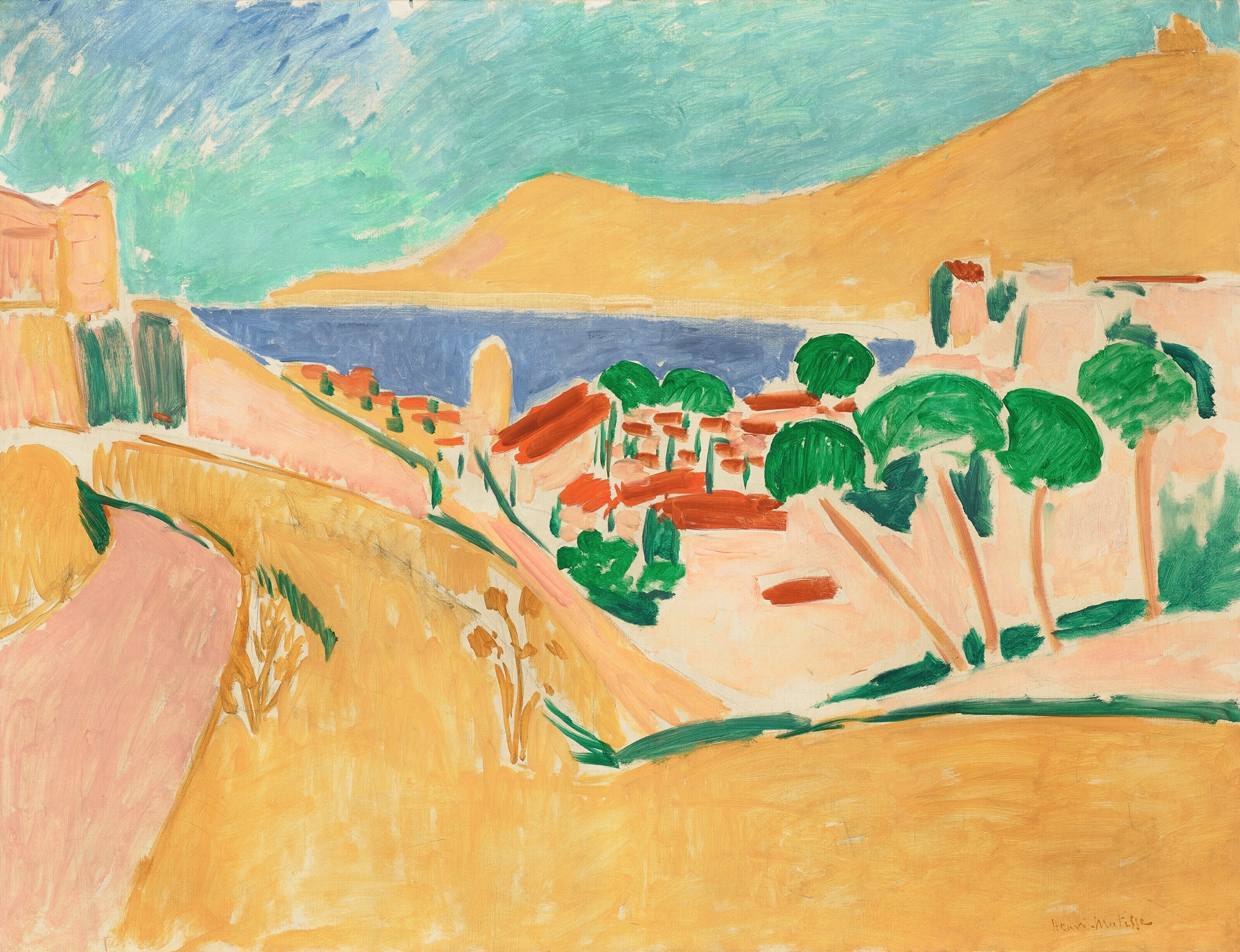
Collioure en août
Henri Matisse