
L'Aveu de la faute — History & Facts
A single figure, shrouded in black, leans toward the confessional in a hush of flickering candlelight—L'Aveu de la faute draws the viewer into a moment of private reckoning. The woman's bowed head, pressed close to the grille, hints at the weight of her secret, while the exaggerated curve of her back and the enveloping cloak amplify her isolation. Steinlen’s use of color lithography here is both bold and restrained: the inky silhouette swallows the light, yet the face glows with a flush of orange, directing our gaze to the drama of confession.
The candles, rendered with quick, upright strokes, stand as silent witnesses, their flames echoing the tension of the scene. Created in Paris in 1894, this print belongs to a world where artists like Théophile Alexandre Steinlen turned everyday urban life into powerful images for a mass audience. Lithographs such as this, often destined for magazine covers or posters, were both art and advertisement—designed to catch the eye and stir the mind. In fin-de-siècle Paris, confession was not just a religious act but a motif ripe for social commentary, and Steinlen’s work, published by Georges Ondet, would have spoken to a public fascinated by both the rituals and hypocrisies of modern life.
Few traces remain of the specific commissions or journeys of such prints, but their immediacy endures: look again at the woman’s posture, and the story she cannot speak aloud.
More Artworks by Théophile Alexandre Steinlen

Village et charrette
Théophile Alexandre Steinlen
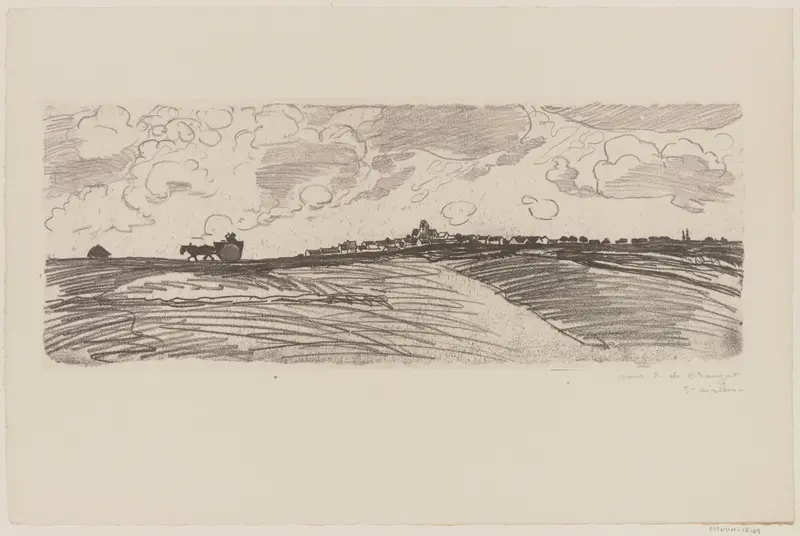
Village et charrette
Théophile Alexandre Steinlen
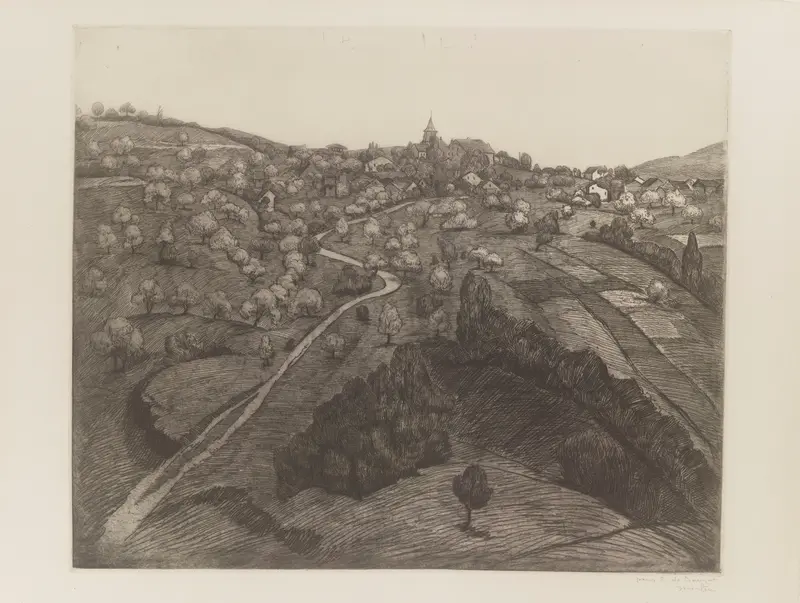
Vue de Belmont, près de Lausanne
Théophile Alexandre Steinlen
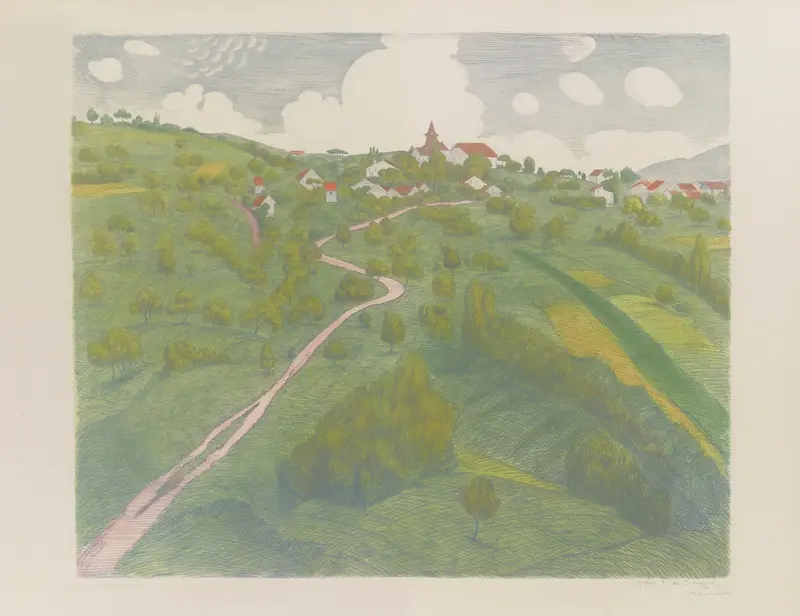
Vue de Belmont, près de Lausanne
Théophile Alexandre Steinlen
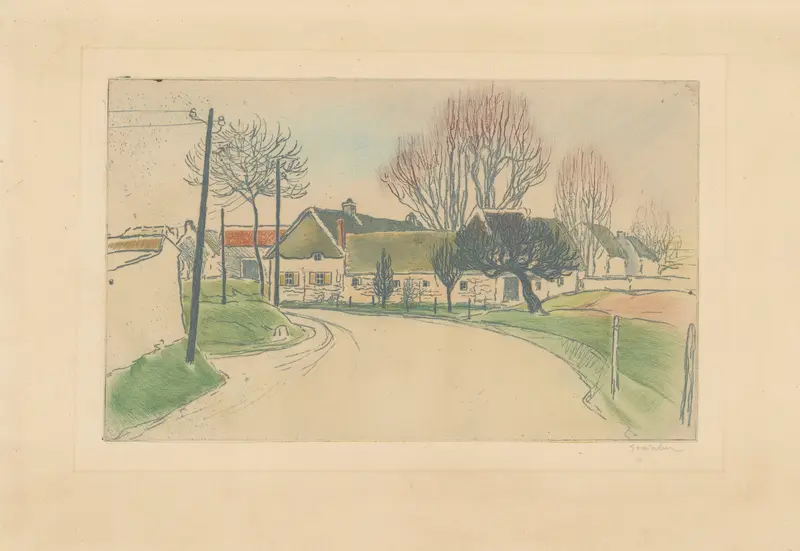
La maison à l’entrée du village
Théophile Alexandre Steinlen
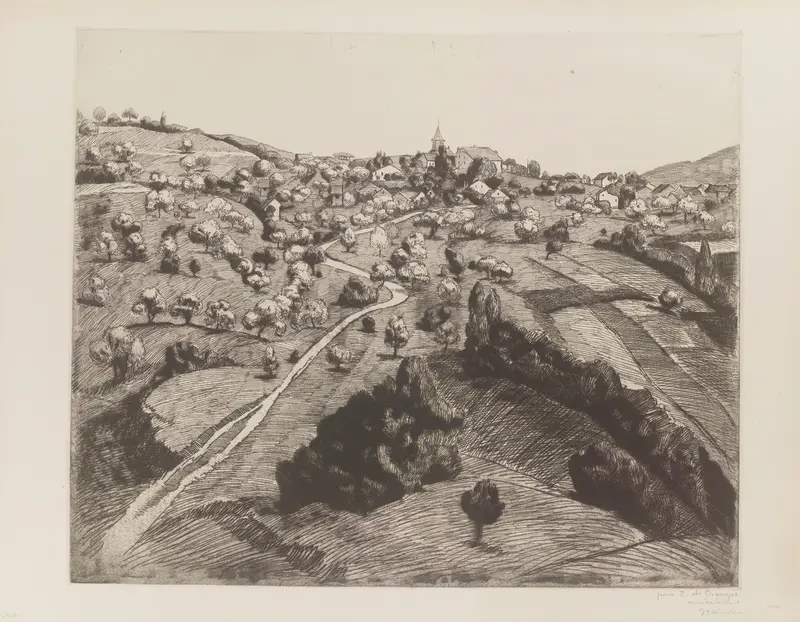
Vue de Belmont, près de Lausanne
Théophile Alexandre Steinlen
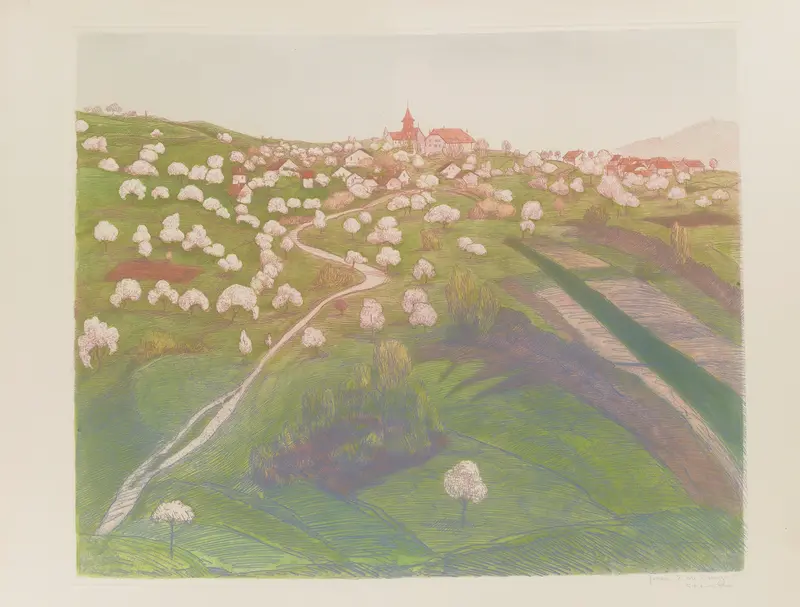
Vue de Belmont, près de Lausanne, n° 2
Théophile Alexandre Steinlen
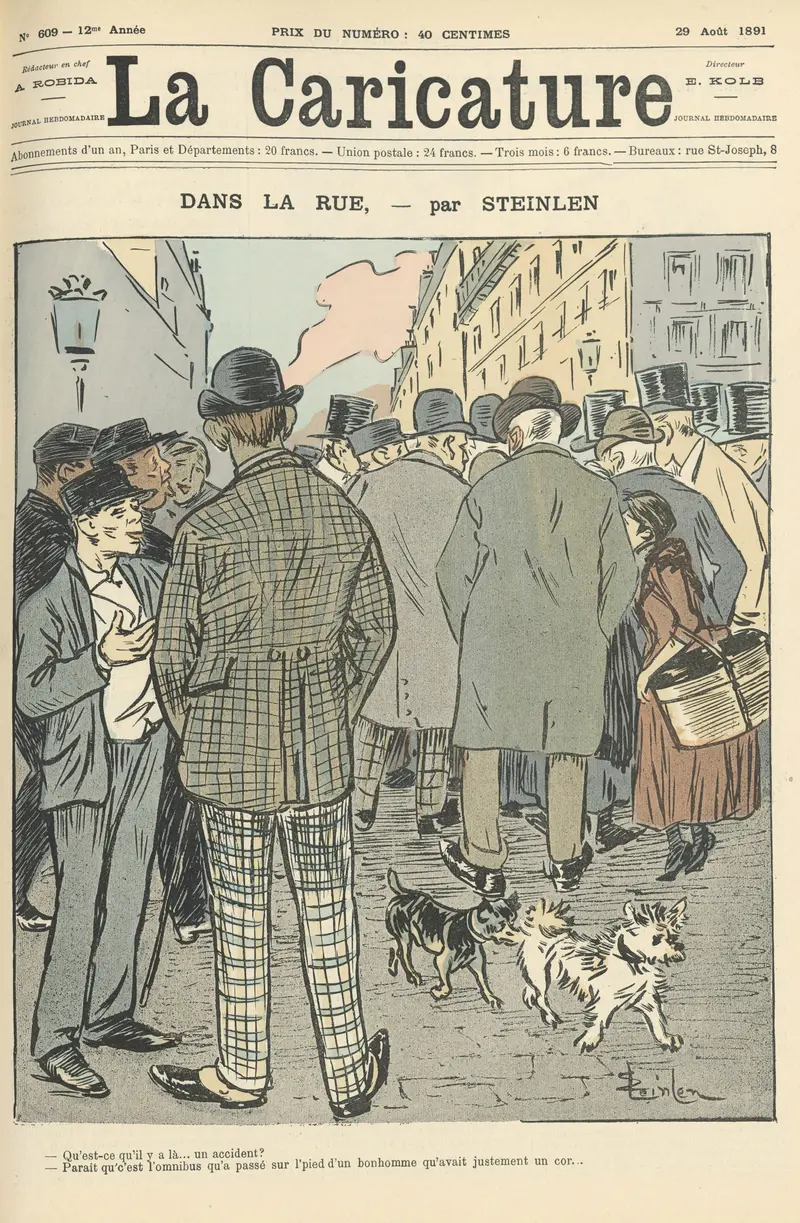
Dans la rue (La Caricature, 29 août 1891)
Théophile Alexandre Steinlen
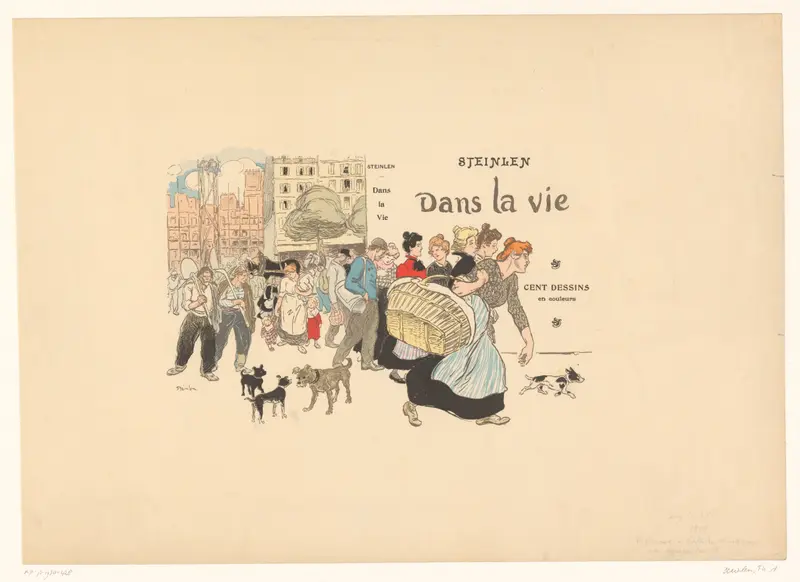
Dans la vie
Théophile Alexandre Steinlen
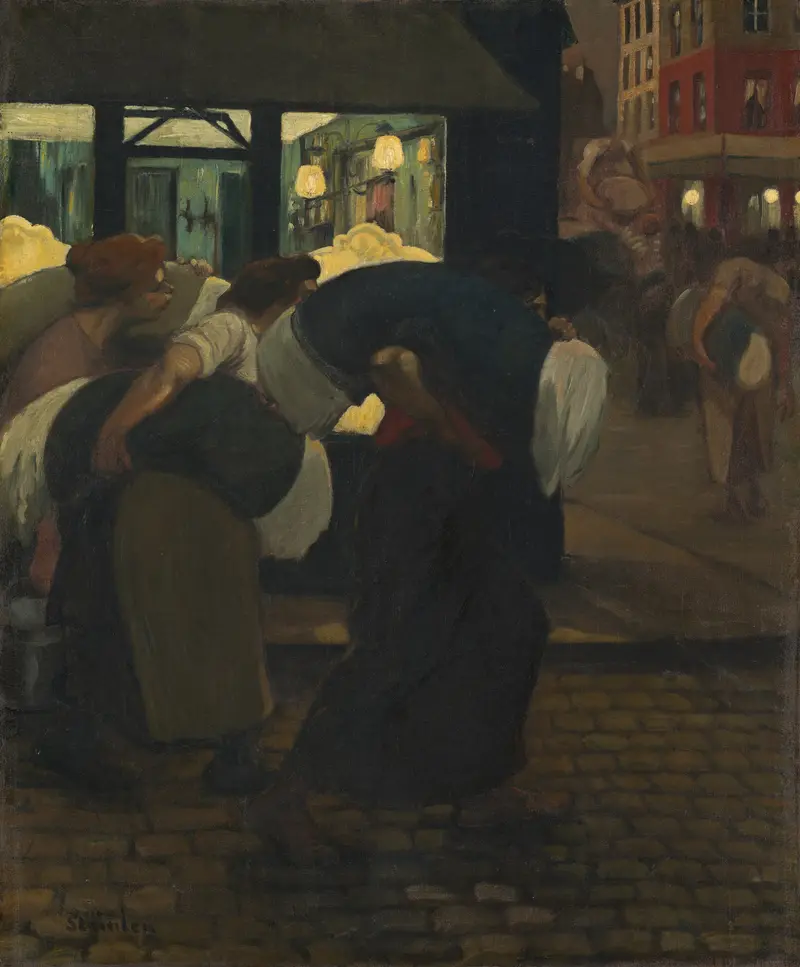
The Laundresses
Théophile Alexandre Steinlen
More Genre Scene Art

Banquet of the Officers of the St George Civic Guard
Frans Hals

Rembrandt and Saskia in the Scene of the Prodigal Son
Rembrandt van Rijn

Bal du moulin de la Galette
Pierre-Auguste Renoir

Quadrille at the Moulin Rouge
Henri de Toulouse-Lautrec

A Burial at Ornans
Gustave Courbet

When Will You Marry?
Paul Gauguin