L'Indifférent — History & Facts
L'Indifférent by Jean-Antoine Watteau was painted in the 1710s, during the early years of the artist’s career in France. Executed in oil on panel, this work dates to a period when Watteau was developing the style that would later define the Rococo movement. The painting is recognized as a significant example of his interest in theatrical figures and the refined sensibility of early eighteenth-century French art. A single figure stands at the center, dressed in an elaborate costume with a blue-grey suit, white stockings, and a flowing red cape draped over one shoulder.
The figure’s pose is light and poised, with arms extended and one foot delicately pointed, suggesting a dance or performance. The background is softly rendered, with indistinct foliage to the left and an open, atmospheric space to the right. Watteau employs delicate, feathery brushwork and a restrained palette, focusing attention on the figure’s elegant gesture and the shimmering textures of the costume. L'Indifférent is held today as an important work in the history of French painting, often cited as a precursor to Watteau’s larger fêtes galantes.
The painting has been exhibited widely and is part of the documented collections of major institutions. Its refined execution and enigmatic subject have contributed to its lasting reputation within the artist’s oeuvre.
More Artworks by Jean-Antoine Watteau
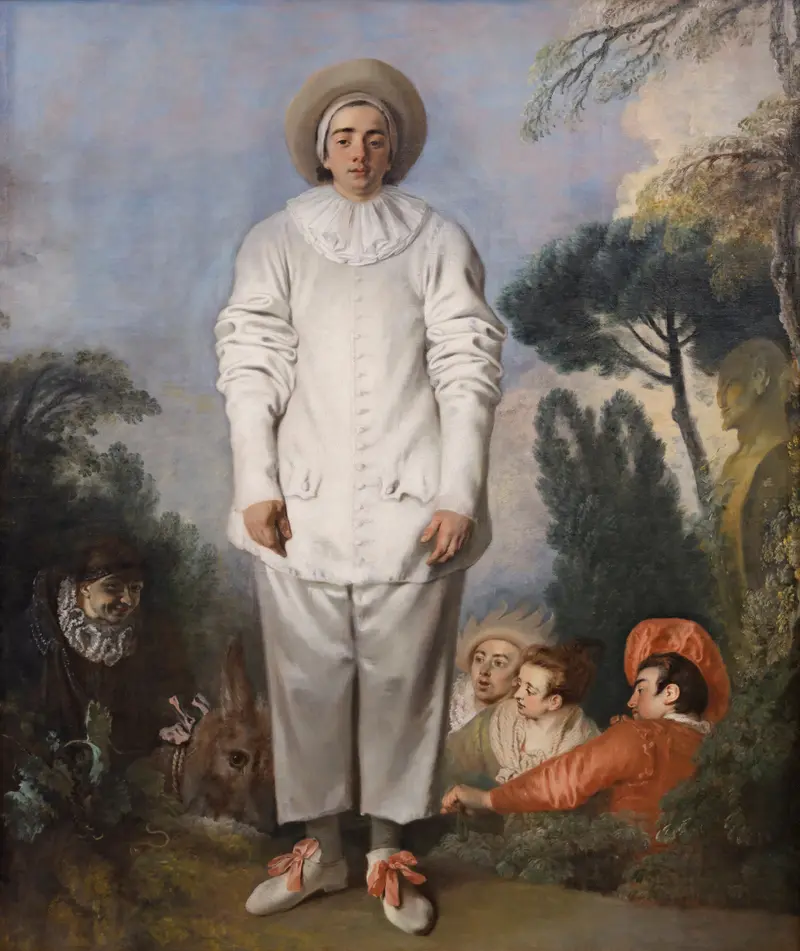
Pierrot (Gilles)
Jean-Antoine Watteau
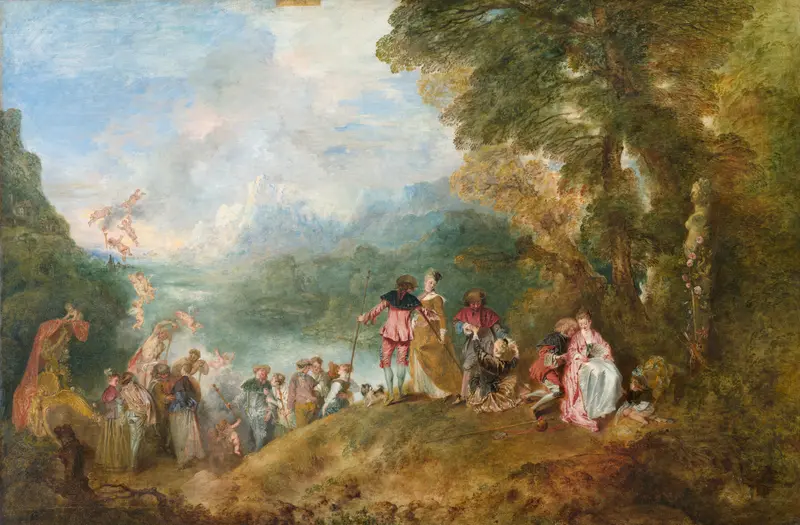
The Embarkation for Cythera
Jean-Antoine Watteau
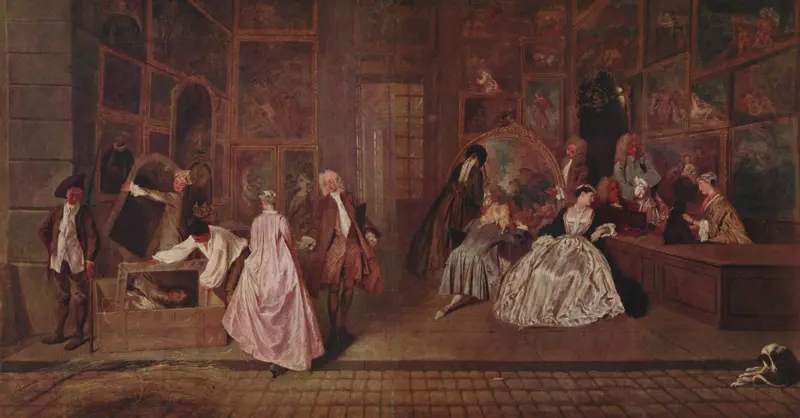
The Shop Sign of Gersaint
Jean-Antoine Watteau
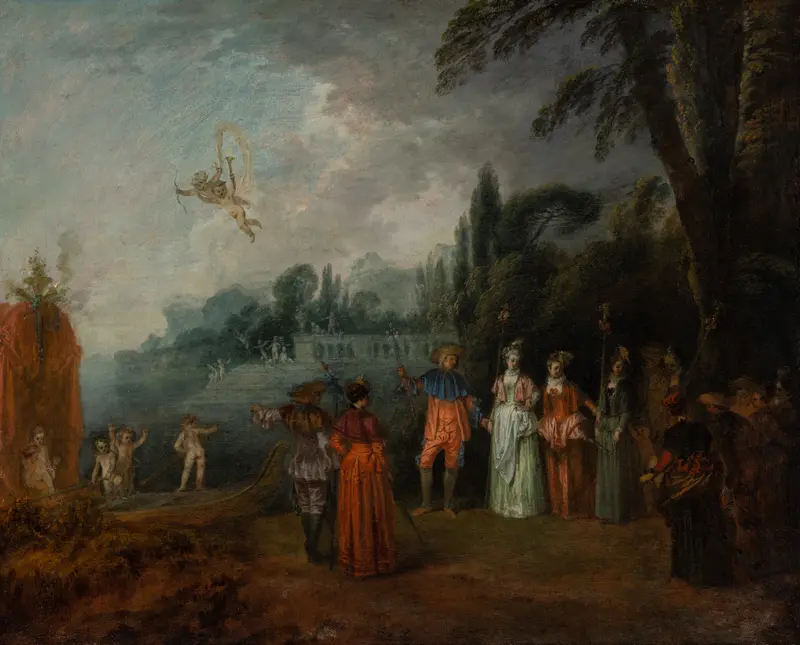
The Island of Cythera
Jean-Antoine Watteau
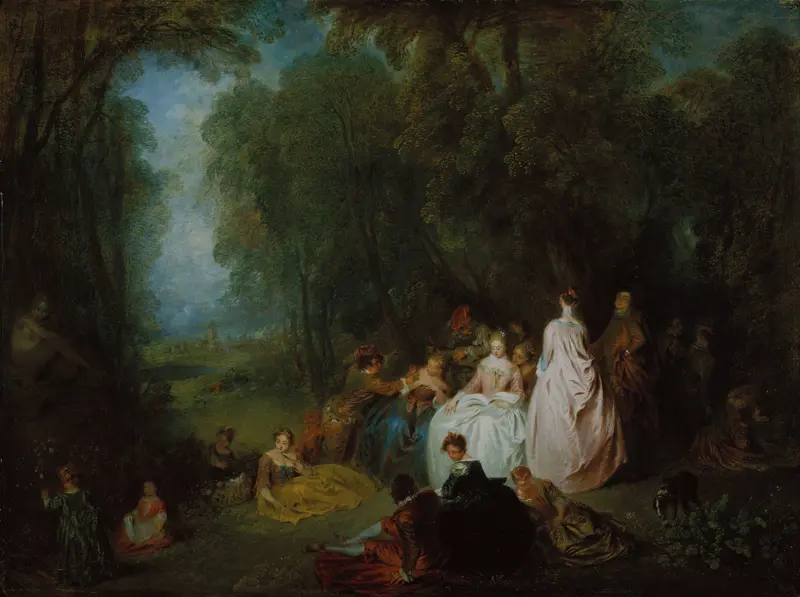
Fête champêtre (Pastoral Gathering)
Jean-Antoine Watteau
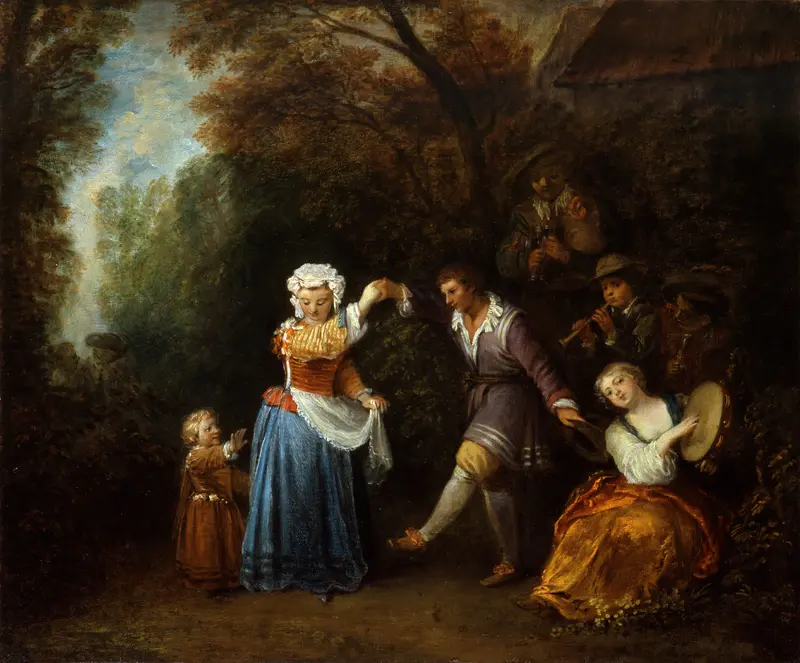
The Country Dance
Jean-Antoine Watteau

The French Comedians
Jean-Antoine Watteau
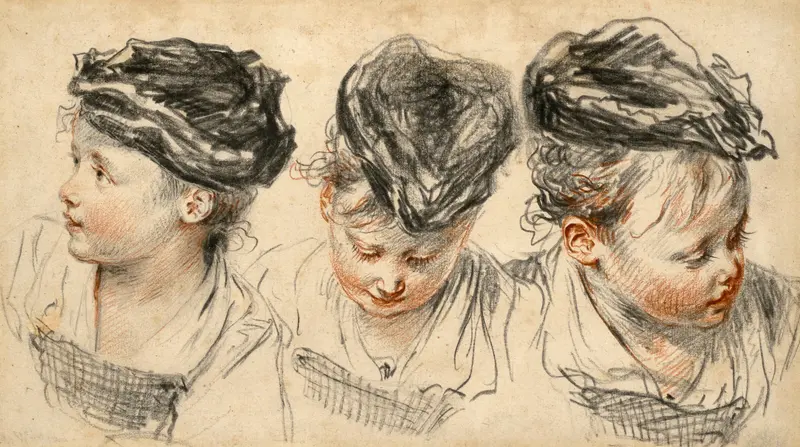
Three head studies of a girl wearing a hat
Jean-Antoine Watteau
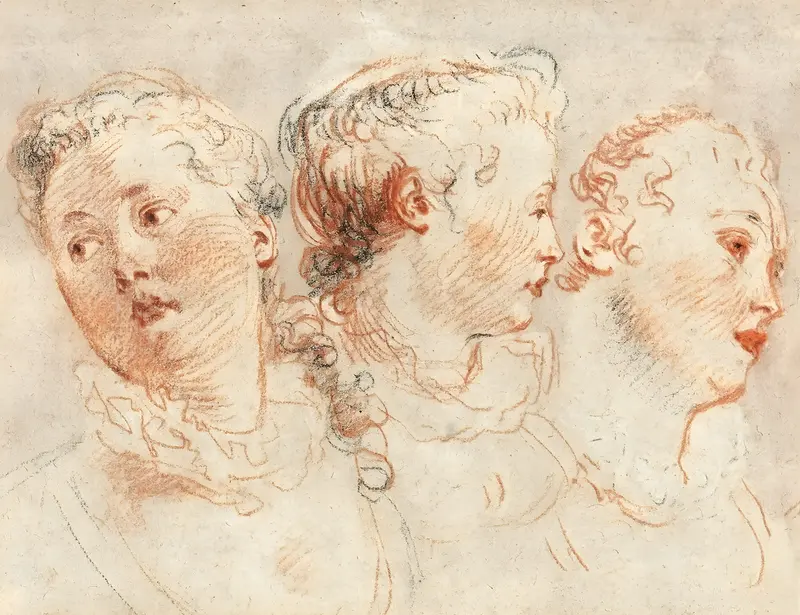
Three Studies Of The Head Of A Woman
Jean-Antoine Watteau

Portret van een dame met harlekijn
Jean-Antoine Watteau