
L'Oie — History & Facts
A single goose, rendered with the lightest touch of the etching needle, commands the center of L'Oie. The bird’s body is anchored to the ground, its head raised as if alert to some distant sound or movement, while a second, more shadowy form lingers in the background. The sparse, almost hesitant lines of the print invite the viewer to linger over each detail: the gentle curve of the goose’s neck, the suggestion of wind in the grasses, the delicate tracery of branches.
Morisot’s hand is unmistakable here—her ability to conjure atmosphere from the simplest marks, to make the quiet drama of a garden scene feel immediate and alive. Works like this print belong to a world where the boundaries between drawing and finished art were dissolving. In late nineteenth-century France, artists such as Berthe Morisot—one of the few women at the heart of the Impressionist circle—experimented with printmaking as a way to capture fleeting impressions and intimate moments. These prints were rarely grand commissions; instead, they were often made for friends, collectors, or simply for the artist’s own exploration.
History has kept few traces of individual prints like L'Oie, but in its quietness, the work echoes the spirit of an era hungry for new ways of seeing. Notice how the empty space around the goose amplifies its solitude, drawing you back to the print’s gentle, searching lines.
More Artworks by Berthe Morisot

The Harbor at Lorient
Berthe Morisot
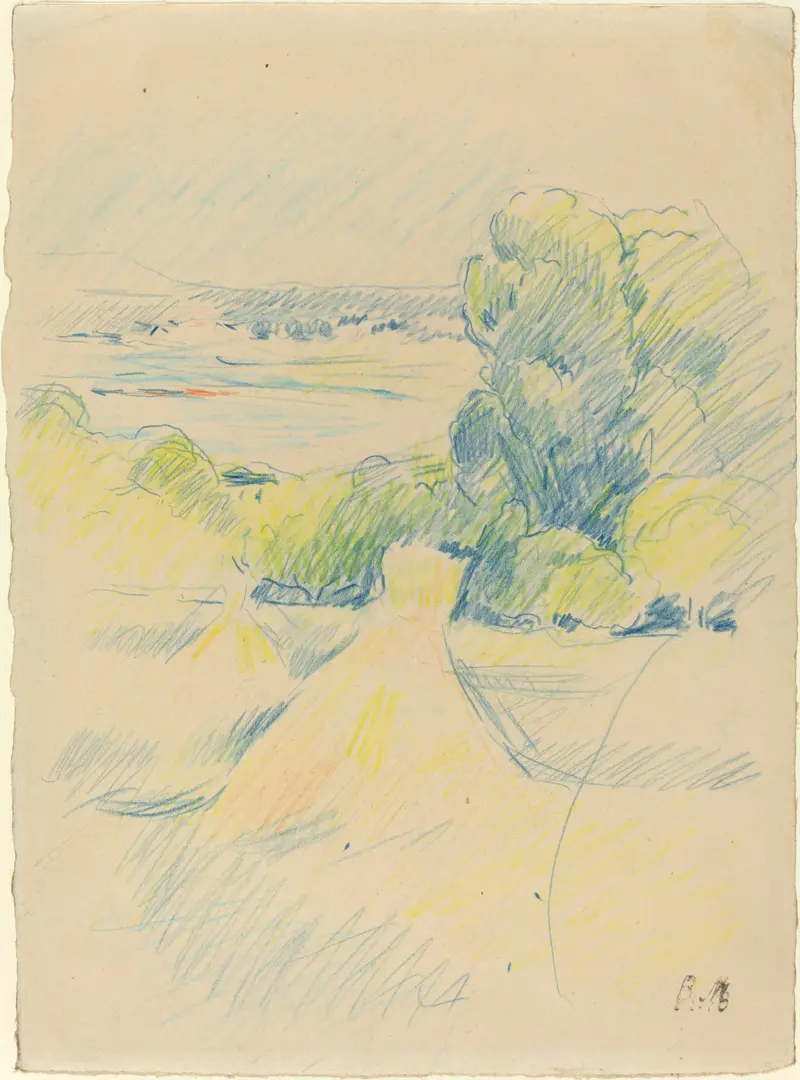
Landscape
Berthe Morisot

Hanging the Laundry out to Dry
Berthe Morisot

Woman in a Garden
Berthe Morisot

Young Girl with Hat
Berthe Morisot
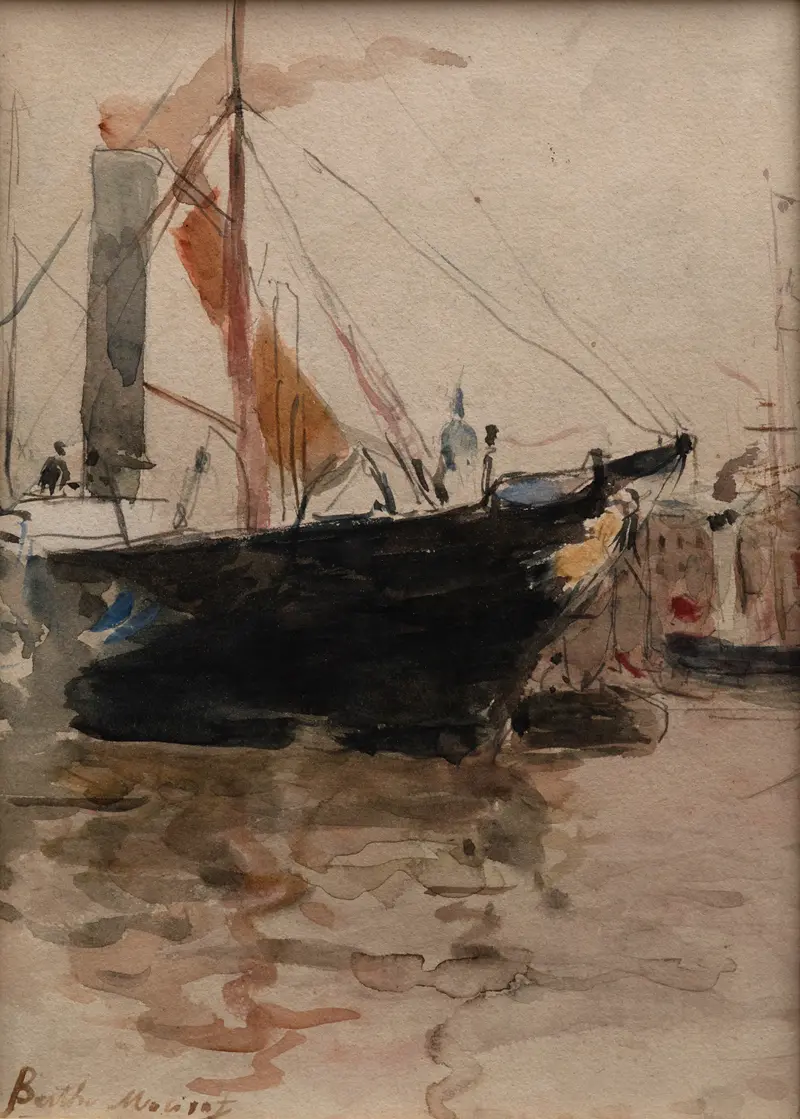
Harbor Scene, Isle of Wight
Berthe Morisot
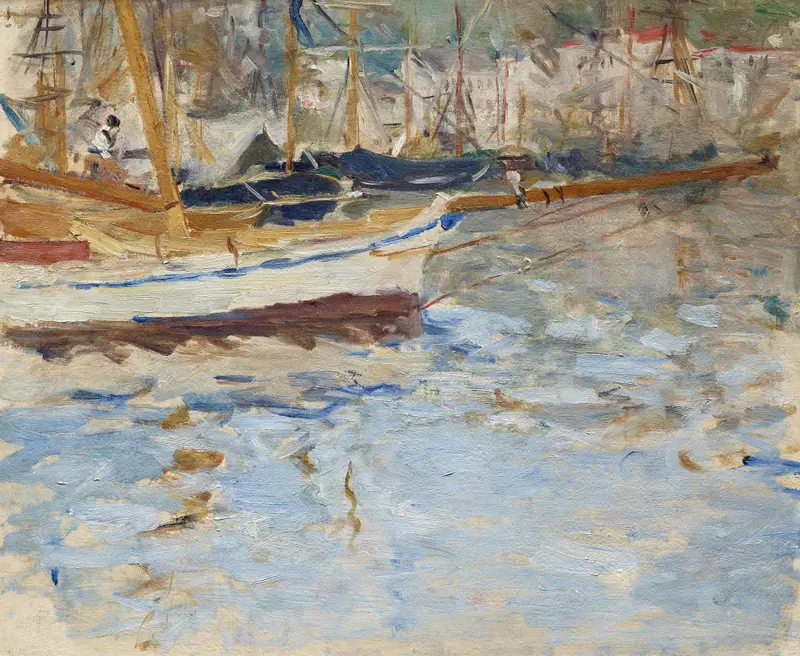
The Port of Nice
Berthe Morisot
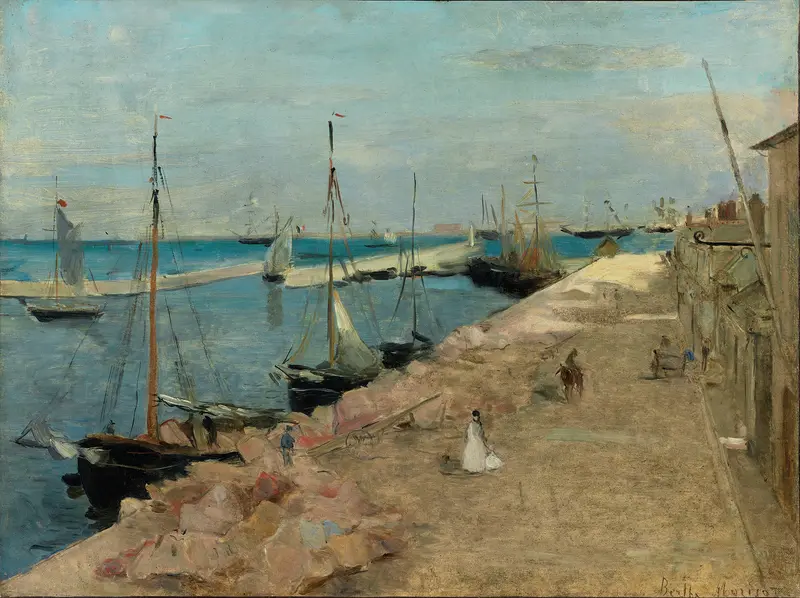
The Harbor at Cherbourg
Berthe Morisot

The Mother and Sister of the Artist
Berthe Morisot
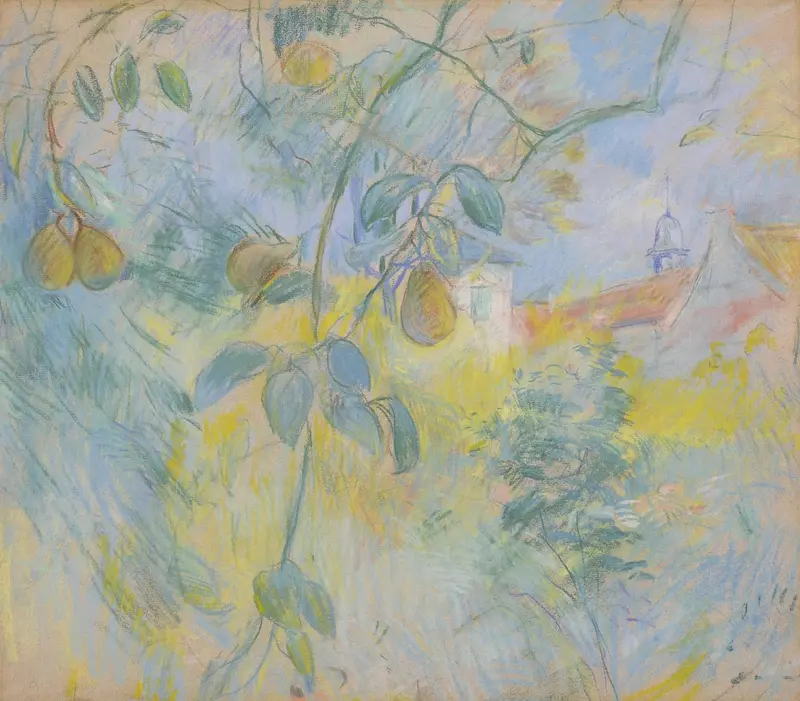
Les Poires
Berthe Morisot





