
La Belle Zélie — History & Facts
When La Belle Zélie was first exhibited at the Paris Salon of 1806, the painting drew attention for its enigmatic title, which was not the sitter’s real name but a playful allusion to a popular song of the era. The identity of the model remains a subject of speculation; some suggest she was a professional model, while others believe she may have been a woman from Jean Auguste Dominique Ingres’s social circle. The painting’s languorous pose and ambiguous expression led critics to comment on its sensuality, a quality that was both admired and questioned in early 19th-century France.
This ambiguity of identity and mood has kept viewers guessing for over two centuries. The sitter reclines in a three-quarter pose, her bare shoulders emerging from a loose white chemise, hair arranged in a dark, heavy coil. Her gaze, turned away from the viewer, is both inviting and distant—a look that suggests both self-possession and vulnerability. The soft modeling of her flesh, the delicate play of light across her skin, and the elongated neck are all hallmarks of Ingres’s early style, already hinting at the mannered grace he would later perfect.
The painting’s cool palette and smooth, almost porcelain surface set it apart from the more tactile, earthy portraits of Jacques-Louis David, Ingres’s teacher, whose sitters often meet the viewer’s eye directly. Here, the jewelry—a simple gold chain—adds a note of refinement, but also serves to emphasize the sitter’s exposed throat, heightening the painting’s charged intimacy. La Belle Zélie is one of the earliest surviving portraits by Ingres, painted when he was just twenty-six and still establishing his reputation in Paris. The work has passed through several private collections and was not widely known until the late 19th century, when it began to be recognized as a key early example of Ingres’s portraiture.
Today, it is housed in the Musée des Beaux-Arts in Orléans, where it offers a glimpse of the artist’s evolving approach to the female form—a subject he would return to throughout his long career. The painting’s uncertain origins and the mystery of its sitter continue to fascinate scholars and visitors alike.
More Artworks by Jean Auguste Dominique Ingres
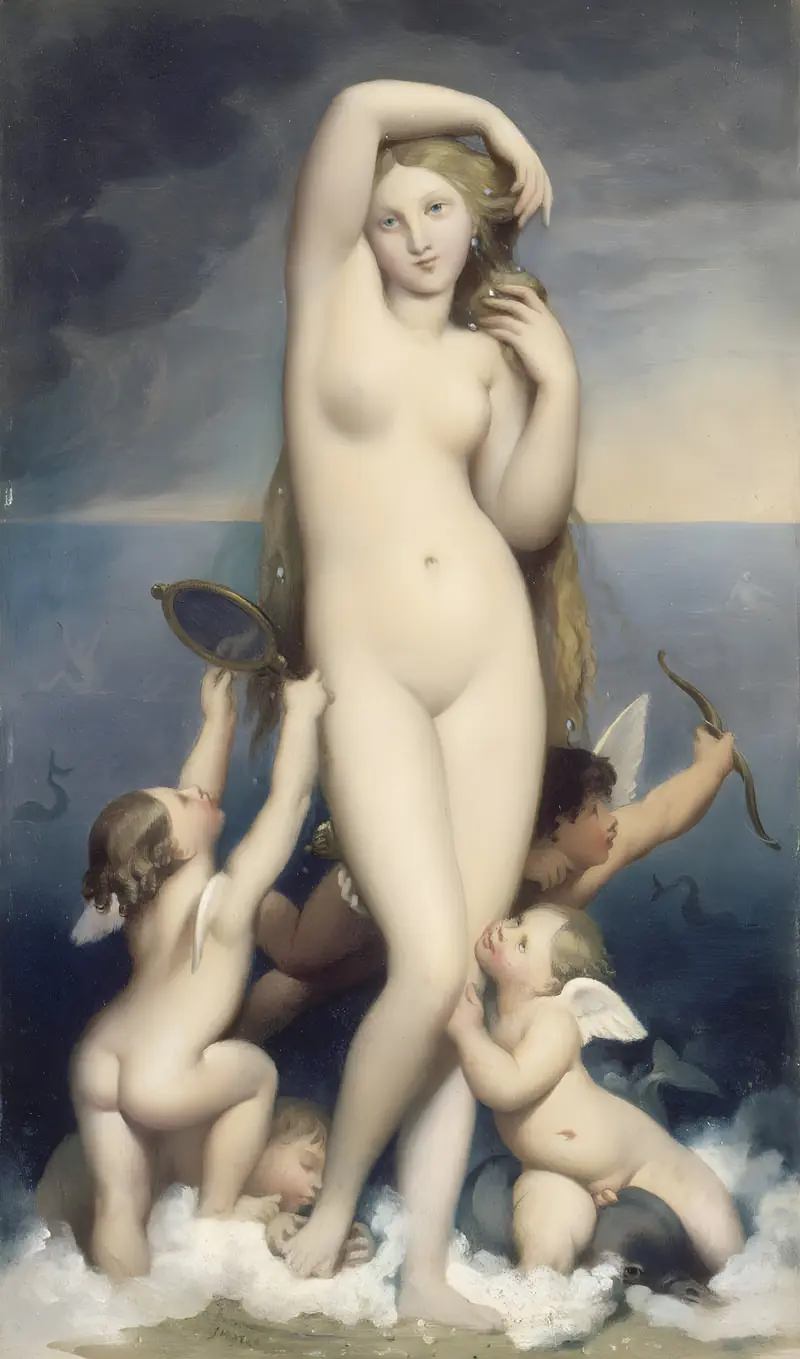
Vénus anadyomène
Jean Auguste Dominique Ingres
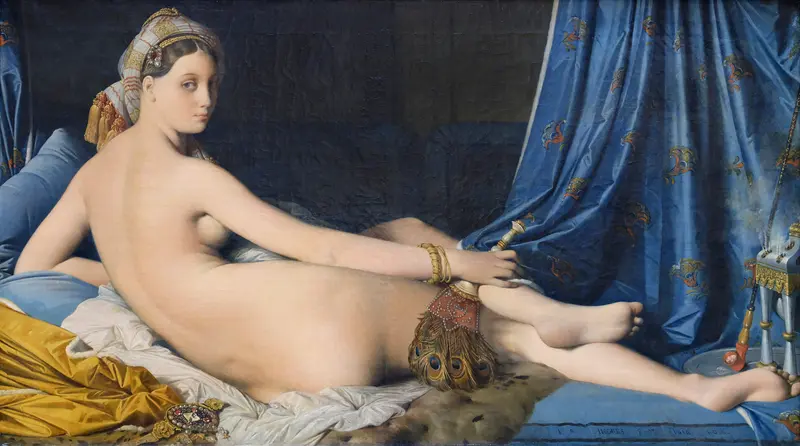
Grande Odalisque
Jean Auguste Dominique Ingres
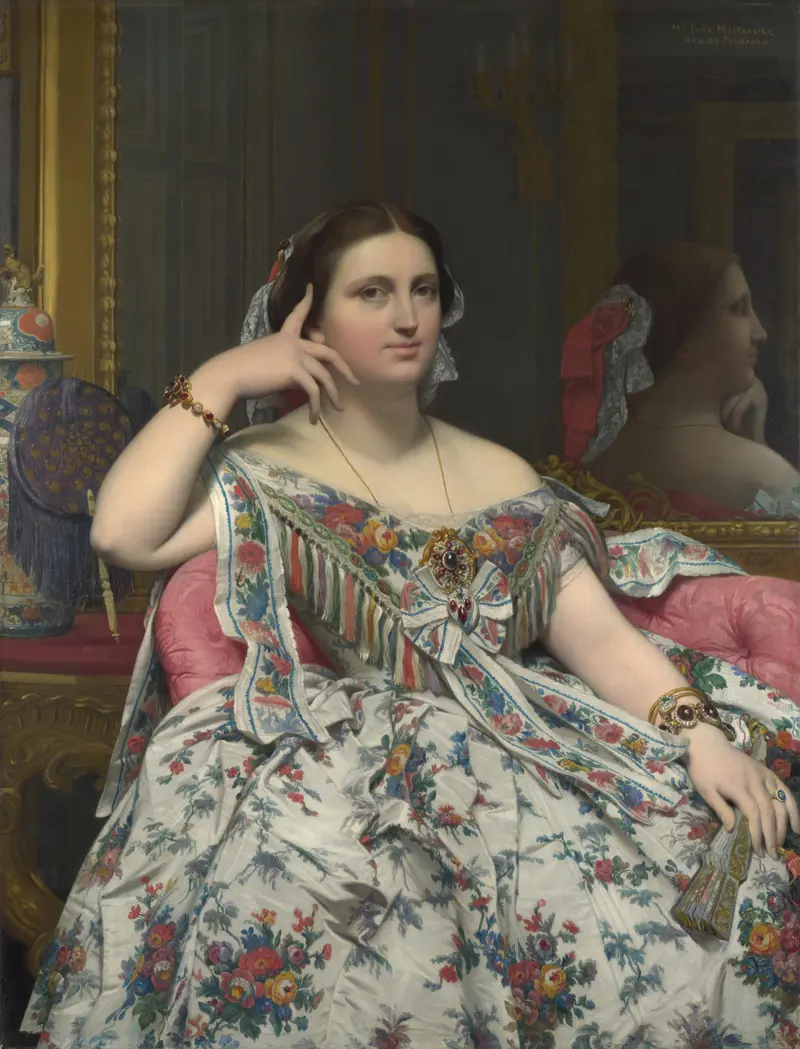
Madame Moitessier (seated)
Jean Auguste Dominique Ingres
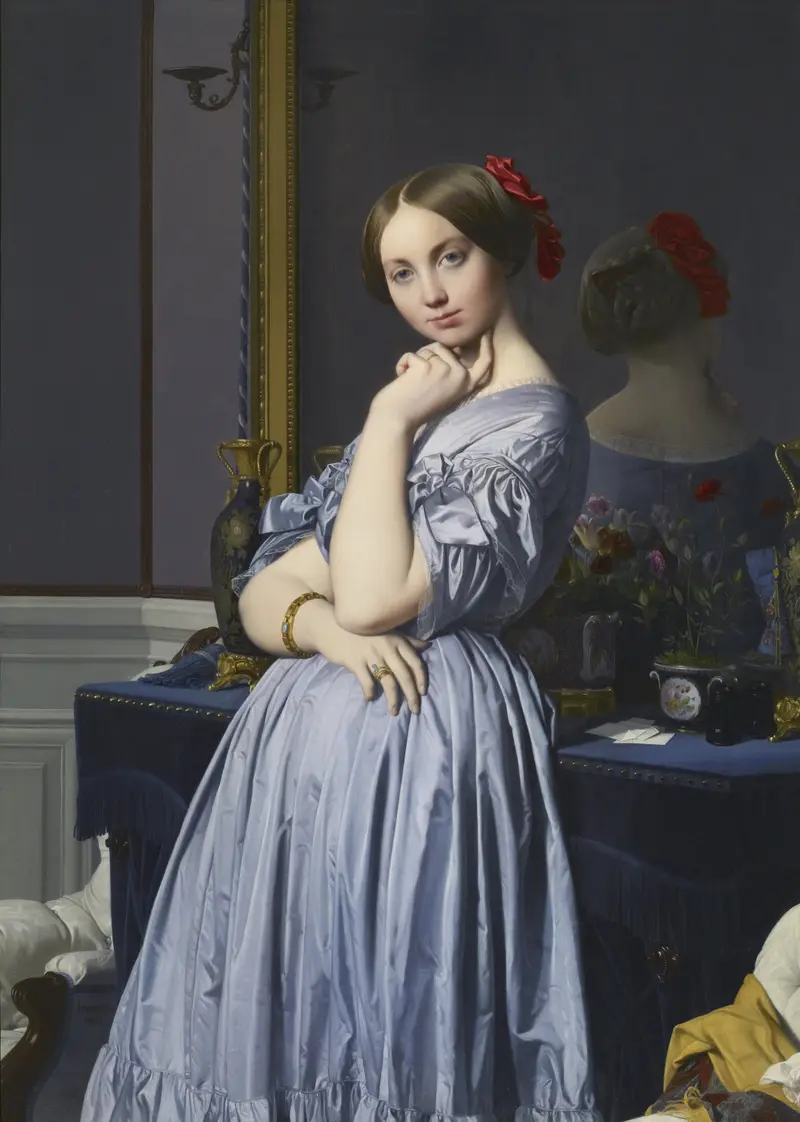
Portrait of Comtesse d’Haussonville
Jean Auguste Dominique Ingres
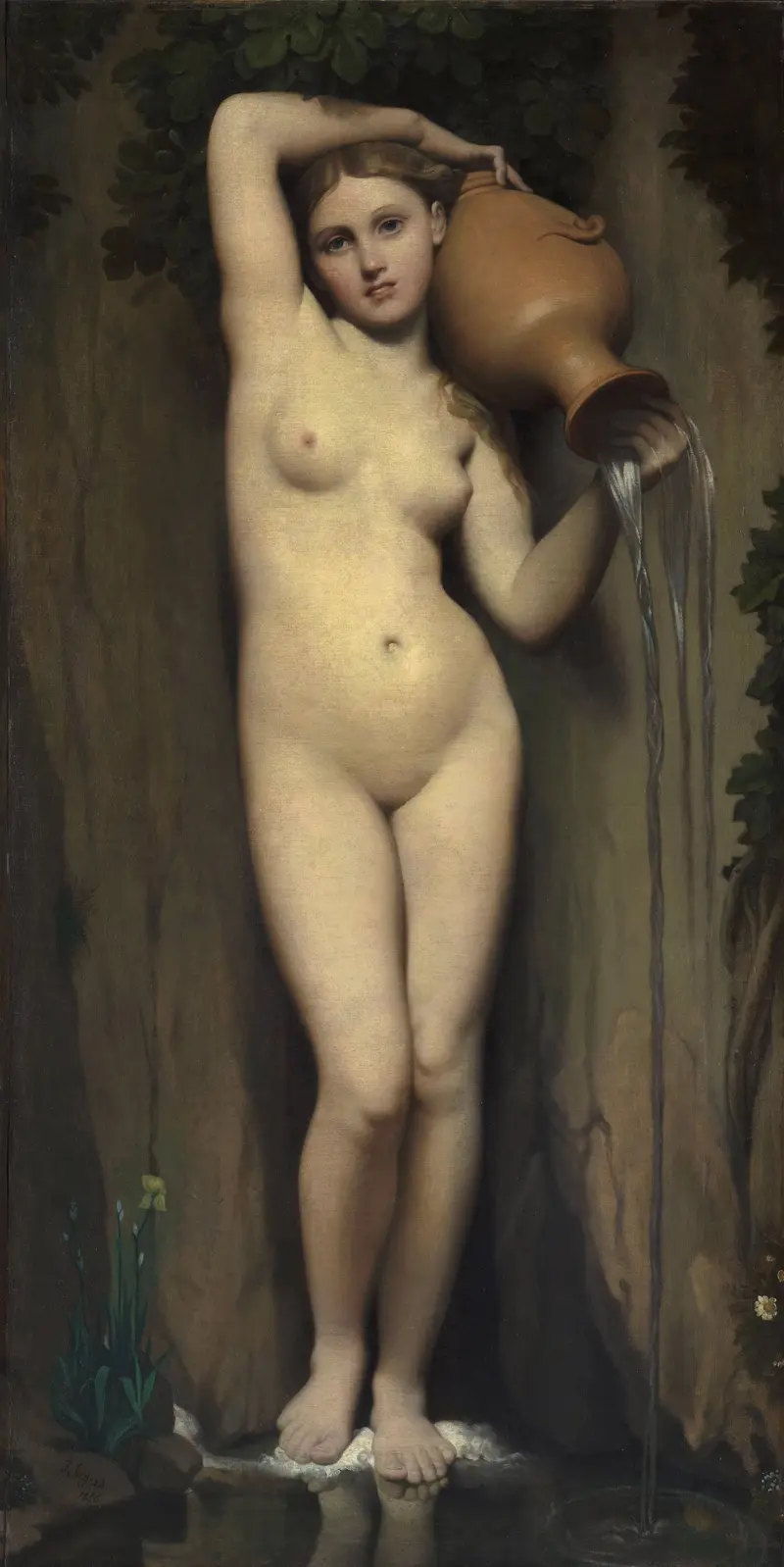
The Source
Jean Auguste Dominique Ingres
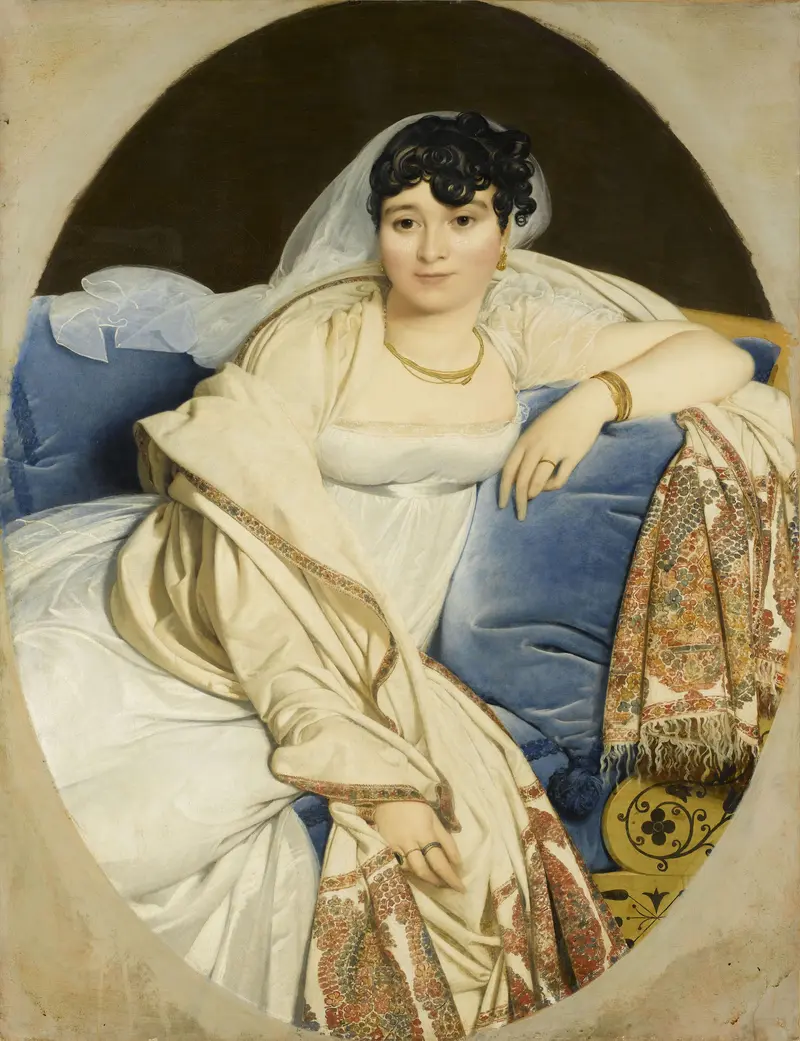
Madame Rivière
Jean Auguste Dominique Ingres

Madame Jean-Auguste-Dominique Ingres, née Madeleine Chapelle
Jean Auguste Dominique Ingres

Portrait of a Lady
Jean Auguste Dominique Ingres
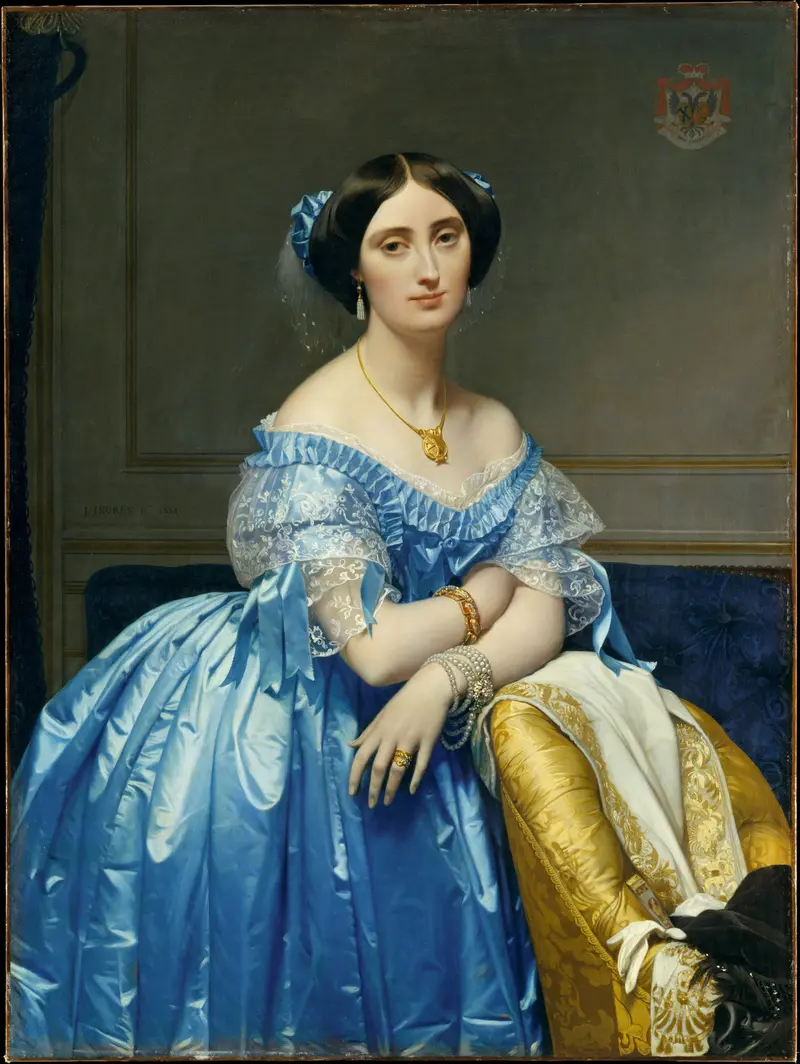
Joséphine-Éléonore-Marie-Pauline de Galard de Brassac de Béarn (1825–1860), Princesse de Broglie
Jean Auguste Dominique Ingres
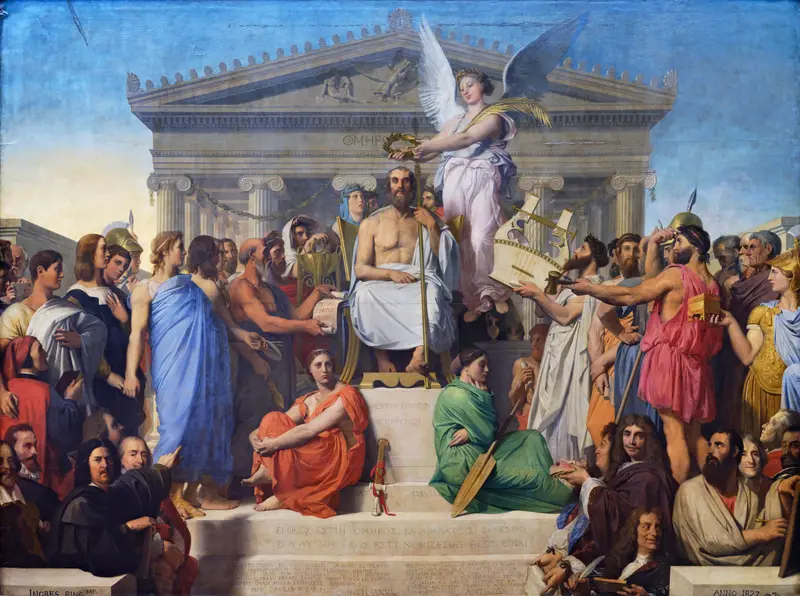
The Apotheosis of Homer
Jean Auguste Dominique Ingres





