
La Chapelle Sainte Étienne — History & Facts
In the quiet solitude of La Chapelle Sainte Étienne, destiny unfolds within the soft embrace of nature and architecture. The passing of time whispers through the trees, their leaves dancing in the gentle breeze, as the chapel stands resolute amidst the encroaching wildness. This moment encapsulates the serene intersection of human craftsmanship and the indomitable force of nature. Look closely at the chapel, anchored in the composition.
Notice how the warm tones of earth and stone create an inviting harmony with the cool greens surrounding it. The play of light filters through the foliage, casting dappled shadows that lend an ethereal quality to the scene. Your gaze will naturally cascade down from the beautifully rendered roof to the textured walls, where each stroke tells a story of resilience and history.
The artist’s adept use of depth invites you to step into this tranquil retreat. Beyond its picturesque façade, the painting speaks of contrasts and connections. The juxtaposition of the sturdy structure against the soft, enveloping greenery suggests a dialogue between human ambition and nature's unyielding presence. The chapel, while a symbol of faith, also represents an era's longing for permanence amidst the inevitable march of time.
Each brushstroke breathes life into the interplay of light and shadow, reflecting an internal struggle between solitude and serenity. In 1876, Harpignies created this piece during a period of artistic exploration in France, as the Impressionist movement gained momentum. He was deeply influenced by the natural beauty surrounding him, often painting en plein air to capture the essence of the landscapes. This was a time when artists sought new expressions of reality, and La Chapelle Sainte Étienne exemplifies that shift, merging the spiritual with the ephemeral, forever encapsulating a moment destined to linger in memory.
More Artworks by Henri-Joseph Harpignies
Browse all →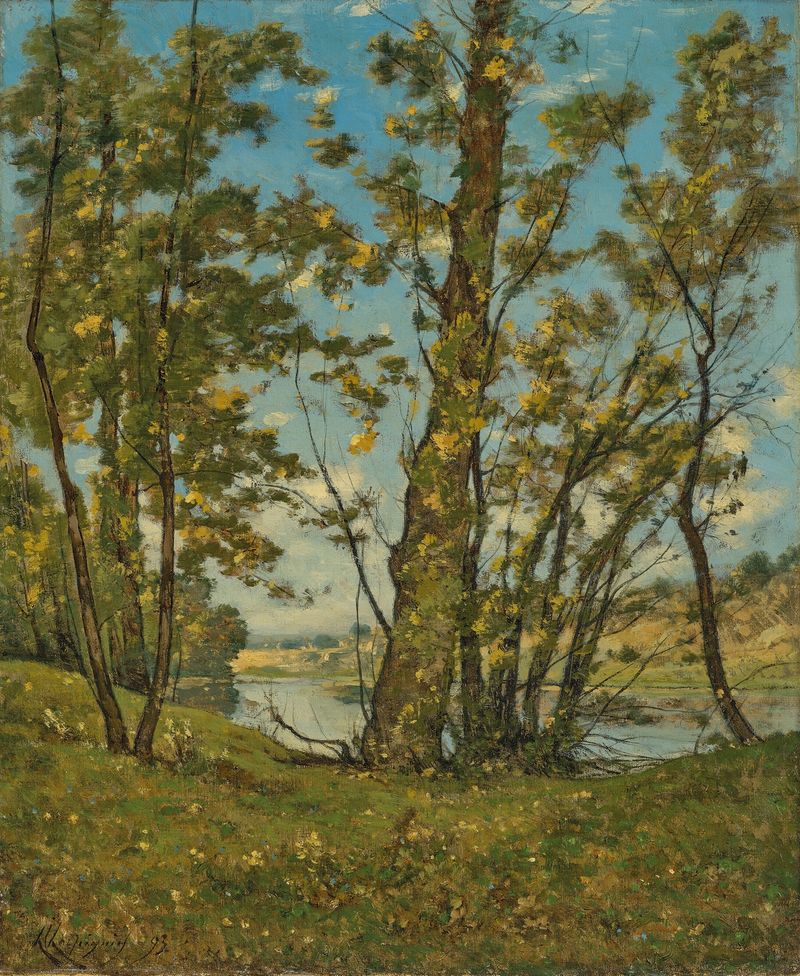
La Loire à Bonny
Henri-Joseph Harpignies
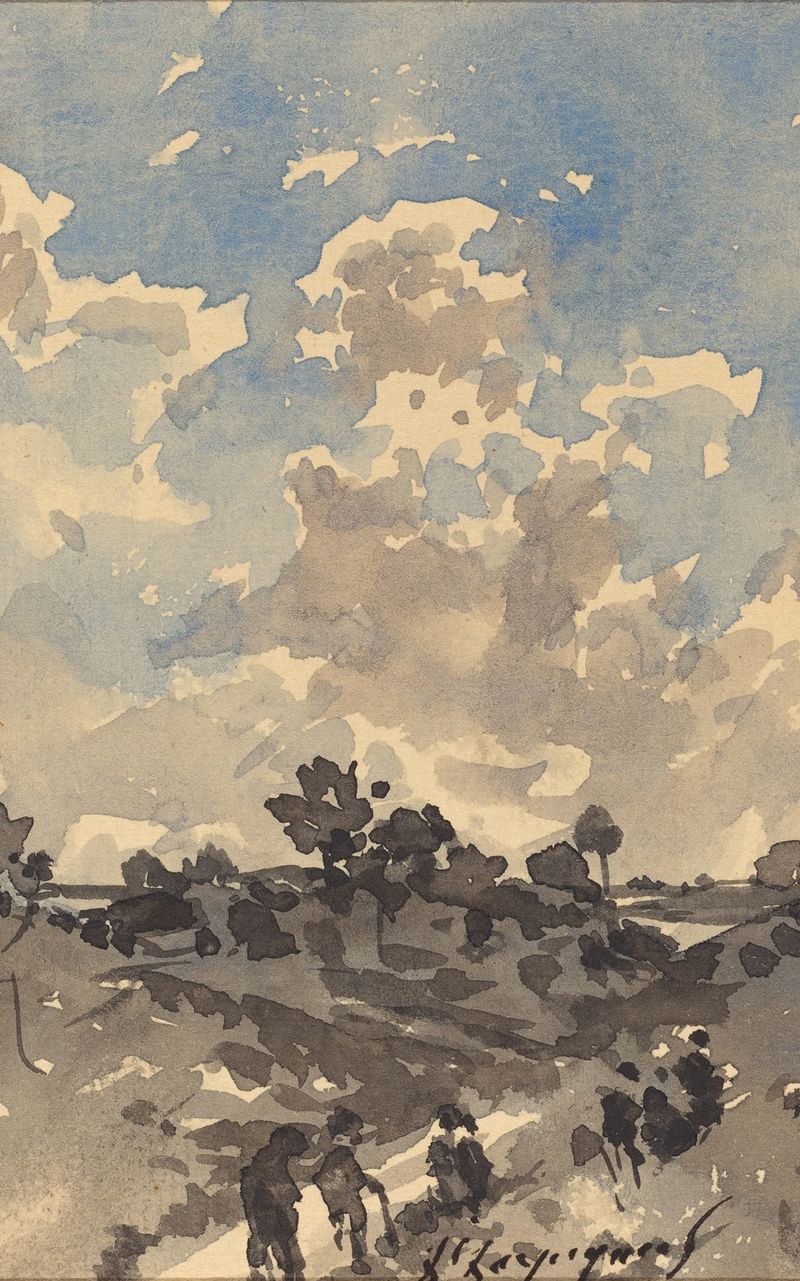
A Landscape with Figures Walking along a Path
Henri-Joseph Harpignies
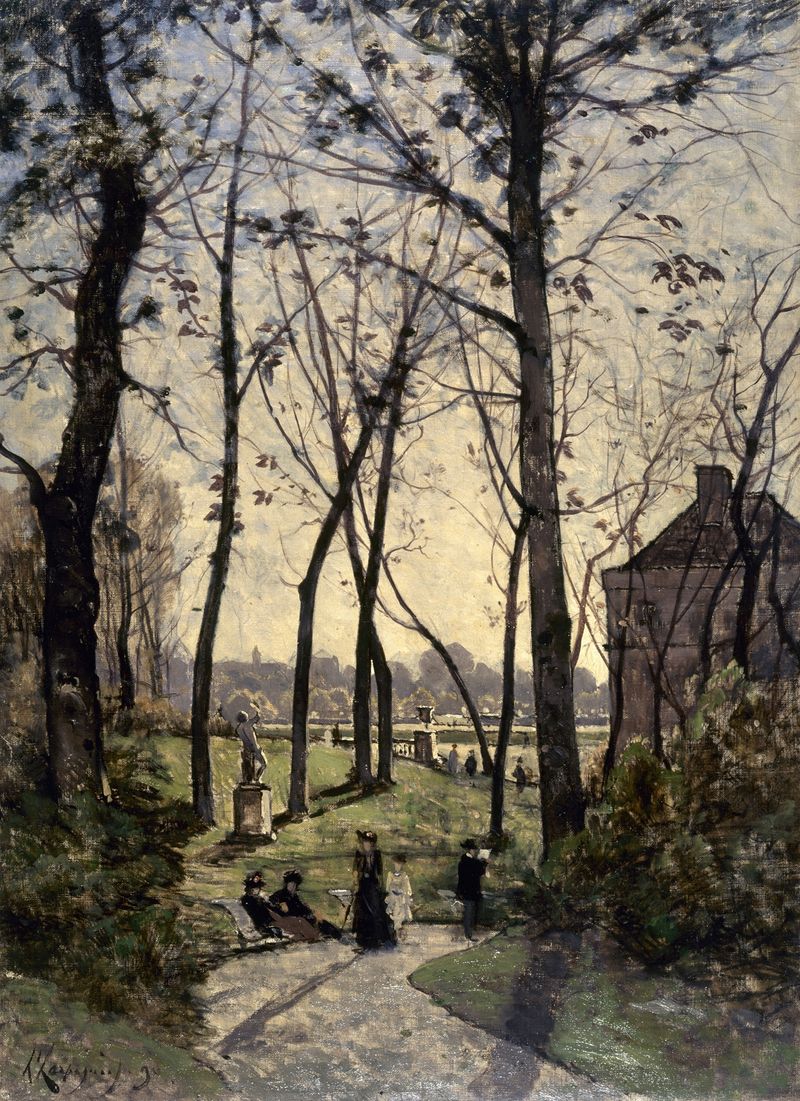
Le jardin du Luxembourg
Henri-Joseph Harpignies
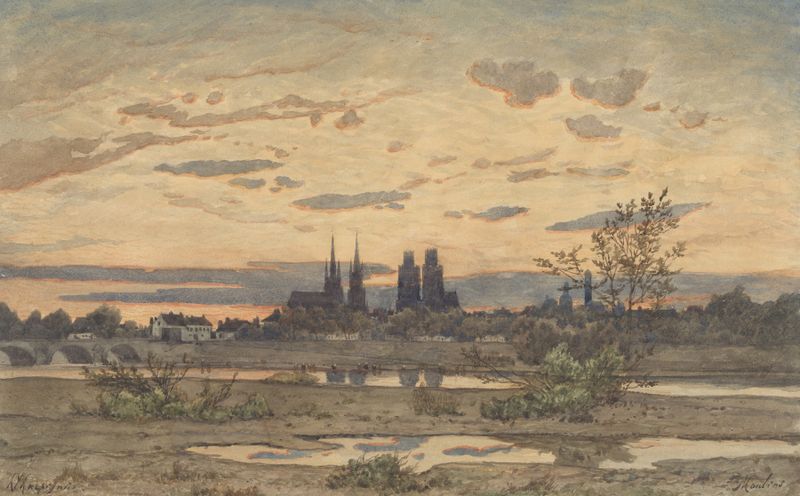
A View of Moulins
Henri-Joseph Harpignies
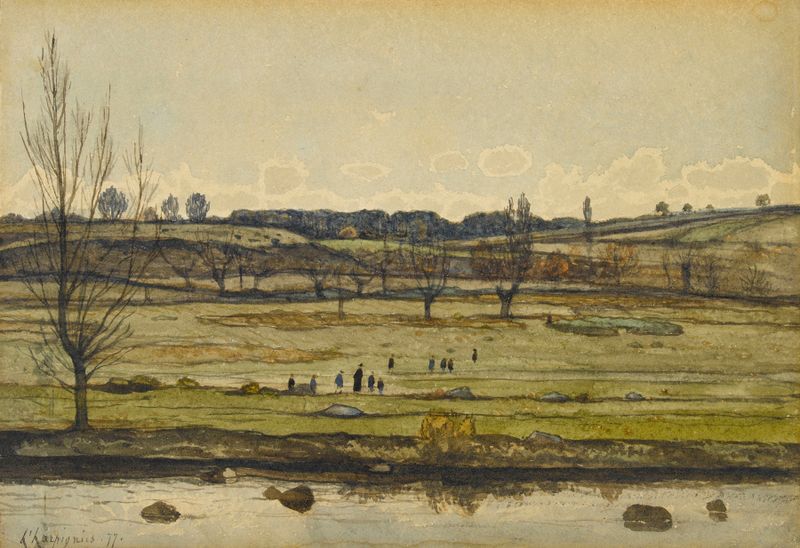
Paysage
Henri-Joseph Harpignies
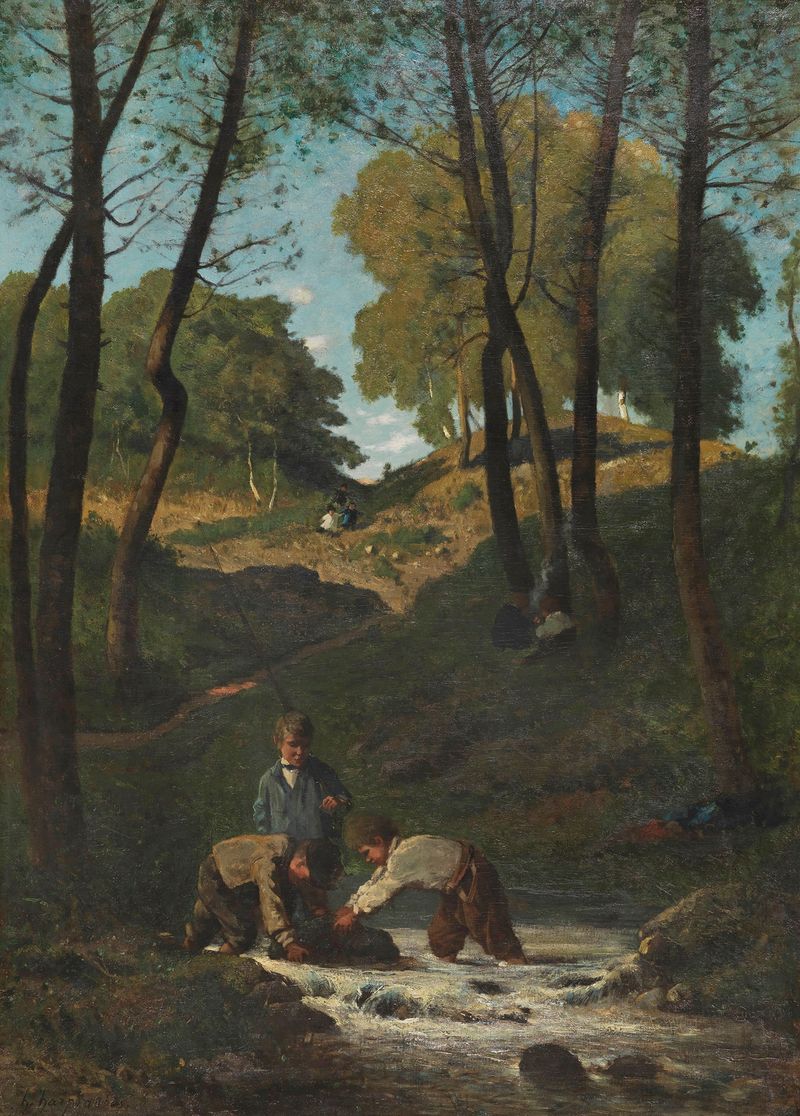
Chercheurs d’écrevisses
Henri-Joseph Harpignies
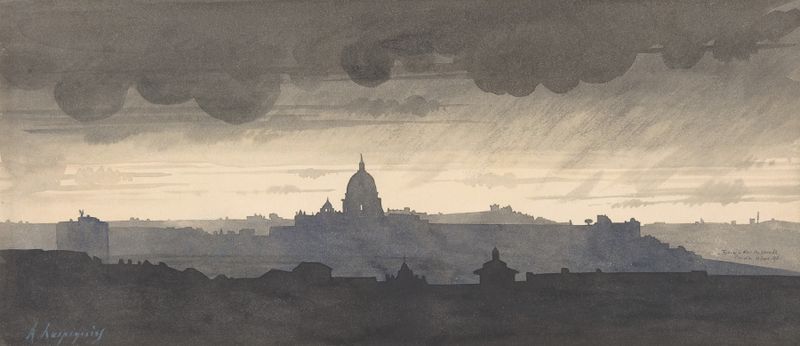
Saint Peter’s Seen From the Pincio, Rome
Henri-Joseph Harpignies
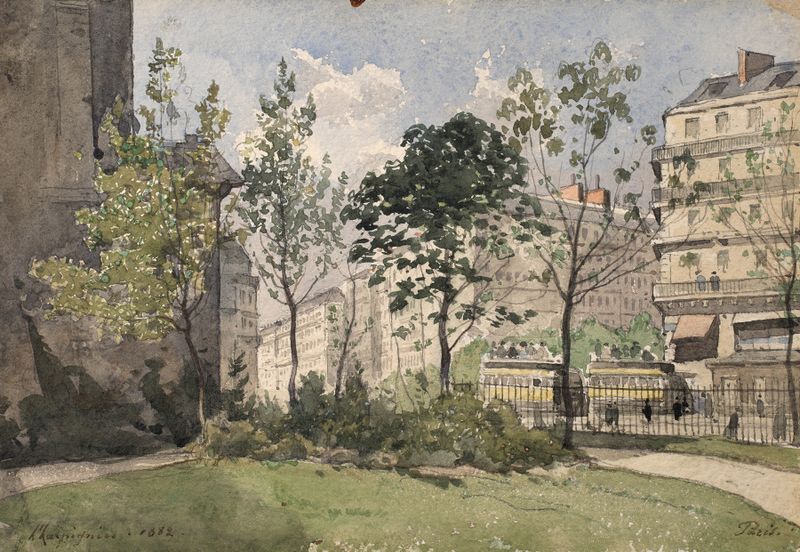
View of the forecourt of the Saint-Germain-des-Prés church
Henri-Joseph Harpignies
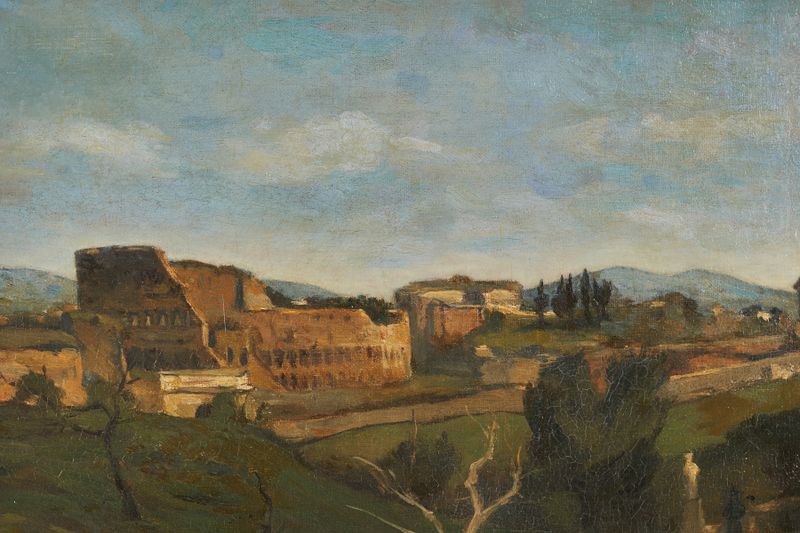
Le Colisée à Rome
Henri-Joseph Harpignies

Villefranche
Henri-Joseph Harpignies
More Architecture Art
Browse all →
The statue of Liberty
Frédéric Auguste Bartholdi

View of Houses in Delft, Known as ‘The Little Street’
Johannes Vermeer

View of Houses in Delft, Known as ‘The Little Street’
Johannes Vermeer

The Cathedral in Rouen. The portal, Grey Weather
Claude Monet

The yellow house
Vincent van Gogh

The Church in Auvers-sur-Oise, View from the Chevet
Vincent van Gogh