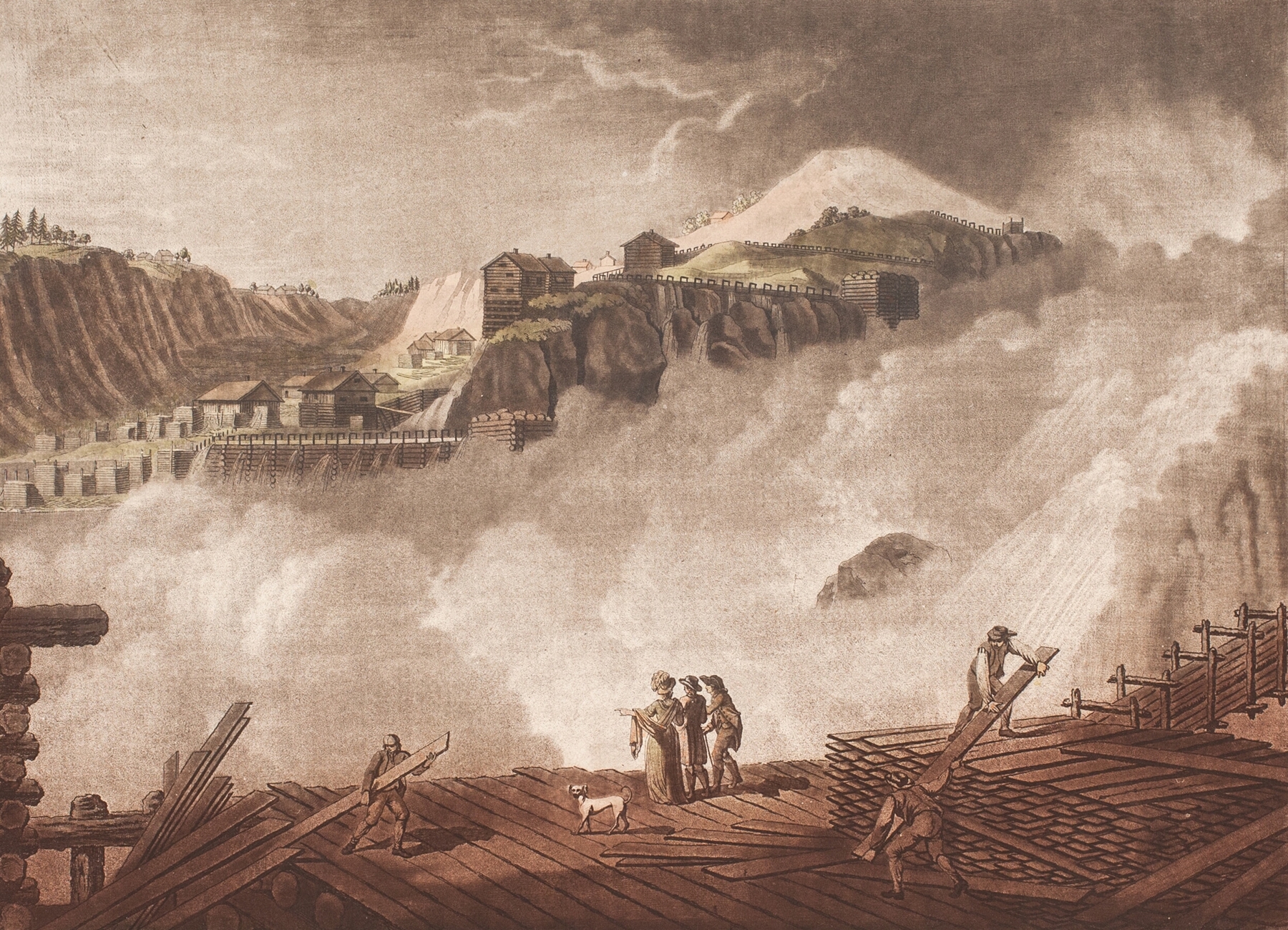
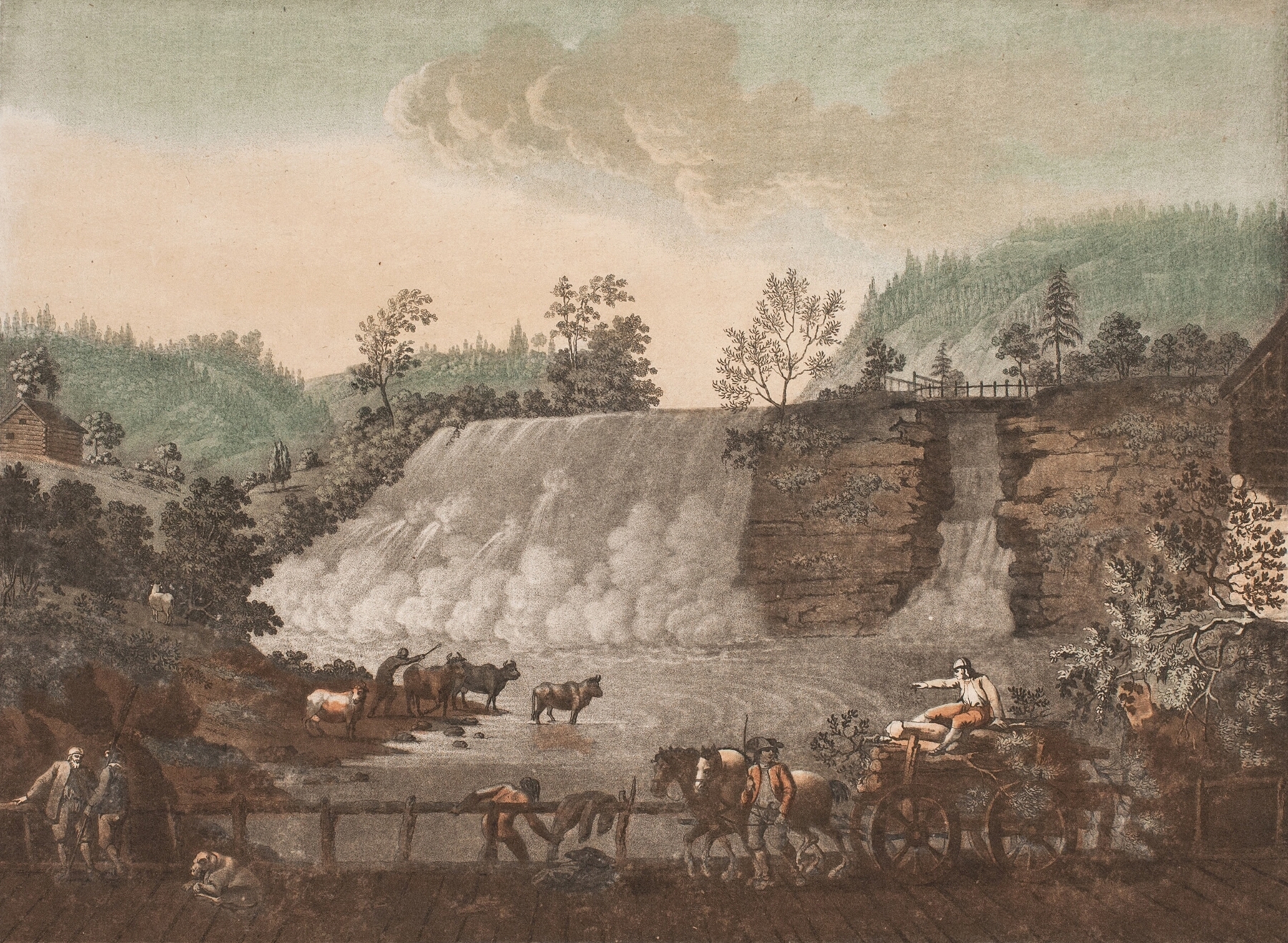
La citadelle de Frideriksteen — History & Analysis
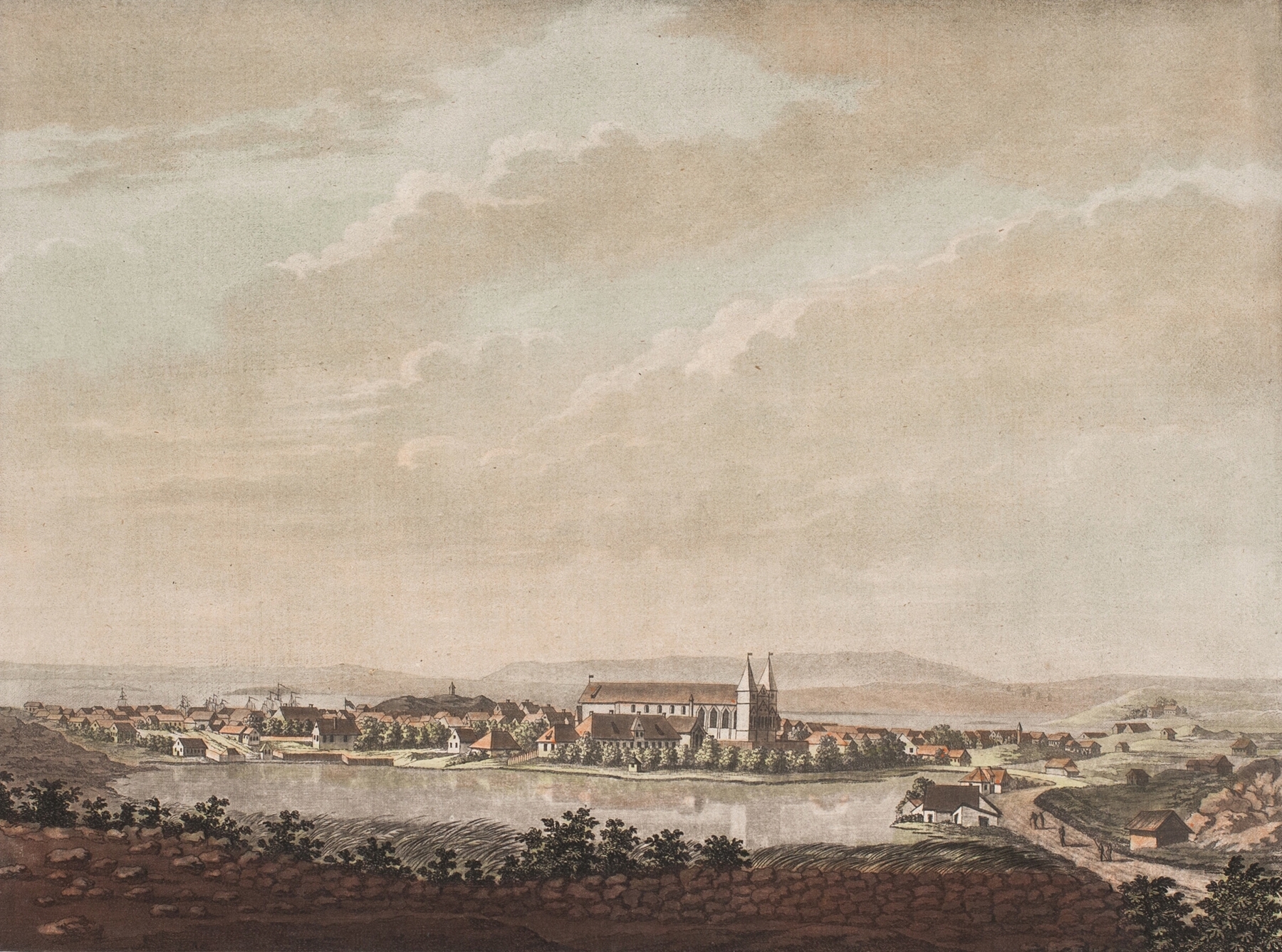
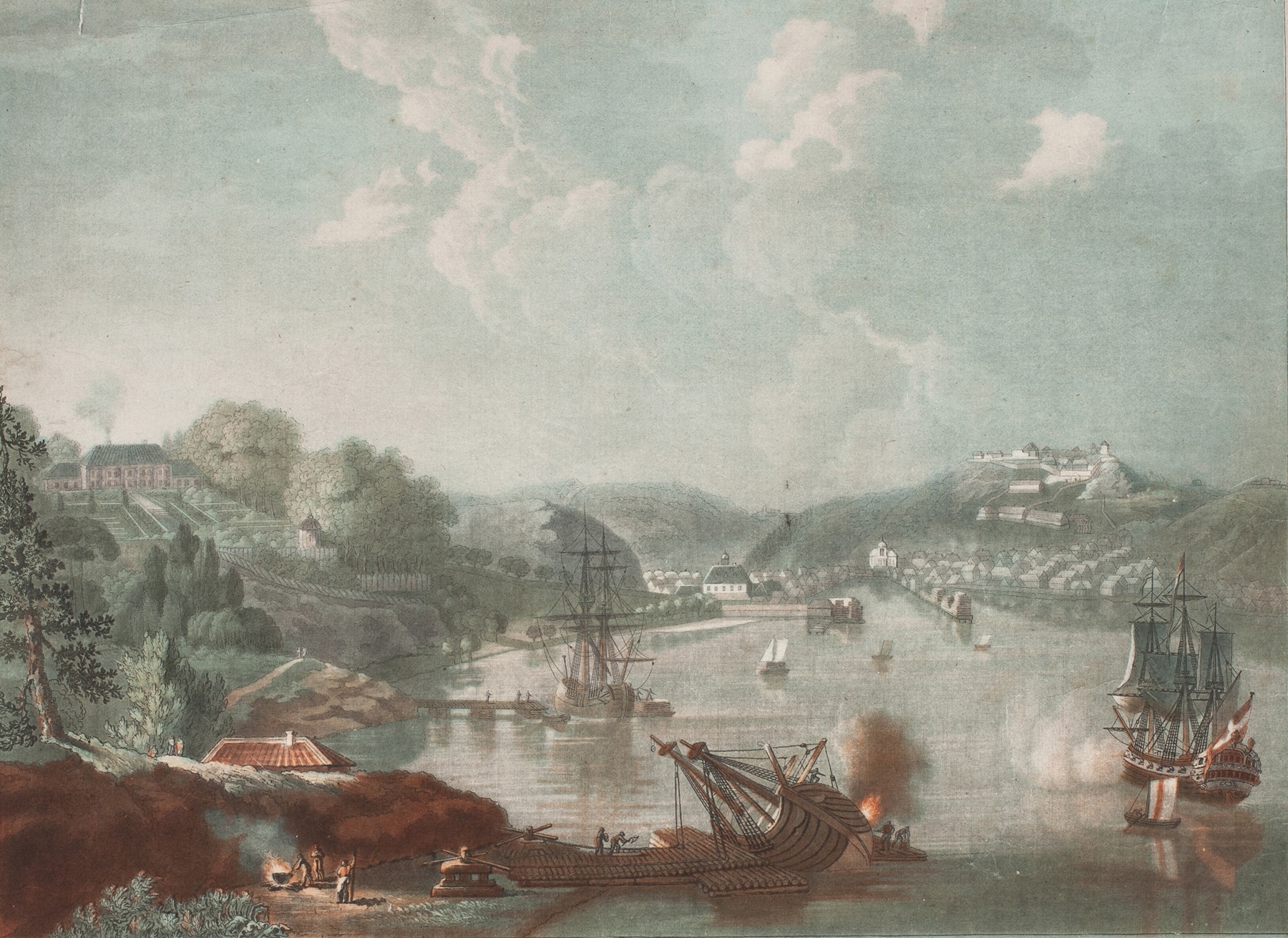
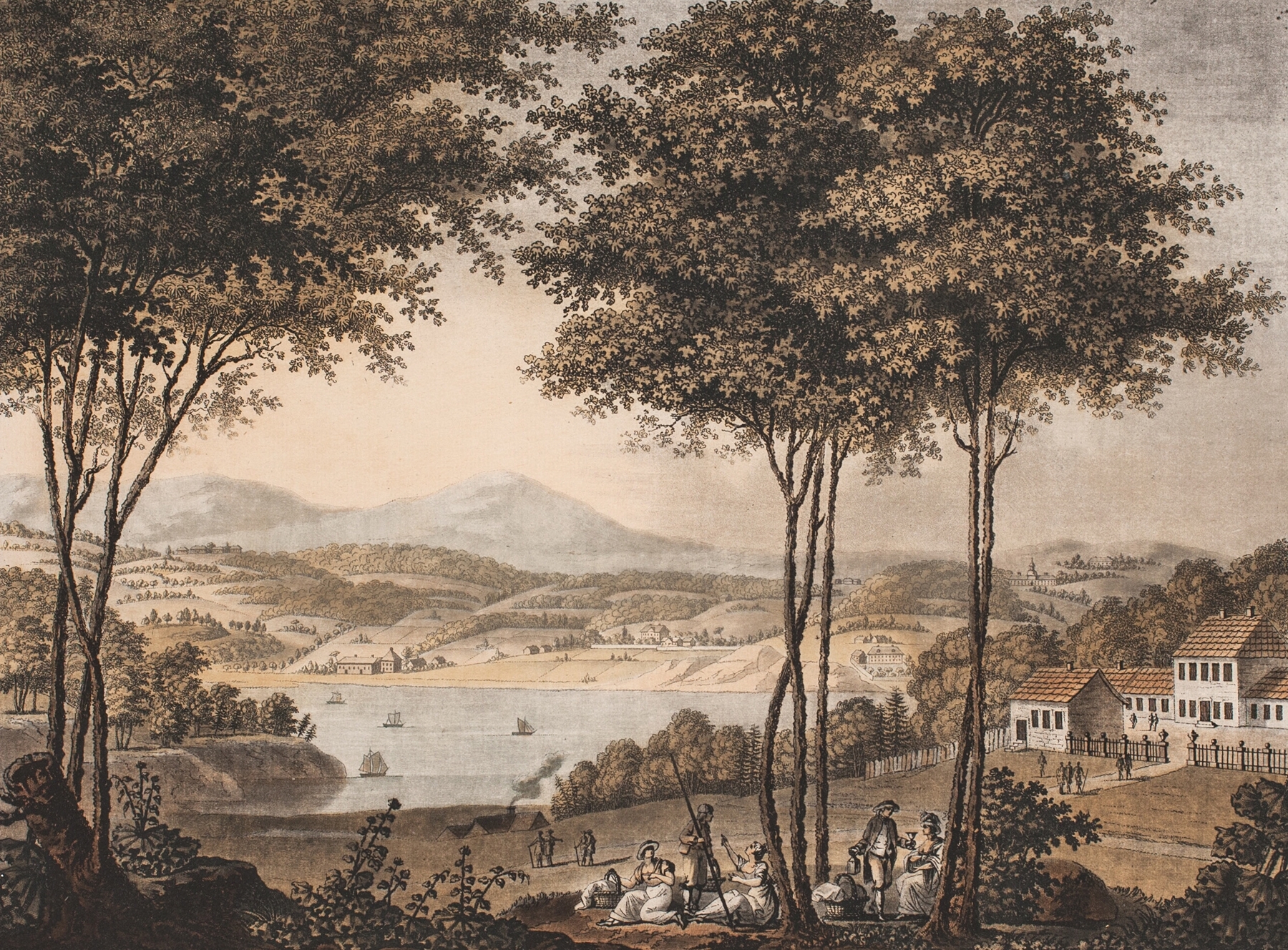
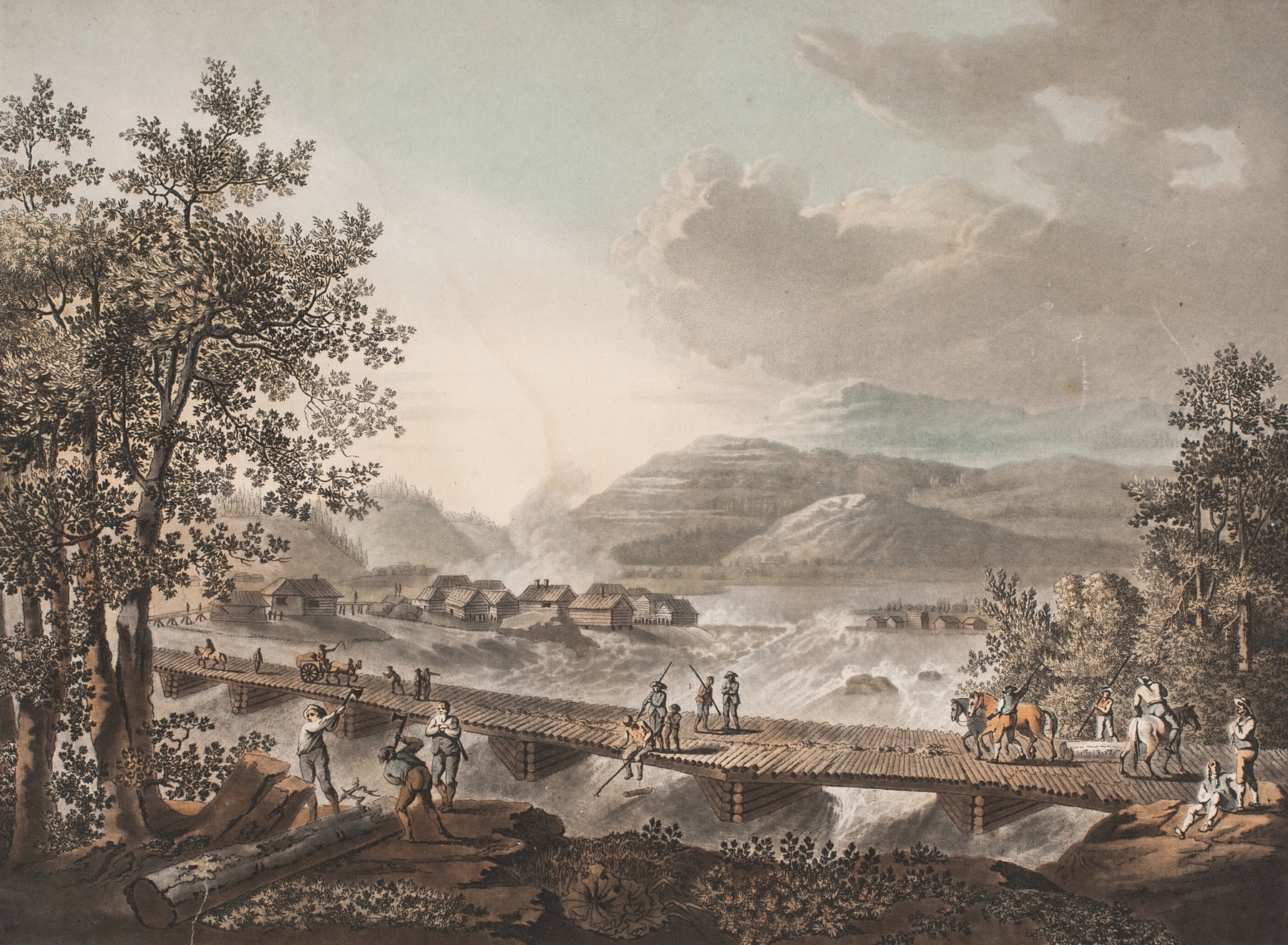
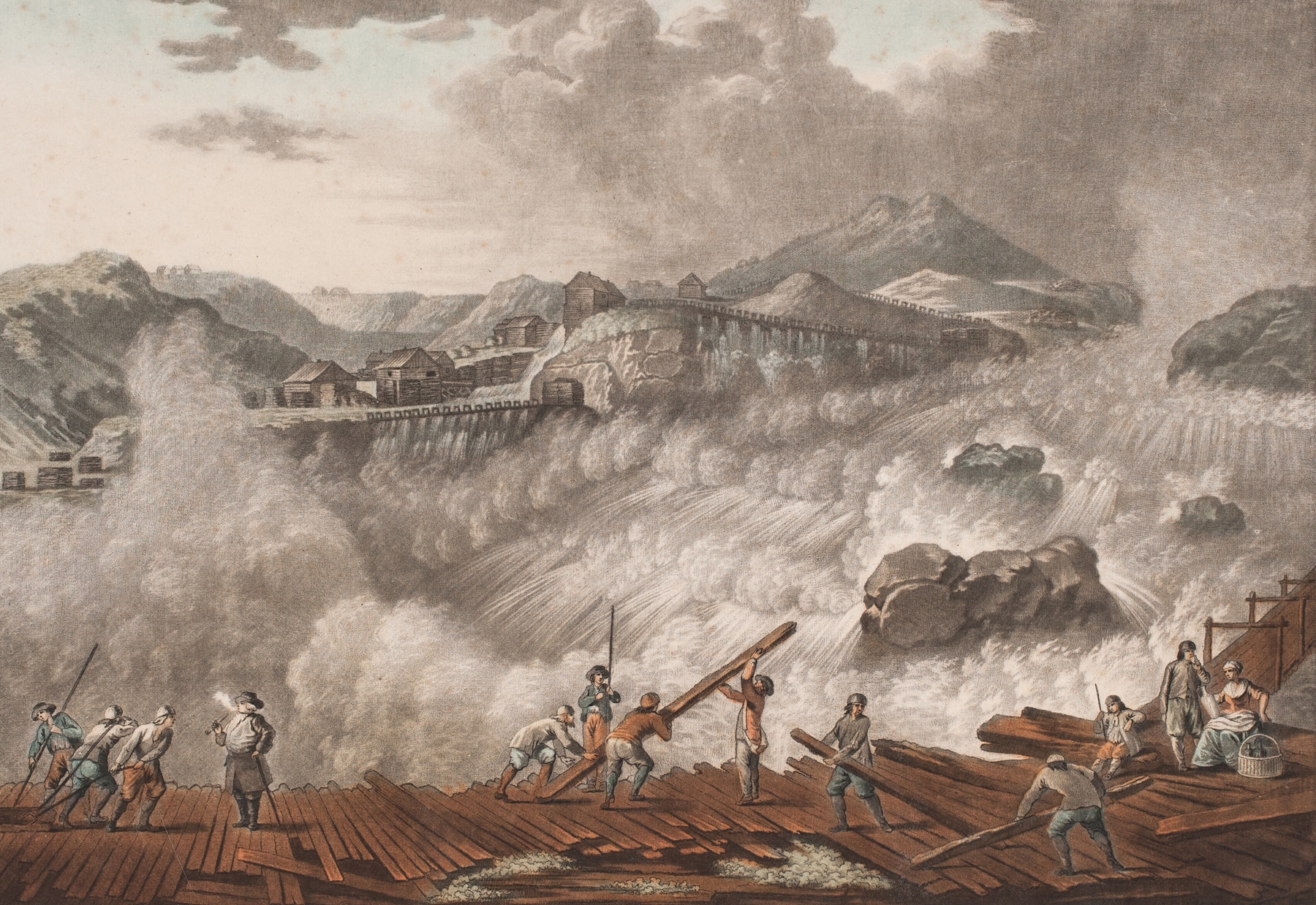
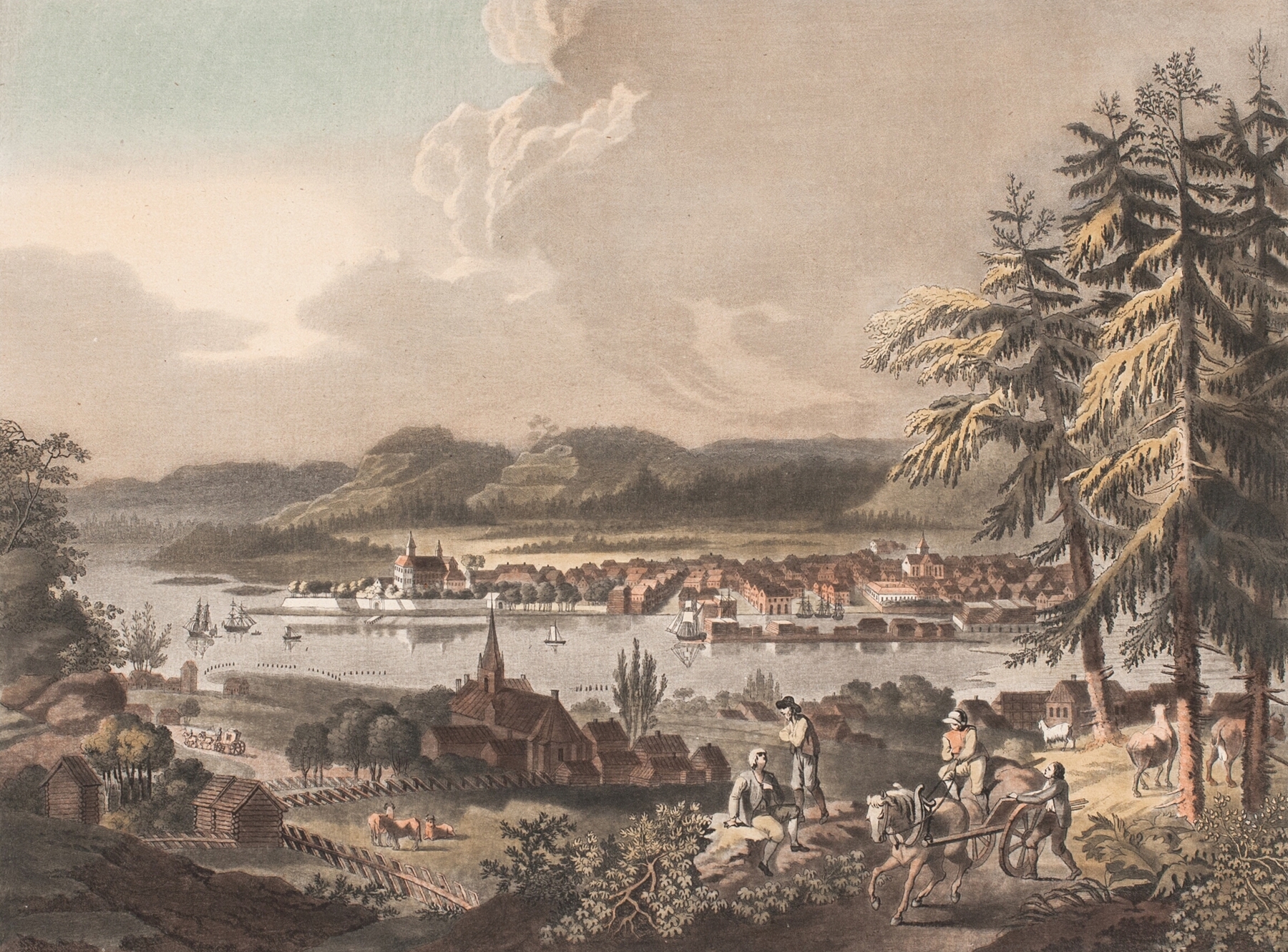
Did the painter know this moment would outlive them? In a world marked by fleeting shadows, La citadelle de Frideriksteen whispers promises of hope, capturing the essence of resilience amid the passage of time. Focus on the intricate details of the fortress rising majestically against a sky painted with gentle hues of dawn. The light dances over the stone walls, highlighting the textures that speak of history and endurance.
Notice how the artist employs a delicate contrast between the shadowed valleys and the sun-kissed peaks, inviting your gaze to wander through the landscape where nature and architecture converge in harmonious balance. The juxtaposition of the sturdy citadel and the ethereal sky evokes a powerful sense of security against an ever-changing world. There’s an underlying tension between the permanence of the stone structure and the ephemeral nature of the clouds that surround it, suggesting that while the physical realm may endure, the dreams and aspirations encapsulated within it are ever-shifting. This interplay between hope and impermanence resonates deeply, offering a poignant reflection on human existence.
Created between 1787 and 1791, this work emerged during a transformative period for Georg Haas, who was navigating the burgeoning tides of neoclassical influence. At the time, Europe was experiencing a surge of intellectual and artistic exploration, and artists were seeking to capture the essence of their surroundings. This painting reflects a moment of quiet contemplation, a testament to the enduring spirit of a city and its people, while Haas strove to convey the ideals of his era through his mastery of form and light.