
La Clairière — History & Facts
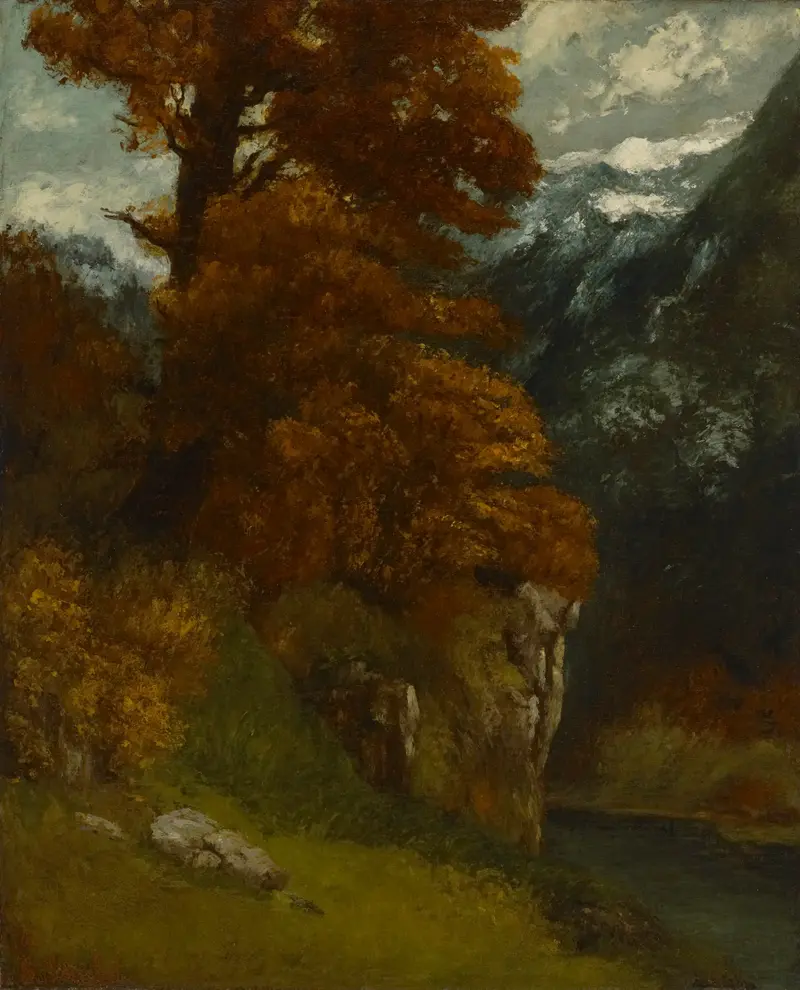
In La Clairière, we see a tranquil landscape filled with lush greenery. The painting features a clearing surrounded by tall trees, creating a sense of depth and tranquility. The colors are predominantly greens and browns, with dappled sunlight filtering through the leaves.
This serene setting invites viewers to imagine the sounds of nature and the gentle rustle of leaves. The painting is executed in oil on canvas, showcasing Courbet's skill in capturing natural light and texture. The brushwork is loose yet deliberate, allowing the viewer to appreciate the details of the foliage and the play of light. The dimensions are approximately 80 x 100 cm, making it a sizable work that commands attention.
Courbet's realistic style is evident in the way he portrays the natural environment. Gustave Courbet was a leading figure in the Realism movement, known for his commitment to depicting everyday life and nature. La Clairière reflects his deep appreciation for the natural world and his desire to portray it authentically. An interesting fact about this work is that it exemplifies Courbet's belief in the importance of nature as a subject worthy of serious artistic exploration.
This painting remains a testament to his innovative approach to landscape art.
More Artworks by Gustave Courbet
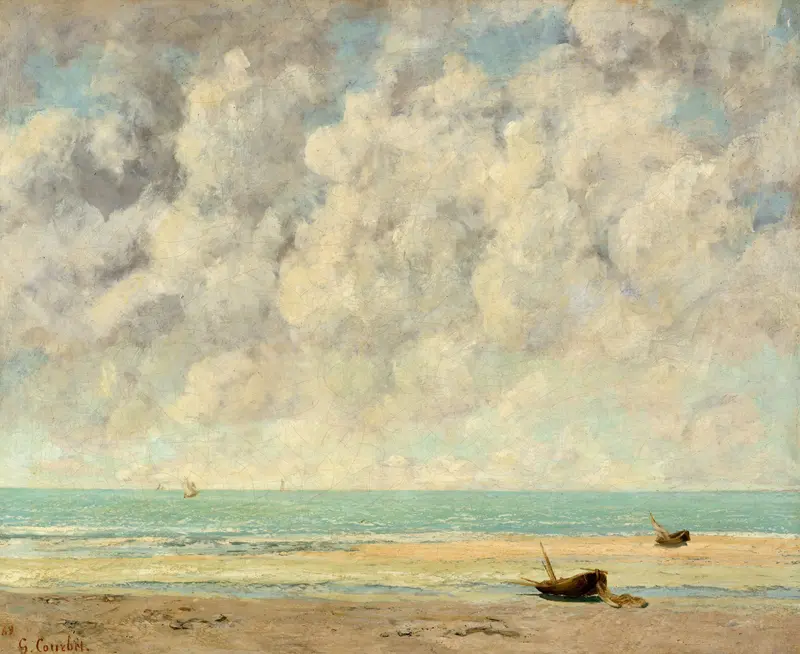
The Calm Sea
Gustave Courbet

A Burial at Ornans
Gustave Courbet
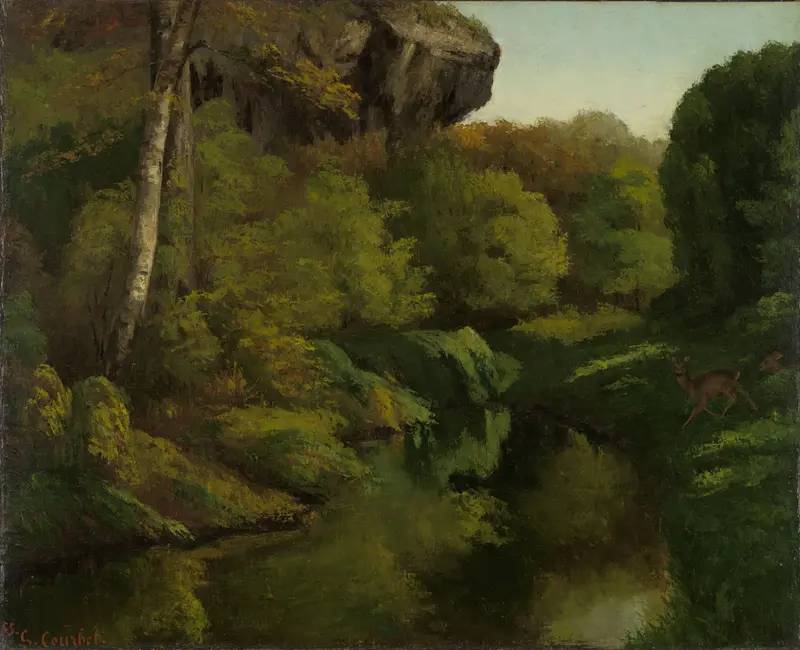
View in the Forest of Fontainebleau
Gustave Courbet
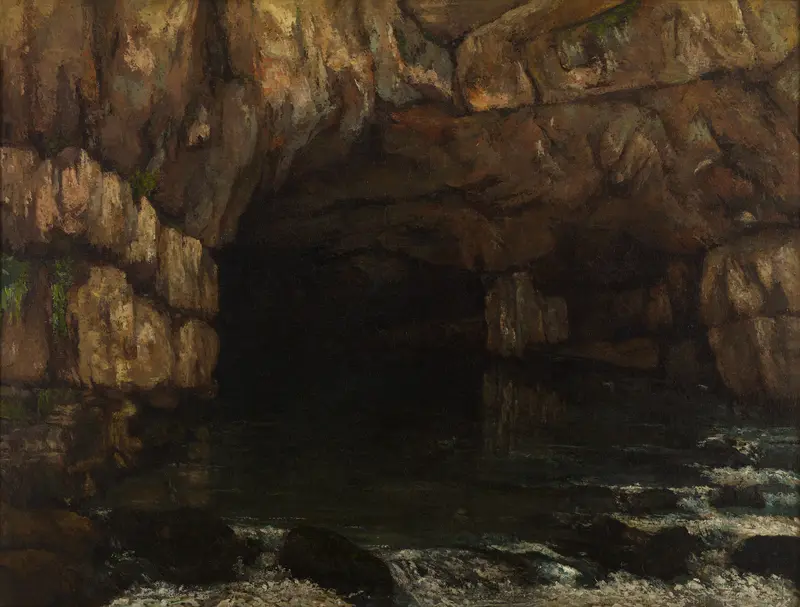
La source de la Loue (The Source of the Loue)
Gustave Courbet
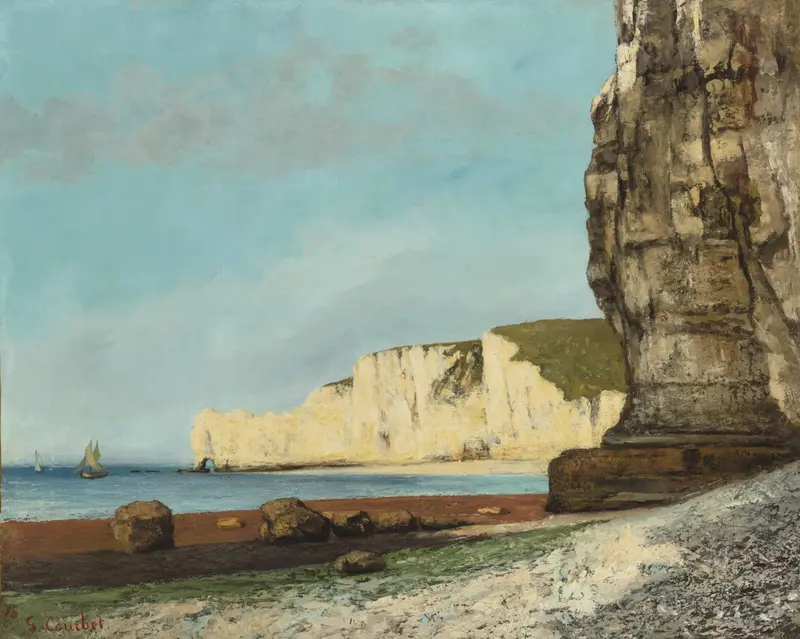
Étretat; Les Falaises
Gustave Courbet
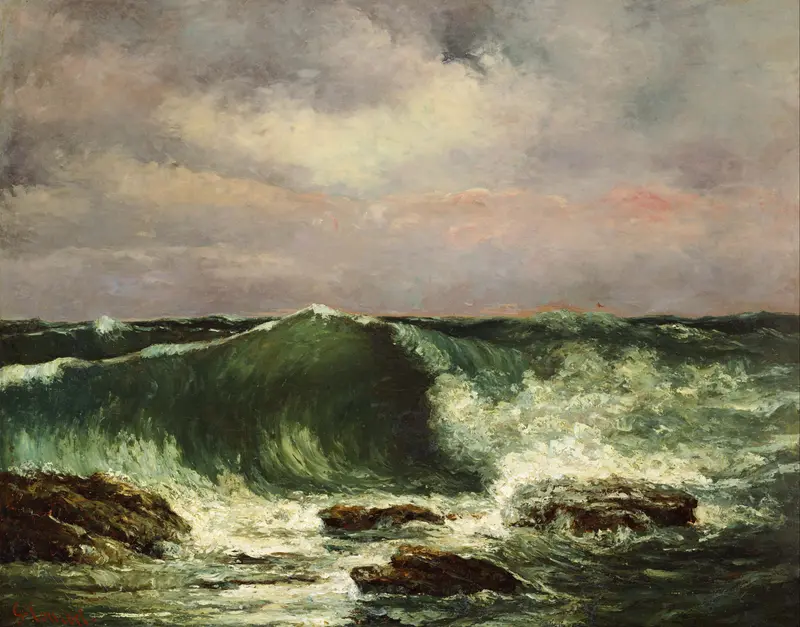
Waves
Gustave Courbet
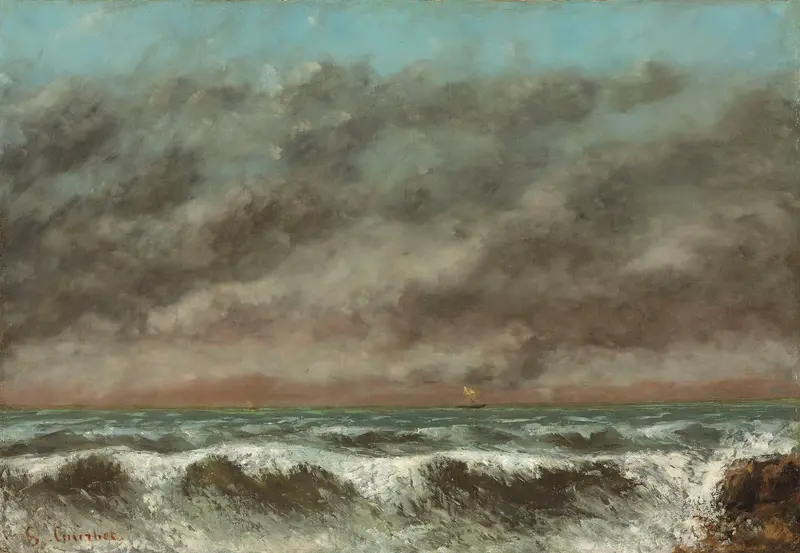
Marine
Gustave Courbet
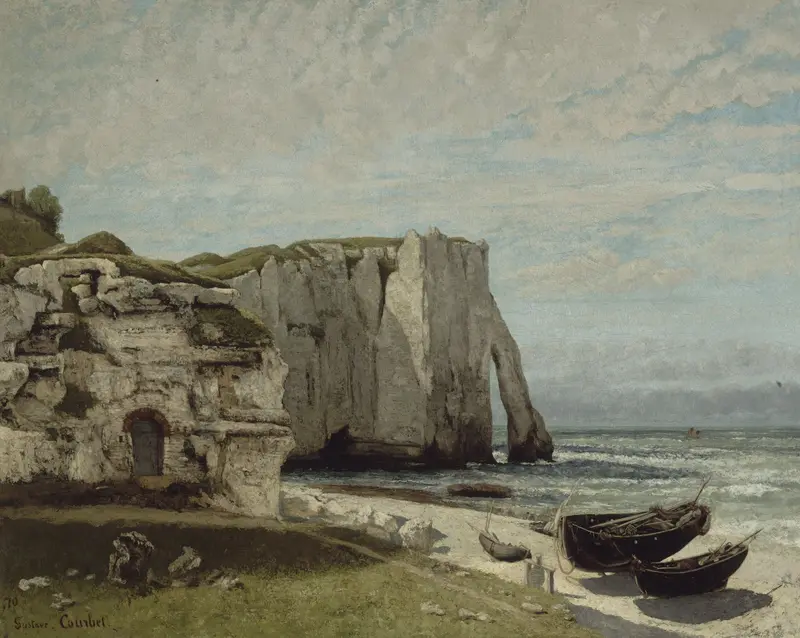
The Etretat Cliffs after the Storm
Gustave Courbet
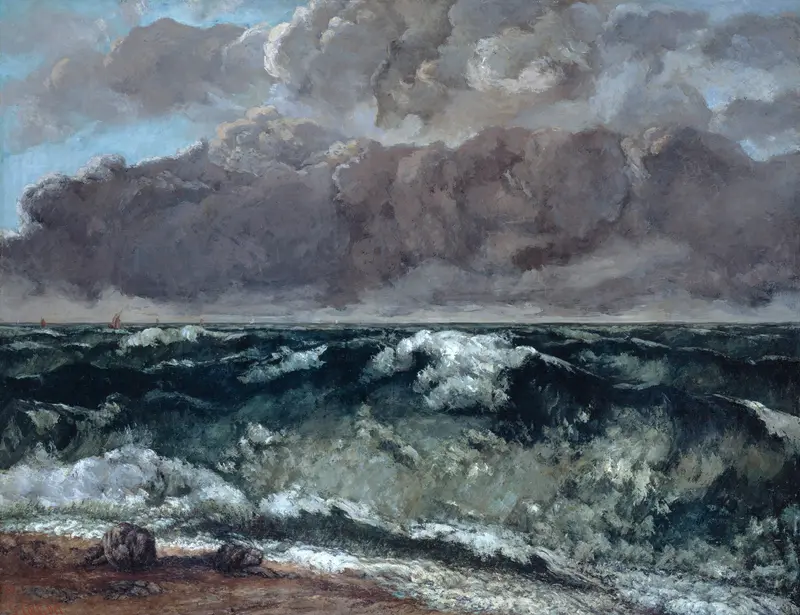
The Wave
Gustave Courbet
The Glen at Ornans (Bords du Doubs; Effet d’Automne)
Gustave Courbet
More Landscape Art

Starry Night
Vincent van Gogh

View of Delft
Johannes Vermeer

Water Lilies
Claude Monet

The Grand Canal, Venice, looking north-west from the Ca' Corner to the Ca' Contarini degli Scrigni, with the campanile of Santa Maria della Carità
Canaletto

Windsor Castle
Canaletto

The Grand Canal looking North-East from the Palazzo Dolfin-Manin to the Rialto Bridge
Canaletto