
La Clairiêre — History & Facts
When did color learn to lie? In La Clairiêre, vibrant hues weave a narrative that oscillates between vitality and decay, inviting viewers to ponder the transient nature of beauty. Look to the right at the luminous greens, where dappled sunlight filters through the trees, creating a mosaic of light and shadow. Notice how soft strokes capture the fleeting presence of nature, each leaf a testament to life’s ephemerality. The contrast between the rich colors of the foliage and the muted earth tones of the ground pulls us into a moment suspended in time, evoking both serenity and a subtle sense of melancholy. Delve deeper, and you will uncover the tensions within this pastoral scene.
The interplay of light suggests hope, while the encroaching shadows hint at inevitable decline. The trees stand both as guardians of the landscape and as silent witnesses to its gradual decay, representing the duality of existence—life intertwined with loss. This juxtaposition reflects not just nature's cycle but also a human truth, as if to ask what we discard in pursuit of beauty. In 1880, while creating this piece, Harpignies was immersed in the artistic circles of France, aligning himself with the Impressionists who sought to capture the essence of fleeting moments.
He painted amidst a period of significant change, as the art world was transitioning towards modernity, exploring light and color in unprecedented ways. His engagement with plein air techniques allowed him to embrace nature’s complexities, revealing the beauty that exists within decay.
More Artworks by Henri-Joseph Harpignies
Browse all →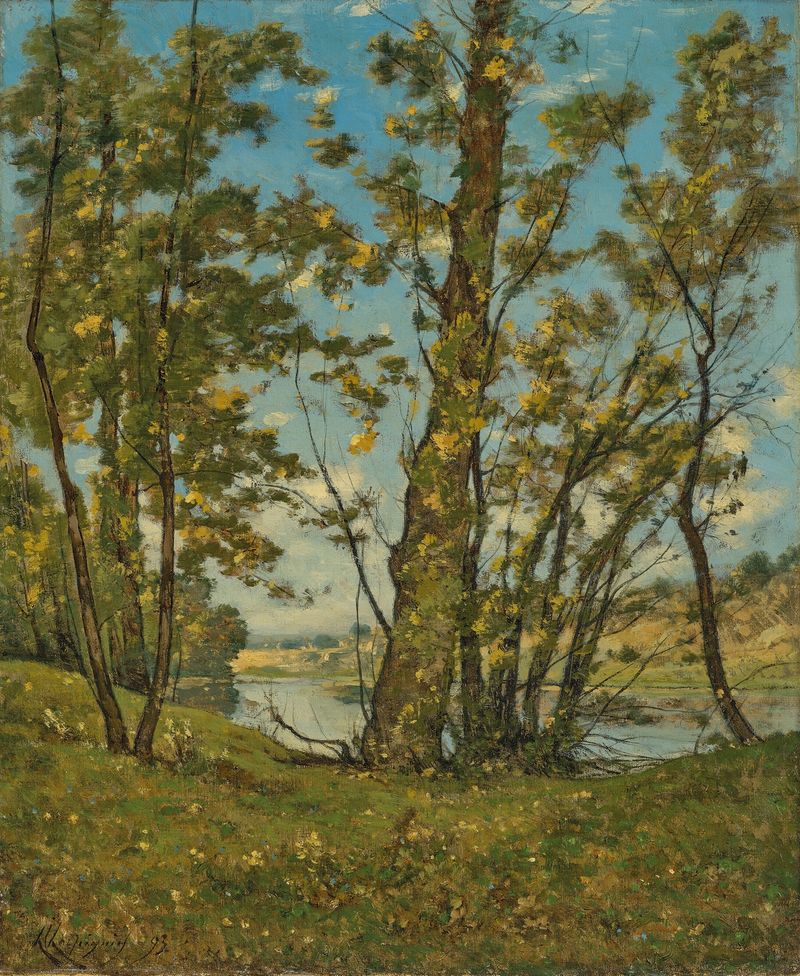
La Loire à Bonny
Henri-Joseph Harpignies
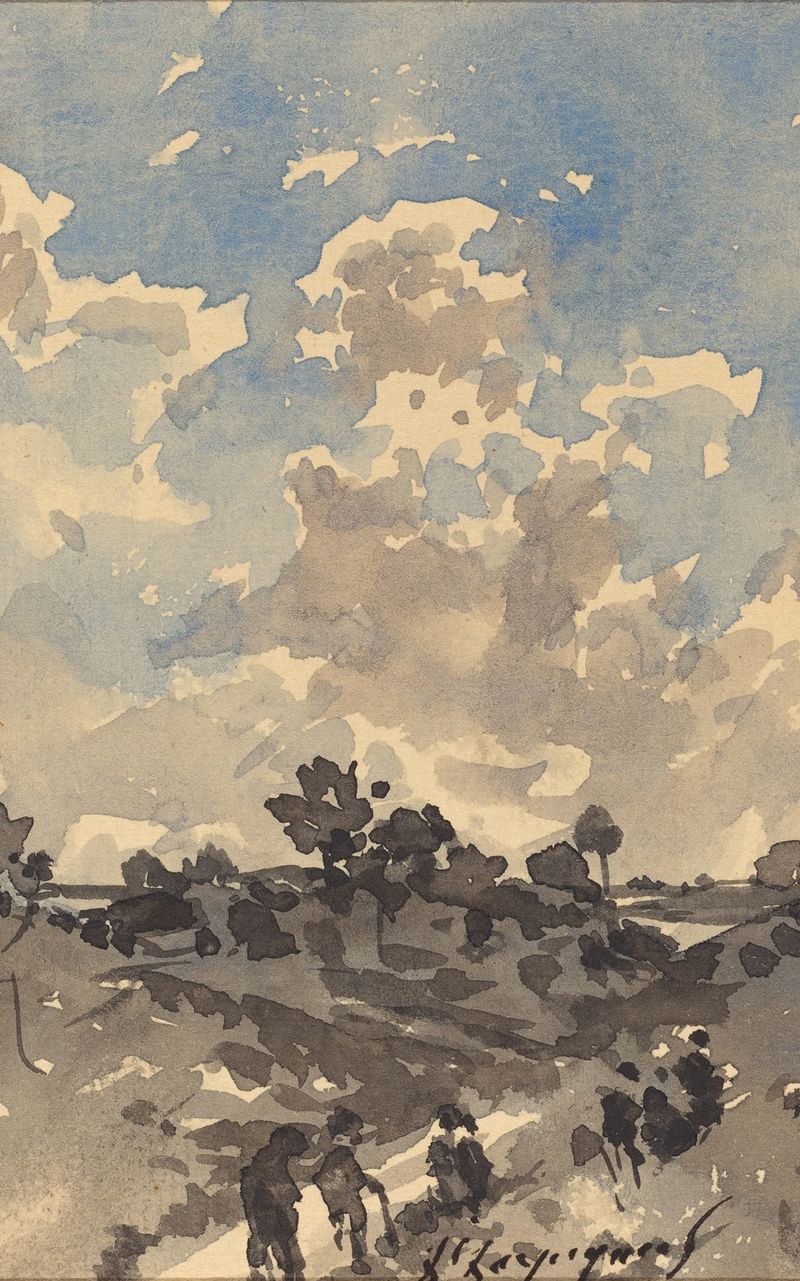
A Landscape with Figures Walking along a Path
Henri-Joseph Harpignies
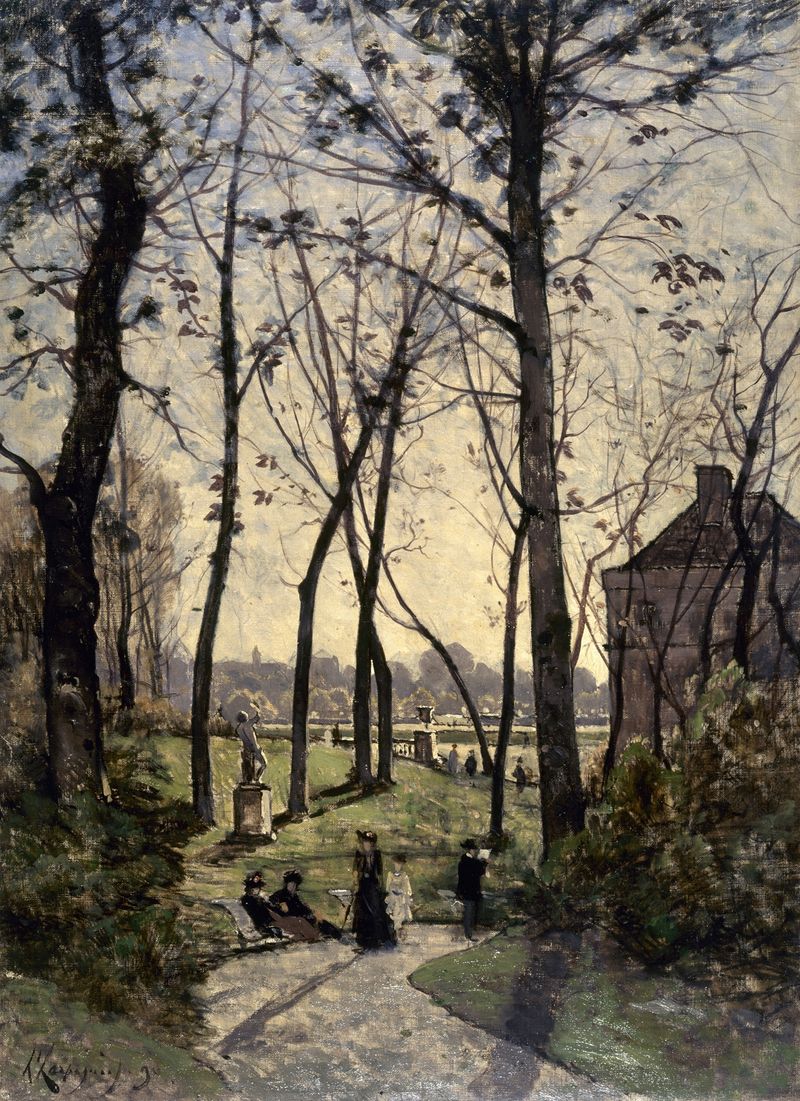
Le jardin du Luxembourg
Henri-Joseph Harpignies
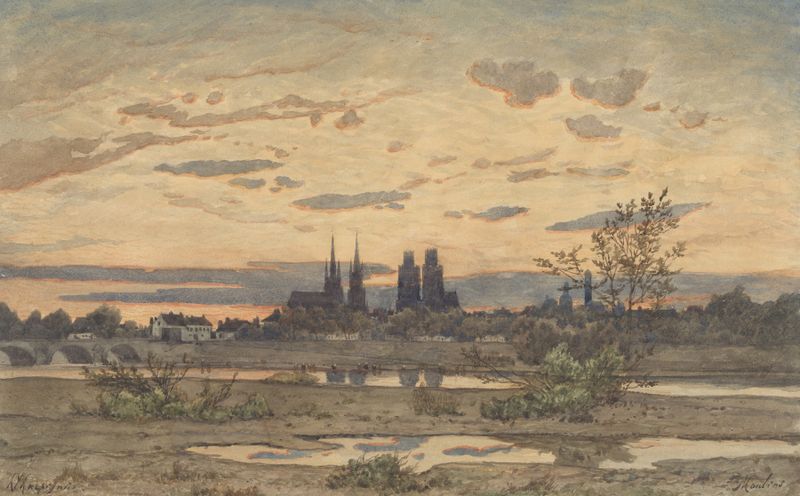
A View of Moulins
Henri-Joseph Harpignies
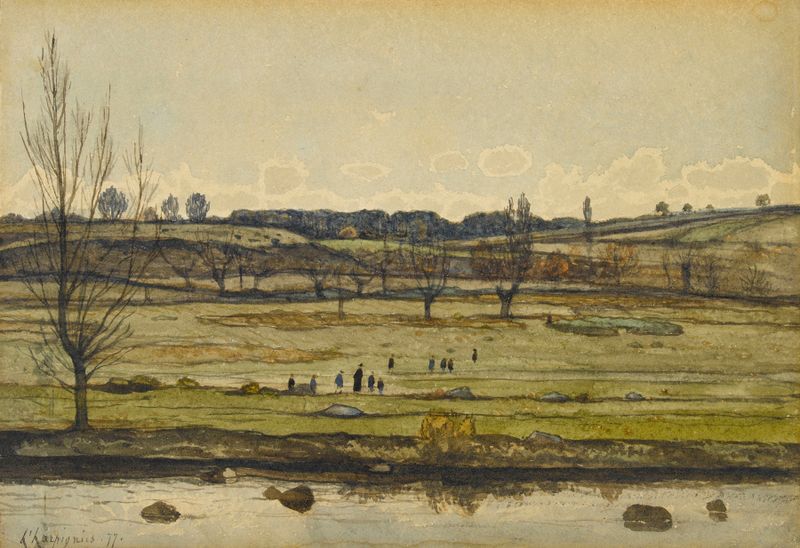
Paysage
Henri-Joseph Harpignies
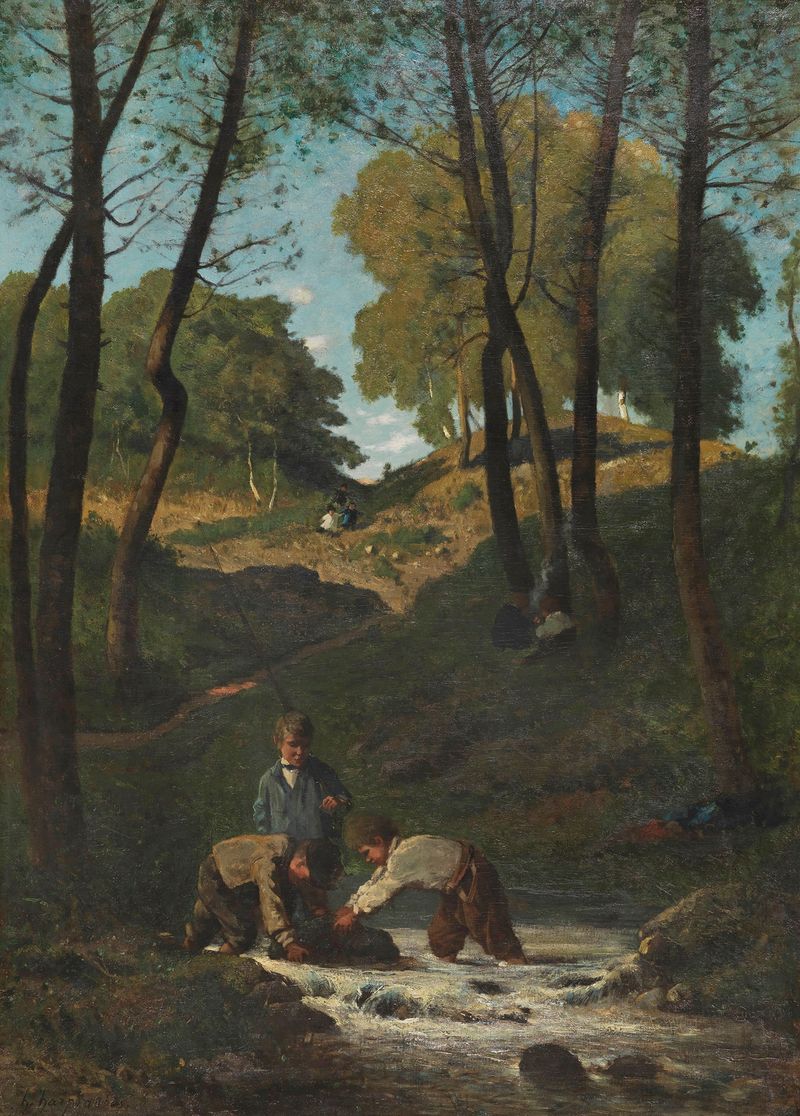
Chercheurs d’écrevisses
Henri-Joseph Harpignies
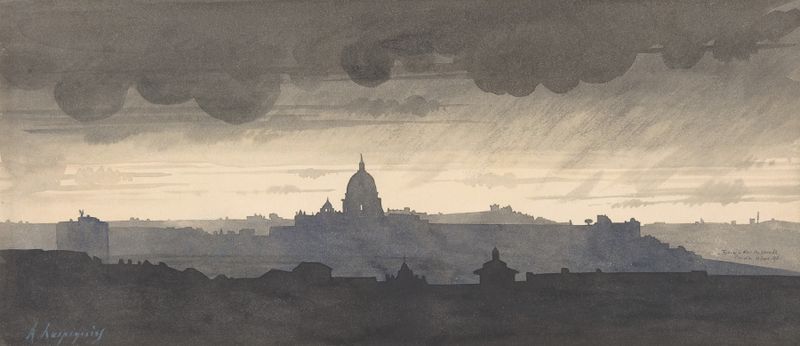
Saint Peter’s Seen From the Pincio, Rome
Henri-Joseph Harpignies
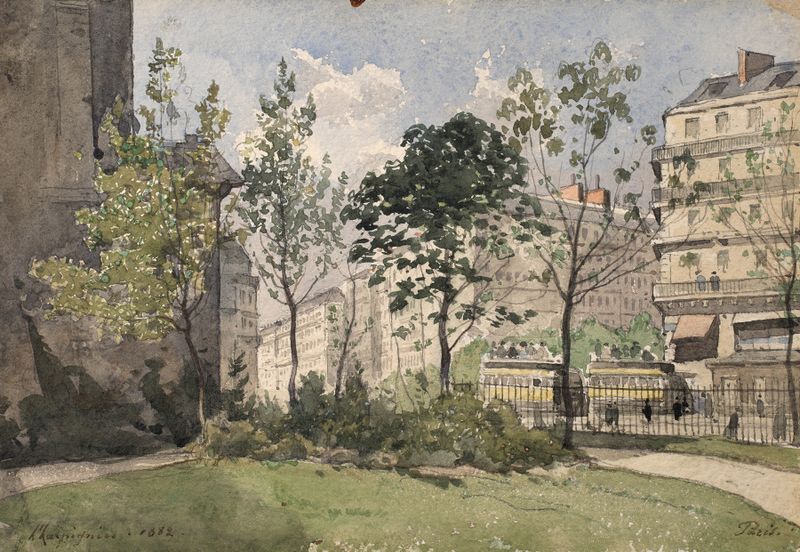
View of the forecourt of the Saint-Germain-des-Prés church
Henri-Joseph Harpignies
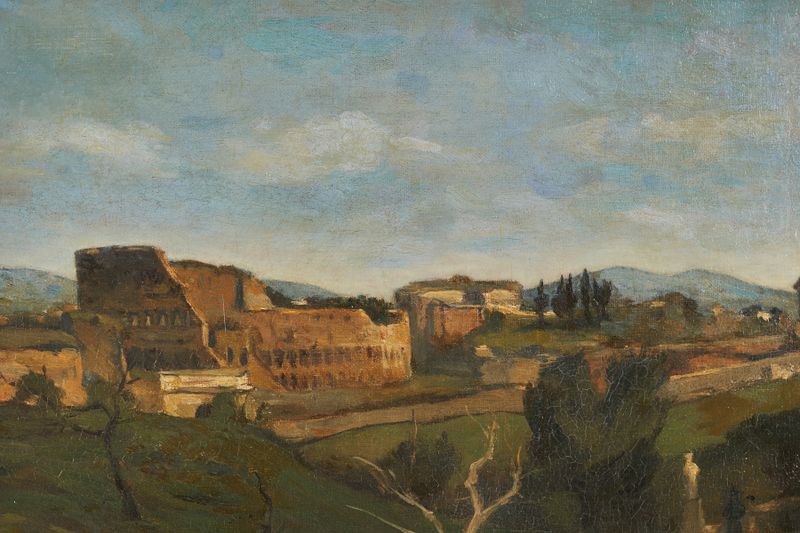
Le Colisée à Rome
Henri-Joseph Harpignies

Villefranche
Henri-Joseph Harpignies





