
La Fronde — History & Facts
In the quiet aftermath of loss, we often find ourselves enveloped in a fog of unspoken memories, each one pulling at the heartstrings like a distant echo. Look closely at the delicate brushstrokes that weave through the canvas, capturing a cascade of emotions suspended in time. The muted palette of blues and greys draws the eye first to the somber figures encircled in an ethereal haze, their faces reflecting a mixture of sorrow and tenderness. Notice the intricate details of the flowers, their wilting petals symbolizing fragility and remembrance, as they contrast against the starkness of the background. Beneath this surface beauty lies a profound exploration of grief.
The figures, rendered with an almost ethereal quality, seem to hover between presence and absence, suggesting the weight of memories that linger long after departure. Each glance at the tableau elicits a sense of shared loss, a collective mourning that transcends the individual and engages the viewer in their own reflections of what has been lost. Henri-Eugène Callot created La Fronde in 1900 during a time of great transition in the art world, as symbolism and expressionism began to take hold. Living in Paris, he found inspiration in the emotive potential of color and form, focusing on the themes of memory and loss that resonated deeply within him.
This period marked a crucial turning point in Callot's career, as he sought to delve deeper into the emotional landscape of humanity through the lens of his brush.
More Artworks by Henri-Eugène Callot
Browse all →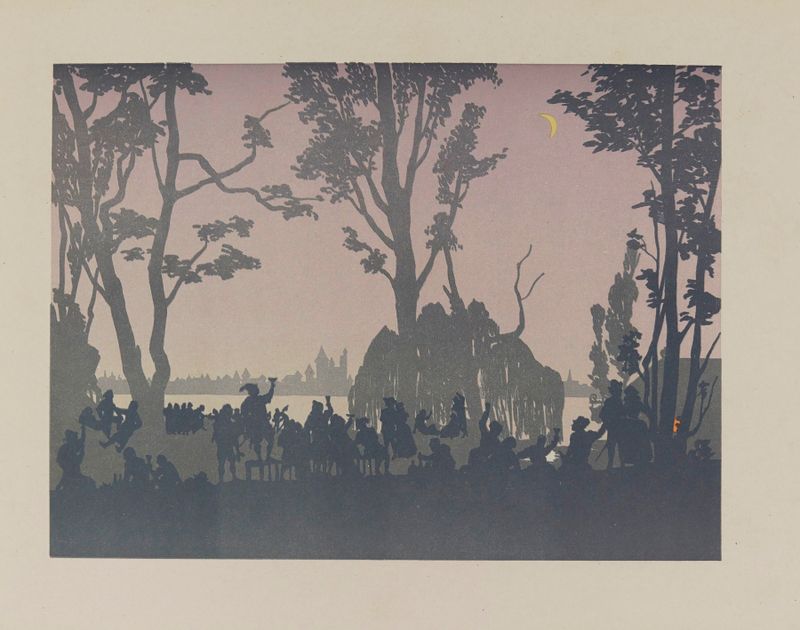
Le Pré aux Clercs
Henri-Eugène Callot
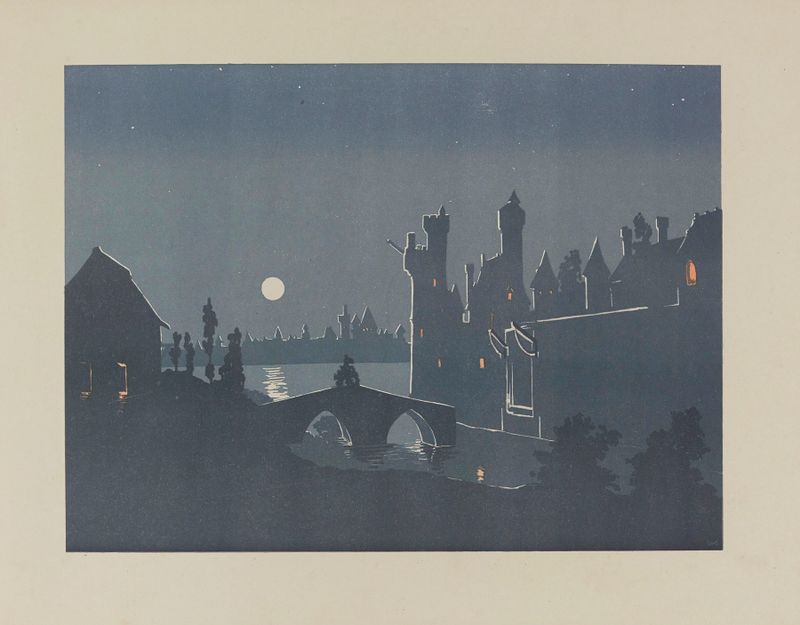
La Tour de Nesle
Henri-Eugène Callot
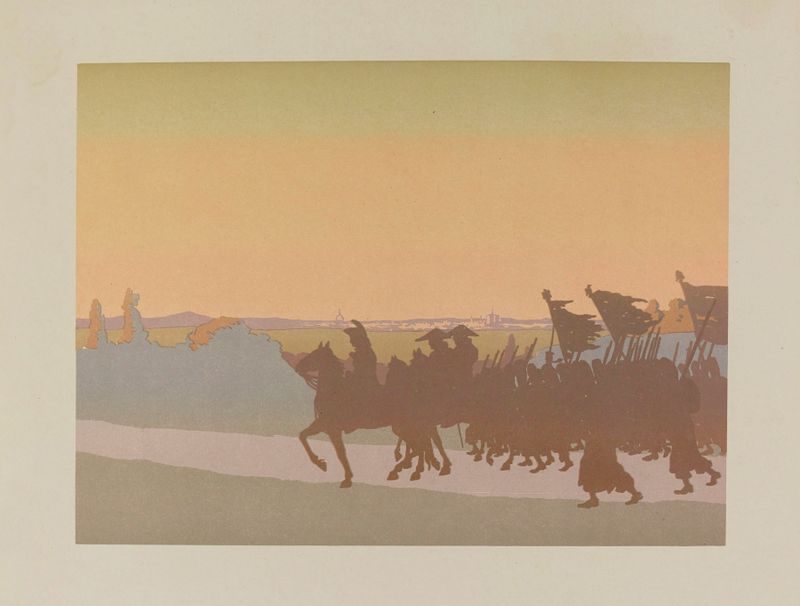
Les Volontaires-Le Retour
Henri-Eugène Callot

Les Normands
Henri-Eugène Callot
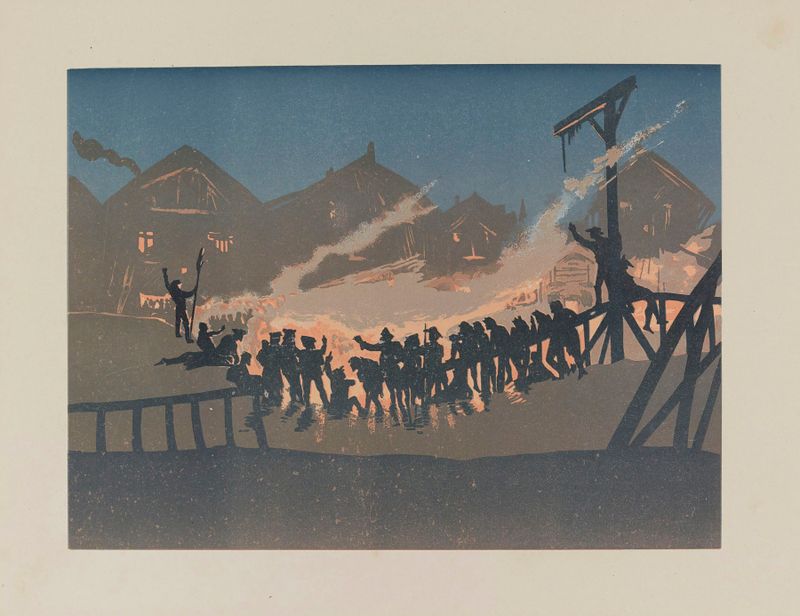
La Cour des Miracles
Henri-Eugène Callot

Paris, sa gloire et ses rayons – cover
Henri-Eugène Callot

Les Porcherons
Henri-Eugène Callot
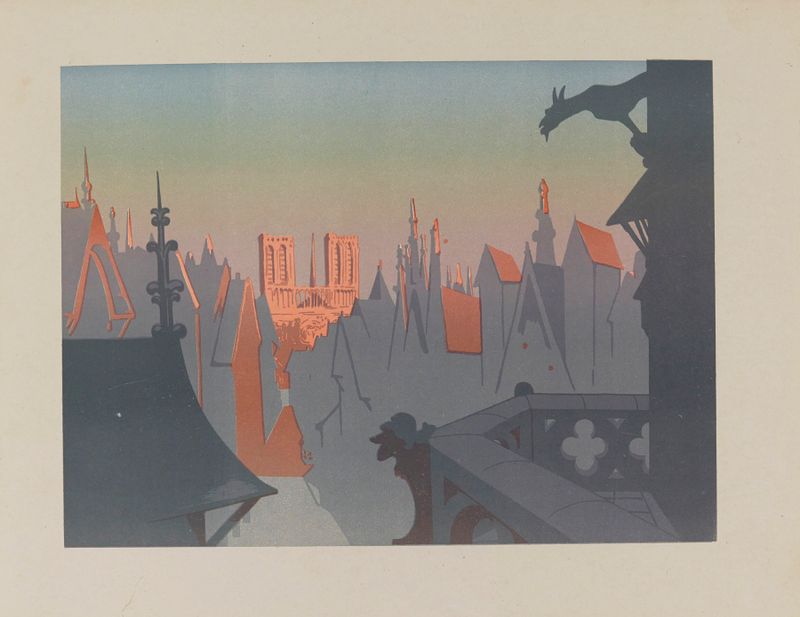
Notre-Dame
Henri-Eugène Callot
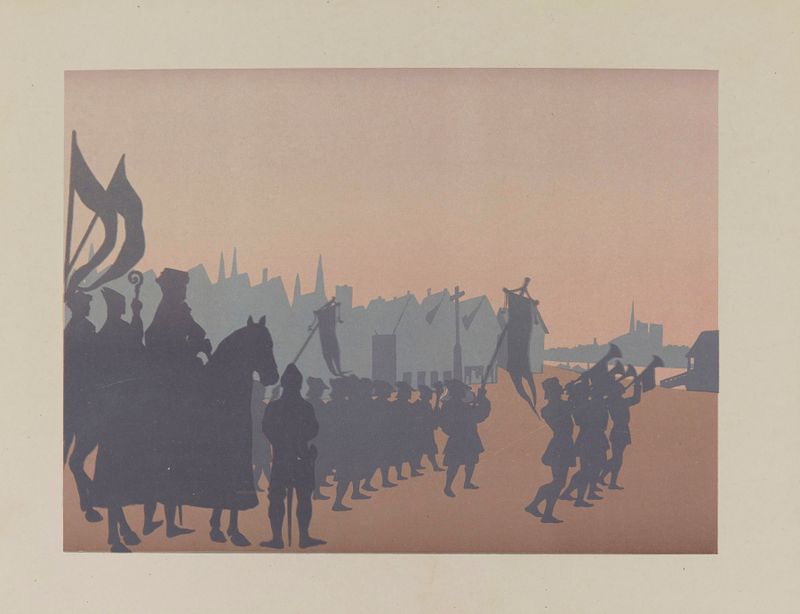
Etienne Marcel
Henri-Eugène Callot

St Geneviéve
Henri-Eugène Callot





