
Paris, sa gloire et ses rayons – cover — History & Facts
Did the painter know this moment would outlive them? In Paris, sa gloire et ses rayons, a quiet betrayal emerges, encapsulated in the vibrant colors and intricate details of the canvas that immortalize a city’s spirit and fragility. Focus on the golden rays cascading down from the luminous sky, illuminating the bustling life below. Notice how the brushstrokes convey movement—figures in the streets caught mid-stride, each one a story unfolding in the heart of Paris. The warm palette of yellows and oranges contrasts sharply with the cooler hues around, creating a sense of tension between light and shadow that hints at the duality of glory and discord in the city’s life. Beneath the surface of celebration lies a whisper of unease.
The juxtaposition of joyful crowds against the looming architecture suggests an underlying anxiety—might the magnificence of Paris be fleeting, destined for betrayal by its own grandeur? The intricate detailing of the structures hints at a complex history, while the animated figures evoke both joy and a looming uncertainty, as if the city itself holds its breath, poised on the brink of change. Henri-Eugène Callot painted this work in 1900, a period marked by transition in Paris as the world prepared for the Exposition Universelle. It was a time of artistic innovation and social upheaval, where the excitement of modernity clashed with the weight of historical legacy. This canvas reflects that tension; while the artist captured a celebratory moment, he also hinted at the fragility of that very glory, a theme both timeless and deeply resonant.
More Artworks by Henri-Eugène Callot
Browse all →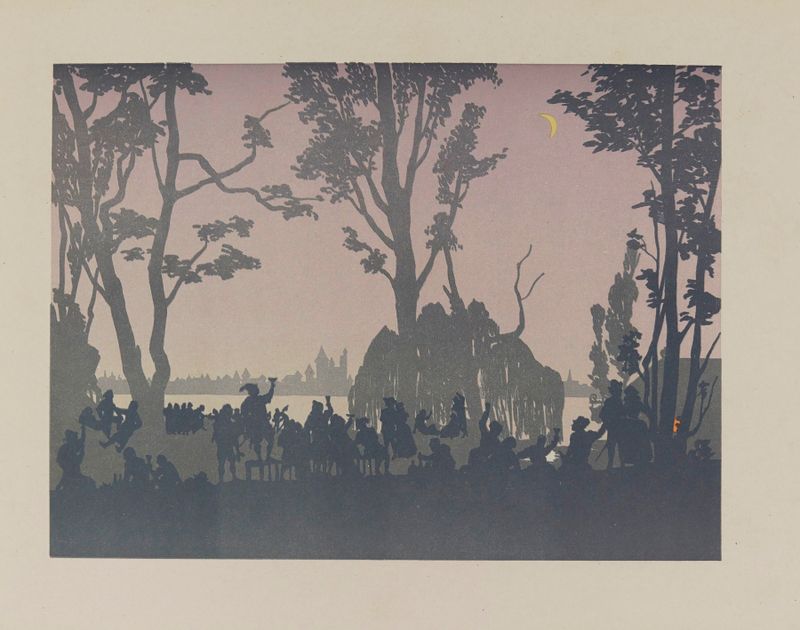
Le Pré aux Clercs
Henri-Eugène Callot
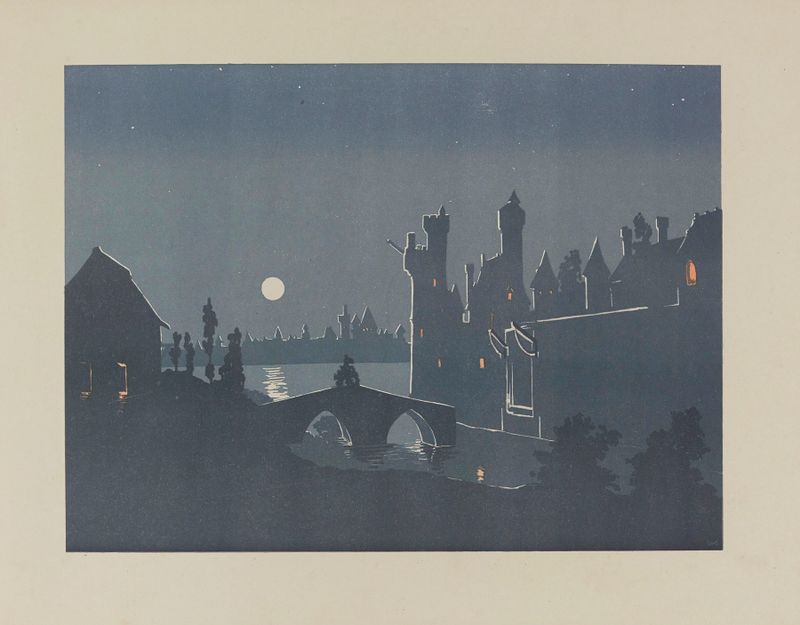
La Tour de Nesle
Henri-Eugène Callot
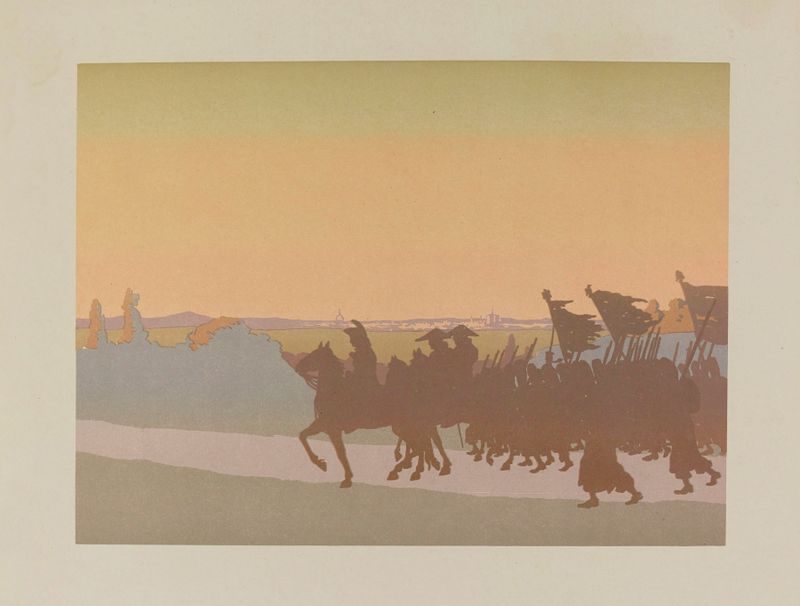
Les Volontaires-Le Retour
Henri-Eugène Callot

Les Normands
Henri-Eugène Callot
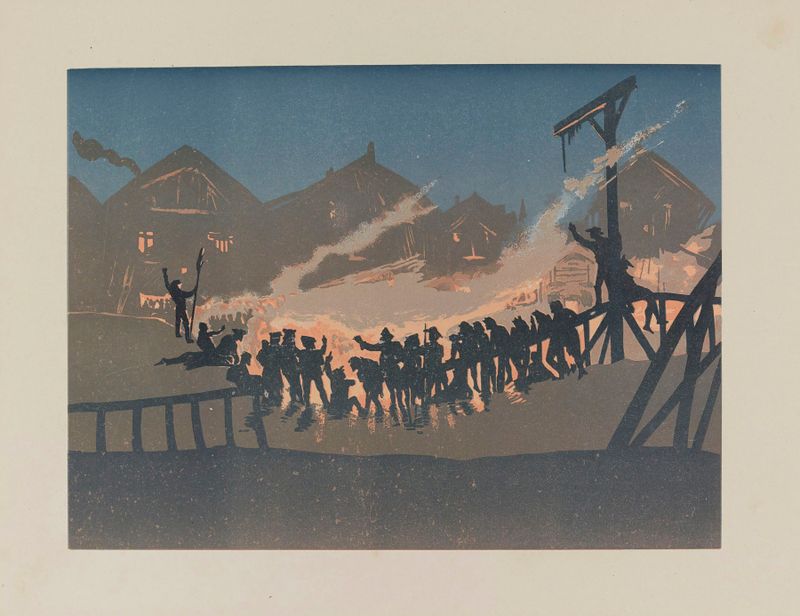
La Cour des Miracles
Henri-Eugène Callot

Les Porcherons
Henri-Eugène Callot
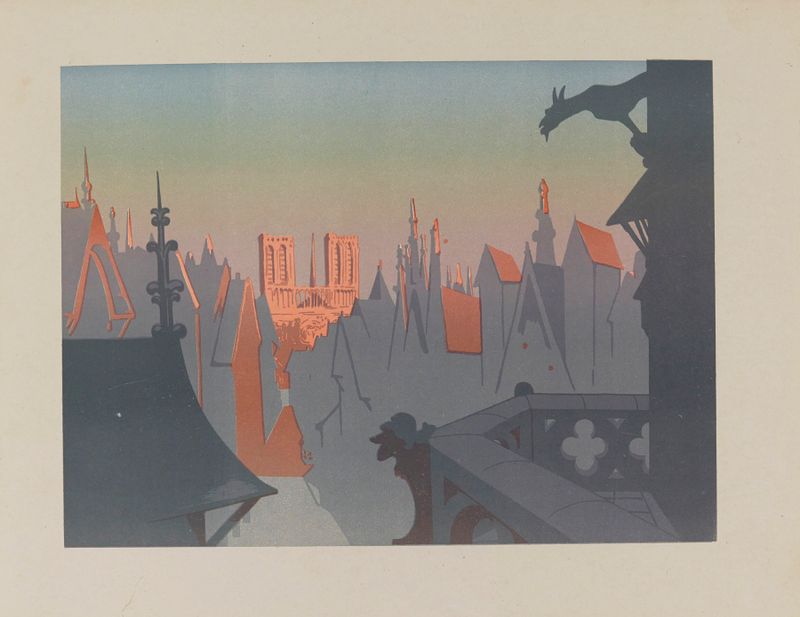
Notre-Dame
Henri-Eugène Callot
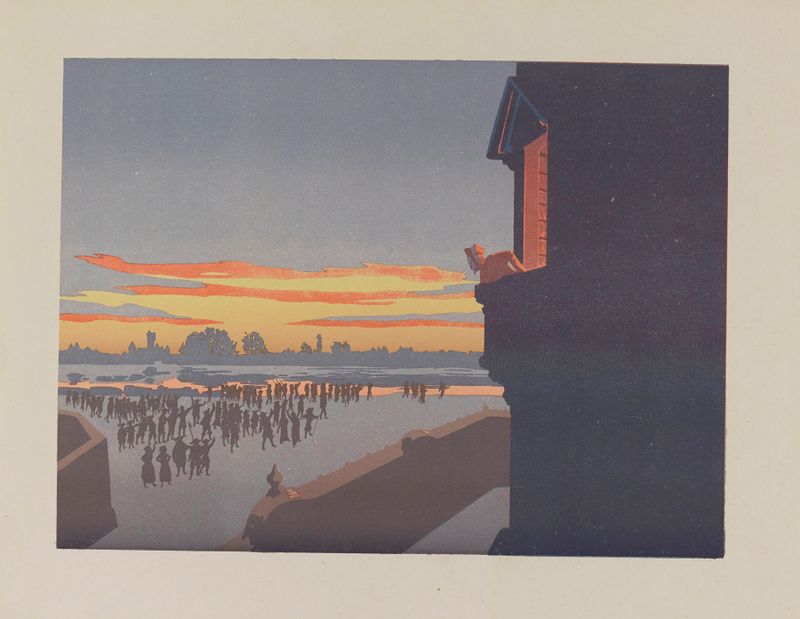
La Fronde
Henri-Eugène Callot
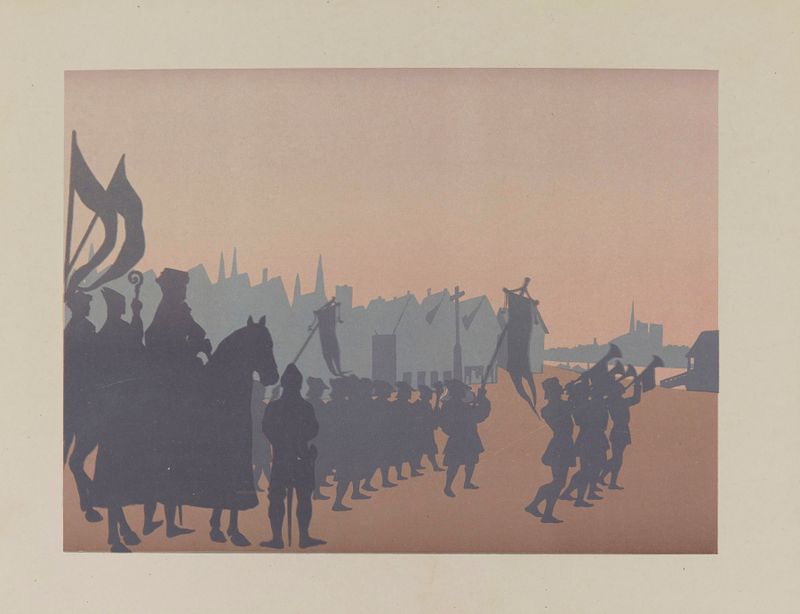
Etienne Marcel
Henri-Eugène Callot

St Geneviéve
Henri-Eugène Callot





