
Le Pré aux Clercs — History & Facts
Could beauty survive in a century of chaos? In Le Pré aux Clercs, the viewer is invited to reflect on the transient nature of elegance amid turmoil. Look to the center of the composition, where a graceful gathering unfolds under the dappled light of an early afternoon. The delicate figures, clad in swirling fabrics, are poised in an intricate dance of social interaction. Notice how the warm hues of ochre and deep greens cradle the scene, contrasting with the cooler blues that hint at an uneasy world beyond the frame.
The artist’s deft strokes breathe life into the figures, inviting an exploration of their gestures and expressions. In the background, the subtle interplay of shadow and light suggests an underlying tension. The distant landscape, awash in muted tones, looms like a specter, perhaps symbolizing societal challenges approaching the serenity of the gathering. The gentle smiles of the figures, juxtaposed with the encroaching shadows, evoke a complex emotional landscape that speaks to the fragility of joy in uncertain times.
Each delicate detail, from the flutter of a sleeve to the tilt of a hat, becomes a thread in a narrative woven with hope and foreboding. Henri-Eugène Callot painted Le Pré aux Clercs in 1900, during a period marked by burgeoning modernism and societal transformations in France. As industrialization swept through Europe, artists began grappling with themes of progress and tradition. Callot's work reflects his desire to capture fleeting moments of beauty, offering a poignant commentary on the shifting cultural landscape of his time.
More Artworks by Henri-Eugène Callot
Browse all →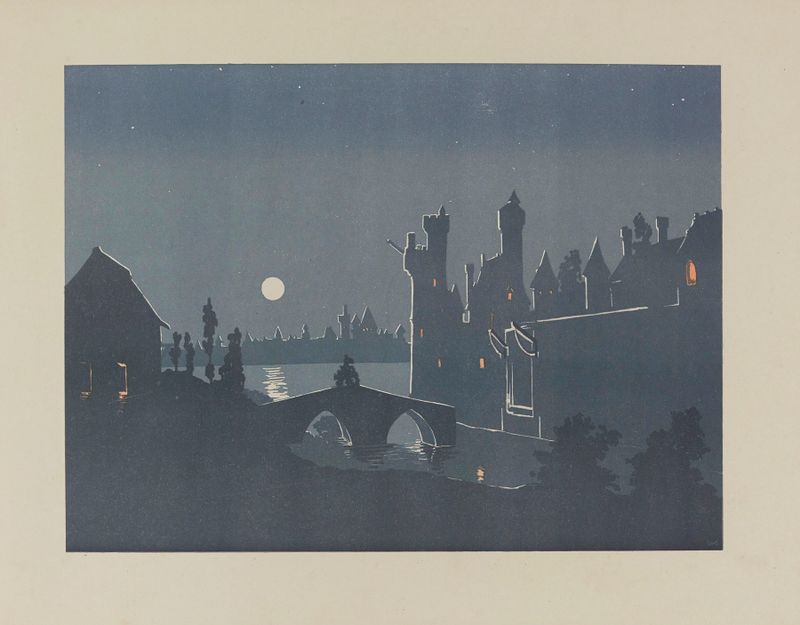
La Tour de Nesle
Henri-Eugène Callot
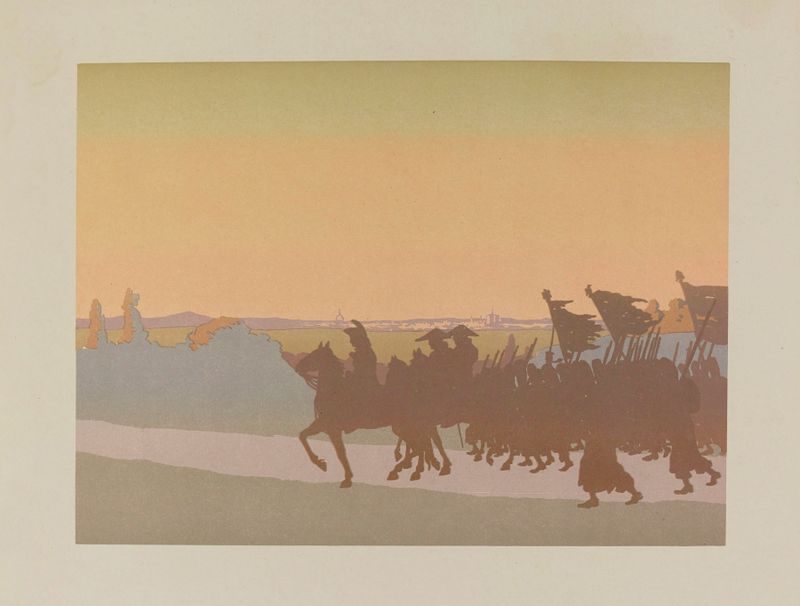
Les Volontaires-Le Retour
Henri-Eugène Callot

Les Normands
Henri-Eugène Callot
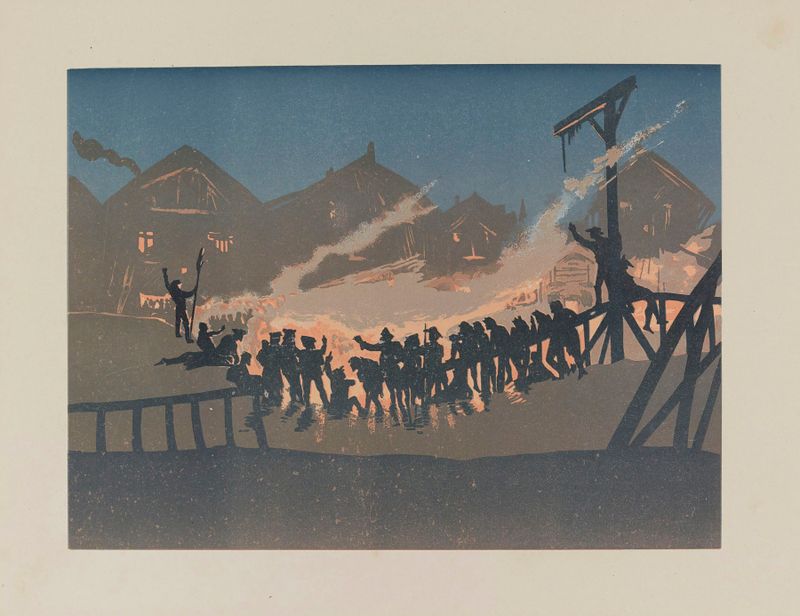
La Cour des Miracles
Henri-Eugène Callot

Paris, sa gloire et ses rayons – cover
Henri-Eugène Callot

Les Porcherons
Henri-Eugène Callot
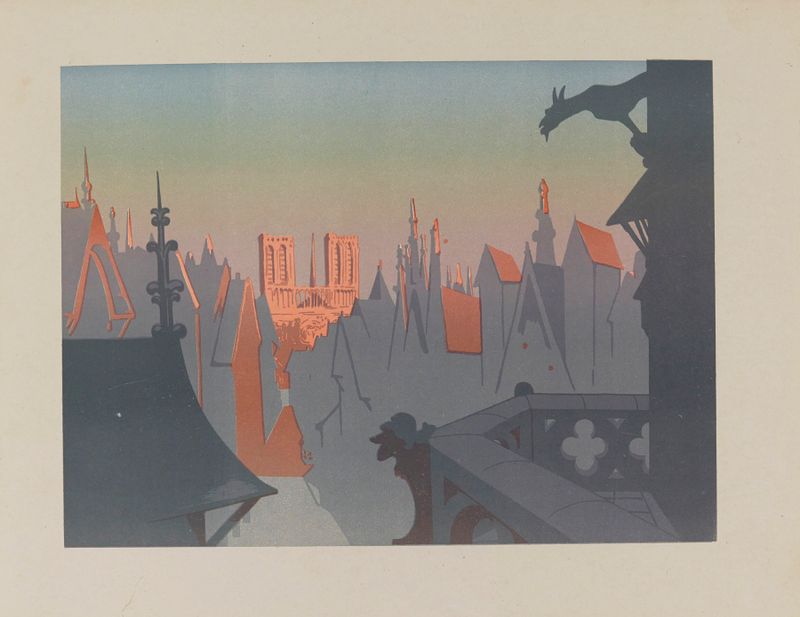
Notre-Dame
Henri-Eugène Callot
La Fronde
Henri-Eugène Callot
Etienne Marcel
Henri-Eugène Callot

St Geneviéve
Henri-Eugène Callot





