
Les Porcherons — History & Facts
Could beauty survive in a century of chaos? In Les Porcherons, the answer emerges quietly, yet profoundly, from the canvas. Look to the center of the composition, where a group of peasants, adorned in simple attire, gather around a rustic wooden cart. The earthy tones of ochre and muted greens harmonize with the gentle glow of daylight, illuminating their faces and casting soft shadows upon the ground. Notice how the figures lean slightly toward one another, their gestures conveying a shared moment of labor and camaraderie, pulling the viewer into their humble world.
The brushwork, fluid yet deliberate, captures the texture of their clothing and the roughness of the surrounding landscape, drawing attention to the interplay between humanity and nature. Delve deeper into the scene, and you will discover a quiet tension between the simplicity of rural life and the complexities of modernity looming in the background. The slight furrow of a brow or the calloused hands of the workers speak to both toil and resilience. There is a transcendence here—a connection to an age-old rhythm of life that persists even as the world outside the frame threatens upheaval.
The tranquil expressions juxtapose the chaos at the turn of the century, suggesting an enduring beauty that defies time and turmoil. Henri-Eugène Callot painted Les Porcherons in 1900, a period marked by rapid industrialization and social change. Living in France, he witnessed the burgeoning tensions of a society on the brink of modernity, yet his work sought refuge in the simplicity of pastoral life. Amidst the struggles of the era, Callot created a meditative reflection on endurance, finding solace in the everyday lives of the humble peasants he portrayed.
More Artworks by Henri-Eugène Callot
Browse all →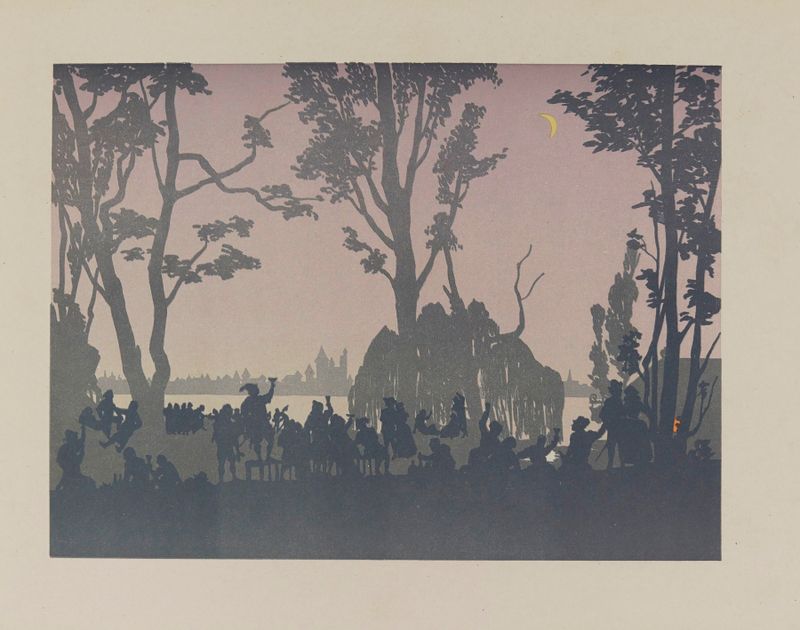
Le Pré aux Clercs
Henri-Eugène Callot
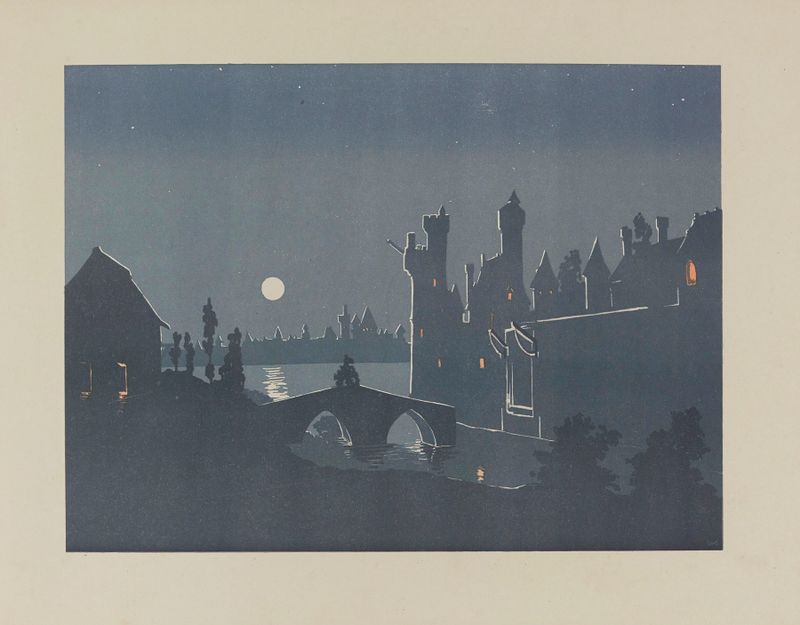
La Tour de Nesle
Henri-Eugène Callot
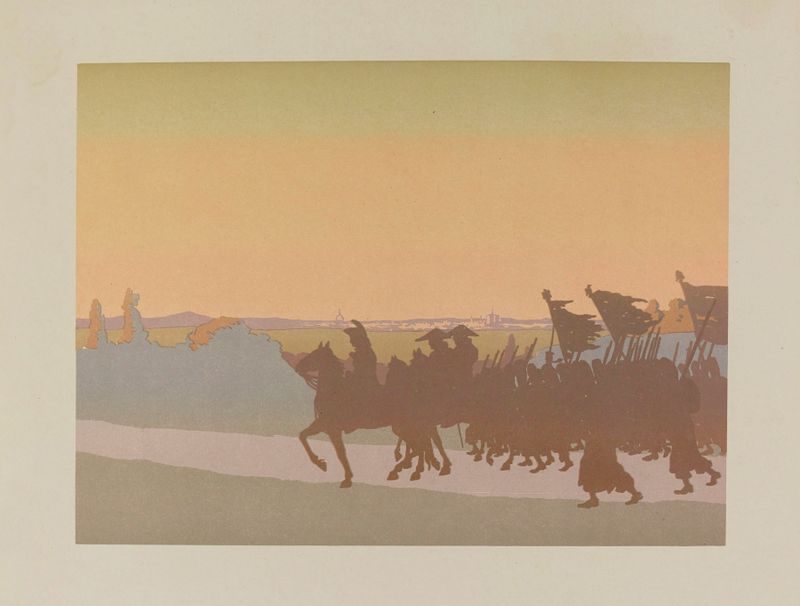
Les Volontaires-Le Retour
Henri-Eugène Callot

Les Normands
Henri-Eugène Callot
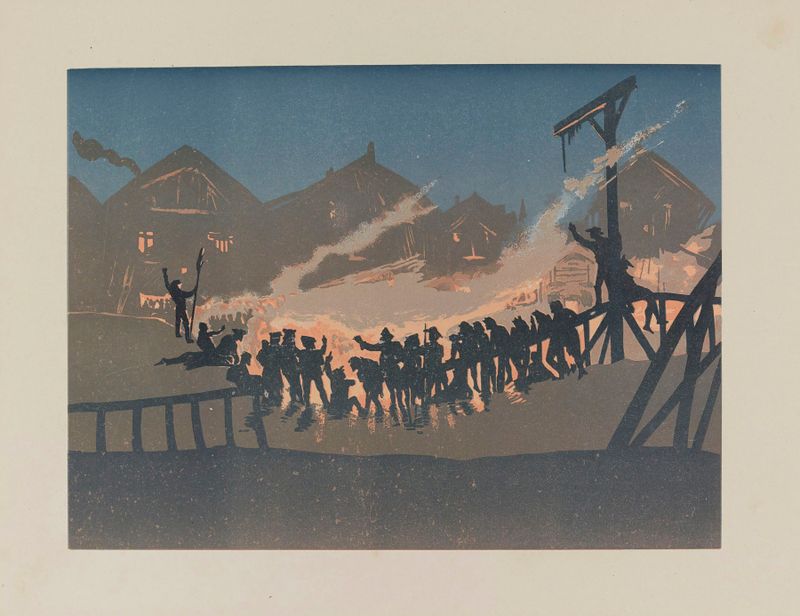
La Cour des Miracles
Henri-Eugène Callot

Paris, sa gloire et ses rayons – cover
Henri-Eugène Callot
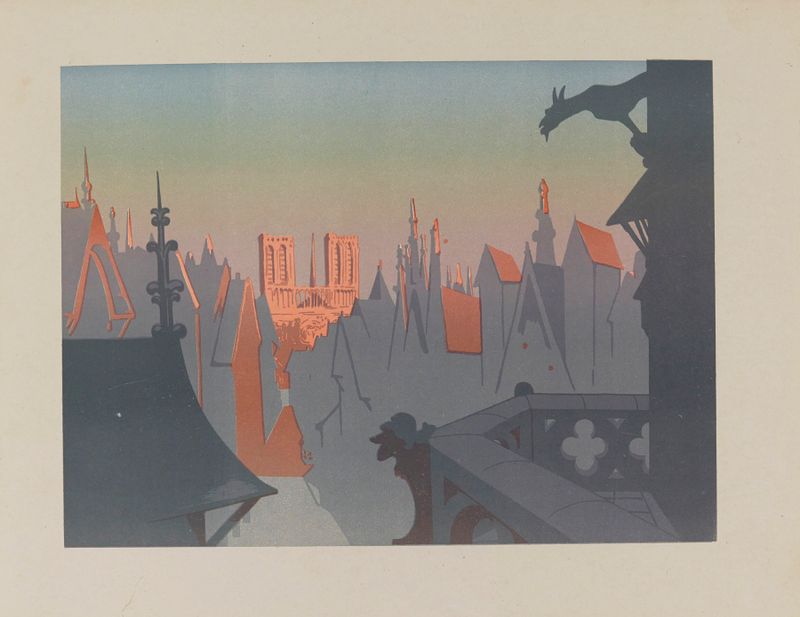
Notre-Dame
Henri-Eugène Callot
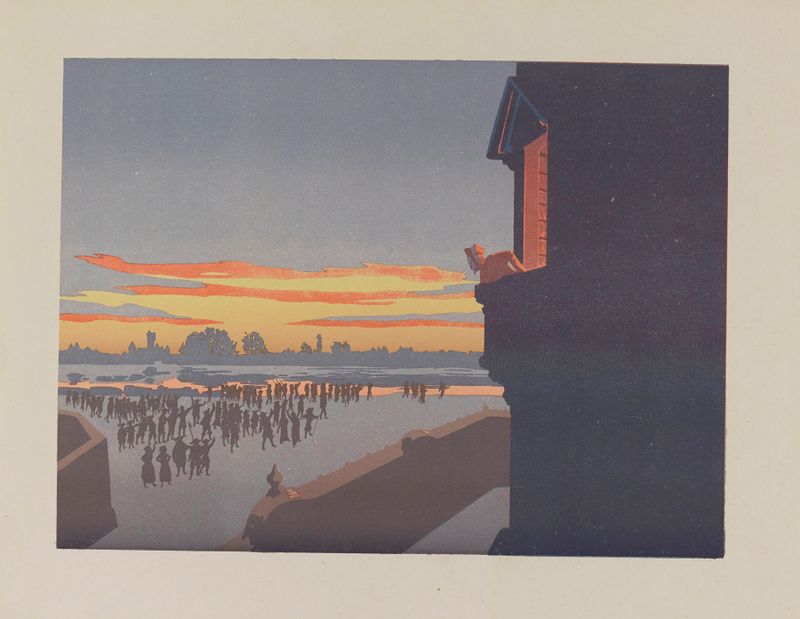
La Fronde
Henri-Eugène Callot
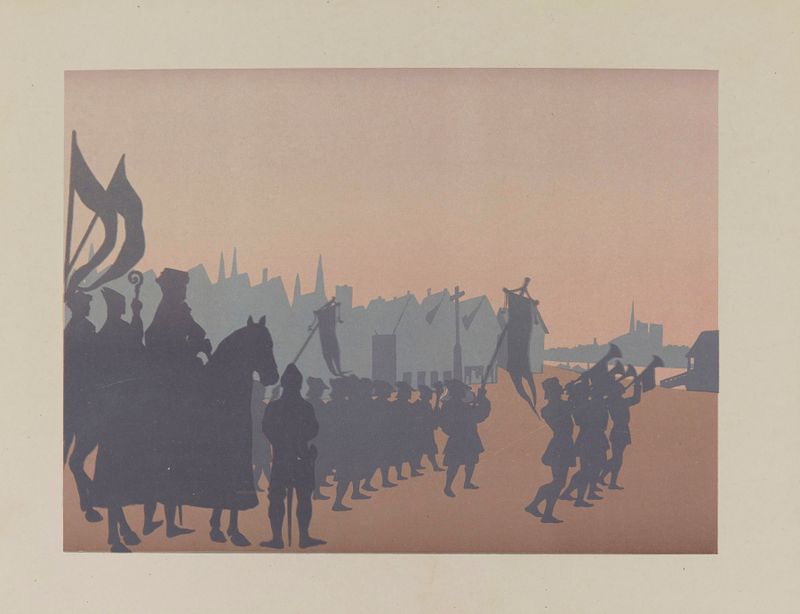
Etienne Marcel
Henri-Eugène Callot

St Geneviéve
Henri-Eugène Callot





