
La Tour de Nesle — History & Facts
Can paint confess what words never could? In the delicate interplay of color and form, one may find a glimpse into the divine essence of existence itself. Look closely at the center, where the towering structure captures your gaze; the architecture looms with an almost ethereal presence. Notice how the warm, golden light dances across its surface, revealing intricate details that tell stories of the past. The artist employs a soft palette that evokes a dreamlike quality, blurring the line between reality and reverie, while gentle brushstrokes create a sense of fluidity, inviting you to explore the depths of the scene. As you delve deeper, observe the contrasting elements of strength and fragility.
The towering edifice stands resolute against the soft clouds above, yet its delicate features suggest a vulnerability to the passage of time. The figures at the base—minuscule yet significant—represent humanity’s connection to the divine, embodying the tensions between aspiration and inevitable decay. The subtle halos of light surrounding these figures evoke a sense of reverence, suggesting a search for meaning amid the chaos of life. Created in 1900, the painting reflects Callot’s exploration of both architectural grandeur and spiritual introspection during a time of artistic transition.
Living in Paris, he was influenced by the burgeoning modernist movement, engaging with themes of urbanization and spirituality. This artwork serves as a bridge between traditional representations and a more profound contemplation of existence, echoing the cultural shifts of his era.
More Artworks by Henri-Eugène Callot
Browse all →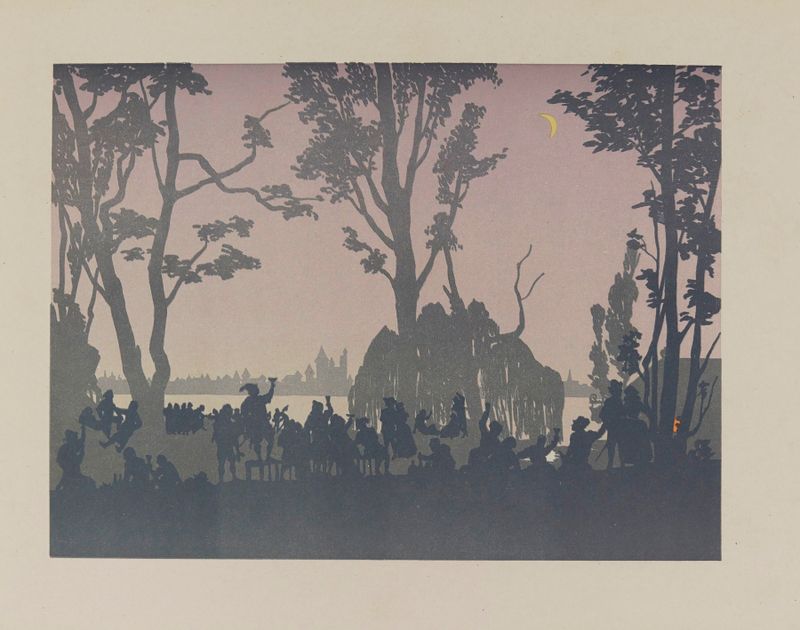
Le Pré aux Clercs
Henri-Eugène Callot
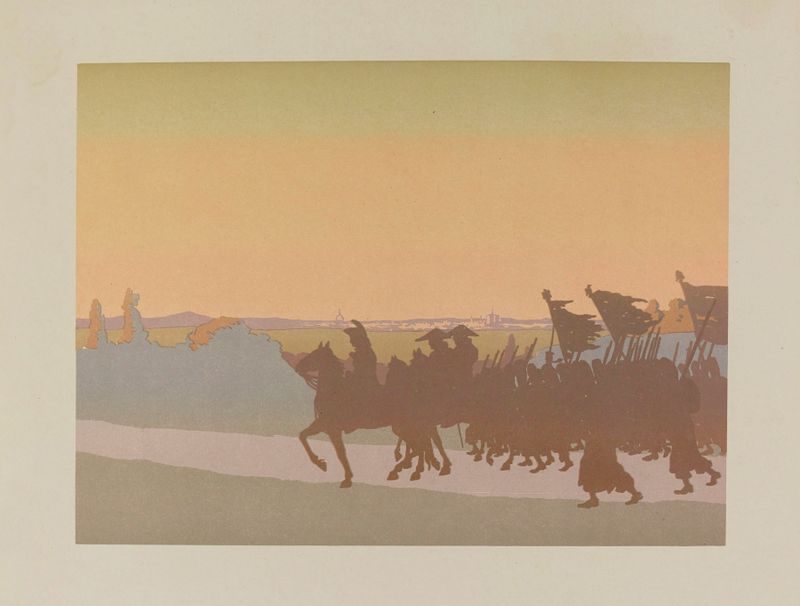
Les Volontaires-Le Retour
Henri-Eugène Callot

Les Normands
Henri-Eugène Callot
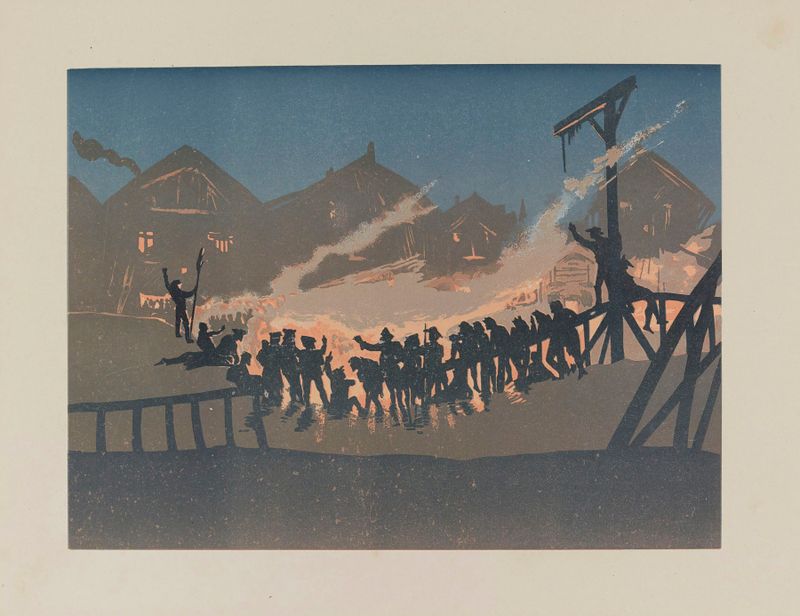
La Cour des Miracles
Henri-Eugène Callot

Paris, sa gloire et ses rayons – cover
Henri-Eugène Callot

Les Porcherons
Henri-Eugène Callot
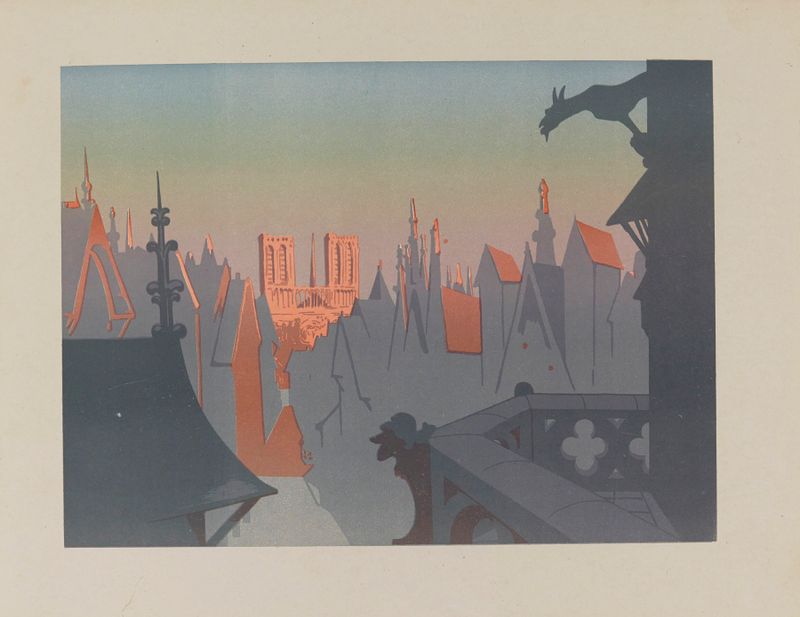
Notre-Dame
Henri-Eugène Callot
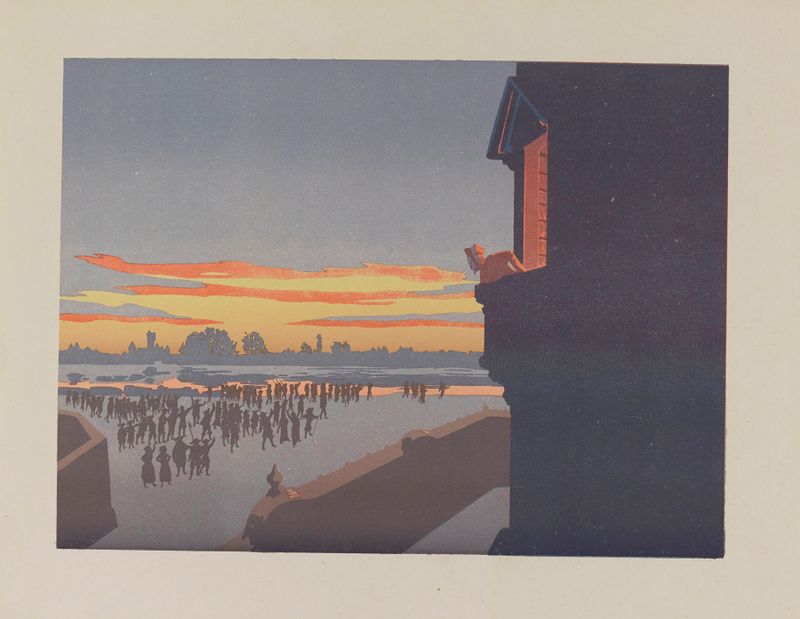
La Fronde
Henri-Eugène Callot
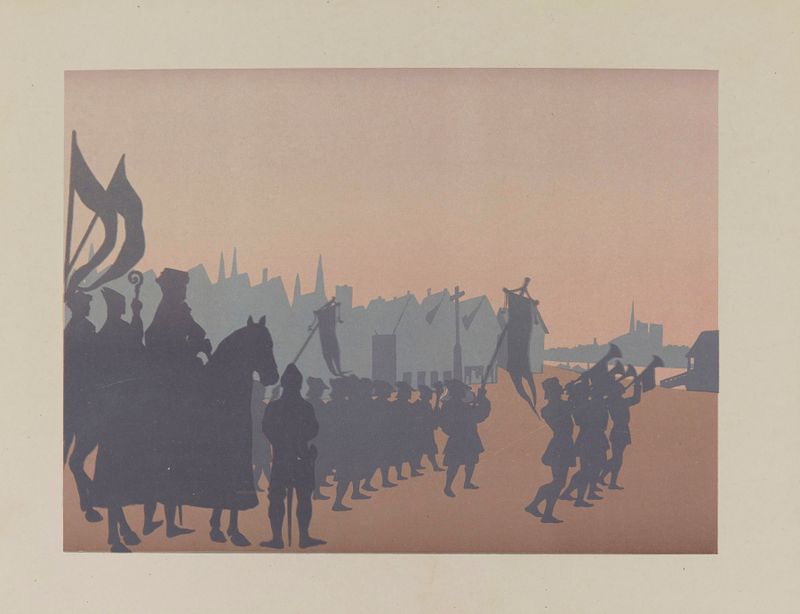
Etienne Marcel
Henri-Eugène Callot

St Geneviéve
Henri-Eugène Callot
More Architecture Art
Browse all →
The statue of Liberty
Frédéric Auguste Bartholdi

View of Houses in Delft, Known as ‘The Little Street’
Johannes Vermeer

View of Houses in Delft, Known as ‘The Little Street’
Johannes Vermeer

The Cathedral in Rouen. The portal, Grey Weather
Claude Monet

The yellow house
Vincent van Gogh

The Church in Auvers-sur-Oise, View from the Chevet
Vincent van Gogh