
Les Normands — History & Facts
What if beauty was never meant to be finished? In the gaze of a viewer, the evolving forms of Les Normands seem to whisper the promise of an endless journey, a dance suspended between reality and imagination. Look closely at the figures clustered in the foreground; the vibrancy of their garments invites your attention first. The bold reds and deep greens are juxtaposed against softer, muted backgrounds, crafting a lively tapestry of movement. Notice how the intricate detailing in the attire intertwines with the flowing lines of their postures, guiding your eye through a narrative that is both lively and layered.
The artist’s deft brushwork captures a fleeting moment, reminding us of the impermanence of beauty, while the gentle play of light emphasizes the vibrancy and emotion woven into each figure. Delve deeper, and you will find hidden narratives in the composition. The relaxed, yet engaged stance of the central figure contrasts with the more rigid postures of those surrounding them, suggesting a tension between individual expression and communal identity. Each character's gaze appears directed towards an unseen horizon, evoking a sense of longing or perhaps yearning for connection, while the serene landscape envelops them, representing nature's eternal embrace of human experience. In 1900, Callot painted Les Normands during a period marked by artistic exploration and the rise of modernism.
Working from his studio in Paris, he was influenced by the Impressionist movement, yet sought to forge his own path, capturing the essence of his subjects with both finesse and emotion. This work reflects his commitment to portraying the human spirit and beauty in everyday life, echoing the artistic dialogues of a rapidly changing world.
More Artworks by Henri-Eugène Callot
Browse all →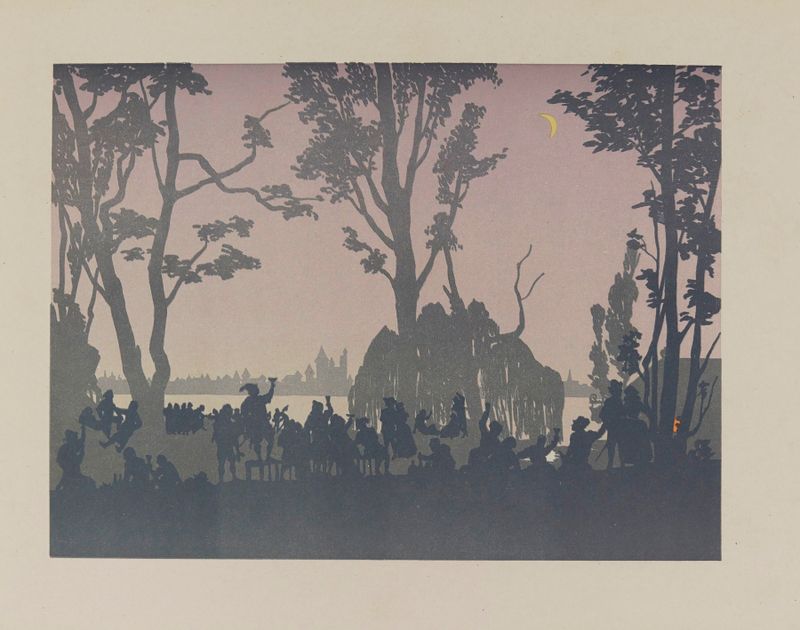
Le Pré aux Clercs
Henri-Eugène Callot
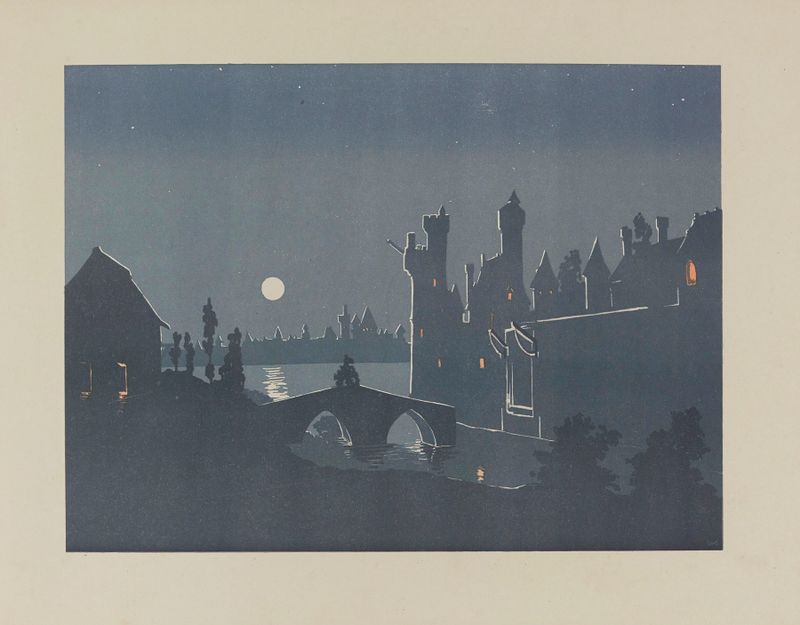
La Tour de Nesle
Henri-Eugène Callot
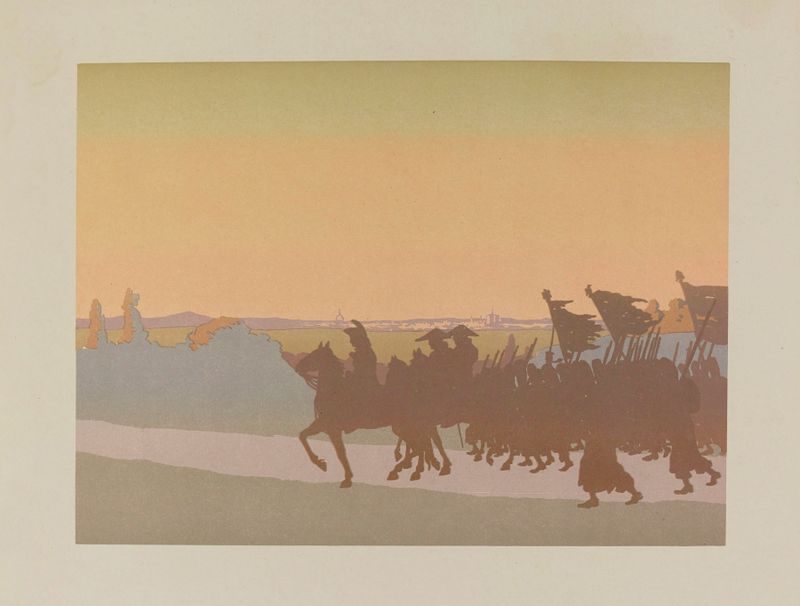
Les Volontaires-Le Retour
Henri-Eugène Callot
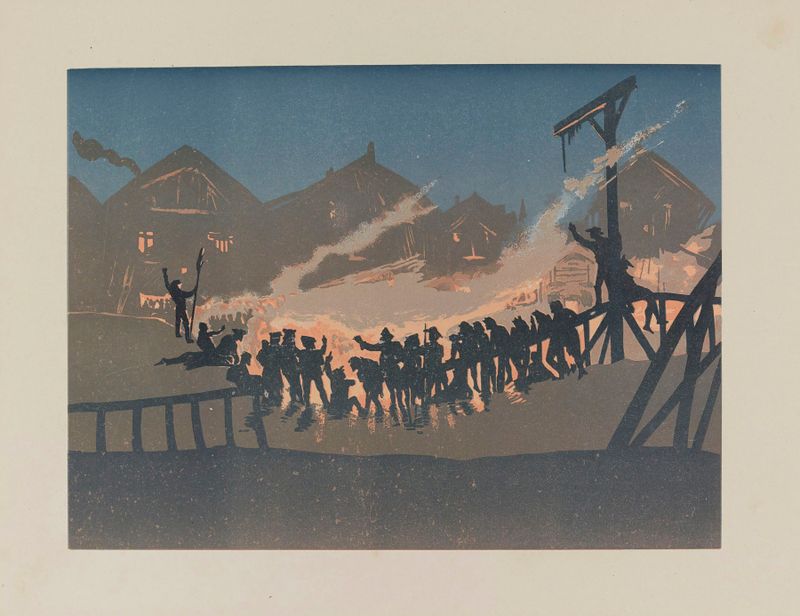
La Cour des Miracles
Henri-Eugène Callot

Paris, sa gloire et ses rayons – cover
Henri-Eugène Callot

Les Porcherons
Henri-Eugène Callot
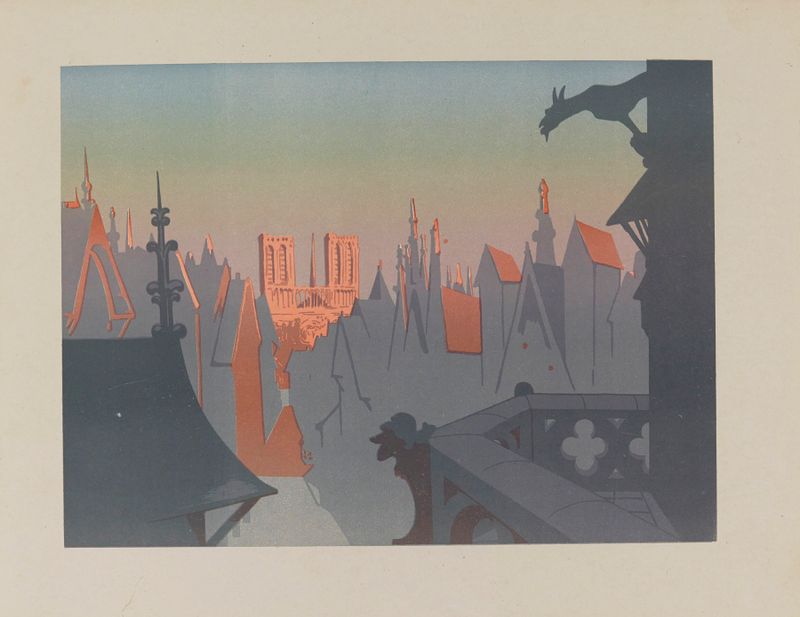
Notre-Dame
Henri-Eugène Callot
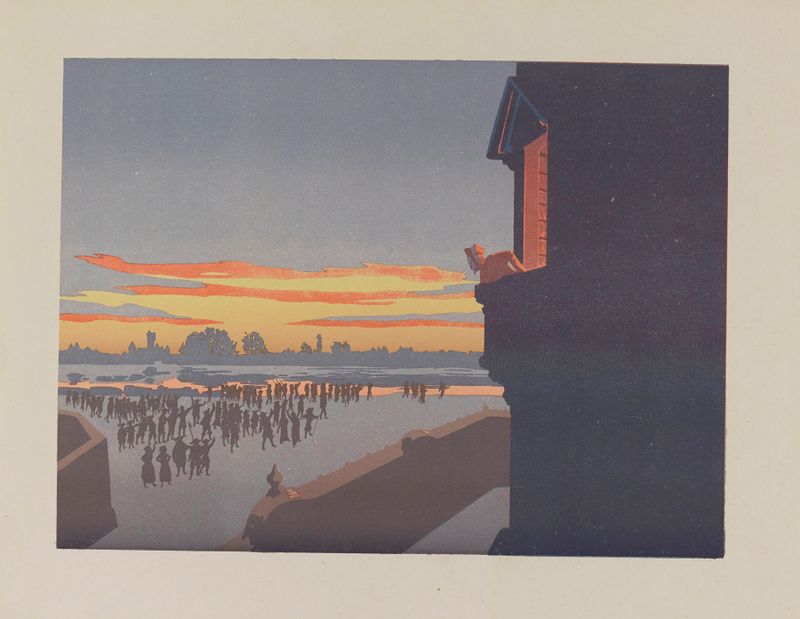
La Fronde
Henri-Eugène Callot
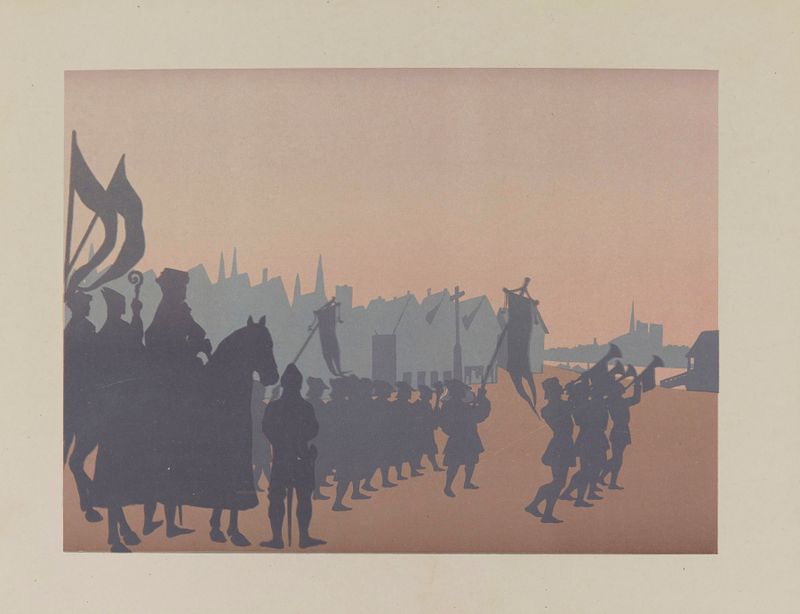
Etienne Marcel
Henri-Eugène Callot

St Geneviéve
Henri-Eugène Callot
More Historical Art
Browse all →
The Night Watch Militia Company of District II under the Command of Captain Frans Banninck Cocq
Rembrandt van Rijn

Lincoln Memorial
Henry Bacon

The Third of May 1808
Francisco de Goya

Isaac and Rebecca, Known as ‘The Jewish Bride’
Rembrandt van Rijn

The Charge of the Mamelukes (1814)
Francisco de Goya

De vier ruiters van de apocalyps
Albrecht Dürer