
La Cour des Miracles — History & Facts
In a fog-tinged Paris alley, shadows glide with purpose. A group of ragged figures congregates, cloaked in mystery and mischief, their faces hidden beneath worn hoods. The air hums with whispered secrets, punctuated by the flicker of a dim lantern, revealing furtive glances exchanged in the flickering light. Look closely at the left side of the canvas where the lantern’s glow softly illuminates a weathered face, lined with stories untold.
The figures around him are arranged in a dynamic composition that draws the eye deeper into the scene, their postures both conspiratorial and relaxed. Notice how the rich, muted colors create a tangible sense of companionship, contrasting with the harshness of their surroundings. Callot’s deft use of light and shadow enhances the intimate atmosphere while emphasizing the rough textures of the cobblestone street beneath their feet. Within this gathering lies a poignant narrative of survival and resilience.
The juxtaposition of the warm light and the cool-toned shadows hints at the duality of their lives—moments of camaraderie amid the struggles of poverty. Each figure, though seemingly isolated in their plight, is bound together by shared experiences, symbolizing the strength found in community against the backdrop of societal neglect. The reflection of their world is one of both despair and defiance. In 1900, the artist captured this vibrant yet somber portrayal in Paris, a city grappling with rapid industrialization and societal upheaval.
Callot, deeply influenced by the realities of urban life, painted amidst a growing awareness of social issues, reflecting a contemporary art scene that began to embrace more intimate and raw depictions of humanity. It was a time when the voices of the marginalized began to resonate more loudly in the art world, paving the way for future movements focused on the human condition.
More Artworks by Henri-Eugène Callot
Browse all →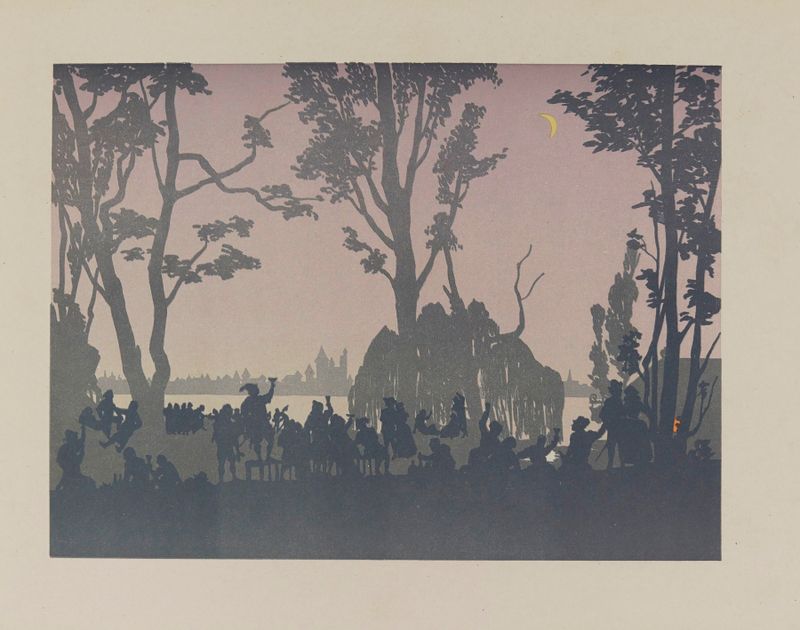
Le Pré aux Clercs
Henri-Eugène Callot
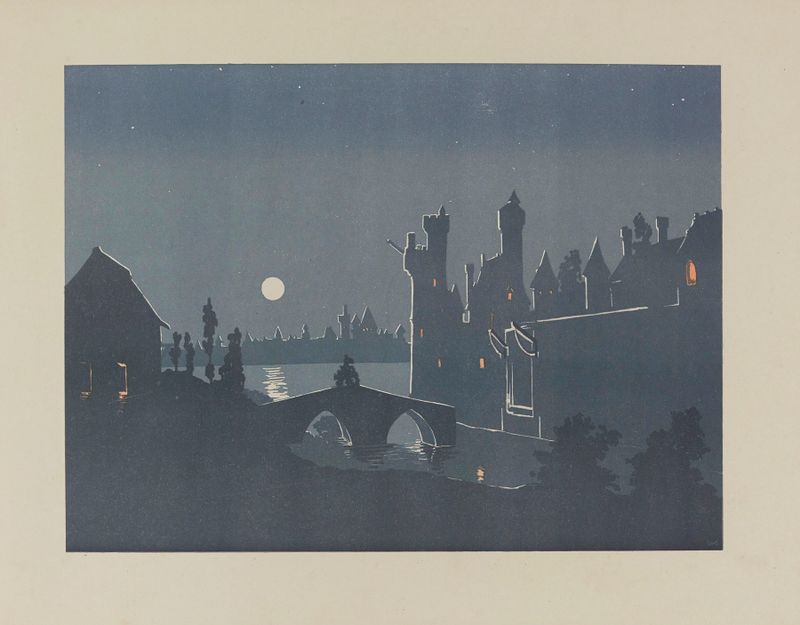
La Tour de Nesle
Henri-Eugène Callot
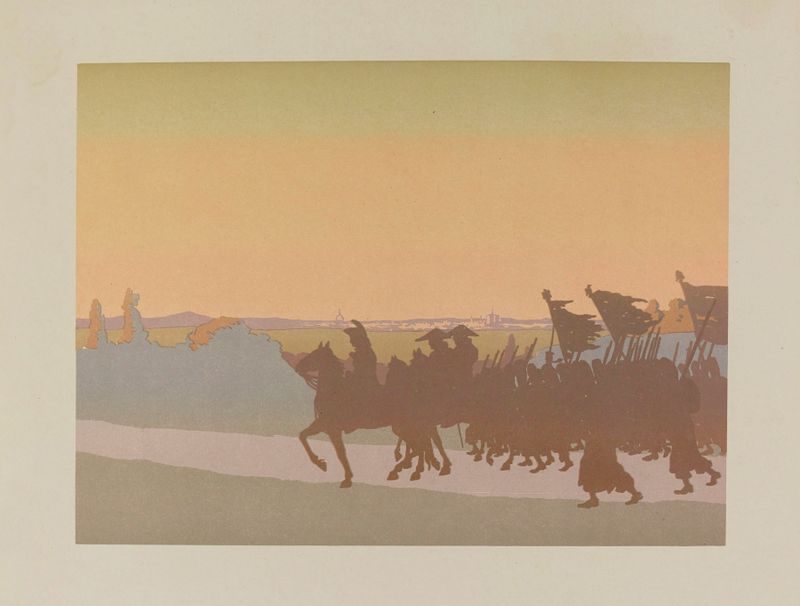
Les Volontaires-Le Retour
Henri-Eugène Callot

Les Normands
Henri-Eugène Callot

Paris, sa gloire et ses rayons – cover
Henri-Eugène Callot

Les Porcherons
Henri-Eugène Callot
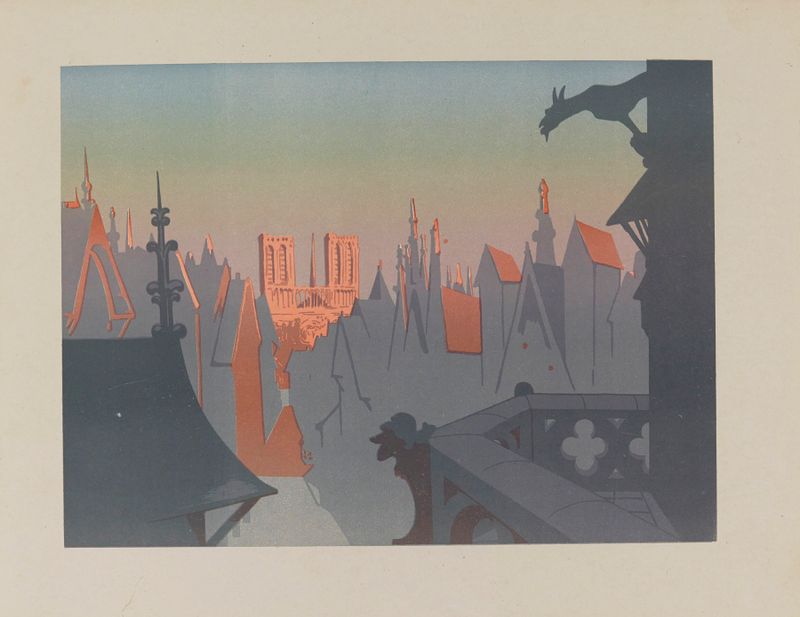
Notre-Dame
Henri-Eugène Callot
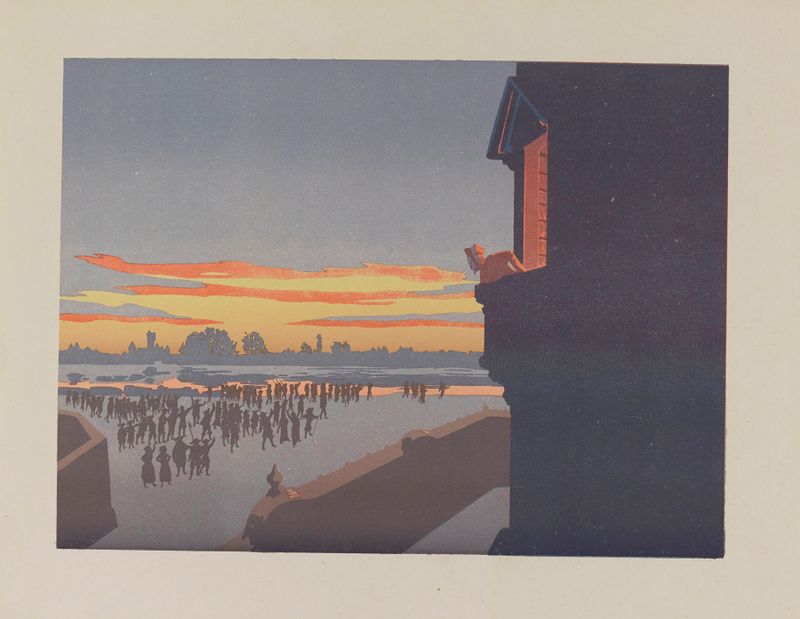
La Fronde
Henri-Eugène Callot
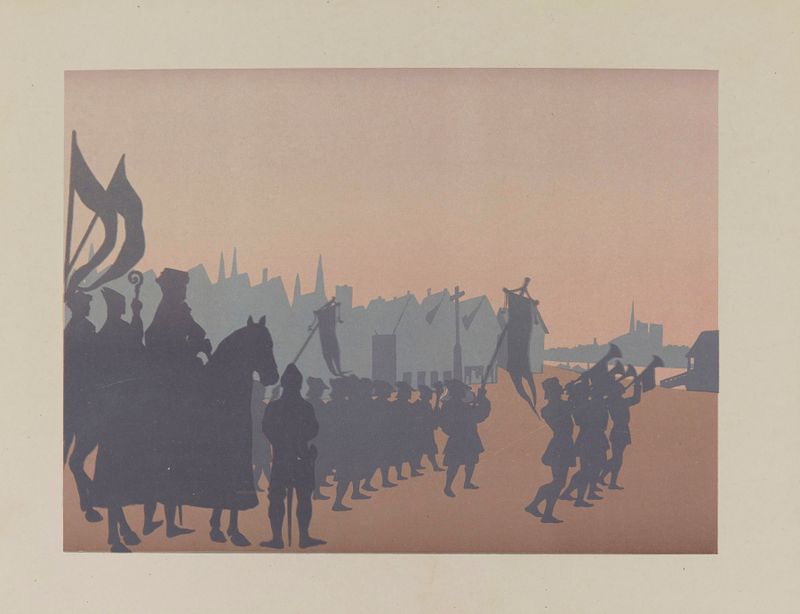
Etienne Marcel
Henri-Eugène Callot

St Geneviéve
Henri-Eugène Callot





