
Notre-Dame — History & Facts
In the canvas of life, every brushstroke captures fleeting moments, yet some hold revelations that resonate through time. Focus on the intricate façade of the cathedral, where each stone seems alive with history. Notice how the play of light dances against the archways, illuminating the delicate spires that reach towards the heavens. The muted palette evokes a sense of nostalgia, while the meticulous details invite the viewer to linger, uncovering sacred narratives woven into the very fabric of the scene. Amidst the grandeur of this iconic structure, there are contrasts that reveal deeper truths.
Observe the juxtaposition of the towering architecture against the smallness of pedestrians, hinting at humanity's transient nature in the face of enduring monuments. The shadows cast by the cathedral suggest untold stories, whispering of the lives touched by its presence, while moments of light break through, symbolizing hope and revelation in a world often clouded by forgetfulness. Henri-Eugène Callot painted this work in 1900, a time when Paris was experiencing rapid modernization and cultural change. As the world around him evolved, he reflected on the permanence of symbols like Notre-Dame, capturing the spirit of an era while acknowledging the inevitable passage of time.
His artistic journey was marked by a desire to honor the past, even as the future loomed large on the horizon.
More Artworks by Henri-Eugène Callot
Browse all →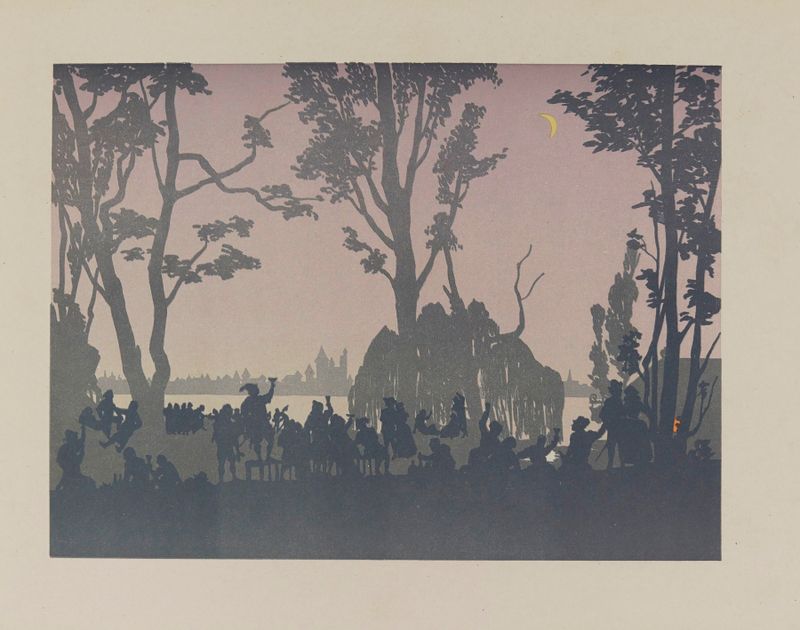
Le Pré aux Clercs
Henri-Eugène Callot
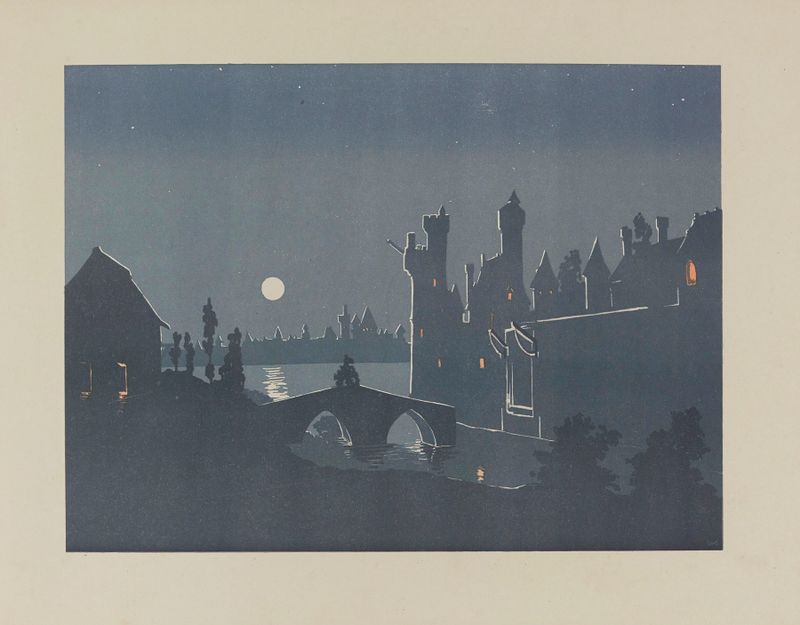
La Tour de Nesle
Henri-Eugène Callot
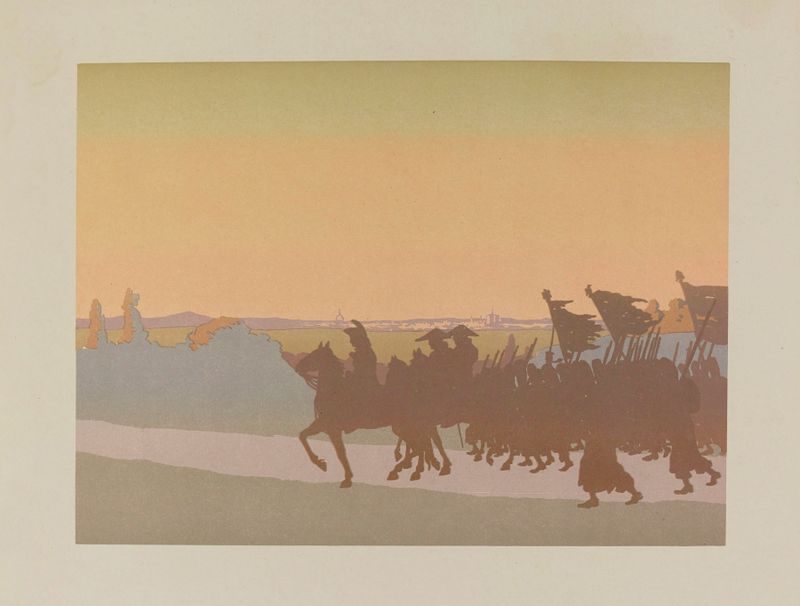
Les Volontaires-Le Retour
Henri-Eugène Callot

Les Normands
Henri-Eugène Callot
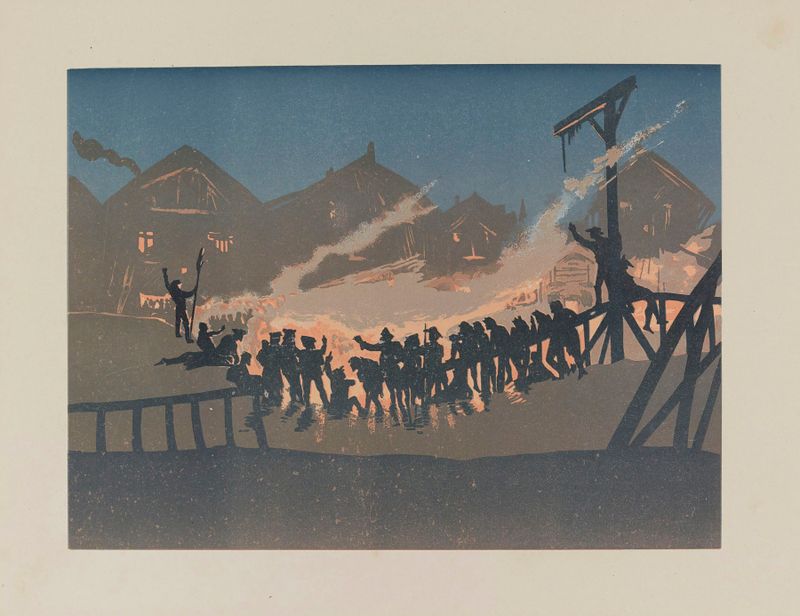
La Cour des Miracles
Henri-Eugène Callot

Paris, sa gloire et ses rayons – cover
Henri-Eugène Callot

Les Porcherons
Henri-Eugène Callot
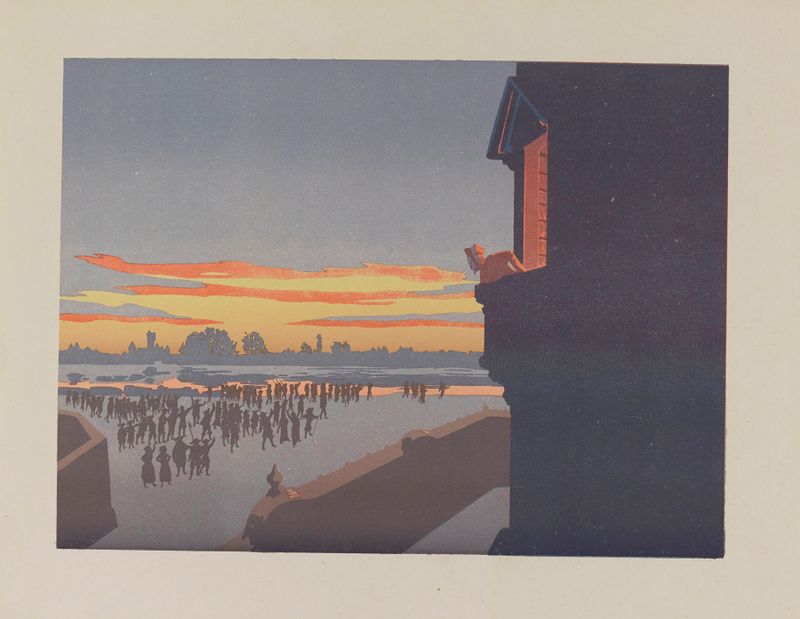
La Fronde
Henri-Eugène Callot
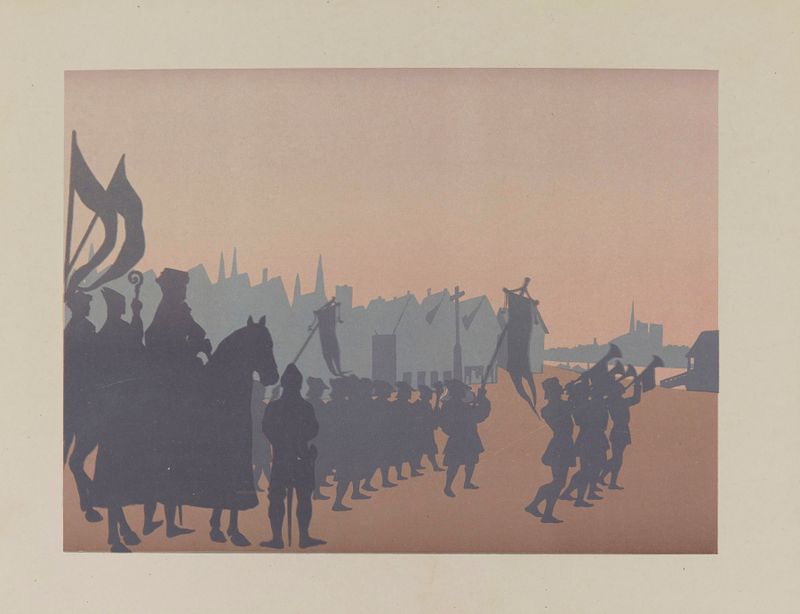
Etienne Marcel
Henri-Eugène Callot

St Geneviéve
Henri-Eugène Callot
More Architecture Art
Browse all →
The statue of Liberty
Frédéric Auguste Bartholdi

View of Houses in Delft, Known as ‘The Little Street’
Johannes Vermeer

View of Houses in Delft, Known as ‘The Little Street’
Johannes Vermeer

The Cathedral in Rouen. The portal, Grey Weather
Claude Monet

The yellow house
Vincent van Gogh

The Church in Auvers-sur-Oise, View from the Chevet
Vincent van Gogh