
Les Volontaires-Le Retour — History & Facts
Who listens when art speaks of silence? In Les Volontaires-Le Retour, the haunting decay of forgotten moments stirs a profound conversation about memory and loss. Look to the center of the canvas, where a weary line of soldiers trudges homeward, their figures rendered in muted tones that evoke the pallor of fading dreams. Notice how the somber earth tones contrast with the delicate hints of green in the grass, suggesting a world caught between life and desolation. The use of chiaroscuro subtly highlights the weariness etched on their faces, while the soft light imparted from an unseen horizon casts an eerie glow, illuminating their path yet shrouding them in uncertainty. In the background, the crumbling ruins loom, embodying a profound sense of decay that resonates with the soldiers' fatigue.
Each figure appears burdened, not just by their physical toll, but by the weight of memories, aspirations, and the haunting echoes of what has been lost. The juxtaposition between the vibrant green of the grass and the dullness of their uniforms illustrates a stark contrast between hope and despair, emphasizing the transient nature of glory and the harsh reality of return. Created in 1900, this piece emerged during a time when the artist, Callot, was deeply influenced by the effects of war and the changing social landscape in France. As avant-garde movements began to challenge conventional forms, he sought to capture the essence of human struggle and resilience in the face of adversity, forging a path that would resonate through the ages.
More Artworks by Henri-Eugène Callot
Browse all →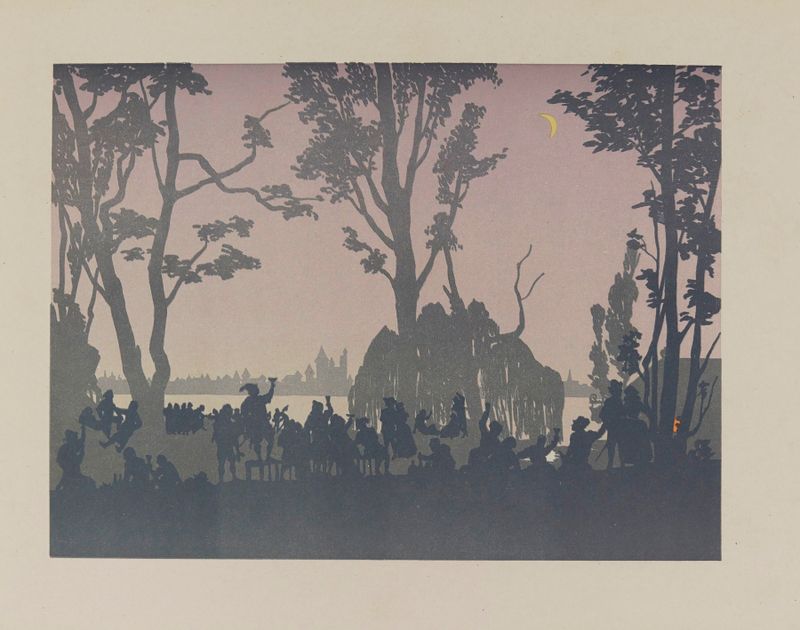
Le Pré aux Clercs
Henri-Eugène Callot
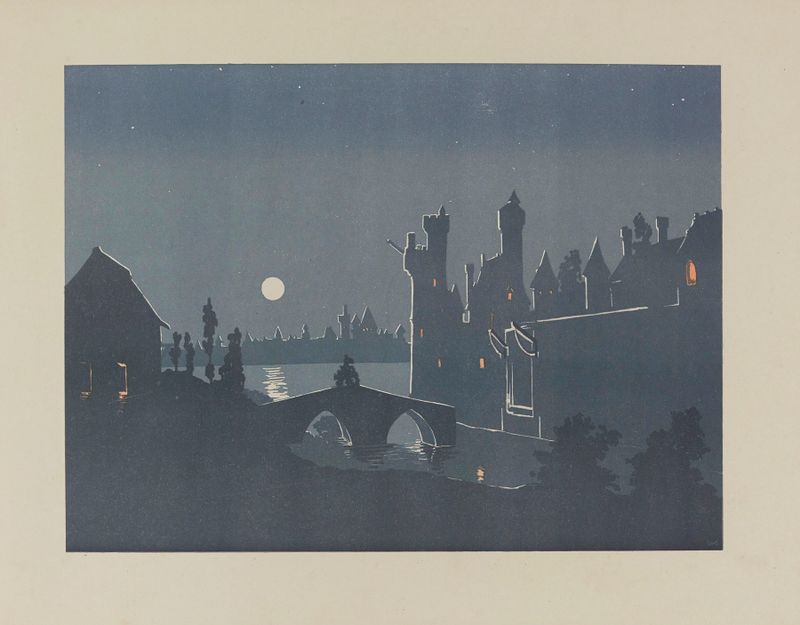
La Tour de Nesle
Henri-Eugène Callot

Les Normands
Henri-Eugène Callot
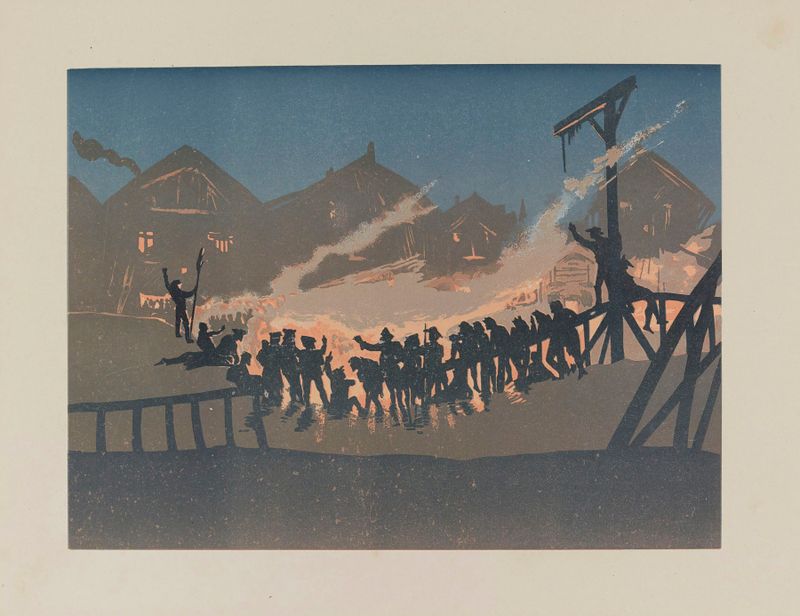
La Cour des Miracles
Henri-Eugène Callot

Paris, sa gloire et ses rayons – cover
Henri-Eugène Callot

Les Porcherons
Henri-Eugène Callot
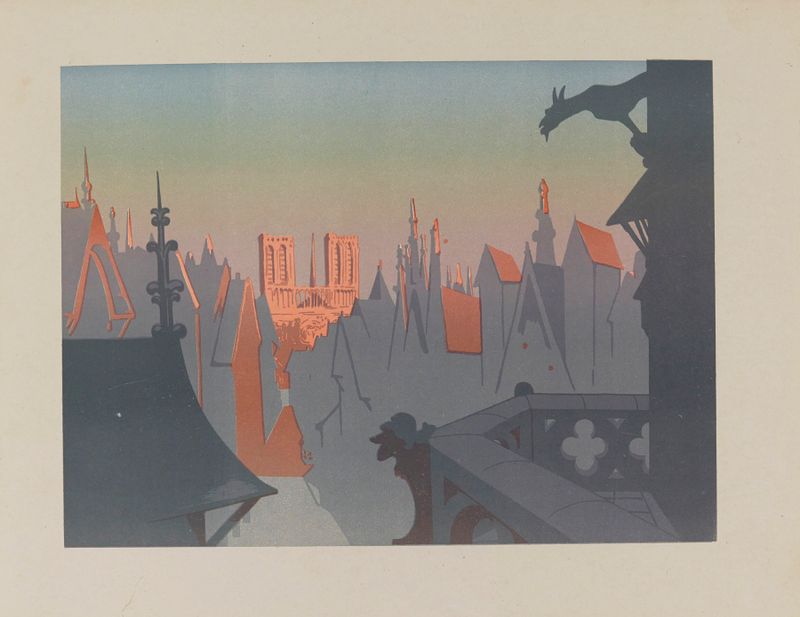
Notre-Dame
Henri-Eugène Callot
La Fronde
Henri-Eugène Callot
Etienne Marcel
Henri-Eugène Callot

St Geneviéve
Henri-Eugène Callot
More Historical Art
Browse all →
The Night Watch Militia Company of District II under the Command of Captain Frans Banninck Cocq
Rembrandt van Rijn

Lincoln Memorial
Henry Bacon

The Third of May 1808
Francisco de Goya

Isaac and Rebecca, Known as ‘The Jewish Bride’
Rembrandt van Rijn

The Charge of the Mamelukes (1814)
Francisco de Goya

De vier ruiters van de apocalyps
Albrecht Dürer