
La halte des chameliers — History & Facts
Where does light end, and longing begin? In moments of stillness, the heart beats louder than the chaos of the world outside. Focus on the intricate interplay of light and shadow in La halte des chameliers. Look closely at the sun-drenched figures, their clothes drenched in earthy tones, harmonizing with the muted backdrop of desert sands. Notice how the artist captures the texture of their garments, each fold and crease a testament to the hardships of a life spent under an unyielding sky.
The gentle glow illuminating their faces not only hints at the heat of the day but also reflects the weight of unspoken dreams, making the viewer an unwitting participant in their quiet respite. Delve deeper into the emotional landscape that Frère has crafted. The juxtaposition of the weary camels and their resting guides speaks to a moment of pause amidst a relentless journey, perhaps echoing the broader human experience during times of revolution and upheaval. The stillness of the scene contrasts sharply with the chaos often associated with such historical moments, inviting contemplation on the nature of peace and the longing for stability.
Each figure seems suspended in a fragile equilibrium, embodying both the physical exhaustion of their journey and an inner desire for what lies beyond the horizon. During the time La halte des chameliers was painted, Charles Théodore Frère was immersed in the rich cultural exchanges of mid-19th century France, influenced by Orientalism and the growing fascination with the East. Although the exact date of this work is unclear, this period saw both artistic reflection and political revolutions throughout Europe. Frère's keen eye captured not just the external beauty of his subjects, but also the internal tensions of a world grappling with change.
More Artworks by Charles Théodore Frère
Browse all →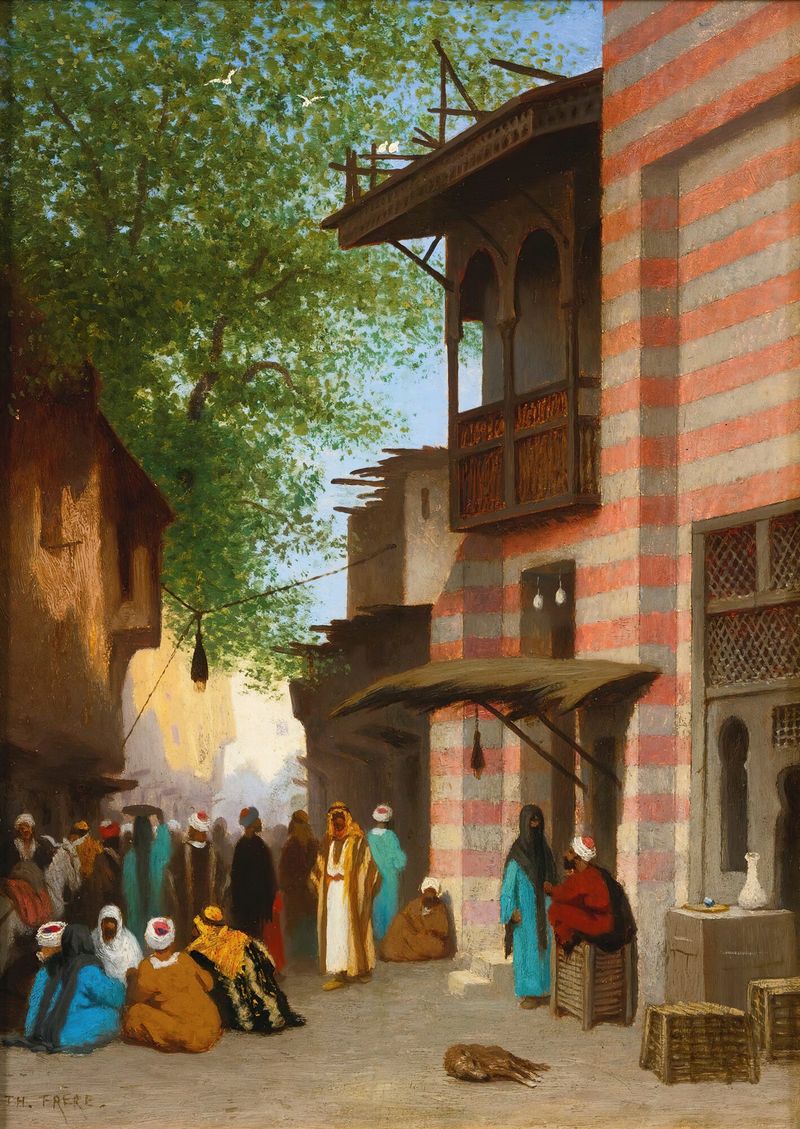
A street scene, North Africa
Charles Théodore Frère
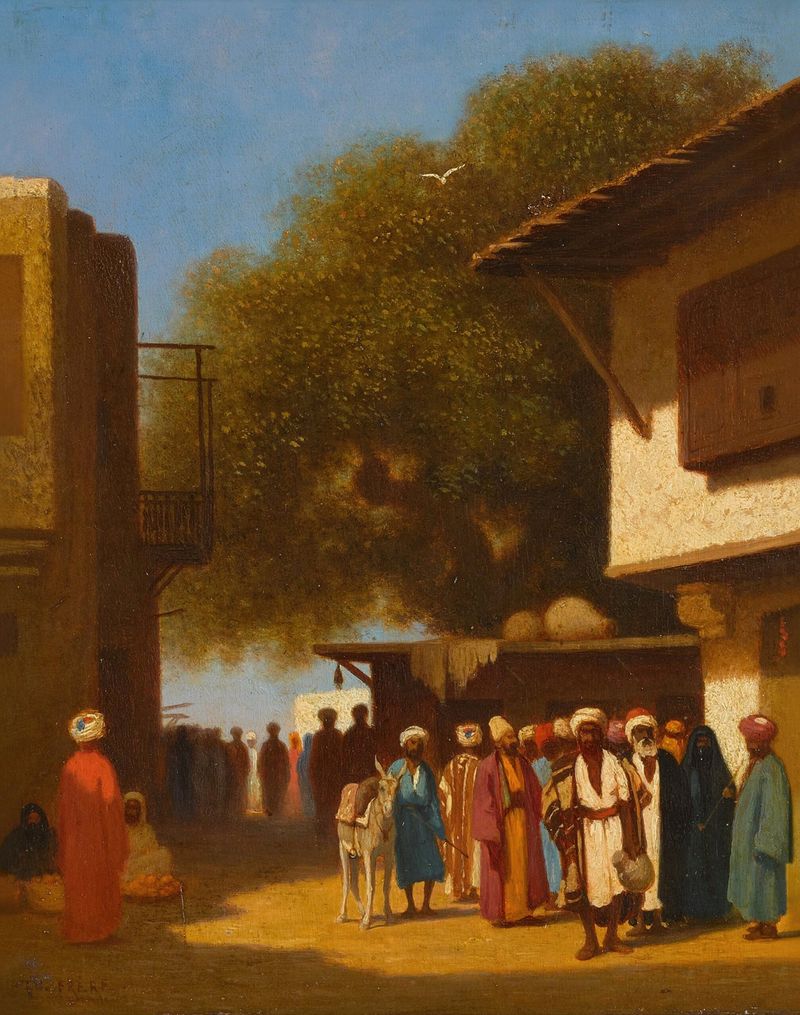
Street in Cairo
Charles Théodore Frère
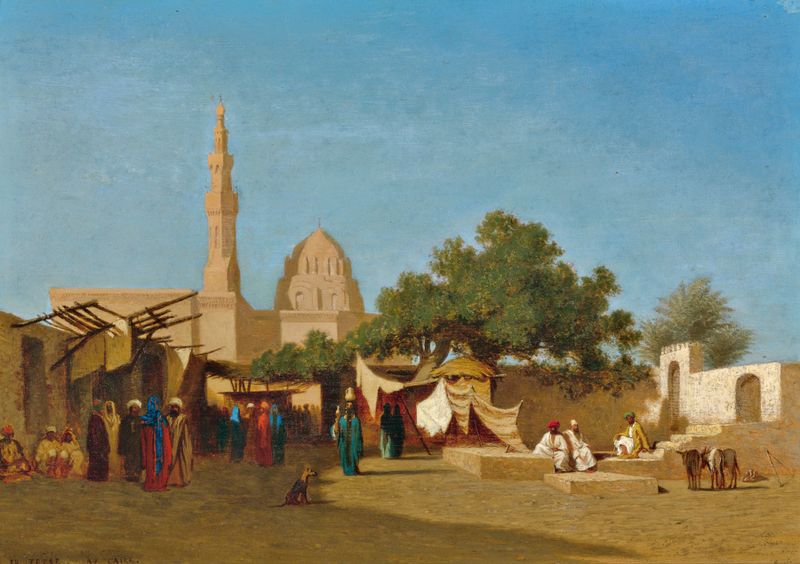
La Mosquée Du Sultan Hassan, Caire
Charles Théodore Frère
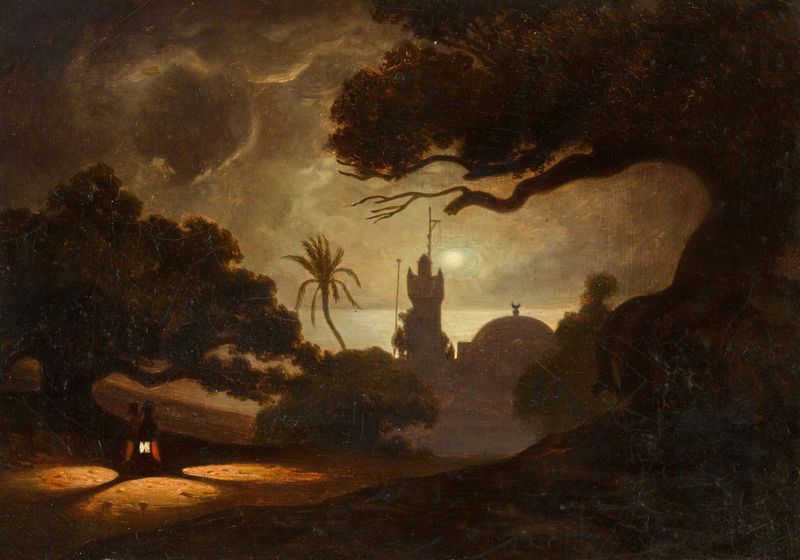
Mosque in the Moonlight
Charles Théodore Frère
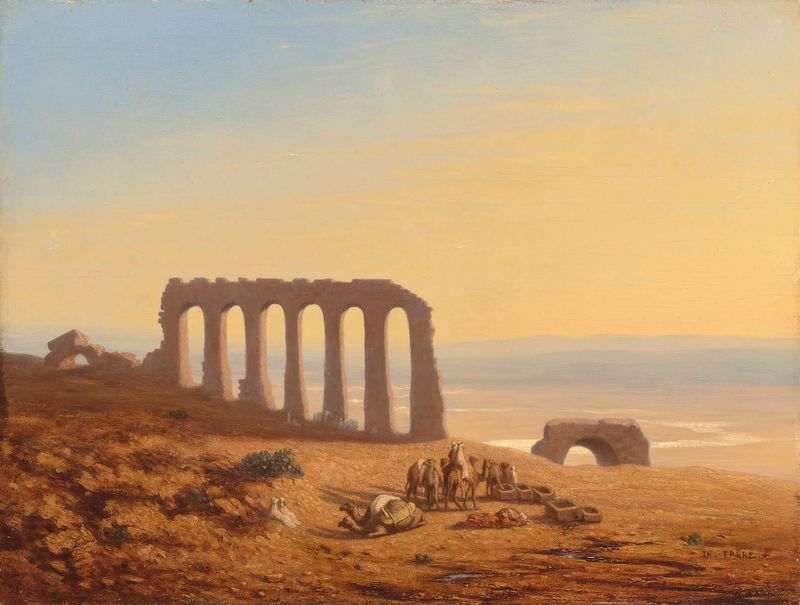
A Bedouin encampment surrounded by ruins
Charles Théodore Frère

A Camel Caravan
Charles Théodore Frère

Caravane traversant le désert
Charles Théodore Frère
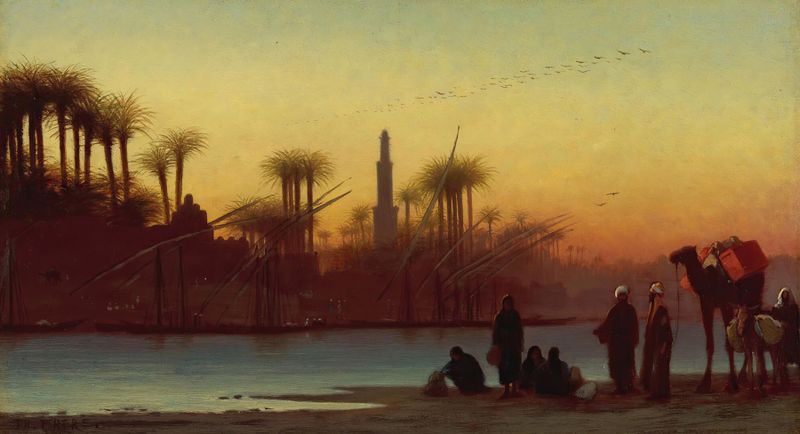
Near Manfalout, Egypt
Charles Théodore Frère

A Bazaar in Cairo
Charles Théodore Frère
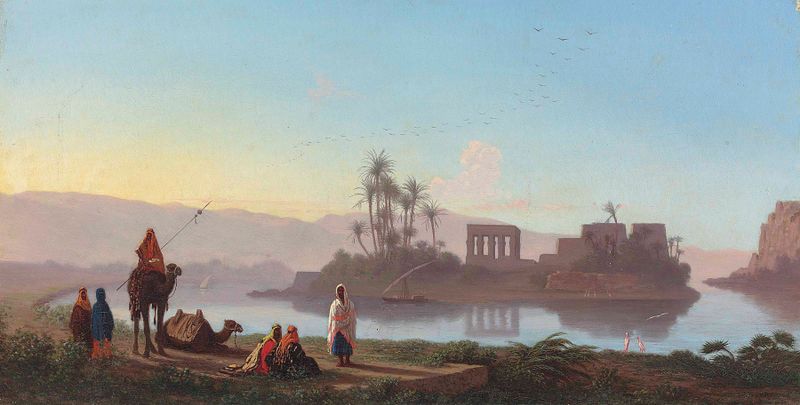
Vue de L’Ile de Philae, Nubie
Charles Théodore Frère





