
La lavandera — History & Facts
Could a single brushstroke hold eternity? In La lavandera, the weight of grief lingers like a whispered memory, etched delicately into each fold of fabric and shadow. Look to the left where the figure of the washerwoman stands, her back turned, a testament to labor woven into her very being. The muted colors—grays and browns—create an atmosphere that feels heavy yet serene, as if the hues themselves carry the burden of untold stories. Notice how the light filters through the trees, casting dappled patterns on her simple attire, illuminating her hands that tirelessly scrub the clothes, imbuing the scene with a pulse of life amidst a quiet struggle. Delve deeper into the contrasts within the composition.
The juxtaposition of the woman’s solitary figure against the expansive landscape speaks to feelings of isolation, reflecting the emotional weight of loss in the act of daily toil. Each ripple in the water suggests a connection to a life beyond the present, hinting at memories submerged beneath the surface. The viewer can sense her connection to nature, both nurturing and oppressive, as if the environment around her bears witness to her unyielding sorrow. During the years between 1840 and 1870, Prilidiano Pueyrredòn painted this work while navigating the complexities of Argentine identity and the rise of realism in art.
Situated within a transforming society, he sought to capture the essence of everyday life, particularly the often-overlooked struggles of women, reflecting the broader socio-political changes occurring in his country.
More Artworks by Prilidiano Pueyrredòn
Browse all →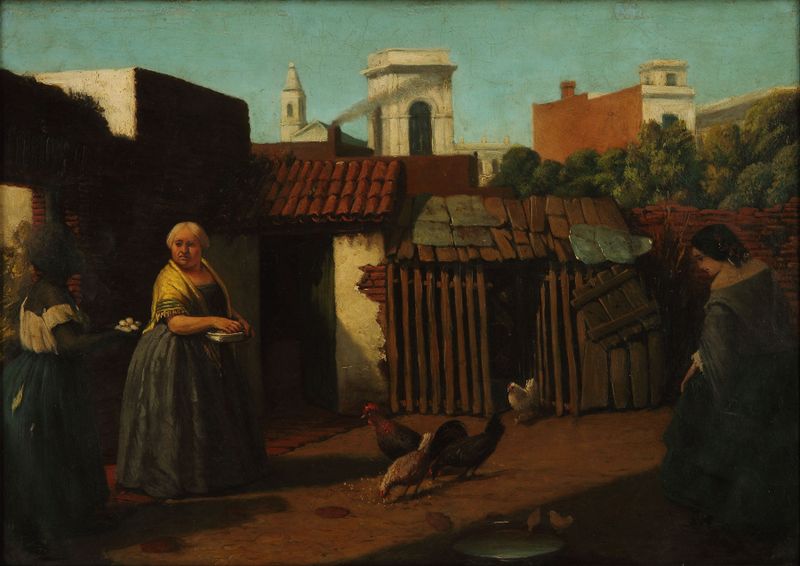
Patio porteño en 1850
Prilidiano Pueyrredòn

El rodeo
Prilidiano Pueyrredòn
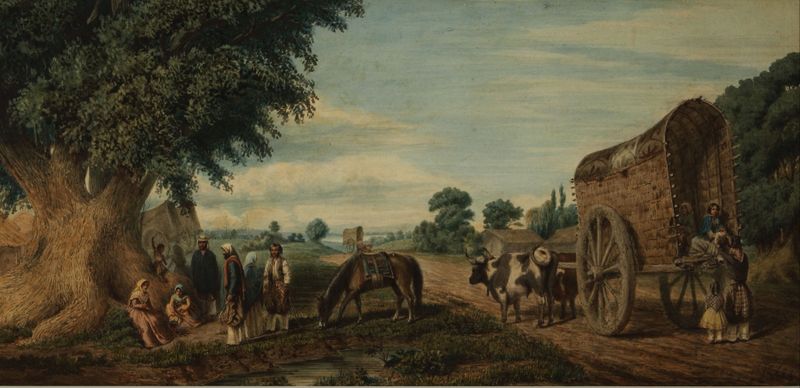
Un domingo en los suburbios de San Isidro
Prilidiano Pueyrredòn
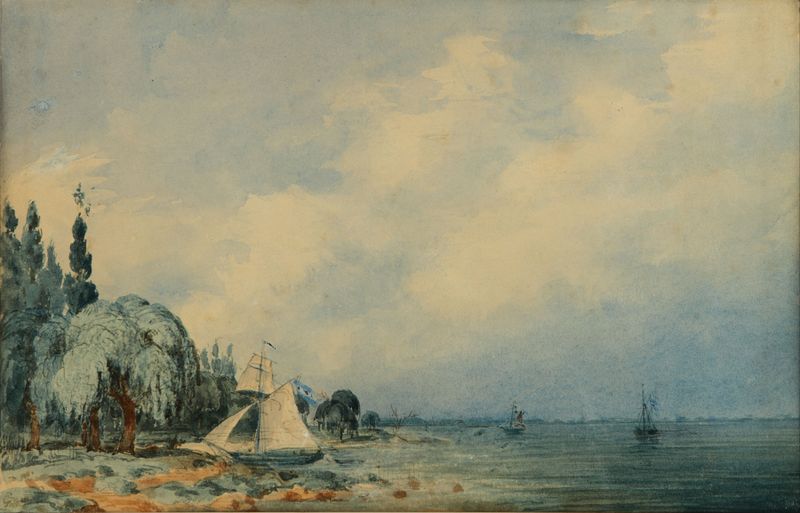
Paisaje de la costa (San Isidro)
Prilidiano Pueyrredòn

Paisaje (Tres Bocas Tigre)
Prilidiano Pueyrredòn
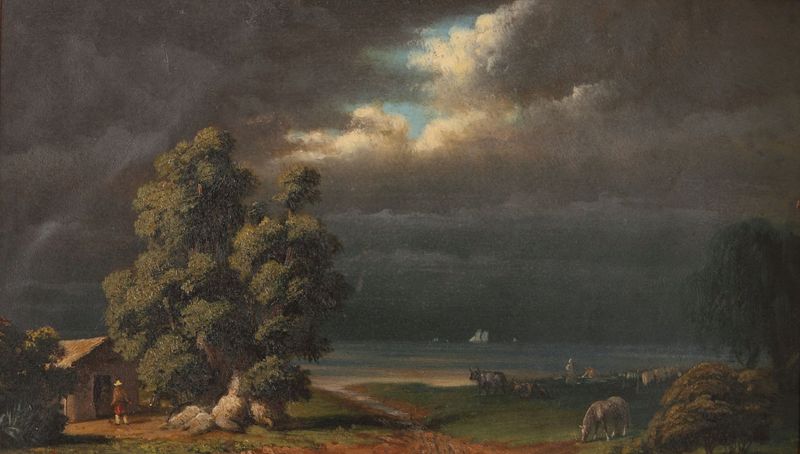
Costa del Rio de la Plata
Prilidiano Pueyrredòn

Sacada de la red, Bs.As.
Prilidiano Pueyrredòn

Paisaje (Granja europea)
Prilidiano Pueyrredòn

Bosque de Palermo
Prilidiano Pueyrredòn

Paisaje con barcos
Prilidiano Pueyrredòn





