
La Loire À Bonny — History & Facts
Did the painter know this moment would outlive them? The quiet flow of the Loire, captured in the gentle strokes of a master, speaks to the inevitability of time's passage and the decay nestled within beauty itself. Focus on the soft hues of blue and green that dance across the canvas, illustrating the river’s serene surface. Look to the left, where lush trees lean toward the water, their reflections softly rippling, almost dissolving. The delicate interplay of light and shadow reveals Harpignies’ adeptness at creating depth, inviting viewers to step closer and engage with the natural world.
Each brushstroke breathes life into the scene, while the muted colors evoke a sense of nostalgia, an echo of a moment frozen in time. Within this landscape lies a poignant contrast between vitality and decay. Notice how the vibrant greens of the foliage juxtapose with the hints of browning leaves, suggesting the cyclical nature of life. The winding river, a metaphor for time itself, flows forward yet lingers both in its beauty and its transience.
The stillness of the scene evokes a bittersweet awareness of mortality, hinting at both the splendor and the fragility of existence. Harpignies painted La Loire À Bonny in 1893, during a period when Impressionism was gaining prominence and shifting the boundaries of traditional landscapes. This moment in his life found him in France, amidst a burgeoning community of artists who sought to capture fleeting moments of light and atmosphere. As he painted, he was likely influenced by the changing perception of nature in art, as well as the inevitable march toward modernity, a transition that embraced both the beauty of the past and the inevitability of decay.
More Artworks by Henri-Joseph Harpignies
Browse all →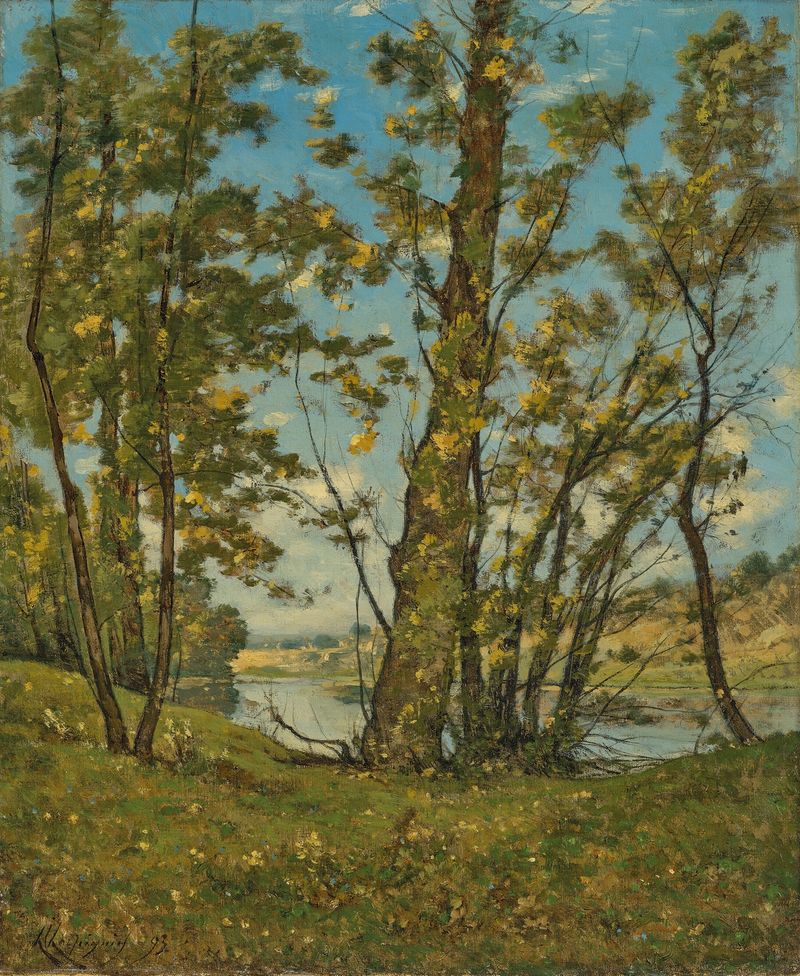
La Loire à Bonny
Henri-Joseph Harpignies
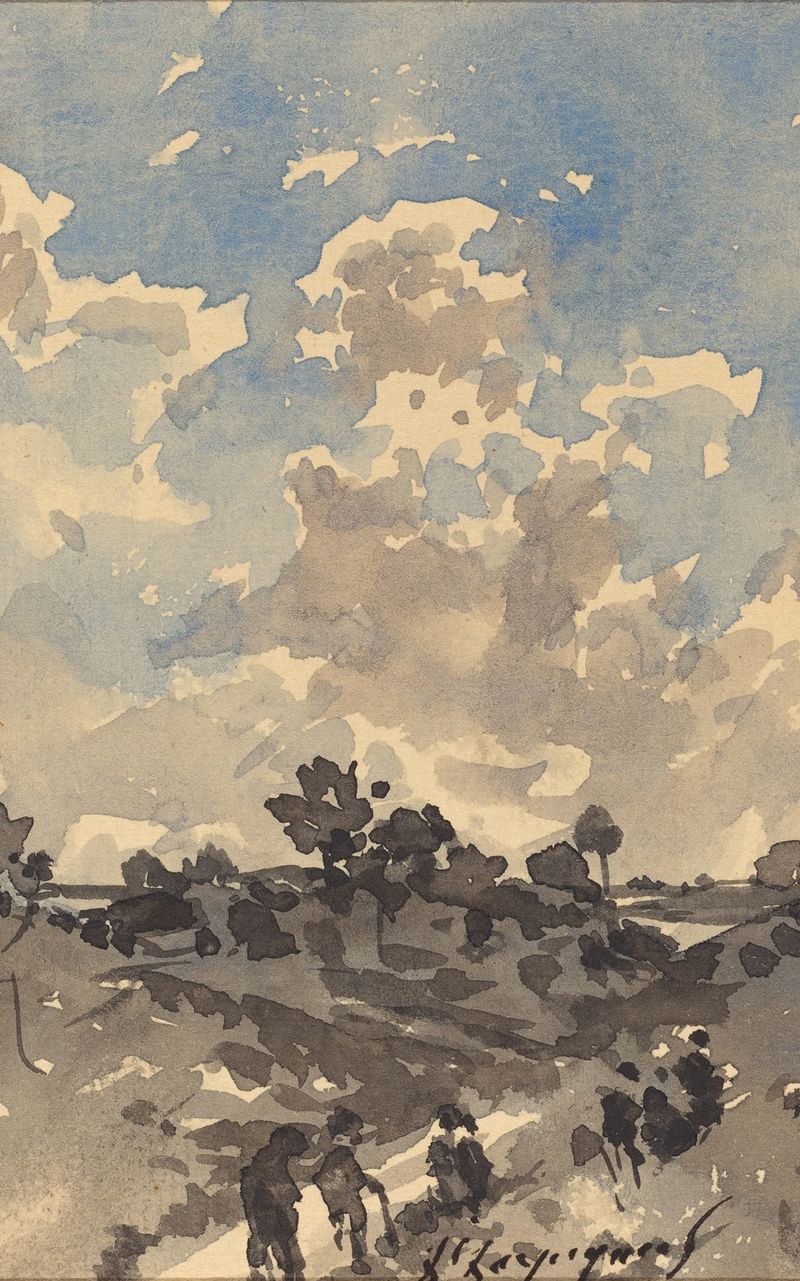
A Landscape with Figures Walking along a Path
Henri-Joseph Harpignies
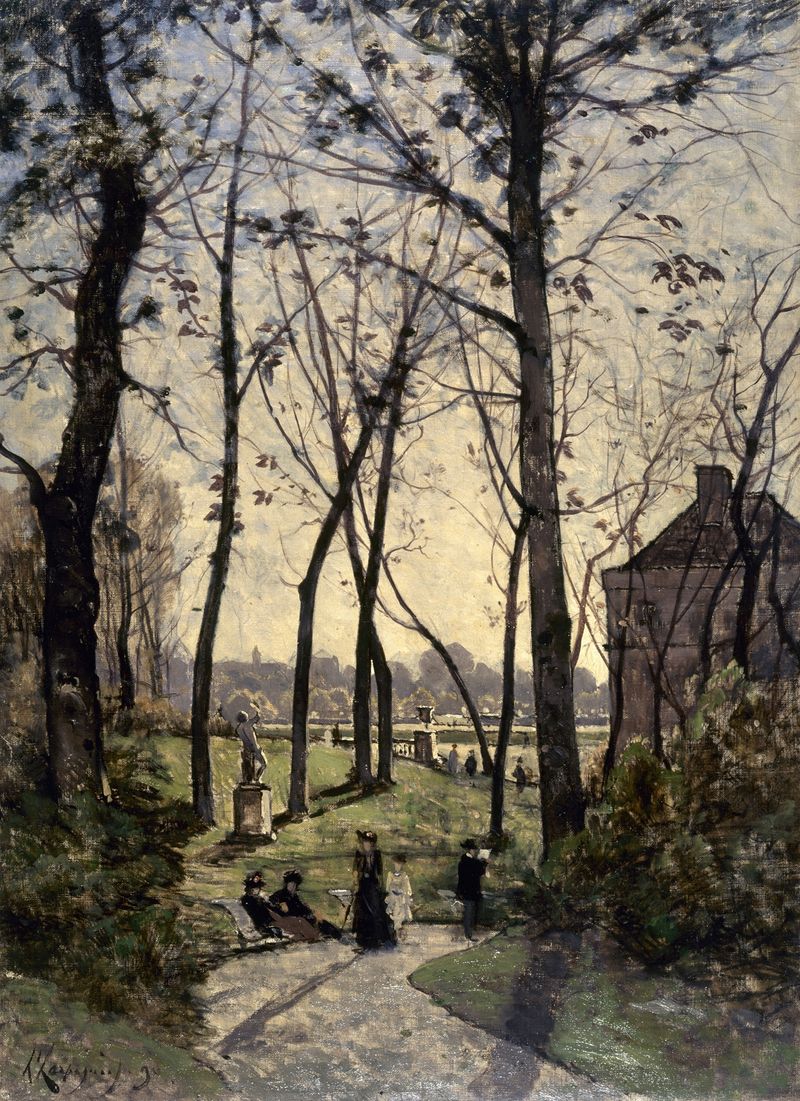
Le jardin du Luxembourg
Henri-Joseph Harpignies
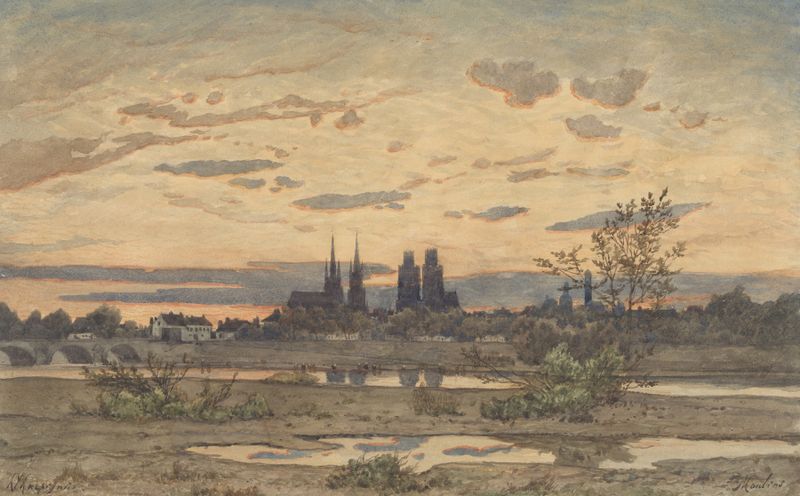
A View of Moulins
Henri-Joseph Harpignies
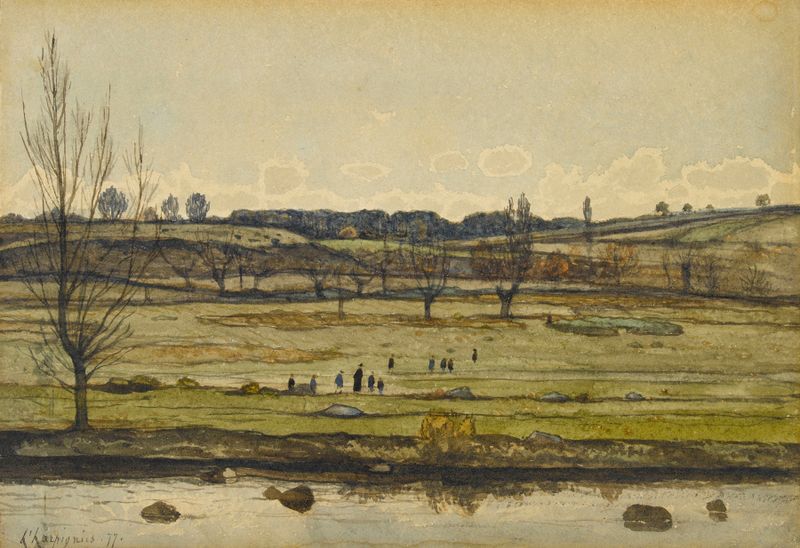
Paysage
Henri-Joseph Harpignies
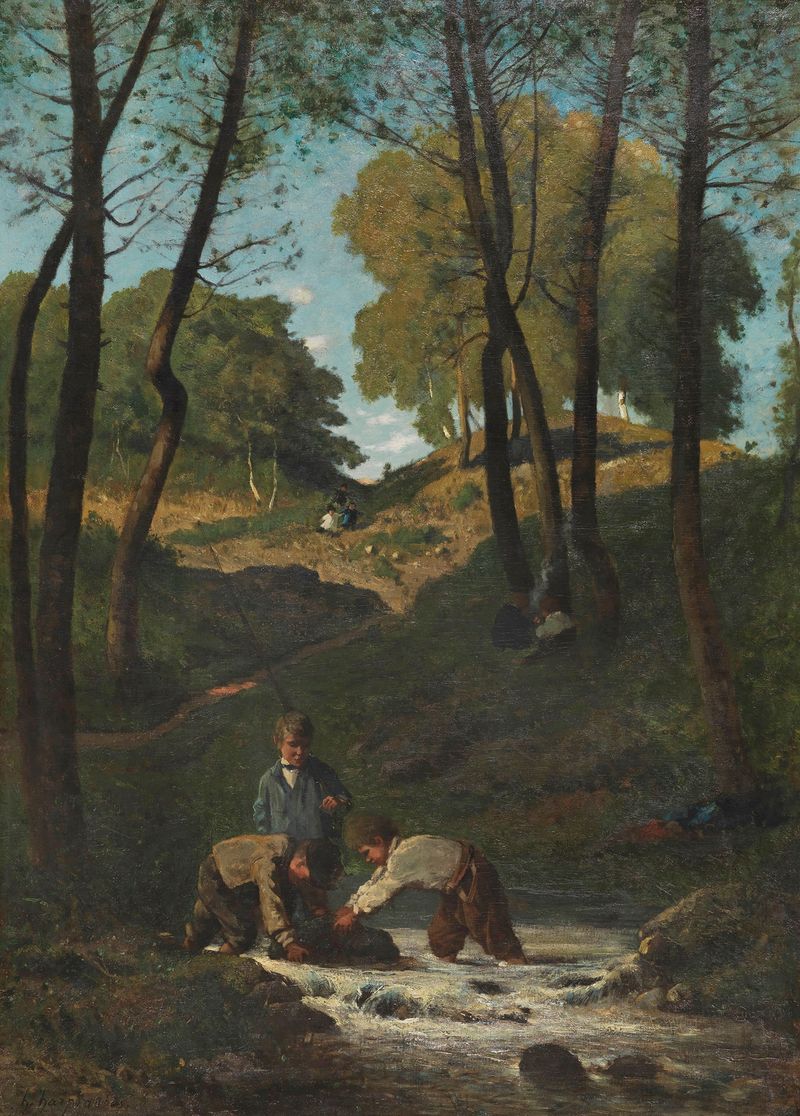
Chercheurs d’écrevisses
Henri-Joseph Harpignies
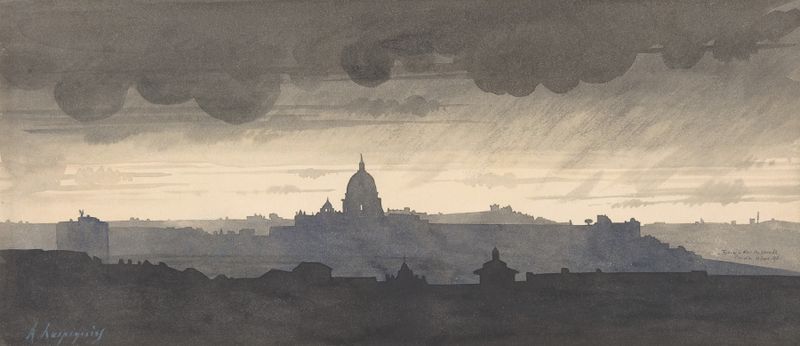
Saint Peter’s Seen From the Pincio, Rome
Henri-Joseph Harpignies
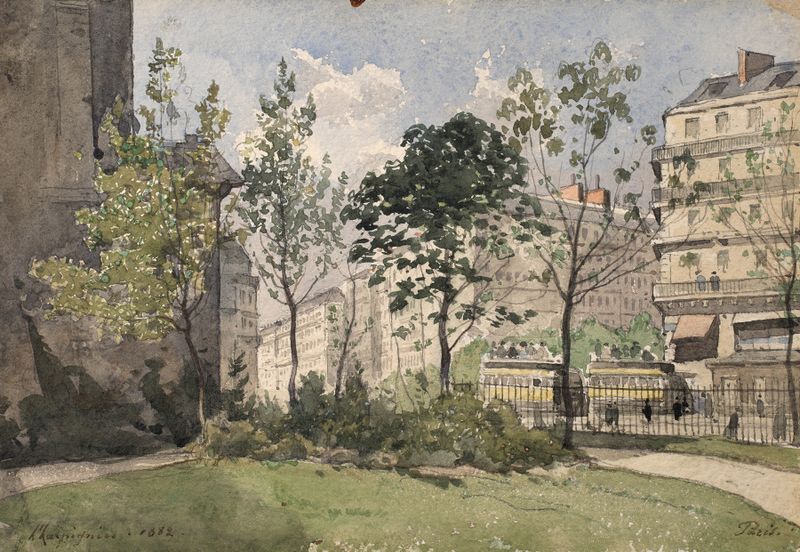
View of the forecourt of the Saint-Germain-des-Prés church
Henri-Joseph Harpignies
Le Colisée à Rome
Henri-Joseph Harpignies

Villefranche
Henri-Joseph Harpignies





