
Paysage — History & Facts
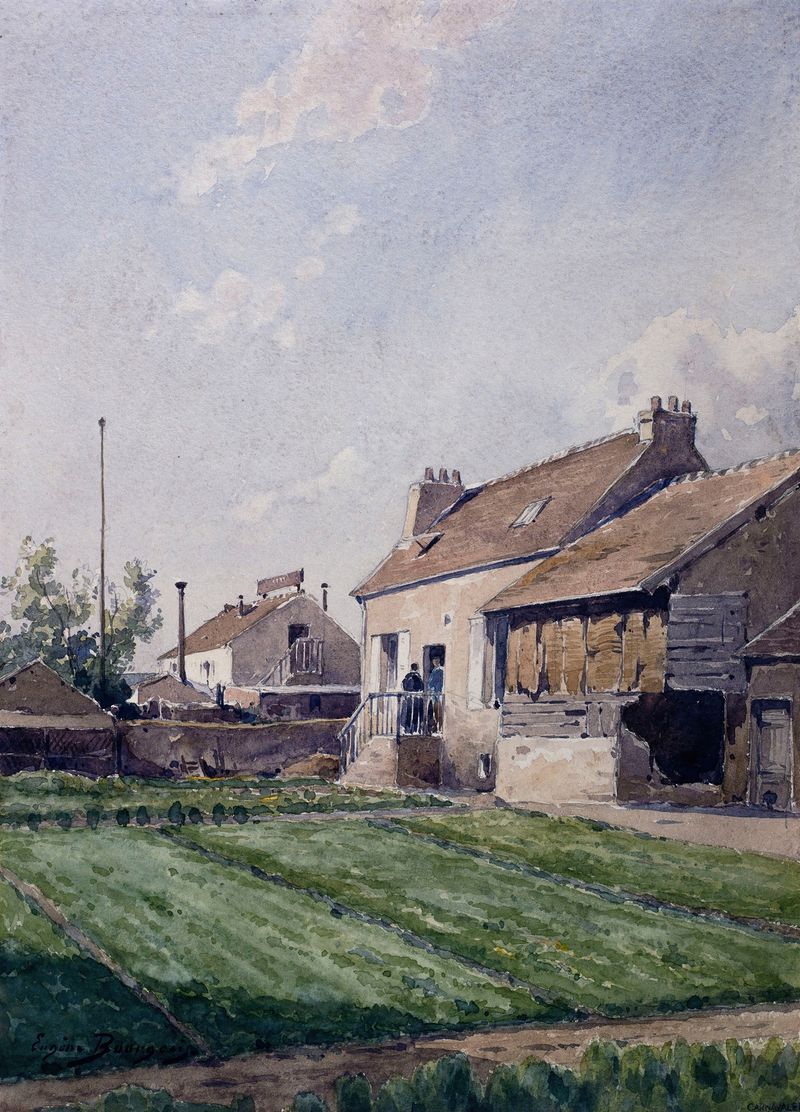
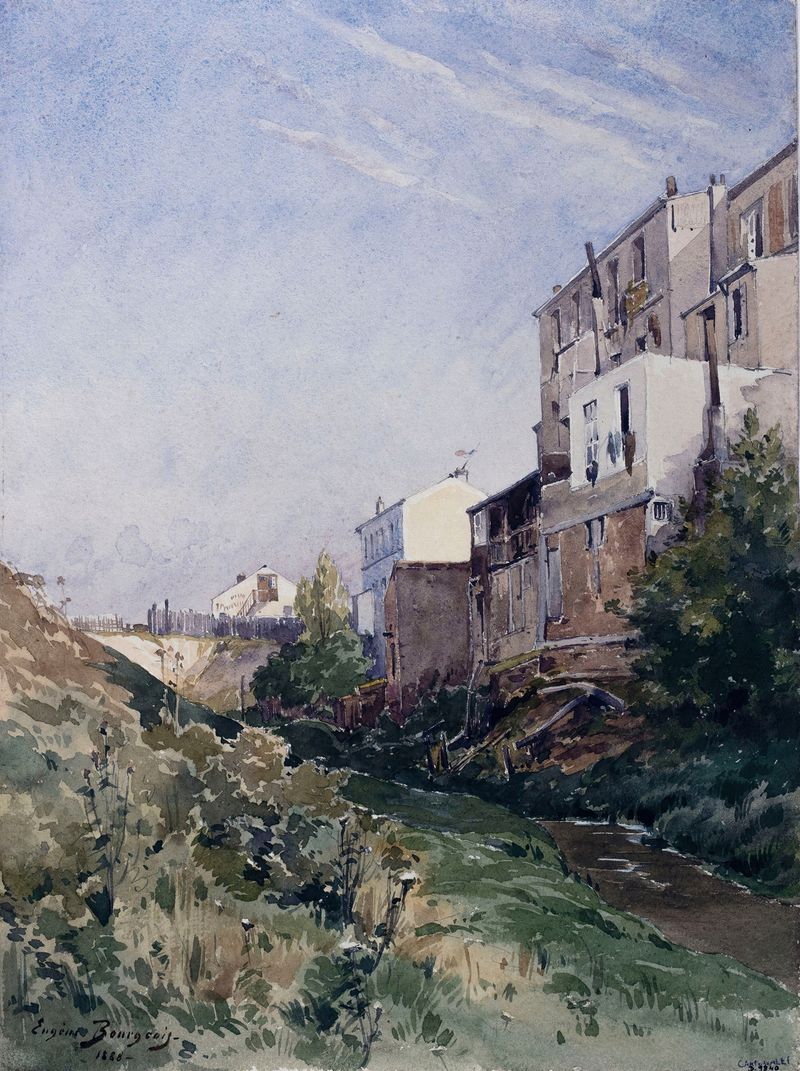
This notion resonates profoundly in the essence of landscapes, where tranquility often belies deeper emotions lurking beneath the surface. Look to the left at the soft undulations of the hills, their gentle curves bathed in a golden light that kisses the earth. Notice how the vibrant greens contrast with the warm hues, creating a visual harmony that draws the eye. The brushwork is delicate yet expressive, allowing a blend of realism and impressionism that evokes both clarity and mystery.
The reflective water in the foreground acts as a mirror, capturing the sky’s changing colors and offering a moment of pause. As you explore further, hidden nuances emerge. The serene surface of the water belies the tumultuous emotions beneath, suggesting a duality of peace and unrest. The scattered clouds, while seemingly ethereal, hint at the impermanence of beauty — a reminder that every landscape holds stories of change and hardship.
The composition invites contemplation, allowing the viewer to reflect on their own experiences amidst nature’s splendor. In 1901, Eugène Bourgeois painted Paysage during a period marked by artistic exploration and a shift towards modernism. Living in France, the artist was influenced by the Post-Impressionist movement, embracing vivid colors and emotive landscapes while navigating the complexities of life in a rapidly changing world. His work reflects this tension, capturing a moment that resonates with both the beauty and the underlying struggles of existence.
More Artworks by Eugène Bourgeois
Browse all →
Ancienne barrière de Paris, ‘barrière blanche’
Eugène Bourgeois

La maison de Victor Hugo à Guernesey
Eugène Bourgeois
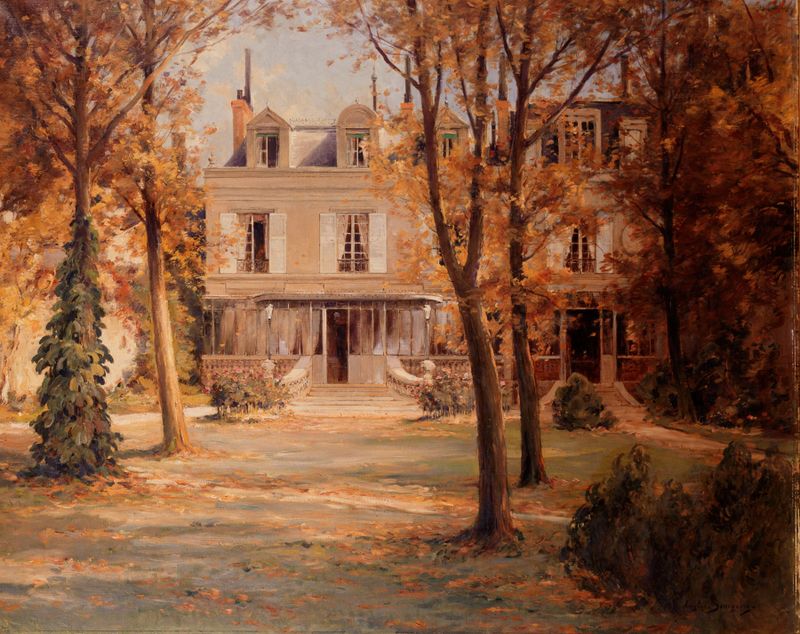
La Maison de Victor Hugo à Paris avenue d’Eylau
Eugène Bourgeois
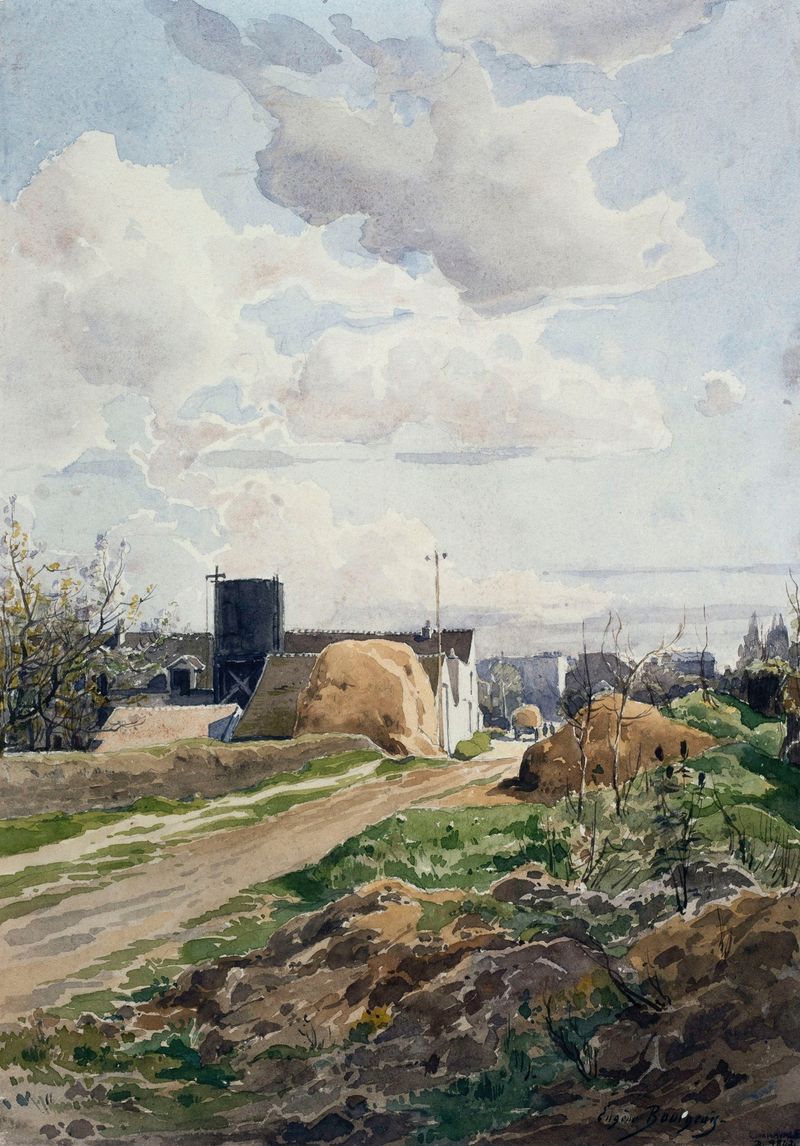
Rue Sacrot
Eugène Bourgeois
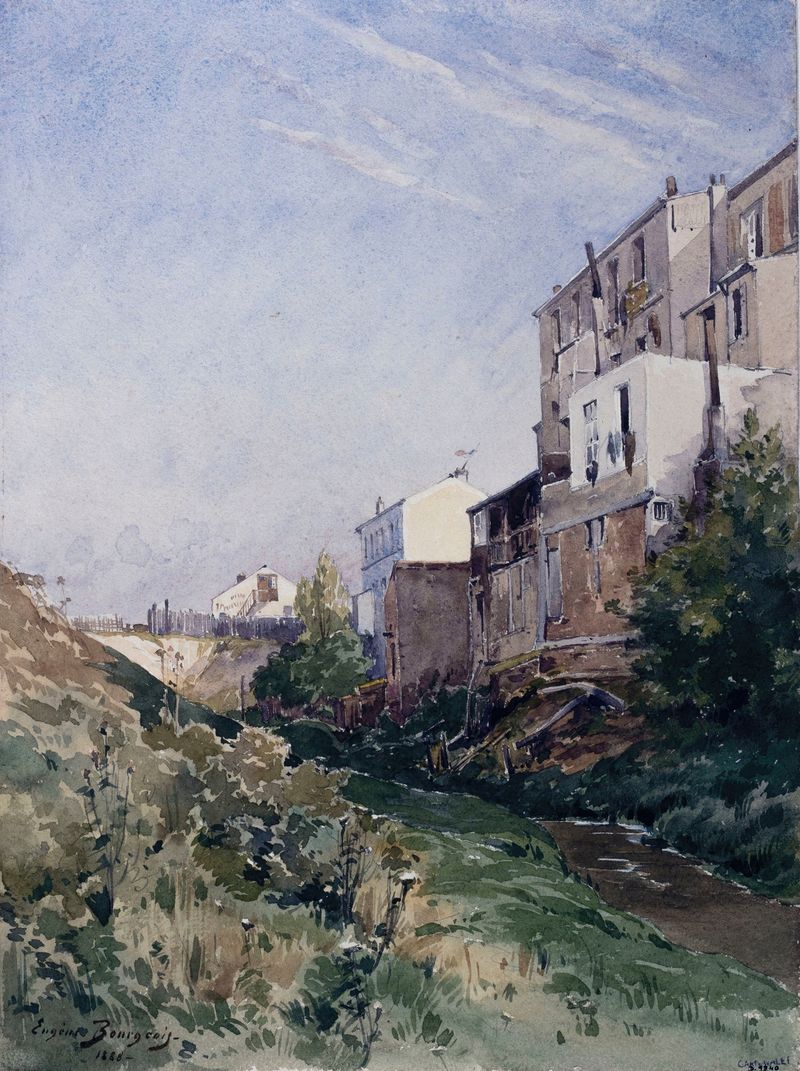
Rue de la Fontaine à Mulard
Eugène Bourgeois

Paysage
Eugène Bourgeois

Rue Montempoivre
Eugène Bourgeois
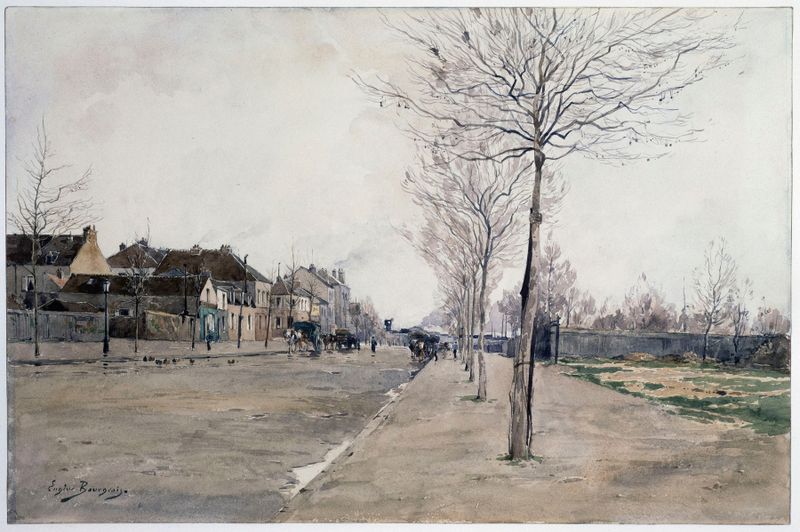
Route de la Révolte, vue prise au pied du glacis des fotifications, 17 avril, extra muros
Eugène Bourgeois
Rue Montempoivre
Eugène Bourgeois
Rue de la Fontaine à Mulard
Eugène Bourgeois





