
La Nuit — History & Facts
The first thing that draws the eye in La Nuit is the figure’s utter self-containment: arms folded tightly over knees, head bowed, the entire body curved inward as if to shield a private world. The surface, with its cool, mottled patina, catches the dappled light beneath the trees, echoing the hush and enclosure of night itself. There is no face to meet us—only the smooth arc of a shoulder, the gentle tension in the feet, the suggestion of breath held in the chest.
Every line is a study in inwardness, the pose at once defensive and serene, inviting us to wonder what thoughts or dreams the figure guards. The sculpture’s mass and simplicity give it a quiet gravity, as if the night has weight and presence, not just darkness. Created in 1909 by Aristide Maillol, this work belongs to a moment when European sculpture was turning away from the drama and movement of the nineteenth century toward a new language of calm, solid forms. Maillol’s women—often monumental, always self-possessed—were shaped by a world in which artists and patrons alike sought refuge from the fevered pace of modernity.
Though little is recorded about the specific journey of this cast, its presence today in the Musée du Louvre’s gardens, as noted in the Shonagon collection, lets it continue its silent dialogue with passersby. Pause before it, and let the hush of La Nuit draw you in.
More Artworks by Aristide Maillol

Paysage à Banyuls
Aristide Maillol
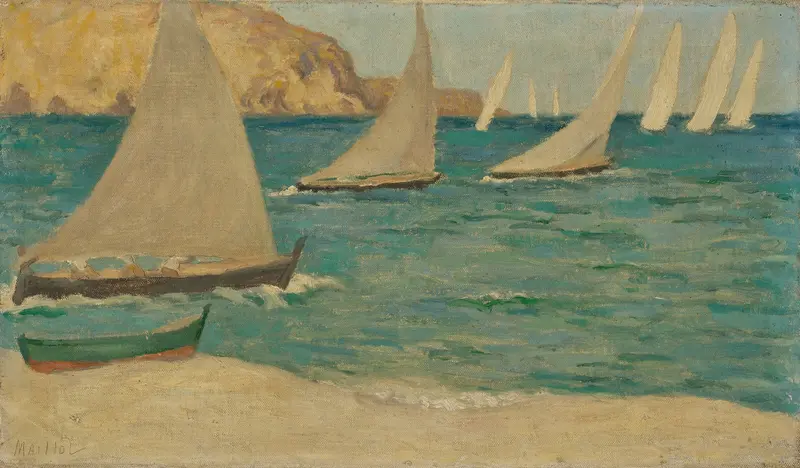
Les Régates
Aristide Maillol
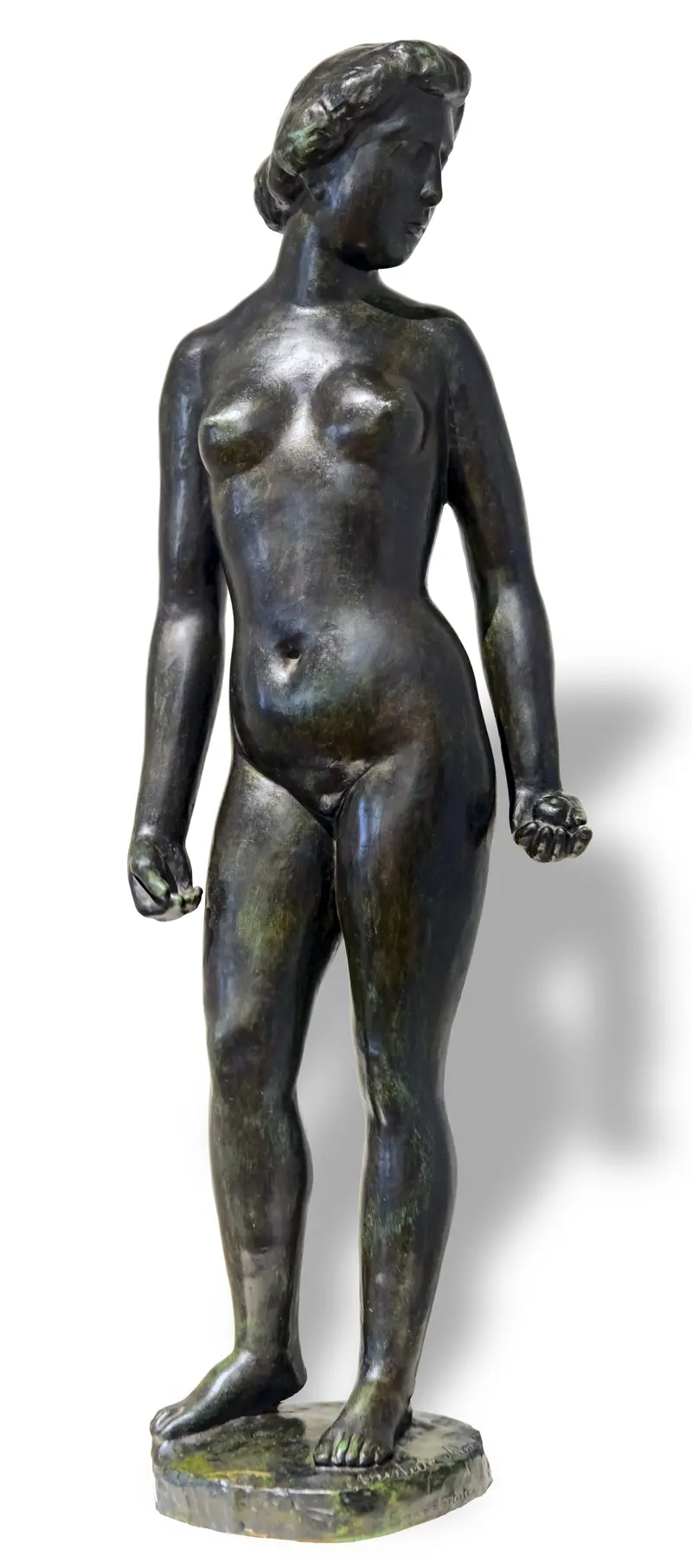
Eve with the Apple
Aristide Maillol
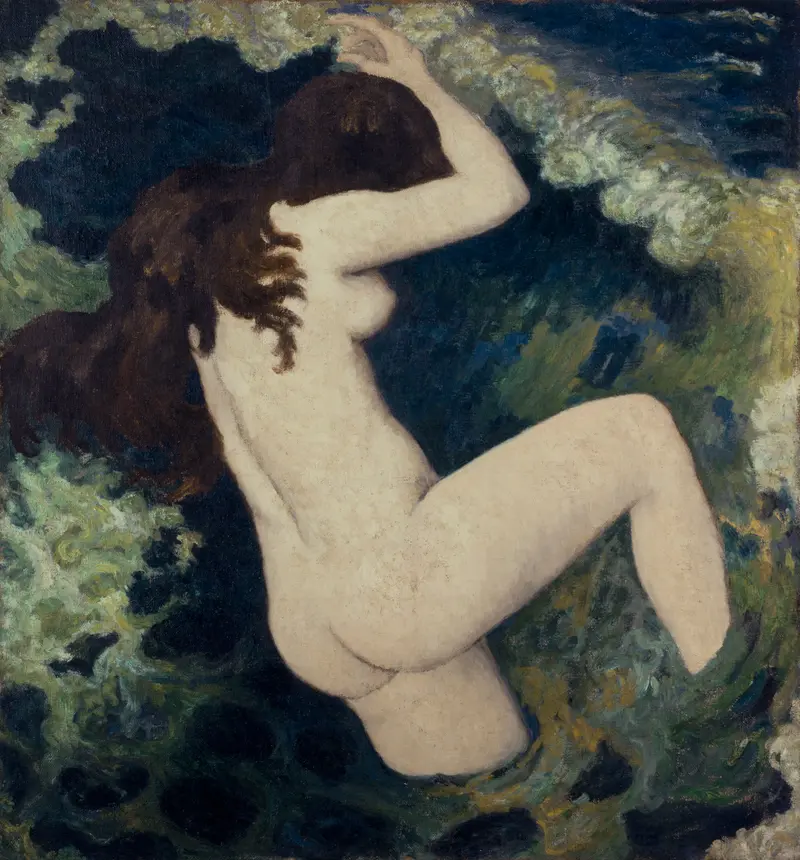
La vague
Aristide Maillol
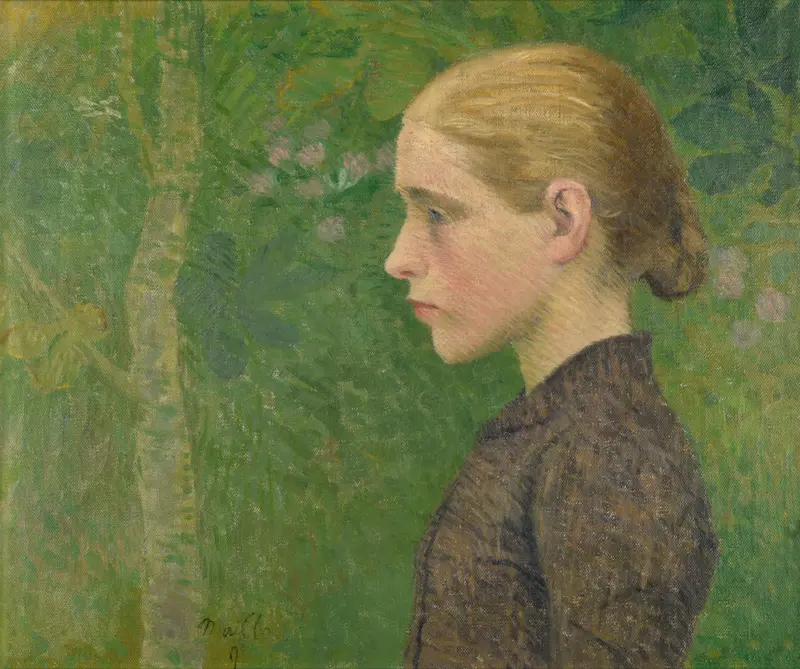
Jeune paysanne en buste
Aristide Maillol
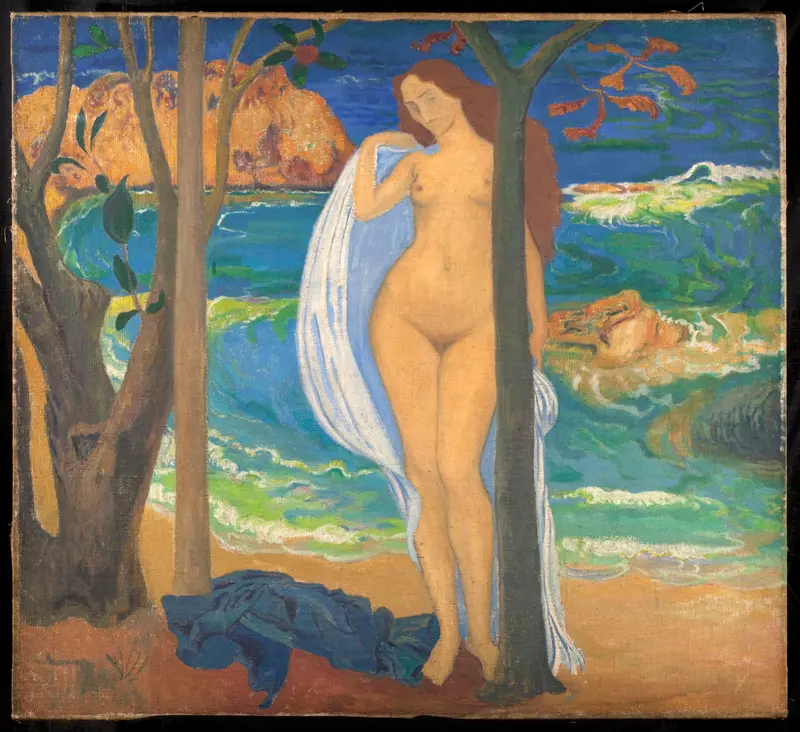
Méditerranée
Aristide Maillol
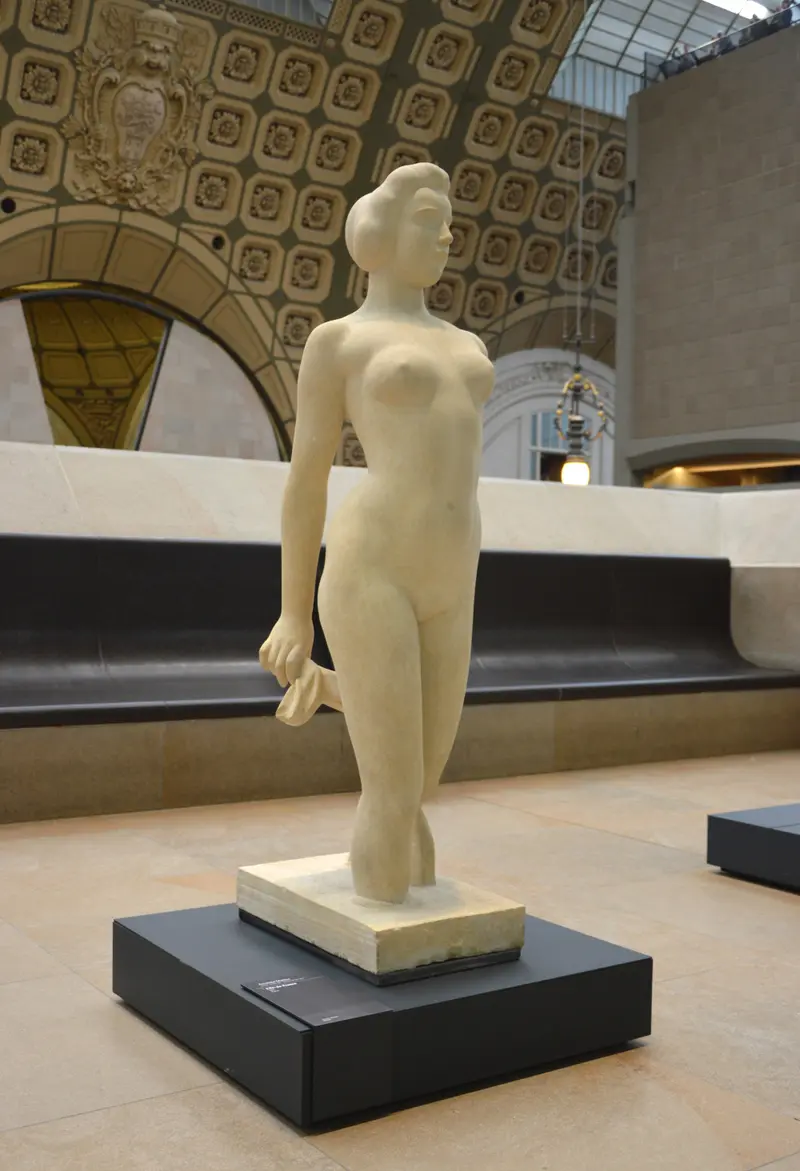
Ile de France
Aristide Maillol
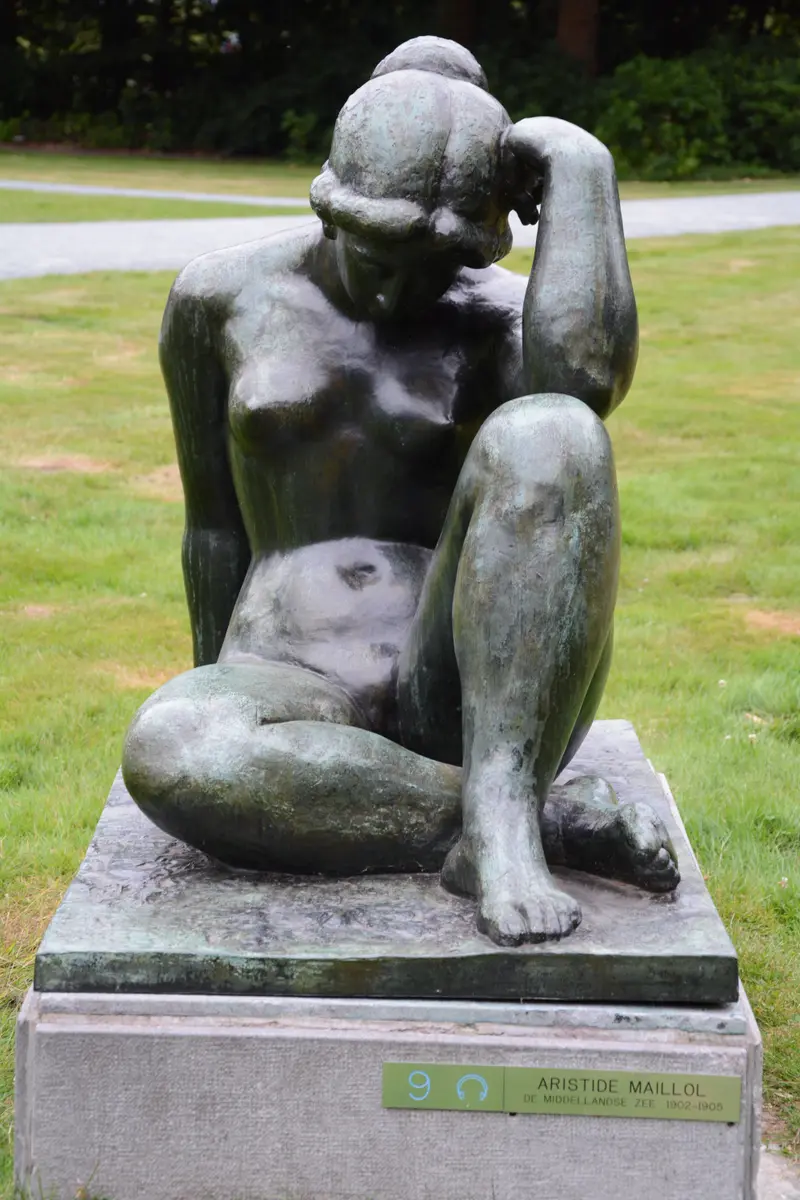
La Méditerranée
Aristide Maillol
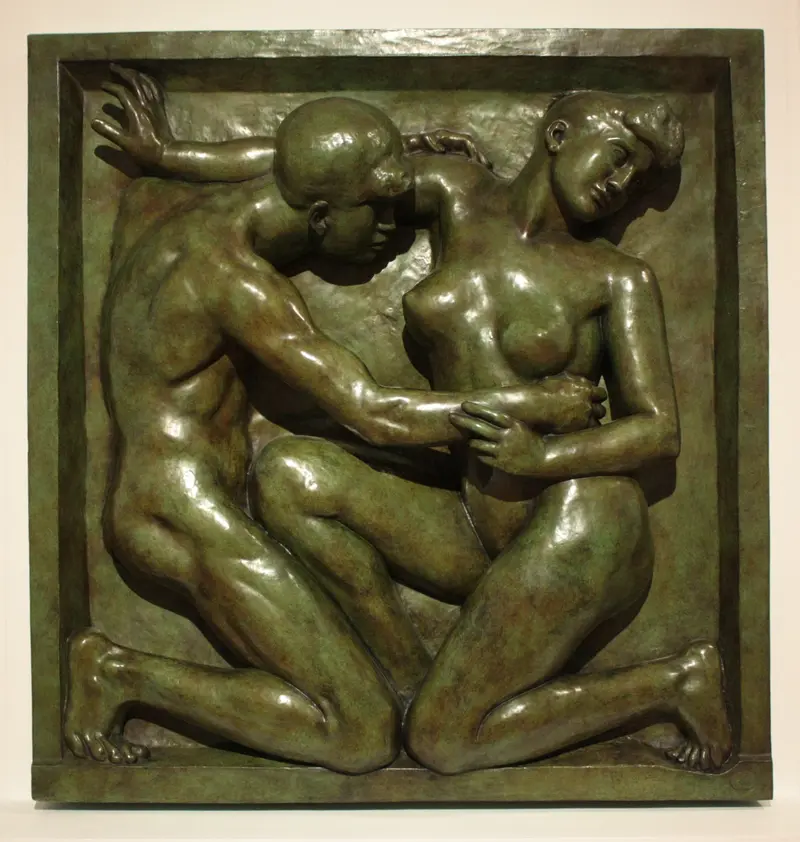
Le Désir
Aristide Maillol
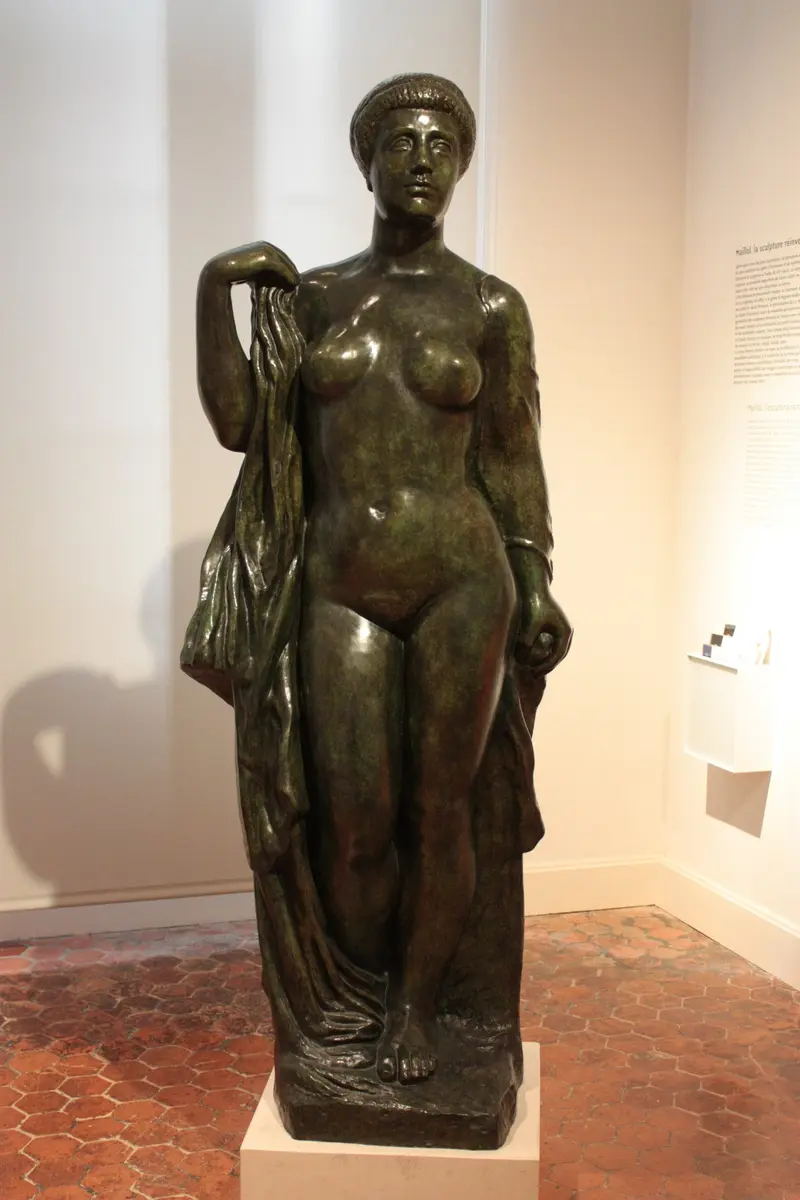
La Baigneuse drapée by Aristide Maillol
Aristide Maillol



