
La petite plage — History & Facts
What if silence could speak through light? In La petite plage, the gentle hues and soft brush strokes convey a profound sense of tranquility, inviting contemplation of the void that often lingers in quiet moments. Look to the left at the shimmering expanse of the beach, where the sun-drenched sand melds with subtle blues and greens of the sea. Notice how Raffaëlli masterfully captures the interplay between light and shadow, creating a serene atmosphere that suggests both peace and isolation. Each stroke is deliberate, evoking the soft caress of a breeze while the light dances across the canvas, illuminating the delicate details of the scene. Beneath the tranquil surface, emotional tensions emerge.
The empty stretch of beach evokes a sense of longing and the transient nature of life, as if the scene is both a sanctuary and a reminder of solitude. The figure sitting at the water’s edge, seemingly lost in thought, embodies this duality—connected yet distanced from the vibrant world around them. The void within the idyllic landscape invites viewers to ponder their own feelings of loneliness amidst beauty. In 1909, Raffaëlli found himself at a pivotal moment in his career.
He was deeply influenced by the Impressionists and seeking to forge his own path, blending realism with an intimate portrayal of everyday life. As he painted this piece, Paris was buzzing with artistic innovation, and Raffaëlli contributed to this vibrant scene, capturing the essence of a simpler yet profound existence through his keen observation of light and atmosphere.
More Artworks by Jean François Raffaëlli
Browse all →
Autumn In Paris
Jean François Raffaëlli

Le jardin du Luxembourg
Jean François Raffaëlli
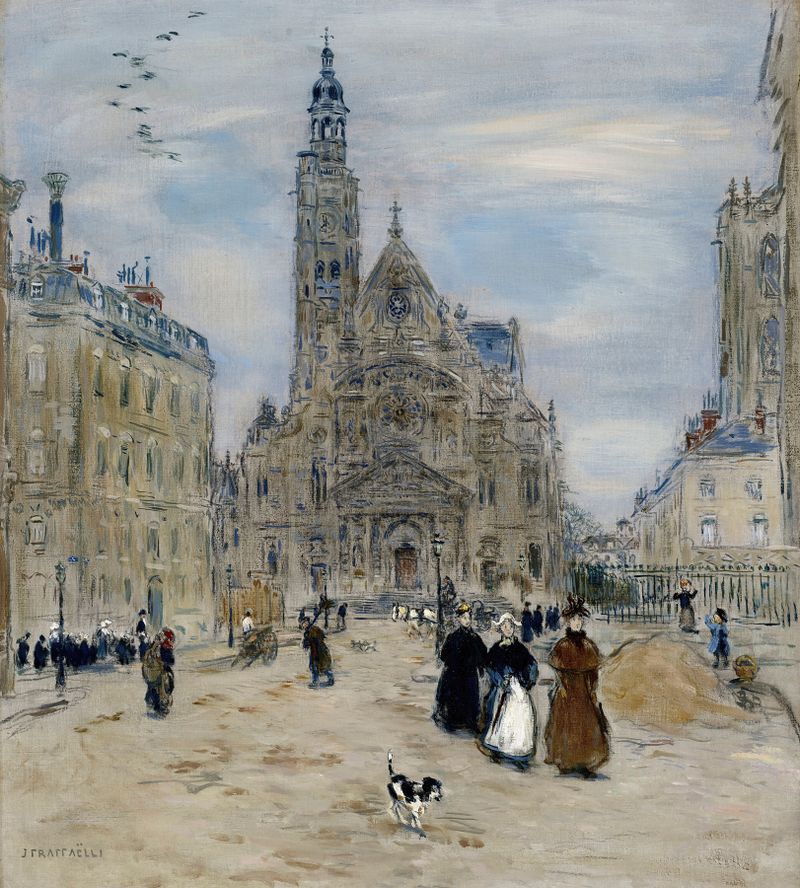
Saint-Étienne-du-Mont, Paris
Jean François Raffaëlli
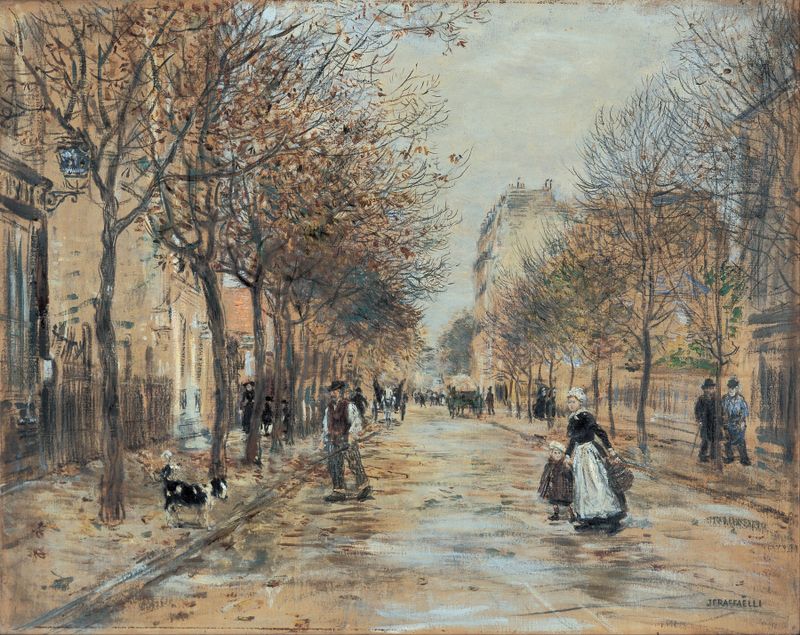
Street in Asnières
Jean François Raffaëlli
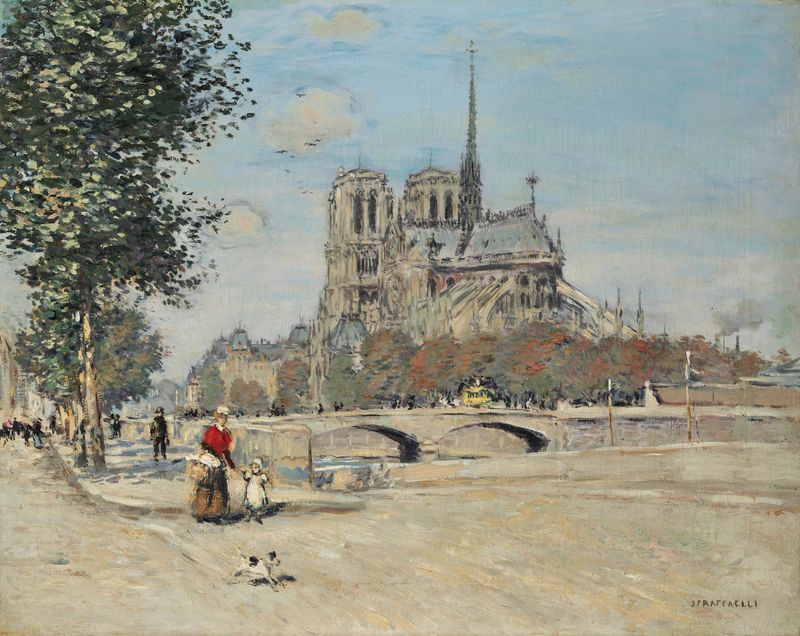
Notre-Dame de Paris et le pont de l’Archevêché
Jean François Raffaëlli

Place de Saint-Germain des Prés, Paris
Jean François Raffaëlli
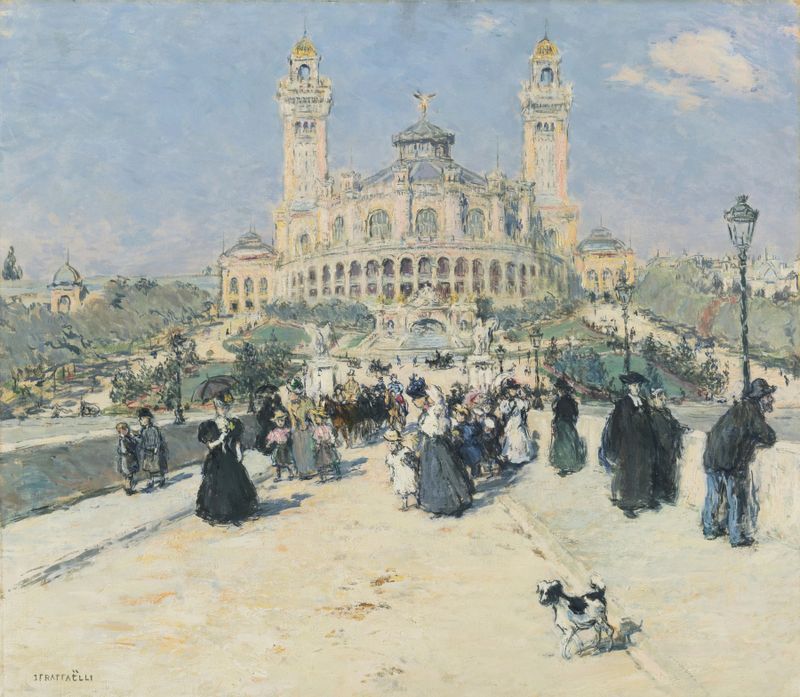
Le Trocadéro
Jean François Raffaëlli

Les Champs-Élysées
Jean François Raffaëlli

Le boulevard des Italiens
Jean François Raffaëlli

The Quai Malaquais, Paris
Jean François Raffaëlli





