
La Place Arago — History & Facts
Loneliness whispers in the spaces where vibrant colors collide, creating a paradox that beckons the viewer closer. The tapestry of life unfolds in a city square, yet it feels achingly solitary, as if each brushstroke carries the weight of unspoken stories. Look to the left at the gentle curves of the buildings, their lively hues of azure and ochre drawing your eye toward the sunlit rooftops. The delicate lines dance through the scene, creating a sense of rhythm and movement that contrasts with the stillness of the figure in the foreground.
Each stroke of the brush conveys not only form but an essence, evoking a warmth that juxtaposes the emotional chill of isolation. The composition invites exploration, engaging with every corner of the canvas that vibrates with life yet feels suspended in time. What emerges is a dialogue between the vibrant backdrop and the solitary figure; the bustling square becomes a stage where joy is celebrated yet quietly mourned. This visual contrast between the lively colors and the muted emotions of the lone individual suggests a deeper narrative of connection, or the lack thereof.
The figure, seemingly lost among the joyful surroundings, embodies the paradox of finding beauty amidst profound loneliness, an emotional tension that lingers long after you step away. Raoul Dufy painted La Place Arago in 1947, a time when France was emerging from the shadows of World War II, grappling with loss and a longing for renewal. This period, marked by a search for identity and expression, influenced many artists who sought to explore modern life through their work. Dufy, known for his bold colors and joyful depictions of life, channels the complexities of emotion into this piece, merging his artistic vision with the echoes of a world yearning to heal.
More Artworks by Raoul Dufy
Browse all →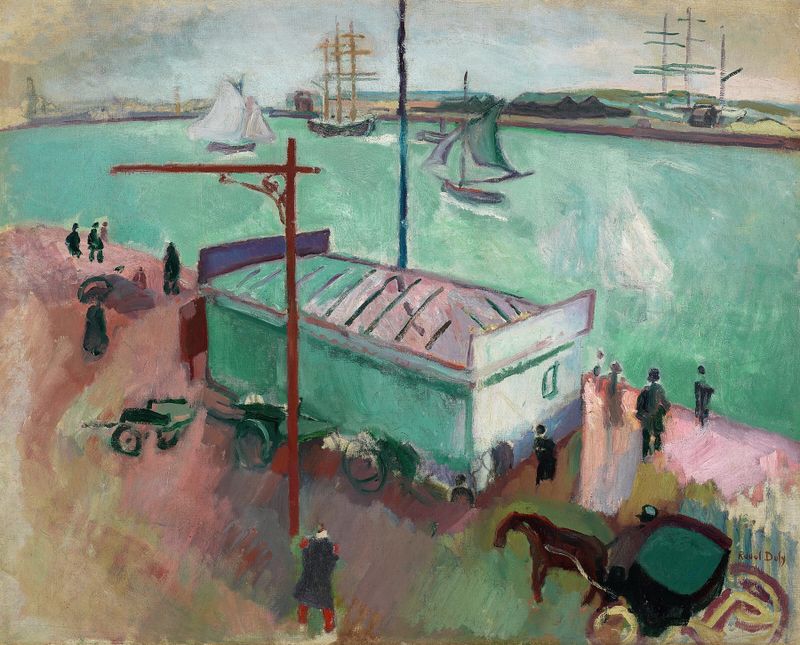
Le Port du Havre
Raoul Dufy
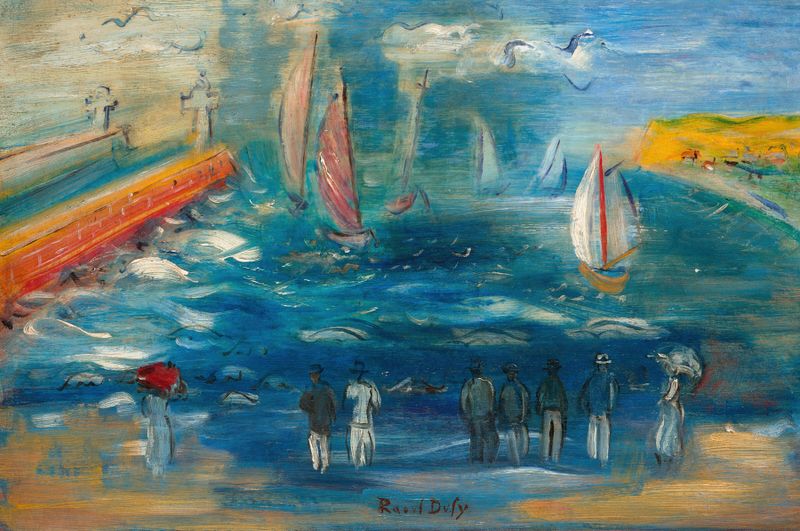
Départ des régates
Raoul Dufy

Les canotiers sur la Marne
Raoul Dufy
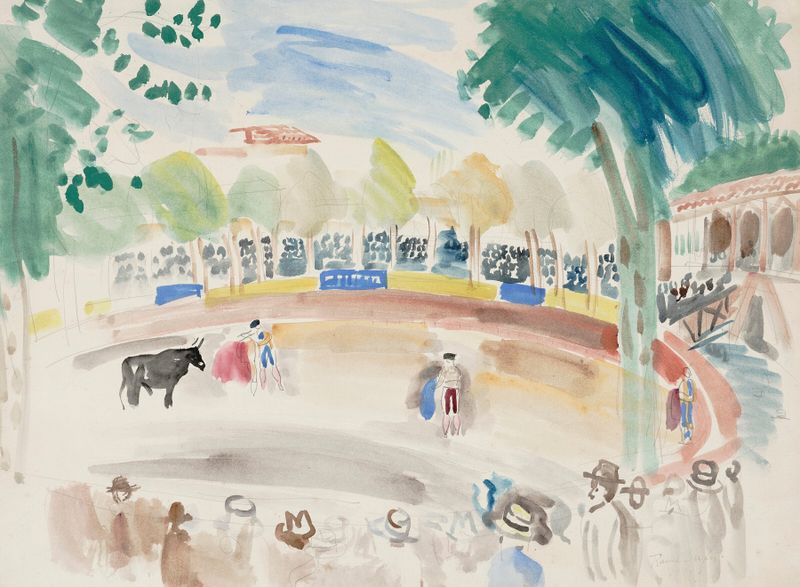
La corrida
Raoul Dufy

Composition au port et à la fontaine
Raoul Dufy
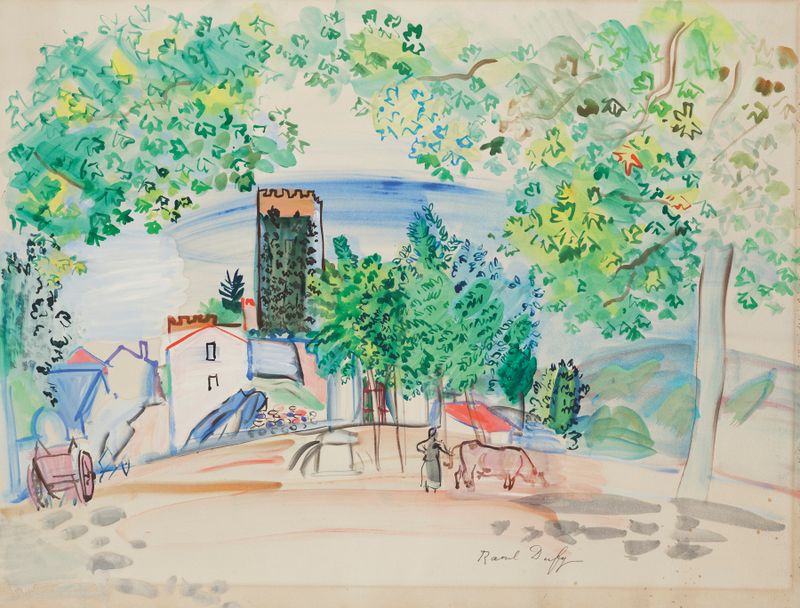
Vue de la Tour de Vernet-les-Bains
Raoul Dufy
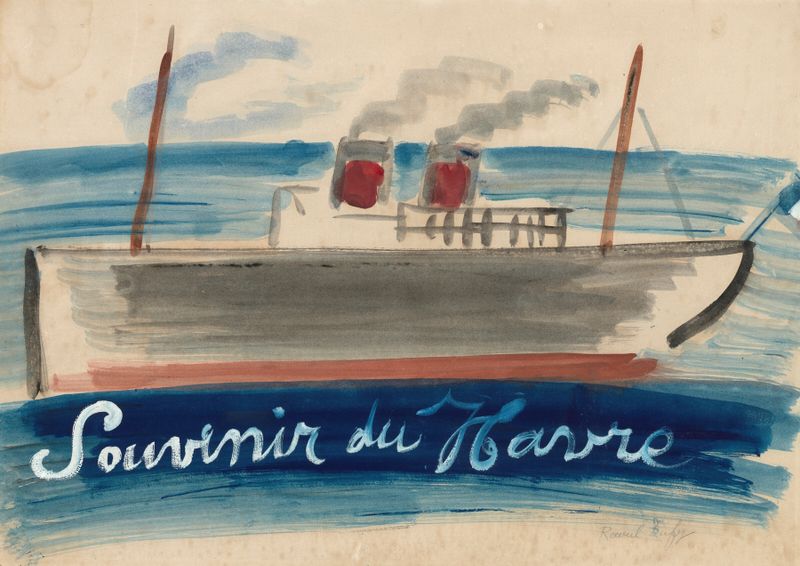
Souvenir du Havre
Raoul Dufy

Les Barques
Raoul Dufy
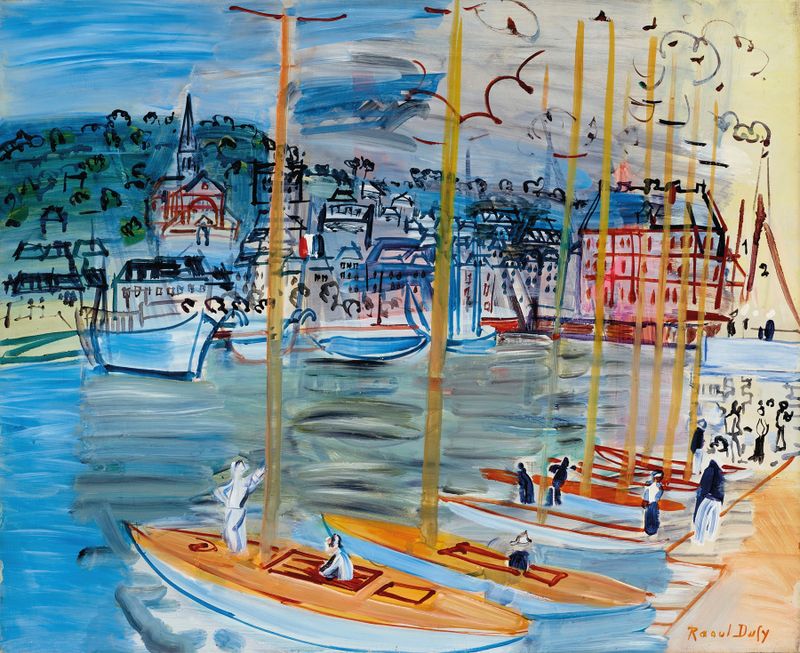
Le bassin de Deauville
Raoul Dufy

Régates à Deauville
Raoul Dufy
More Architecture Art
Browse all →
The statue of Liberty
Frédéric Auguste Bartholdi

View of Houses in Delft, Known as ‘The Little Street’
Johannes Vermeer

View of Houses in Delft, Known as ‘The Little Street’
Johannes Vermeer

The Cathedral in Rouen. The portal, Grey Weather
Claude Monet

The yellow house
Vincent van Gogh

The Church in Auvers-sur-Oise, View from the Chevet
Vincent van Gogh