
La Rochelle — History & Facts
What first draws the eye in La Rochelle is the calm precision with which Albert Marquet balances the geometry of the harbor against the soft haze of morning light. The water acts as a quiet mirror, doubling the towers and masts in a way that blurs the line between reality and reflection. Figures drift through the lower edge of the scene, their shadows stretching across the quay, hinting at the slow pulse of daily life.
The boat at the center, with its angled gangway and lone passenger, anchors the composition, while the distant sails and stone ramparts suggest a port both ancient and alive. Marquet’s palette—muted blues, gentle ochres, and pale greys—gives the whole scene a sense of stillness, as if time itself is pausing to watch. Painted in 1920, this work belongs to a moment when French painting was shifting from the bold experiments of Impressionism to a more restrained, contemplative approach. Artists like Marquet, often associated with the Fauves but always his own man, were drawn to the everyday poetry of harbors and riversides.
Such scenes were prized by collectors and civic museums alike, eager to capture the changing face of France in the wake of the First World War. Acquired by the Musée des Beaux-Arts de Bordeaux in 1960, this painting stands as both a record of its time and a testament to the enduring allure of the French coast. The longer you look, the more the surface quiet reveals: a city waking, a painter watching, the world reflected in water.
More Artworks by Albert Marquet
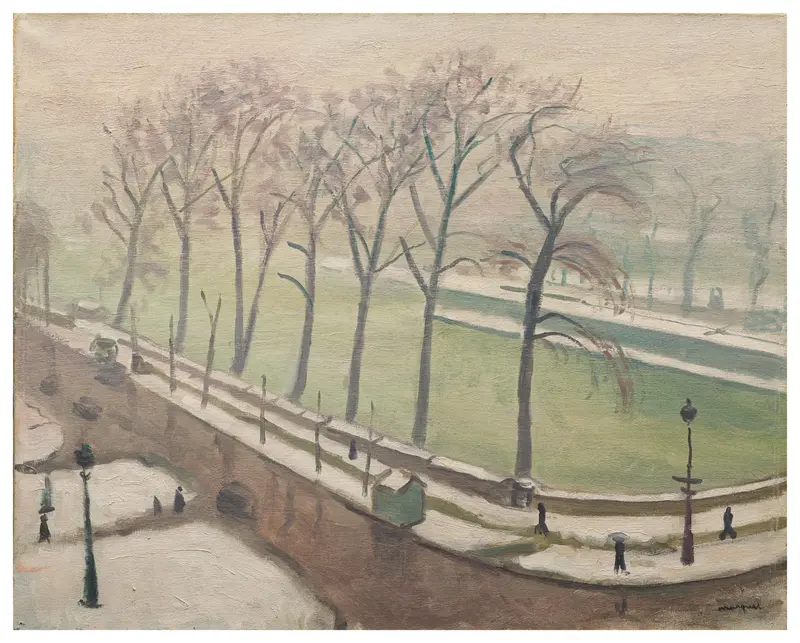
Pont-Neuf sous la neige
Albert Marquet

Le Port d’Alger
Albert Marquet
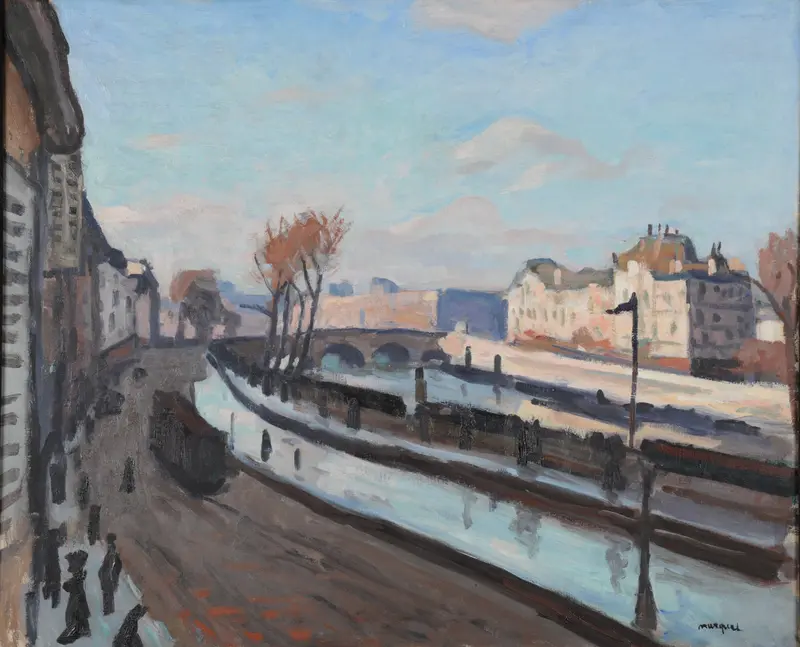
Le quai des Grands Augustins
Albert Marquet

Le jardin à l’Estaque
Albert Marquet
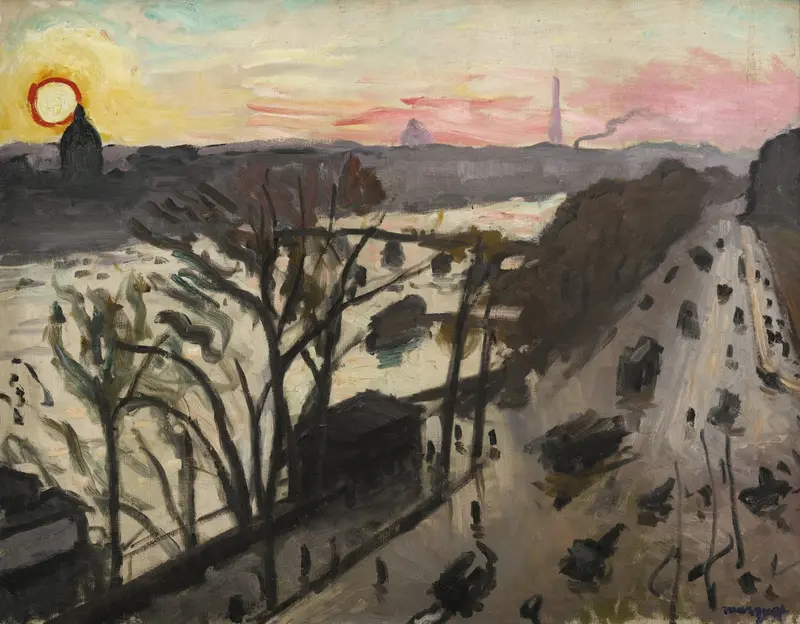
Paris, quai du Louvre, soleil d’hiver
Albert Marquet
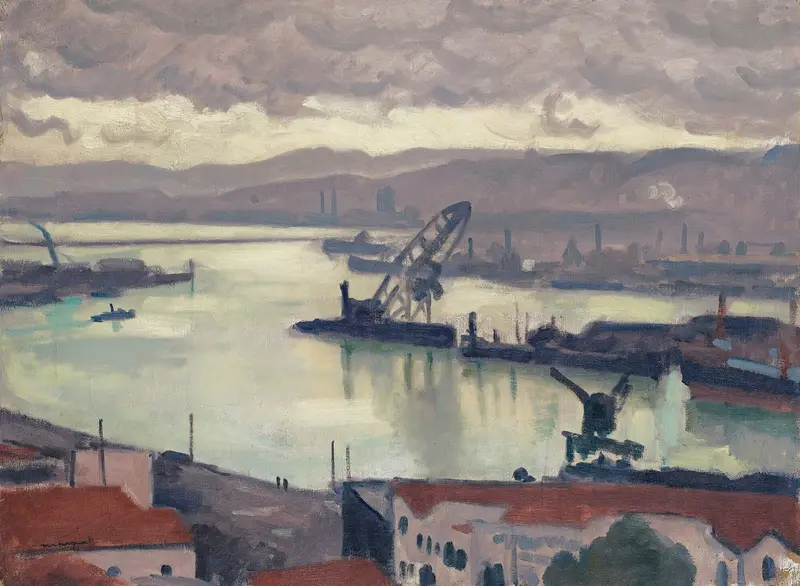
Alger, Temps Gris
Albert Marquet

Berge de la Seine à Méricourt
Albert Marquet
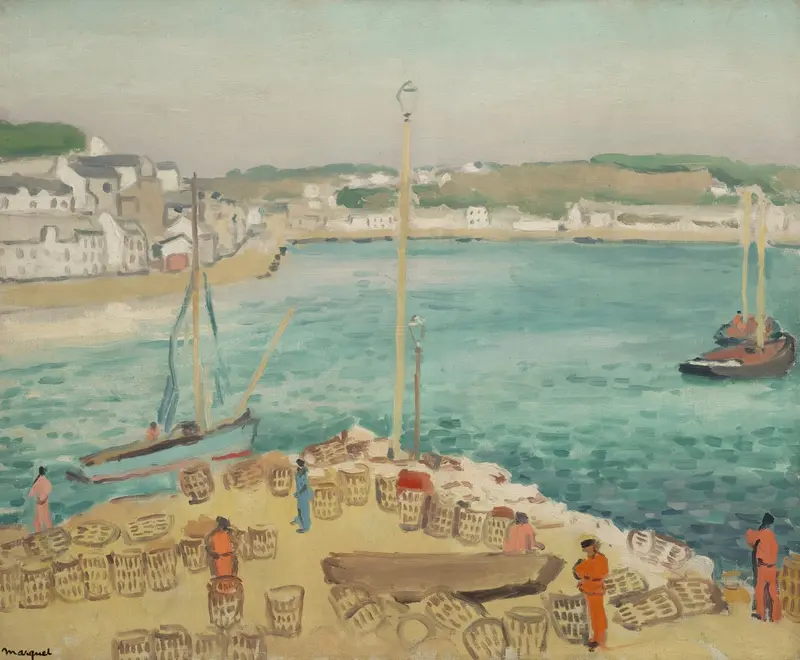
Audierne, les tonneaux
Albert Marquet
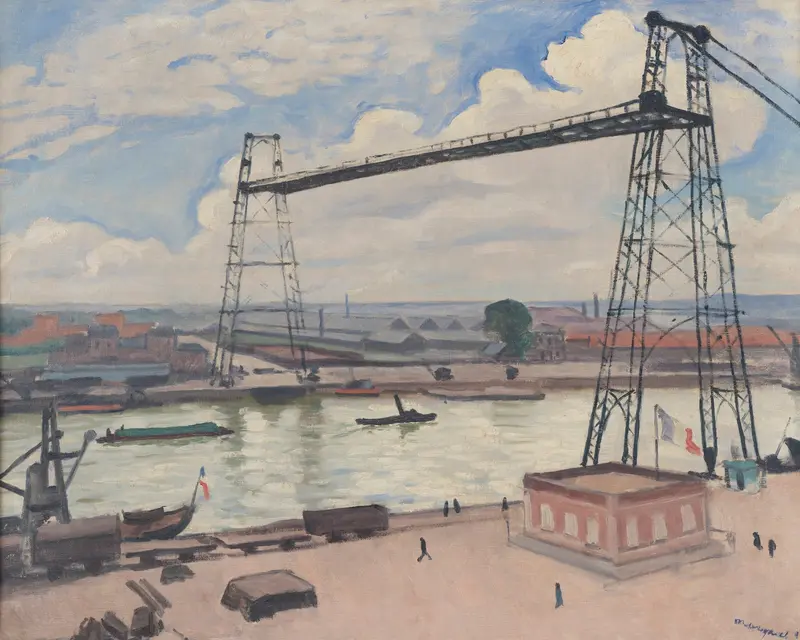
Rouen, le pont transbordeur
Albert Marquet
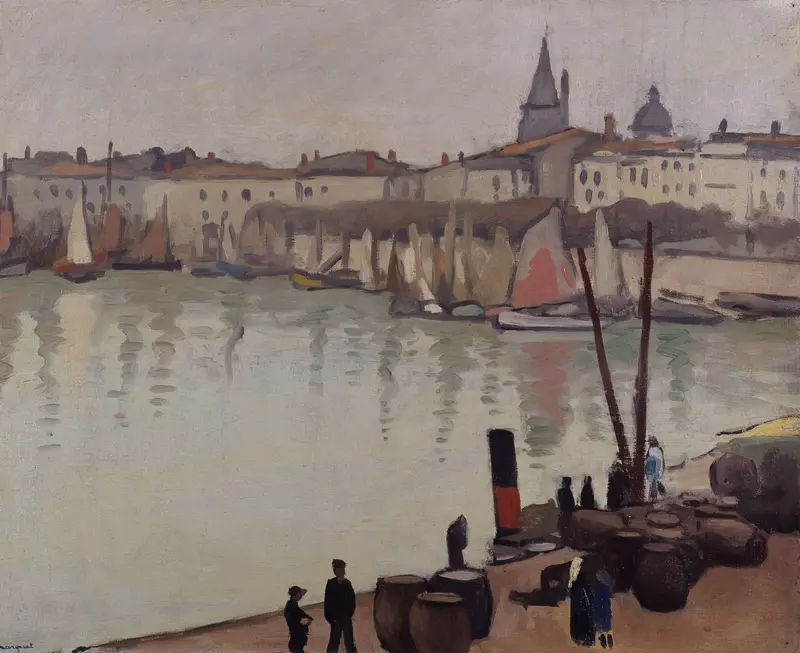
Port of La Rochelle
Albert Marquet





