
La rue des Saules — History & Facts
What if beauty was never meant to be finished? In La rue des Saules, the lingering traces of solitude whisper through the tranquil streets, inviting contemplation on the ephemeral nature of existence. Focus your gaze on the gentle curve of the street, where the pavement shimmers under the soft embrace of dusk. The muted palette of blues and greens creates a serene atmosphere, while the delicate interplay of light and shadow lends depth to the scene. Notice how the trees, with their elongated branches, seem to reach out, cradling the modest buildings that stand in quiet contemplation—a reminder of the unspoken stories hidden within their walls. As you explore further, subtle contrasts emerge.
The harmonious blending of nature and architecture reveals a tension between stillness and the passage of time. The empty street seems to echo a yearning for connection, while the shadows hint at the presence of those who might have once walked there, now ghosts of a life once vibrant. The tranquil beauty of the scene belies an undercurrent of loneliness, inviting viewers to ponder the bittersweet solitude that accompanies beauty. In 1926, Ferdinand Boberg was immersed in a world undergoing rapid transformation.
Living in Sweden, he was influenced by the interplay of modernity and tradition, as urban landscapes began to encroach upon the tranquil scenes of rural life. This artwork emerged during a period of personal reflection for the artist, as he navigated the tensions of a rapidly changing society, capturing the essence of isolation amid beauty.
More Artworks by Ferdinand Boberg
Browse all →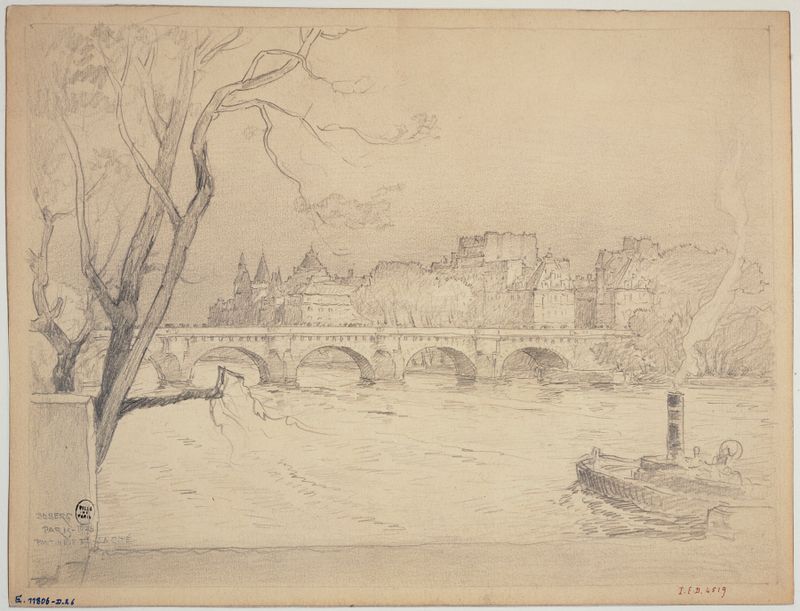
Le Pont-Neuf et la Cité
Ferdinand Boberg
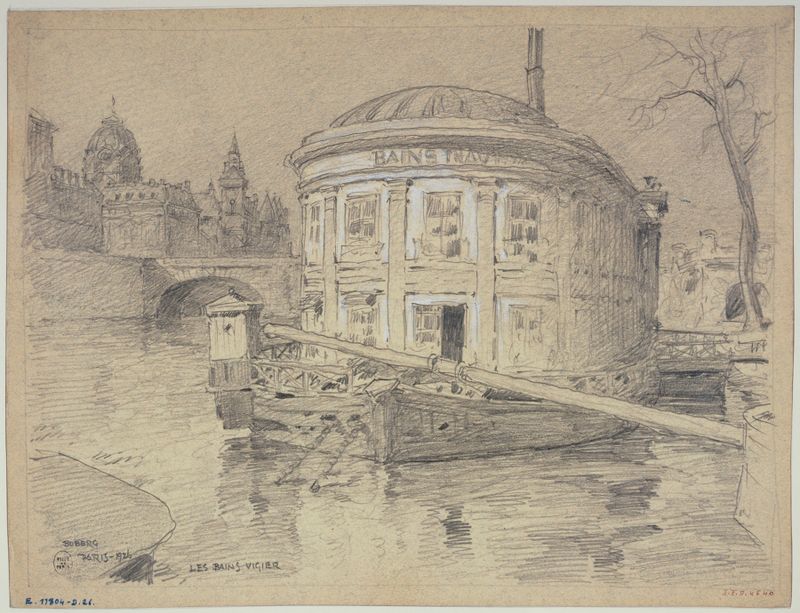
Les bains Vigier au Pont-Neuf
Ferdinand Boberg
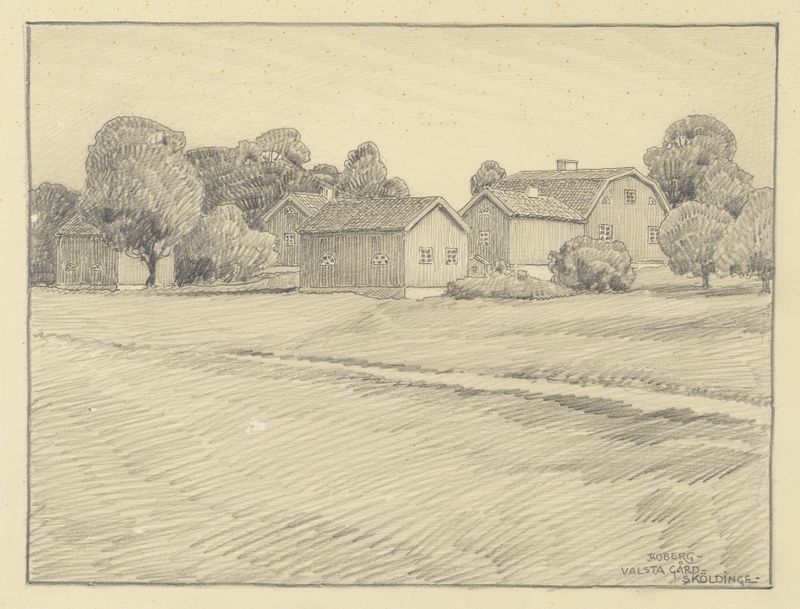
Valsta Gård
Ferdinand Boberg
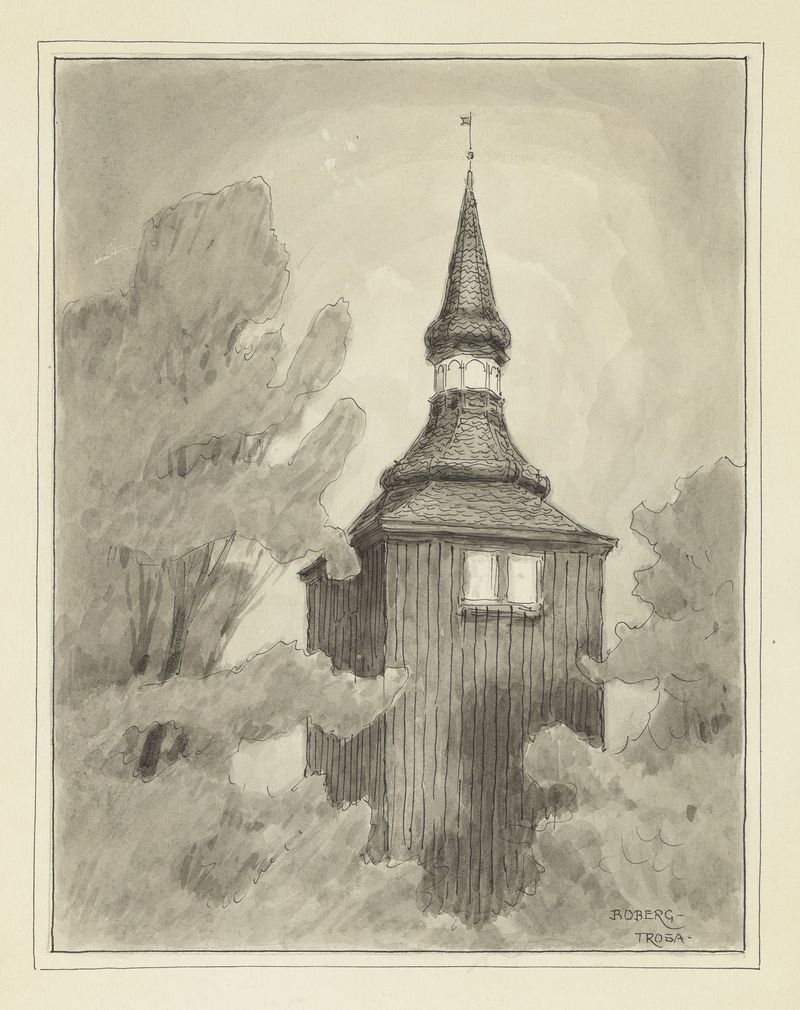
Trosa
Ferdinand Boberg
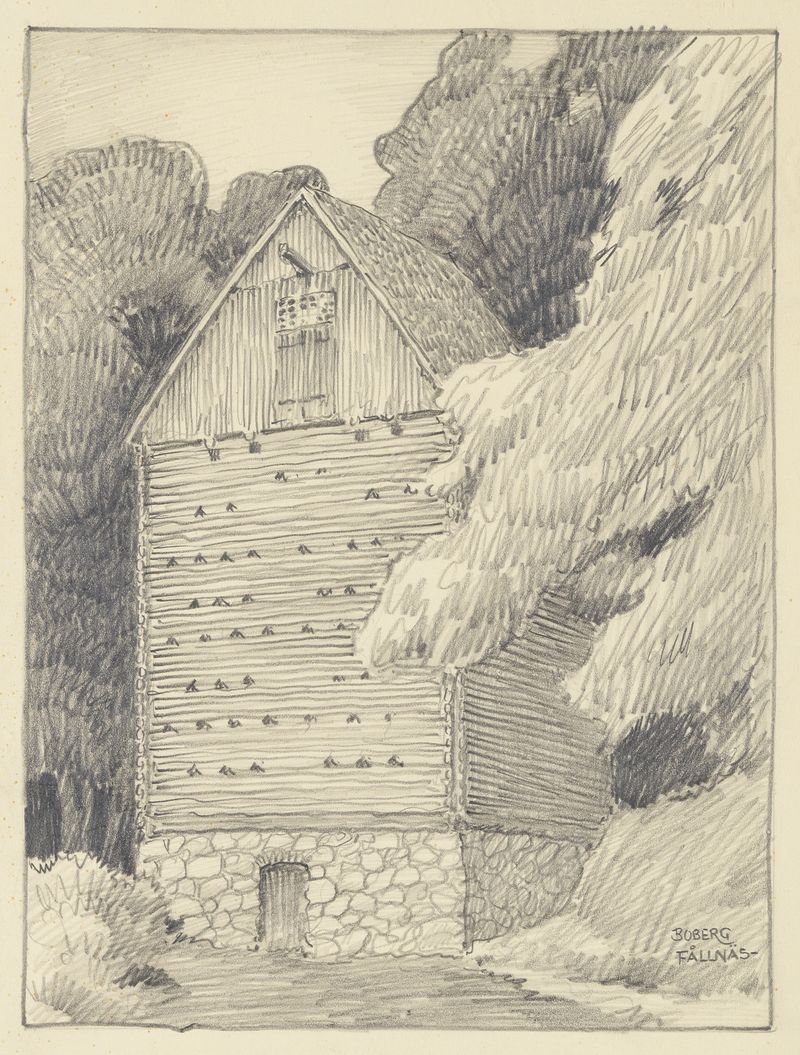
Fållnäs
Ferdinand Boberg
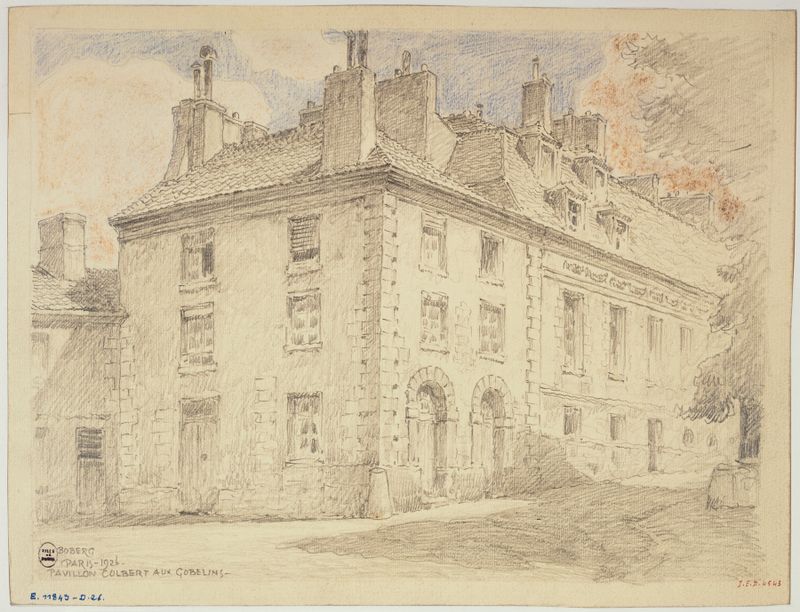
Le pavillon Colbert aux Gobelins
Ferdinand Boberg
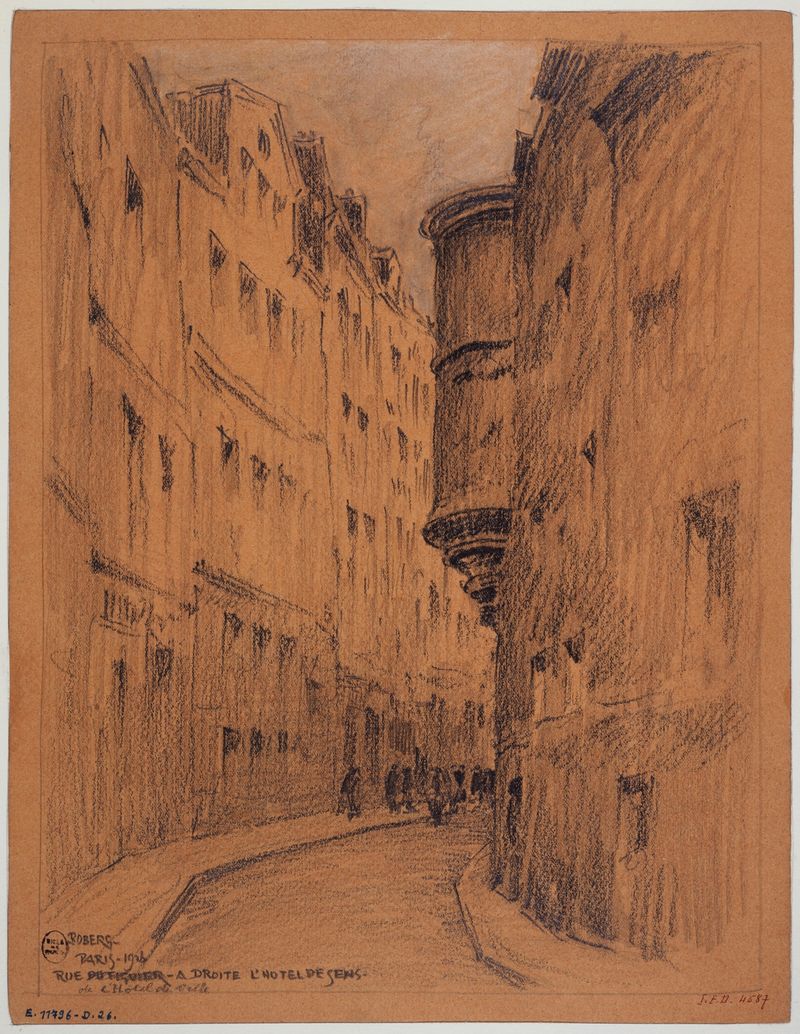
Rue de l’Hôtel de Ville; l’hôtel de Sens
Ferdinand Boberg
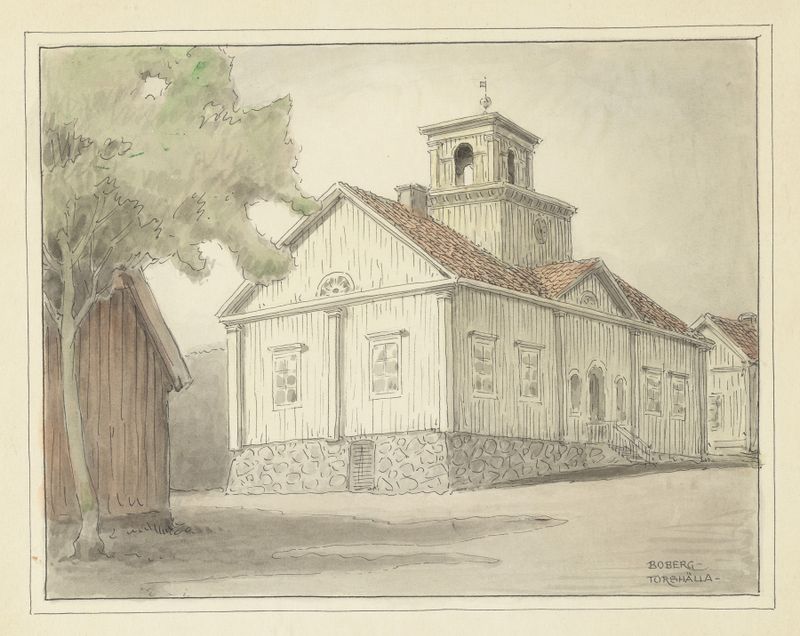
Torshälla
Ferdinand Boberg
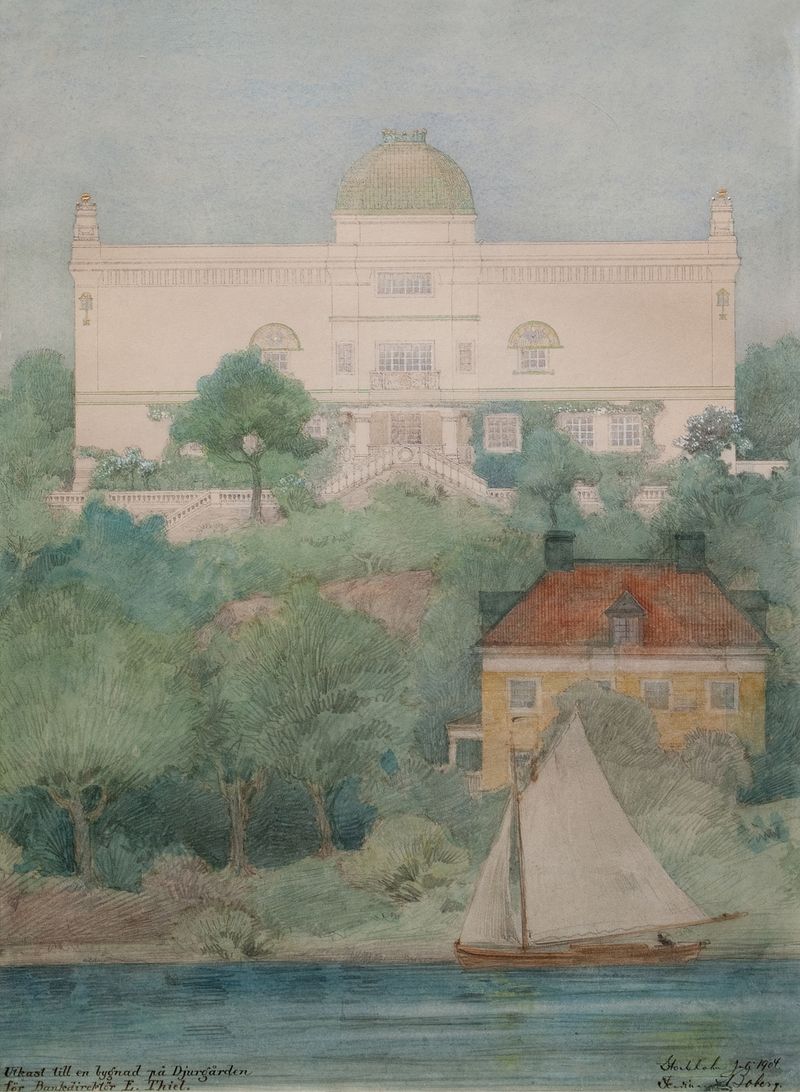
Sketch for a building for Thiel’s Gallery
Ferdinand Boberg
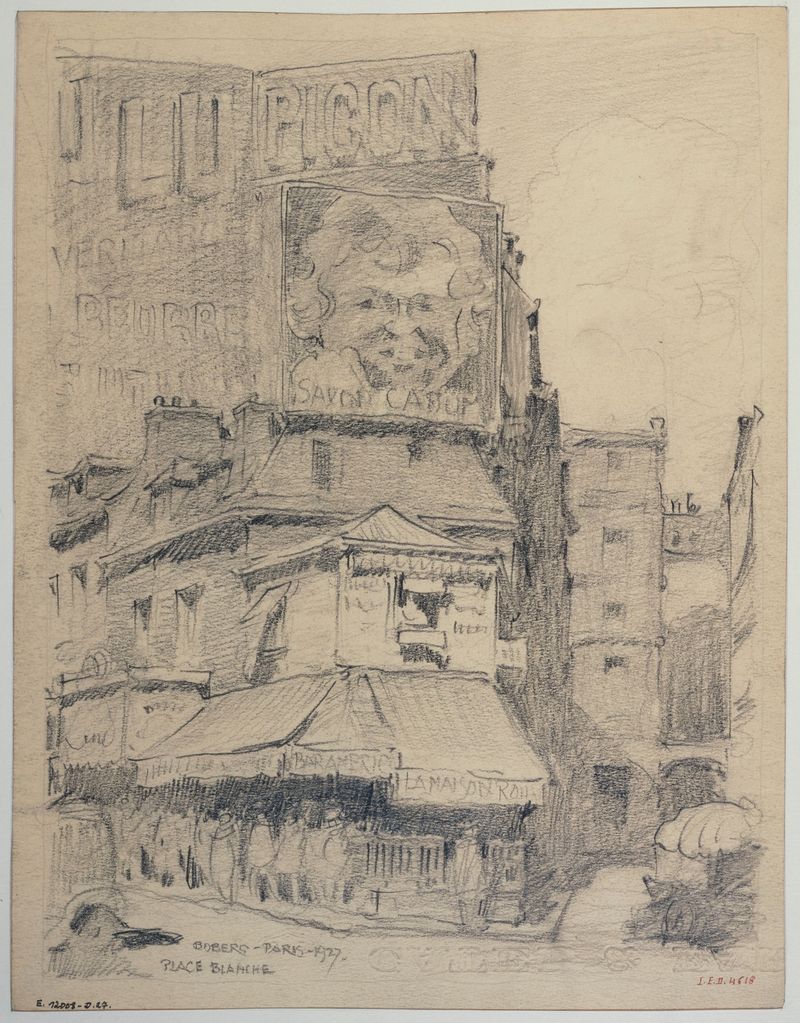
La place Blanche
Ferdinand Boberg





