
La Seine à Saint-Ouen — History & Facts
In La Seine à Saint-Ouen, destiny unfolds within the soft shimmer of the water’s surface and the gentle embrace of the trees lining the riverbank. This painting invites us to reflect on the fleeting nature of time, suggesting that every moment, like the flowing Seine, is both transient and eternal. Focus first on the tranquil river, where light dances across the water’s surface, hinting at the movement of the current. Notice how the artist employs a palette of greens and blues, blending them seamlessly to create a sense of harmony and peace.
To the left, the silhouettes of trees stand like guardians, their soft outlines contrasting with the brighter, lively hues of the sky. The composition draws the eye into the depth of the scene, inviting the viewer to linger just a moment longer in this serene oasis. Delve deeper, and you’ll uncover the emotional tensions woven into the fabric of this idyllic landscape. The juxtaposition of the still water against the gentle rustle of leaves suggests a balance between tranquility and movement, evoking a sense of longing for connection amid the solitude of nature.
The careful brushwork conveys both the weight of destiny and the lightness of being, amplifying the idea that each moment is a part of a larger, beautifully complex narrative. Stanislas Lépine painted this piece during the mid-19th century, a time marked by shifts in the art world as Impressionism began to take form. Living in France, Lépine was influenced by the changing light and atmosphere of his surroundings, capturing the essence of landscapes that resonated with the emerging movement. This work reflects both his artistic evolution and his deep connection to the natural world at a pivotal moment in art history.
More Artworks by Stanislas Lépine
Browse all →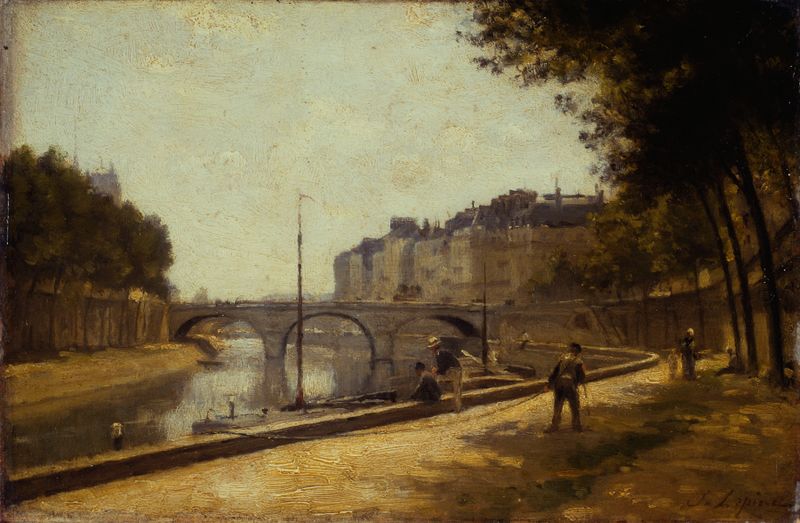
Le pont Saint-Michel
Stanislas Lépine
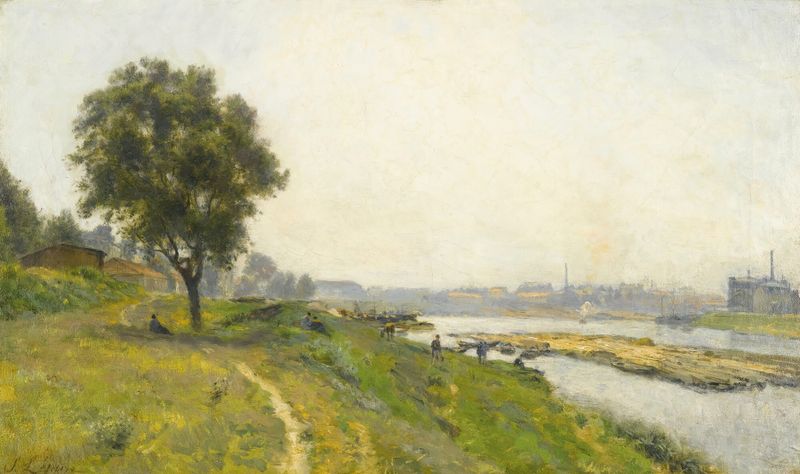
Ivry-Sur-Seine. Le Confluent Avec La Marne
Stanislas Lépine

View on the Seine, Paris
Stanislas Lépine
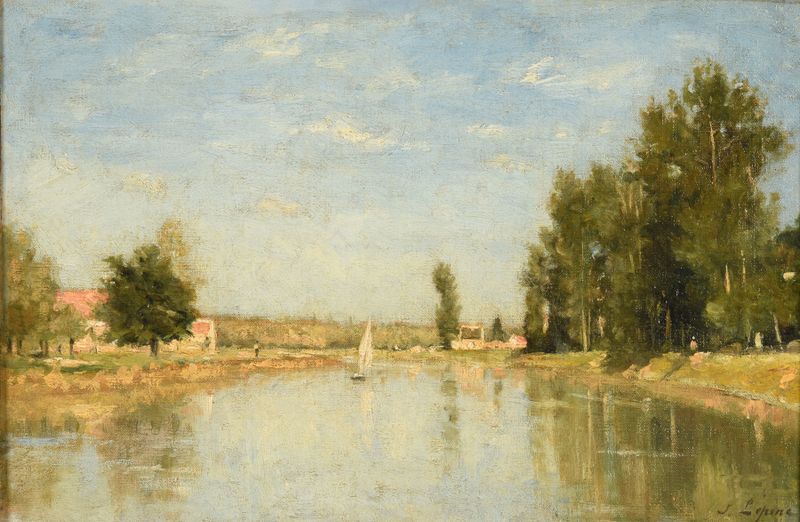
Les Bords de la Marne
Stanislas Lépine

L’île de la Cité et l’île Saint-Louis, vues du pont d’Austerlitz
Stanislas Lépine
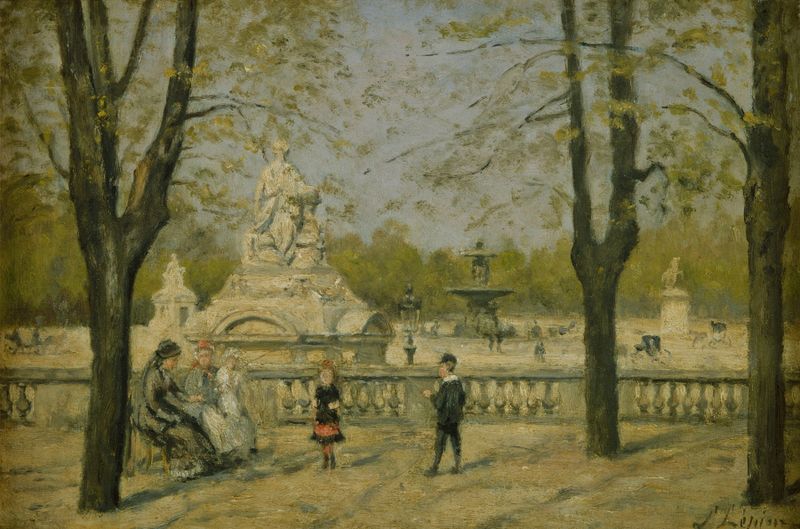
La place de la Concorde, vue de la terrasse des Tuileries
Stanislas Lépine
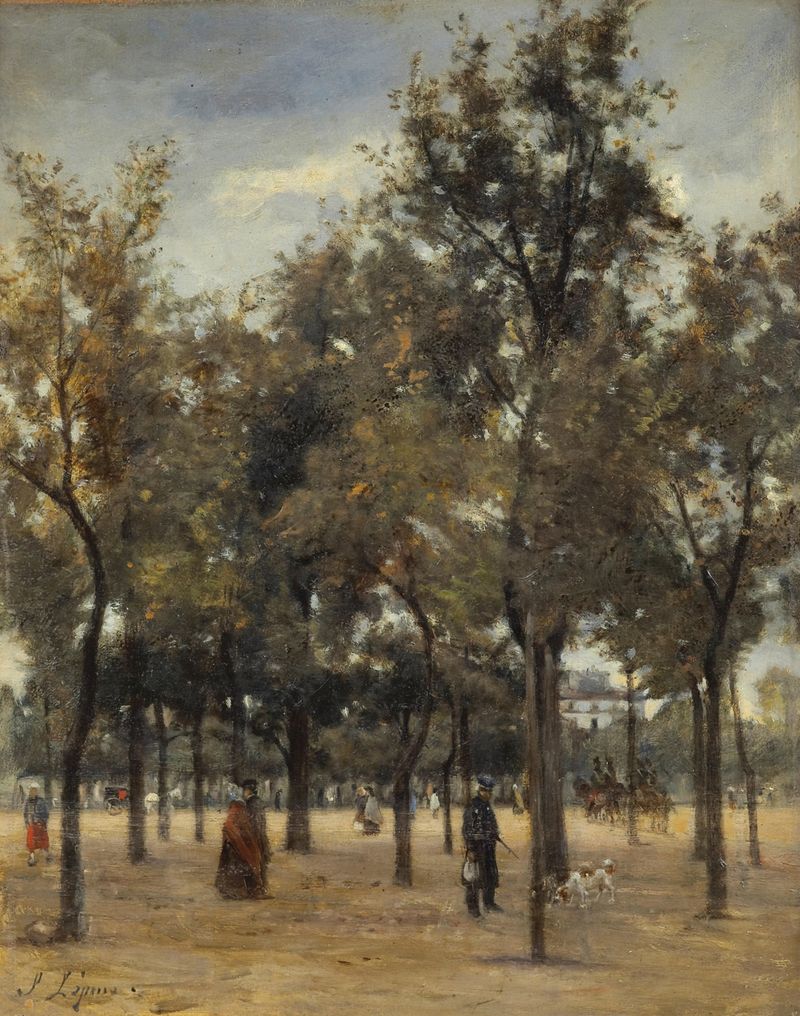
L’esplanade des Invalides
Stanislas Lépine
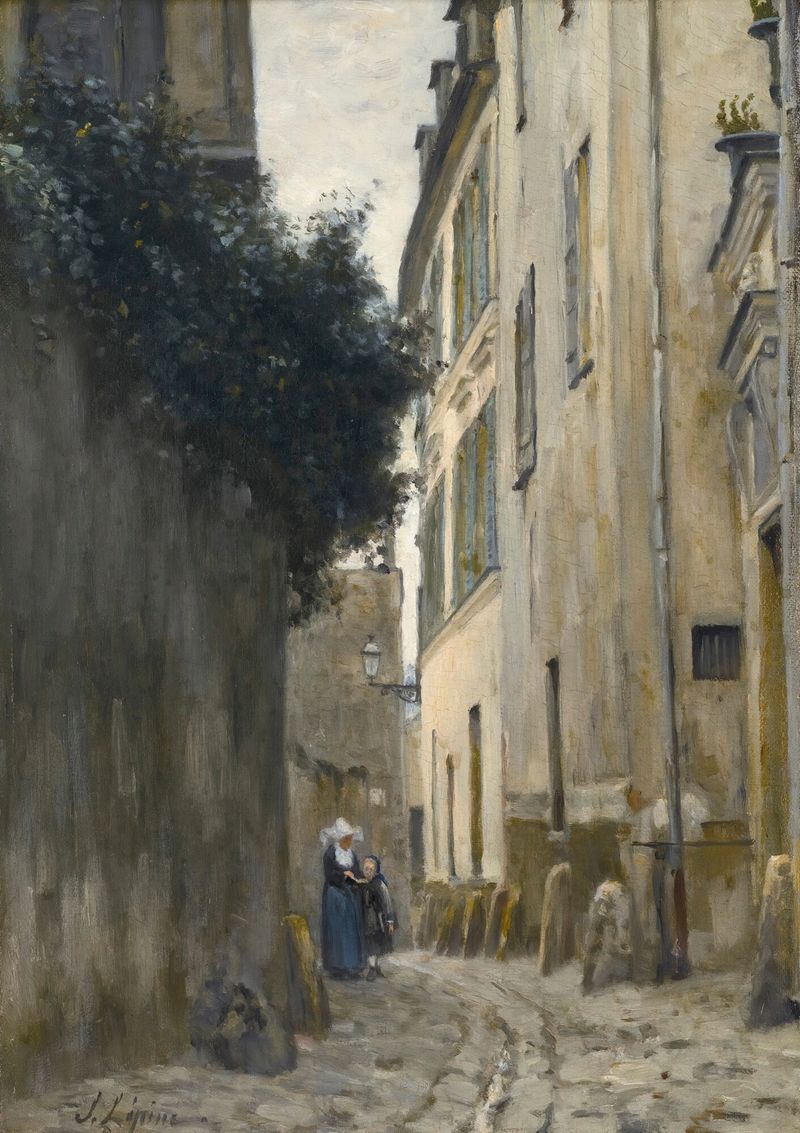
Montmartre. La Rue Saint-Vincent
Stanislas Lépine

Le Bassin de la Villette en hiver
Stanislas Lépine
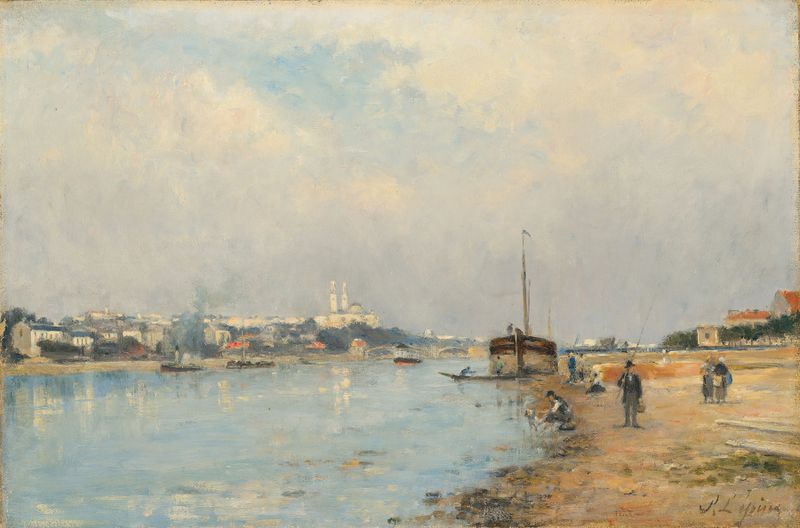
La Seine. Le Trocadéro et le pont de Grenelle, vus du quai de Javel
Stanislas Lépine





