
La Sirène (Gil Blas Illustré) — History & Facts
What first seizes the eye in La Sirène (Gil Blas Illustré) is the wild, golden hair of the solitary woman perched on a cliff’s edge, her gaze lost somewhere between the brooding sea and the rising moon. Her figure, drawn in bold contour and colored with a restrained, almost melancholy palette, is both anchored and adrift—her bare feet pressed to the rock, her arms wrapped around her knees as if bracing against the wind or some inner tide. The sweep of her hair echoes the restless surf below, tying her to the elements, while the stark cliffs behind her press her forward into the uncertain light.
Steinlen’s hand is unmistakable in the way the mood is conjured by line and hue: the tension between the luminous sky and the shadowed land, the way the moon’s reflection cleaves the waves, and the woman’s expression—neither siren nor captive, but something quietly unresolved. Created for the Parisian illustrated weekly Gil Blas Illustré and dated 9 July 1897, this color lithograph belongs to a world where art and mass media collided on the printed page. In the late nineteenth century, journals like Gil Blas brought the work of avant-garde artists into the hands of the public, blending literature, illustration, and social commentary. Théophile Alexandre Steinlen, renowned for his posters and illustrations of Parisian life, here lends his vision to a literary subject—“La Sirène” by Yann Nibor—transforming myth into a modern meditation on solitude and longing.
History has kept few traces of this specific printmaker or its precise journey, but the image endures, inviting us to linger with its siren at the edge of land and story.
More Artworks by Théophile Alexandre Steinlen

Village et charrette
Théophile Alexandre Steinlen
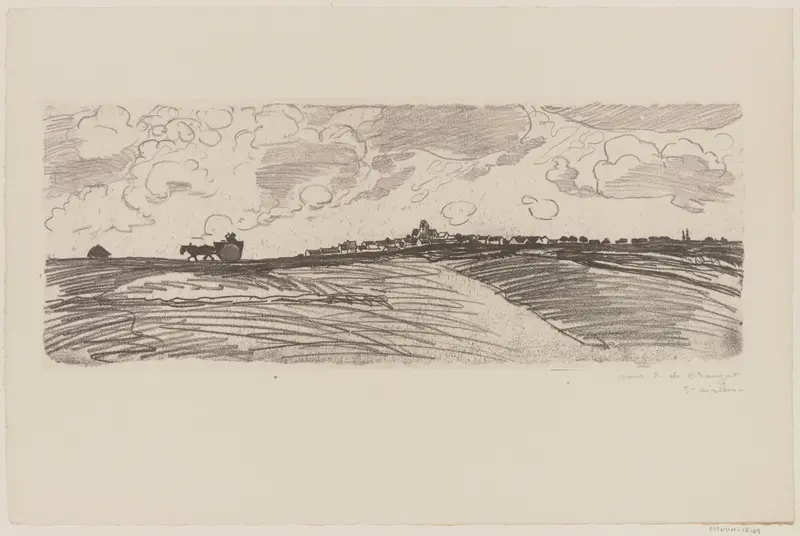
Village et charrette
Théophile Alexandre Steinlen
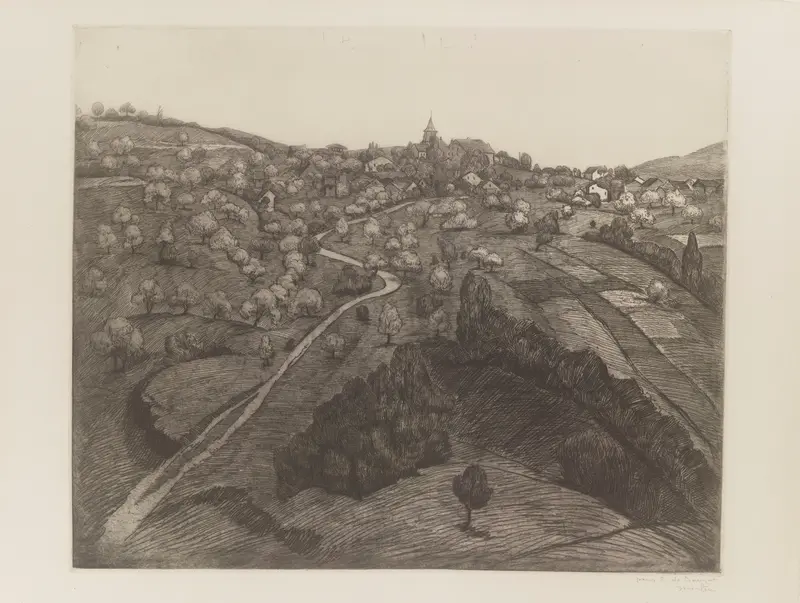
Vue de Belmont, près de Lausanne
Théophile Alexandre Steinlen
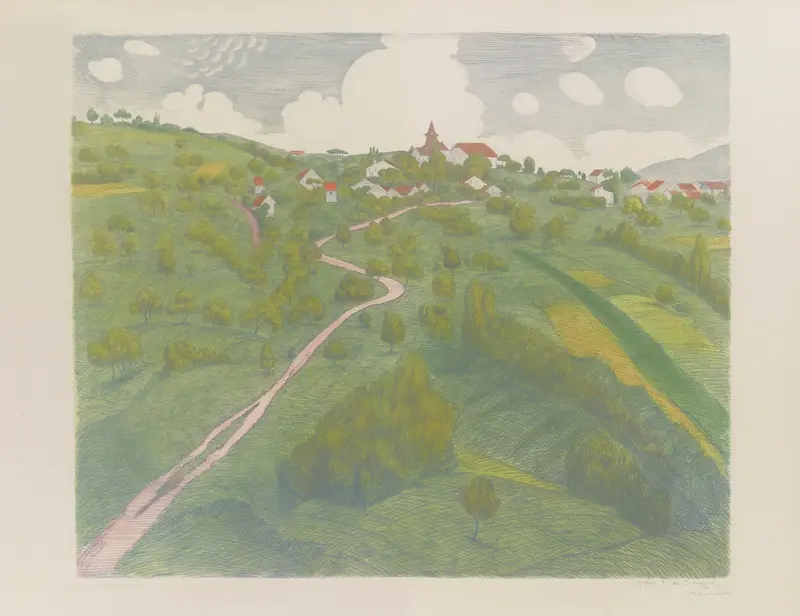
Vue de Belmont, près de Lausanne
Théophile Alexandre Steinlen
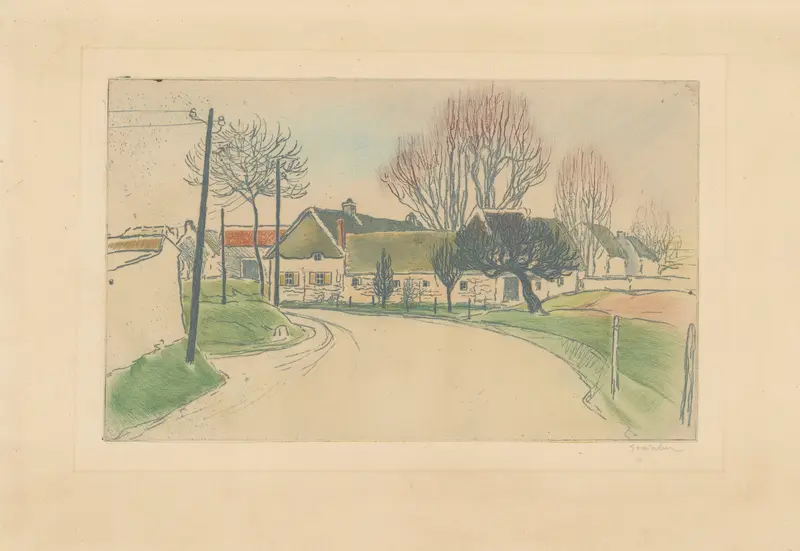
La maison à l’entrée du village
Théophile Alexandre Steinlen
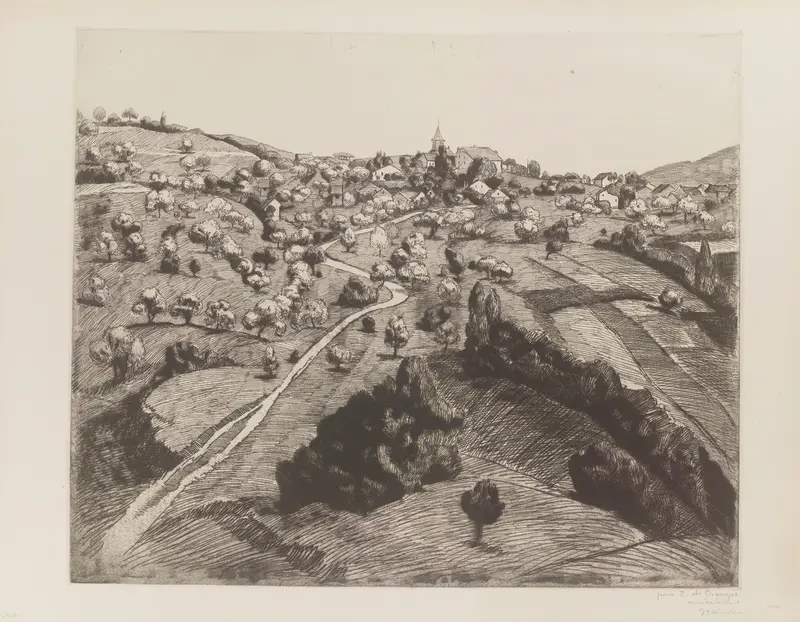
Vue de Belmont, près de Lausanne
Théophile Alexandre Steinlen
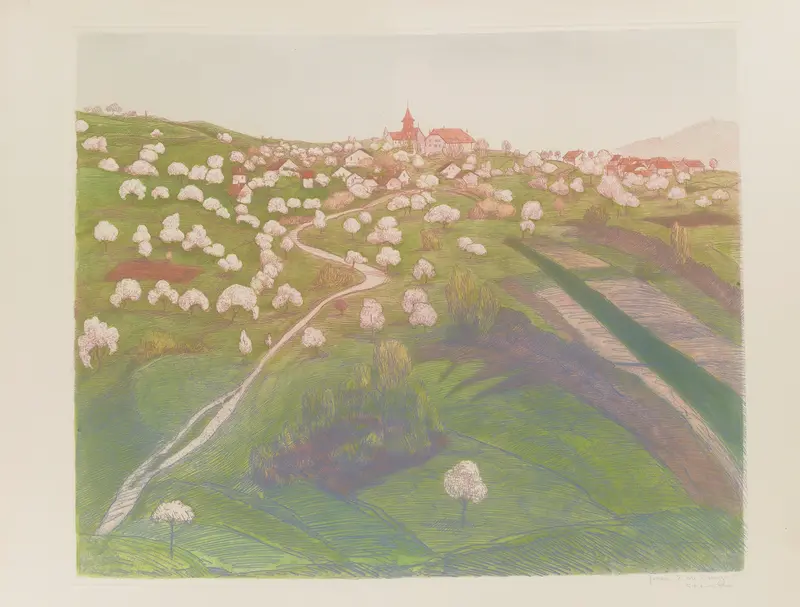
Vue de Belmont, près de Lausanne, n° 2
Théophile Alexandre Steinlen
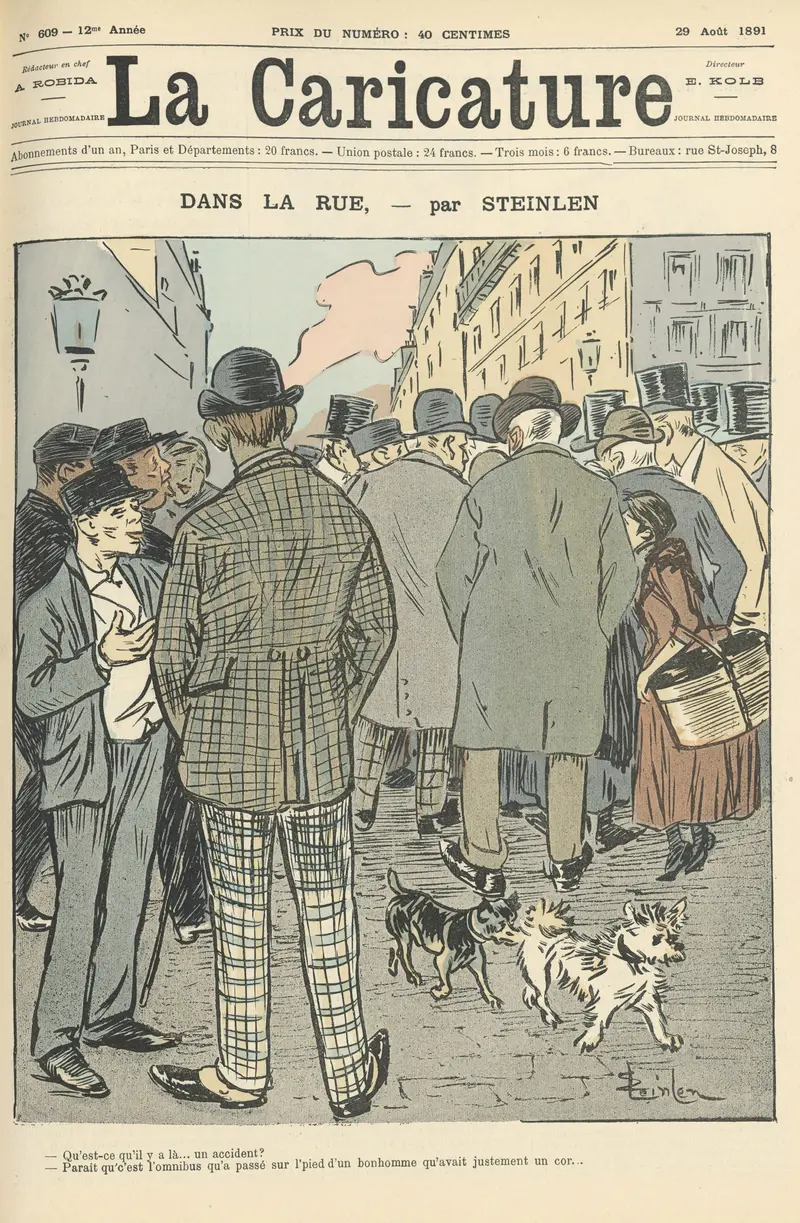
Dans la rue (La Caricature, 29 août 1891)
Théophile Alexandre Steinlen
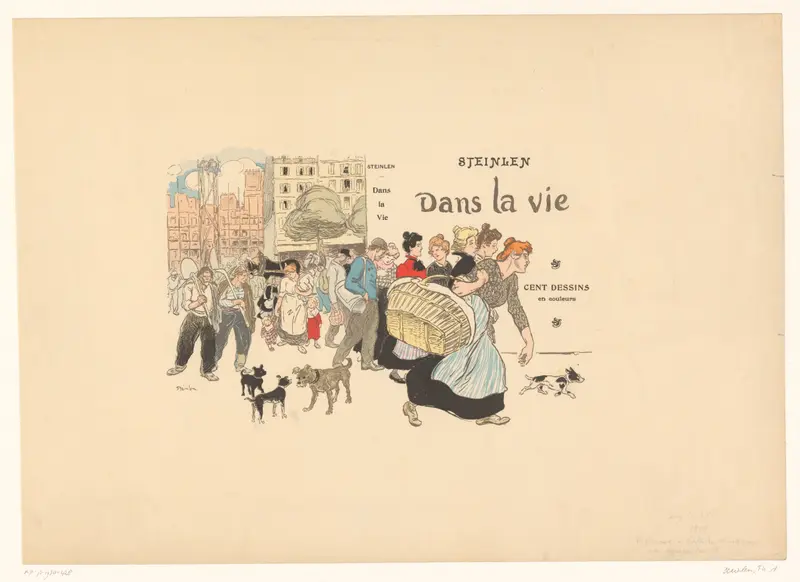
Dans la vie
Théophile Alexandre Steinlen
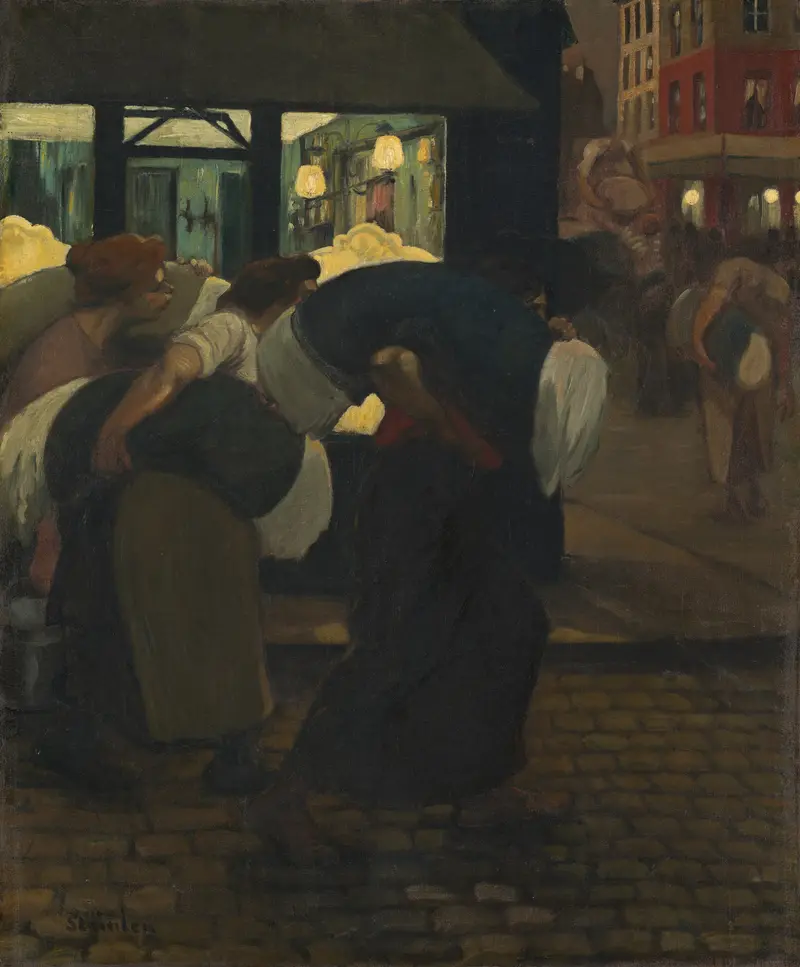
The Laundresses
Théophile Alexandre Steinlen





