
La Tour de Molière — History & Facts
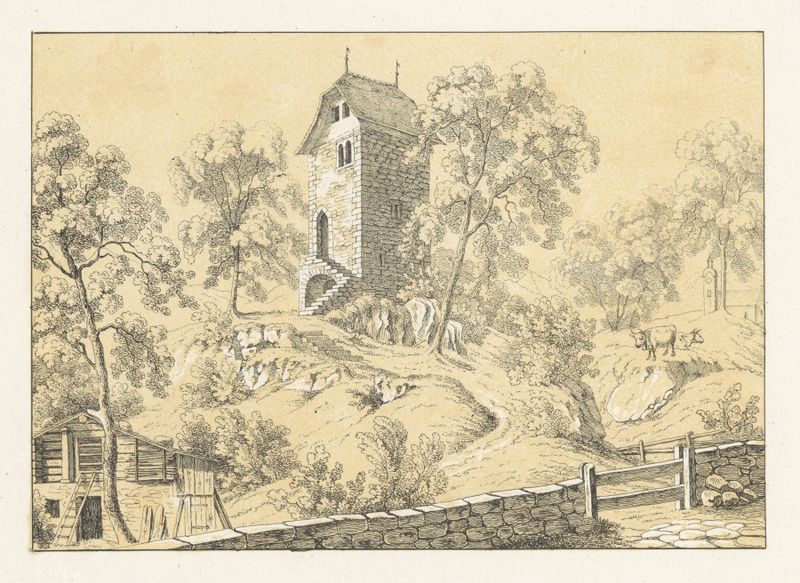
Who listens when art speaks of silence? In La Tour de Molière, chaos lurks beneath the surface of serene beauty, beckoning the viewer to contemplate the tumult of life. Look to the left, where the grand tower stands majestically against a serene sky, its intricate details telling a story of craftsmanship and dedication. Notice how the muted earth tones of the stone contrast with the vibrant greens of the surrounding trees, creating a dialogue between stability and the wildness of nature. Each brushstroke captures a moment suspended in time, drawing your gaze across the canvas and into the heart of the scene. Amid the tranquility, hidden tensions emerge—the juxtaposition of the solitary tower with the chaotic greenery around it suggests an internal struggle.
The solid structure, representing human endeavor, seems to be both a refuge and a prison amidst the unpredictable forces of nature. The light dapples through the foliage, casting shadows that hint at the ephemeral quality of life and the constant dance between order and disorder. Wagner painted this work between 1840 and 1844 during a period marked by significant artistic upheaval and personal introspection. Living in Germany, he was influenced by Romantic ideals that emphasized emotion and individual experience, often reflecting the societal chaos of his time.
This painting embodies that spirit, as it invites viewers to engage with the silence that can reside amidst chaos, both in nature and within themselves.
More Artworks by Johann Friedrich Wagner
Browse all →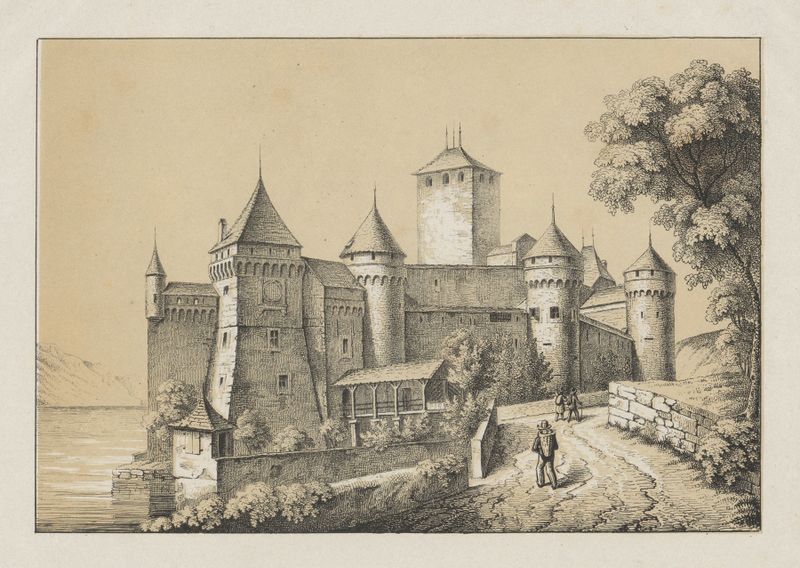
Chillon
Johann Friedrich Wagner

Valangin
Johann Friedrich Wagner
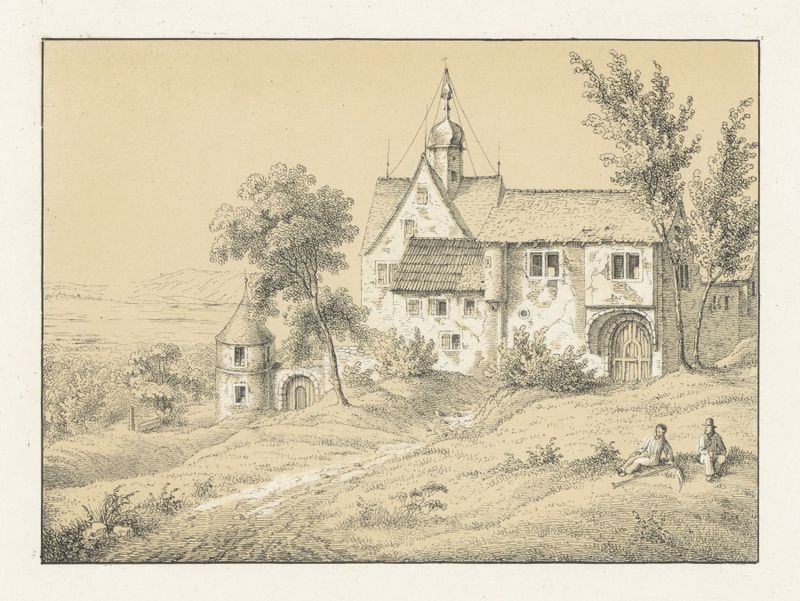
Greifenstein
Johann Friedrich Wagner

Vorburg
Johann Friedrich Wagner
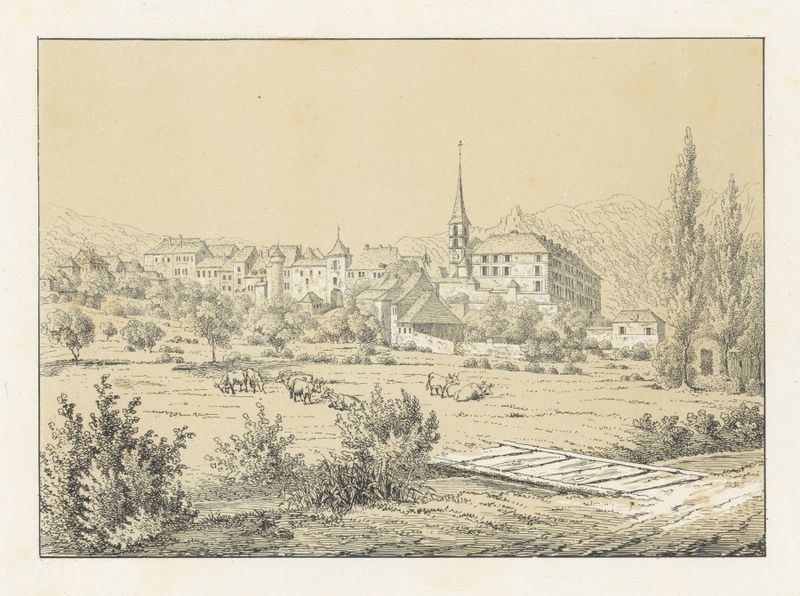
Delémont
Johann Friedrich Wagner

Pleujouse
Johann Friedrich Wagner

Challay
Johann Friedrich Wagner
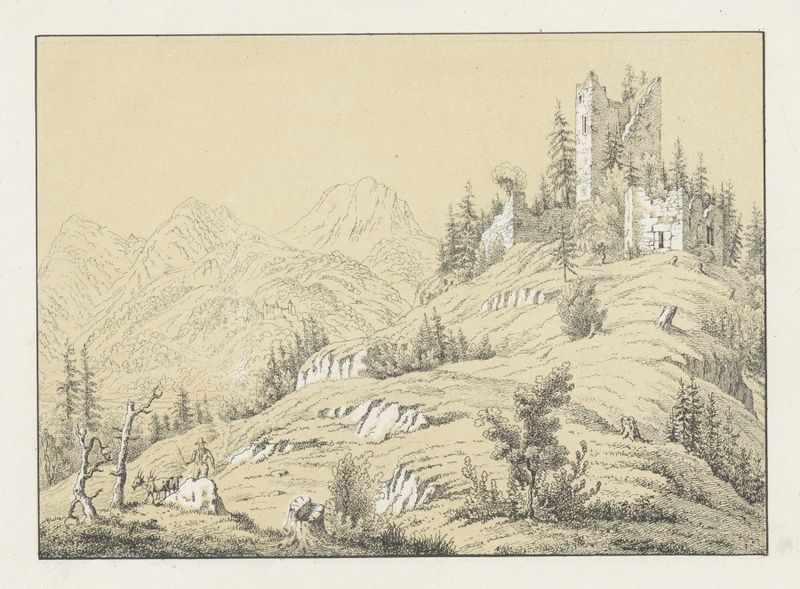
Mont Salvant
Johann Friedrich Wagner
Aha. Od. Untere Burg von Sarnen
Johann Friedrich Wagner
Lausanne
Johann Friedrich Wagner
More Architecture Art
Browse all →
The statue of Liberty
Frédéric Auguste Bartholdi

View of Houses in Delft, Known as ‘The Little Street’
Johannes Vermeer

View of Houses in Delft, Known as ‘The Little Street’
Johannes Vermeer

The Cathedral in Rouen. The portal, Grey Weather
Claude Monet

The yellow house
Vincent van Gogh

The Church in Auvers-sur-Oise, View from the Chevet
Vincent van Gogh