
La Trappistine — History & Facts
In La Trappistine, Alphonse Mucha presents a serene figure, likely a nun, draped in flowing robes. The colors are soft and muted, with a palette dominated by earth tones and gentle pastels. The background features floral motifs, typical of Mucha's decorative style, enhancing the overall tranquility of the scene.
The figure's expression is calm, embodying the essence of peace and contemplation. The painting is characterized by its intricate details and ornamental elements, hallmarks of the Art Nouveau movement. Mucha employs a smooth application of paint, creating a delicate texture that enhances the figure's features. The composition is balanced, with the figure centrally placed, drawing the viewer's eye.
The use of line and form is fluid, typical of Mucha's signature style. La Trappistine was created during a period when Mucha was deeply influenced by the decorative arts and the feminine ideal. This work reflects his fascination with the beauty of women and the spiritual qualities he associated with them. An interesting fact about this piece is that it was part of a series of works that celebrated the role of women in society, showcasing their strength and grace.
Mucha's unique approach to portraiture has made this painting a notable example of Art Nouveau art.
More Artworks by Alphonse Mucha

Bières de la Meuse
Alphonse Mucha

Abstract design based on flowers and leaves
Alphonse Mucha
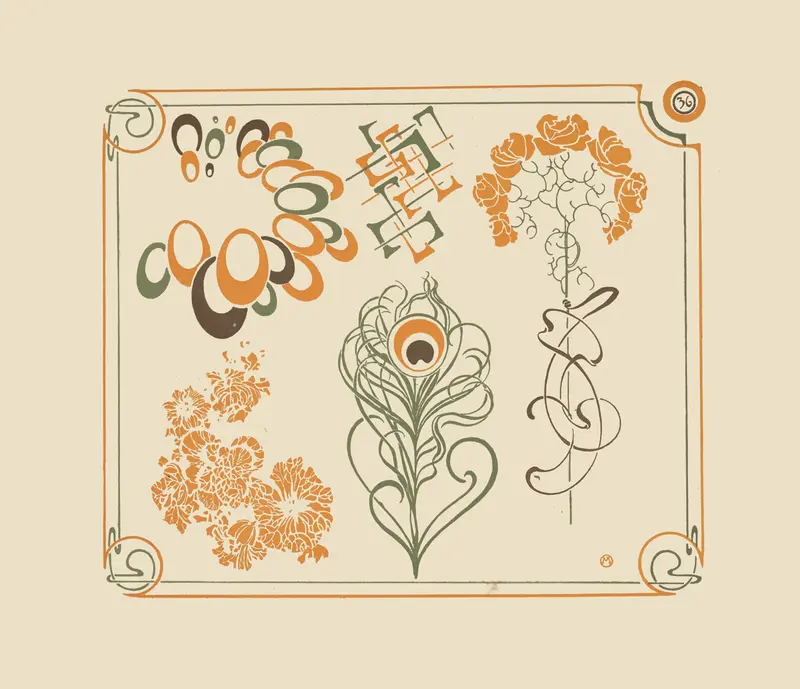
Abstract design based on flowers and curvilinear shapes.
Alphonse Mucha
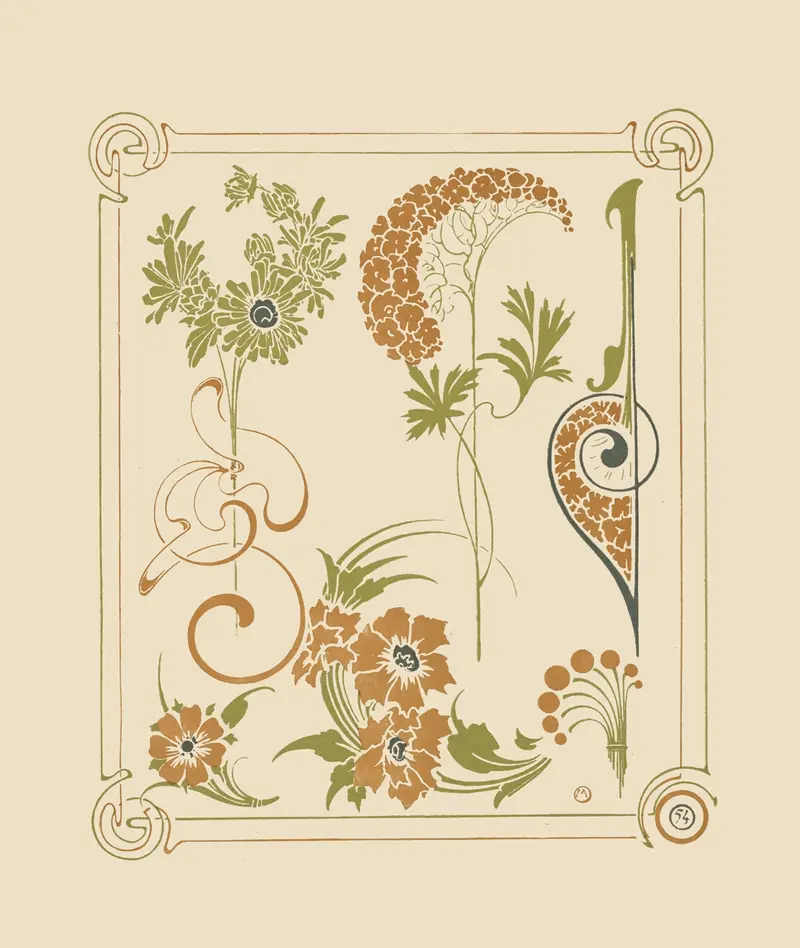
Abstract design based on flowers and arabesques.
Alphonse Mucha
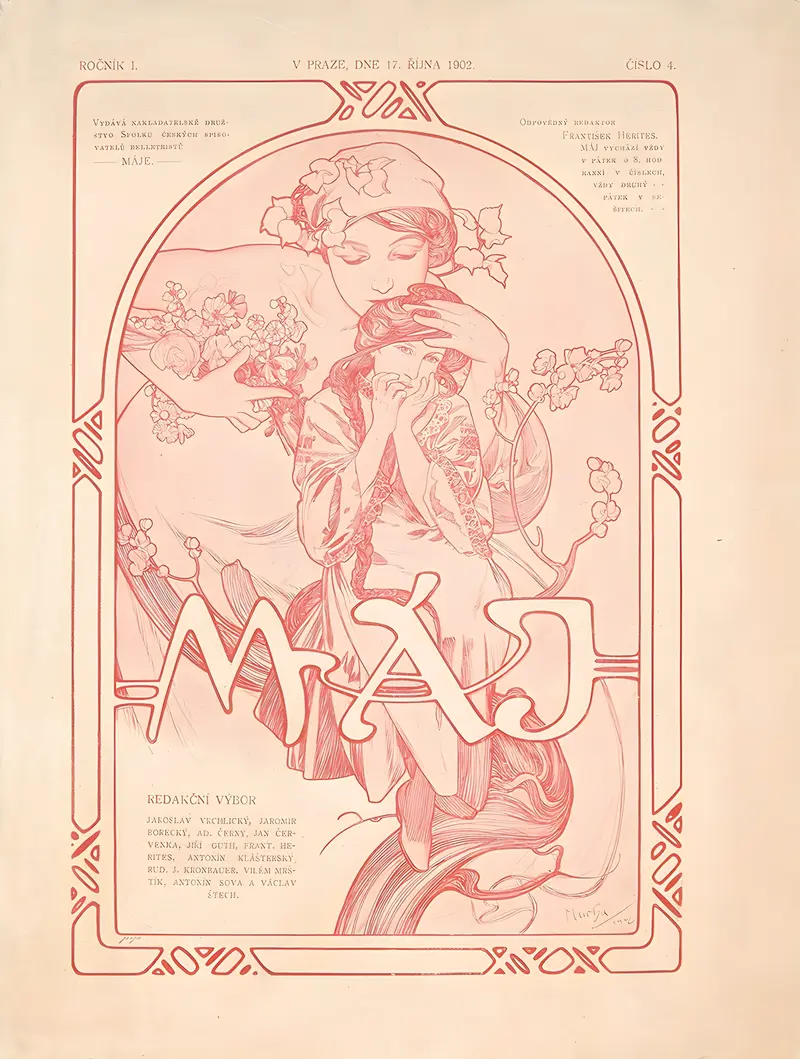
Máje
Alphonse Mucha
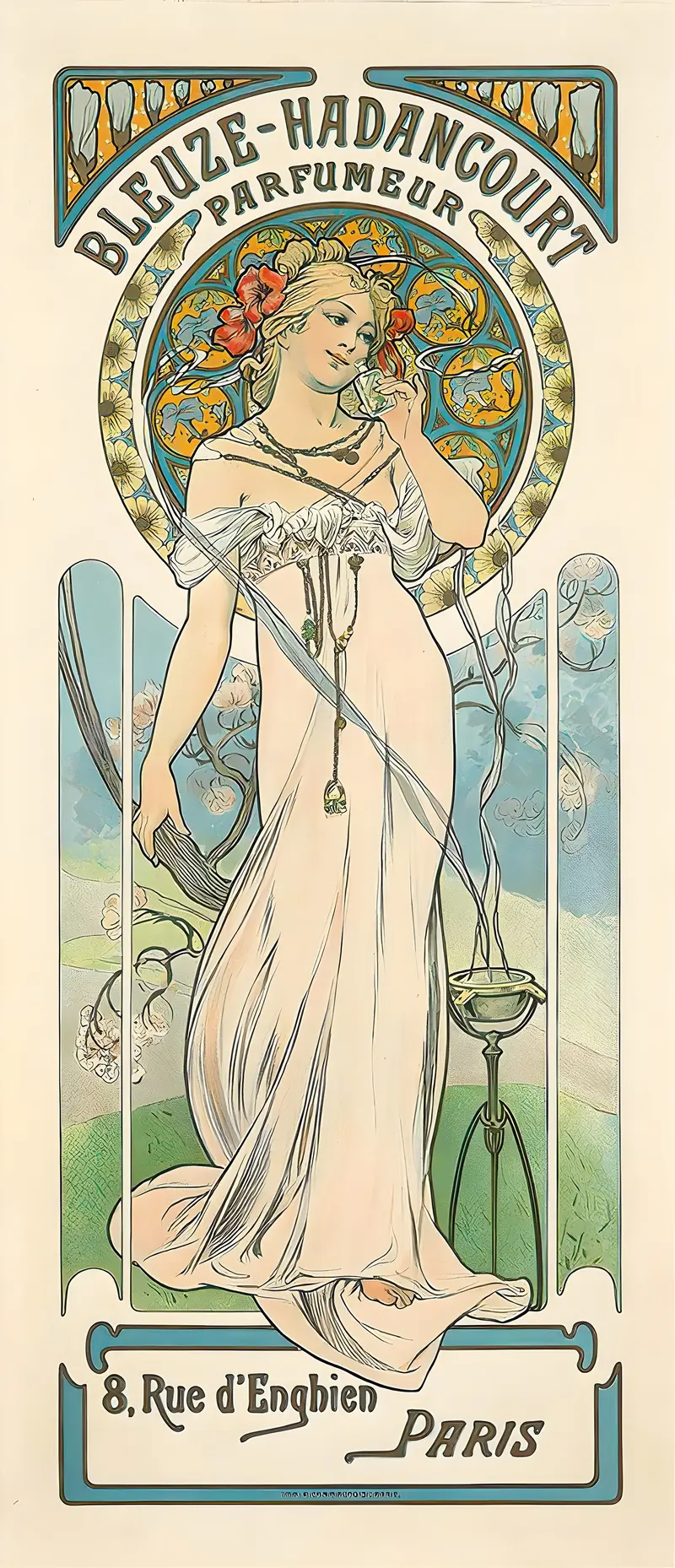
Bleuze-Hadancourt Parfumeur
Alphonse Mucha
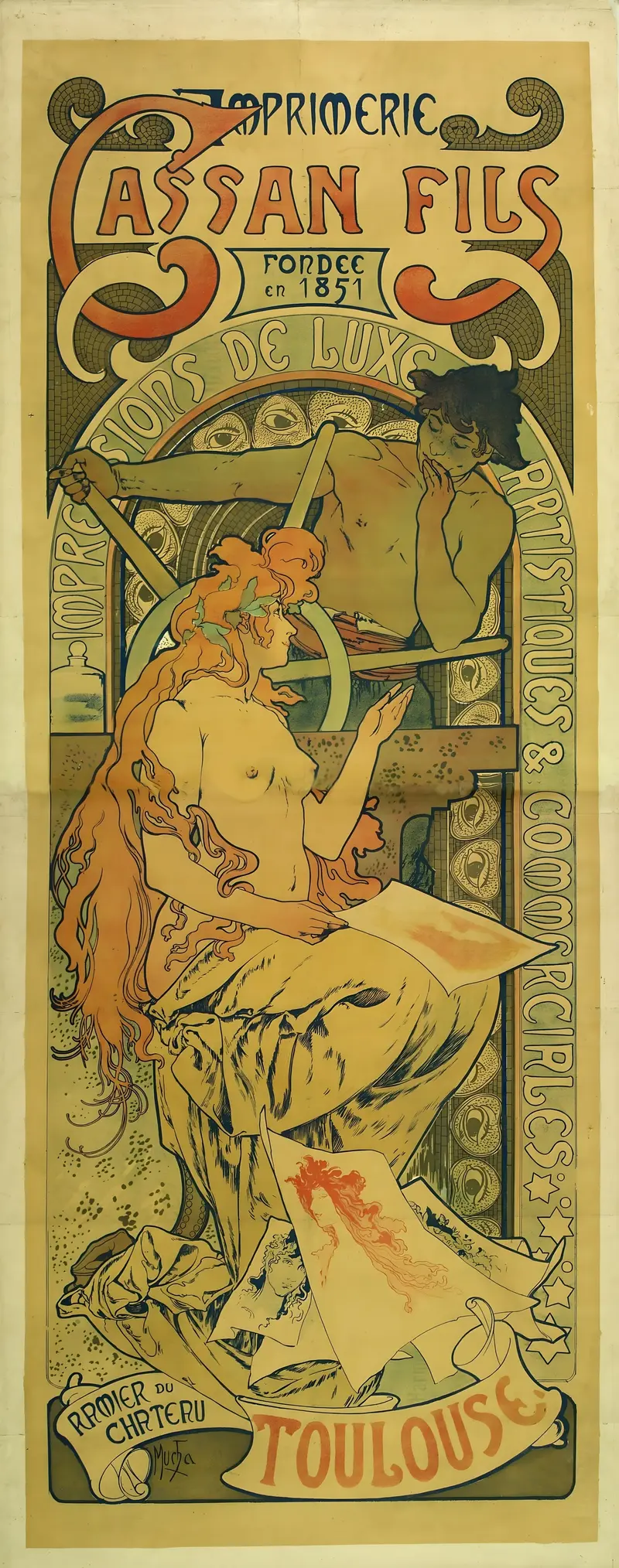
Imprimerie Cassan Fils Fondée en 1851 Impressions de Luxe Artistiques & Commerciales Ramier du Chateau Toulouse
Alphonse Mucha
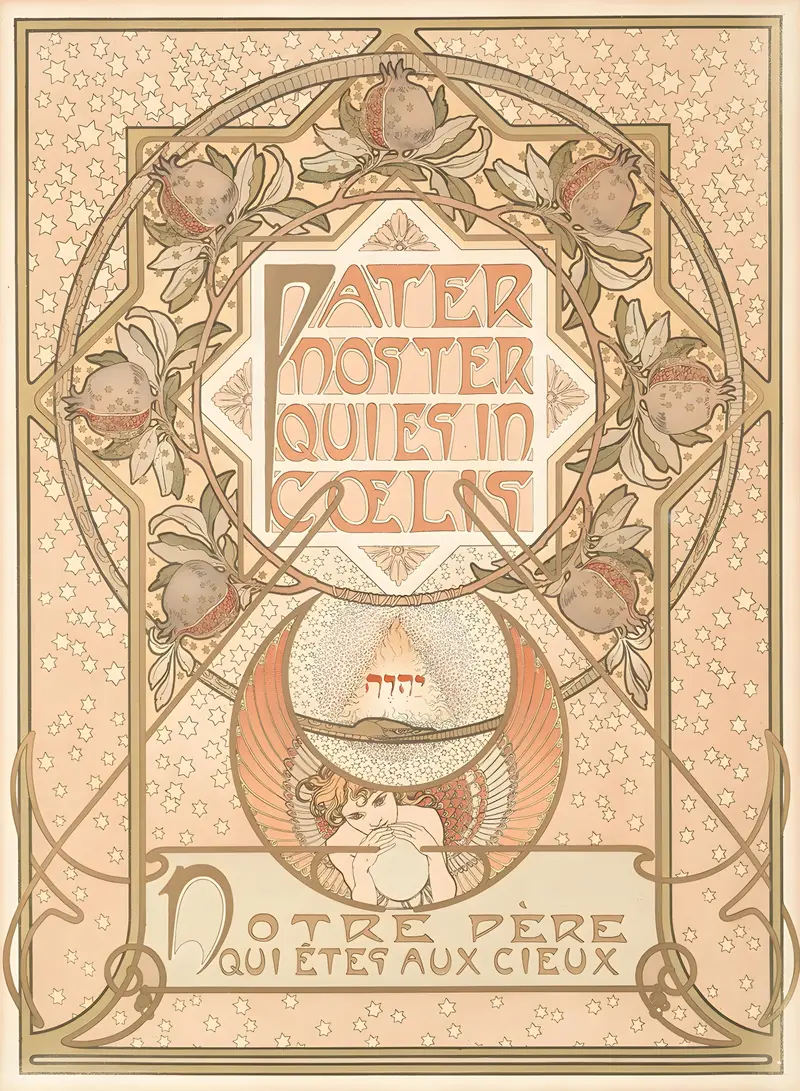
Pater Noster
Alphonse Mucha
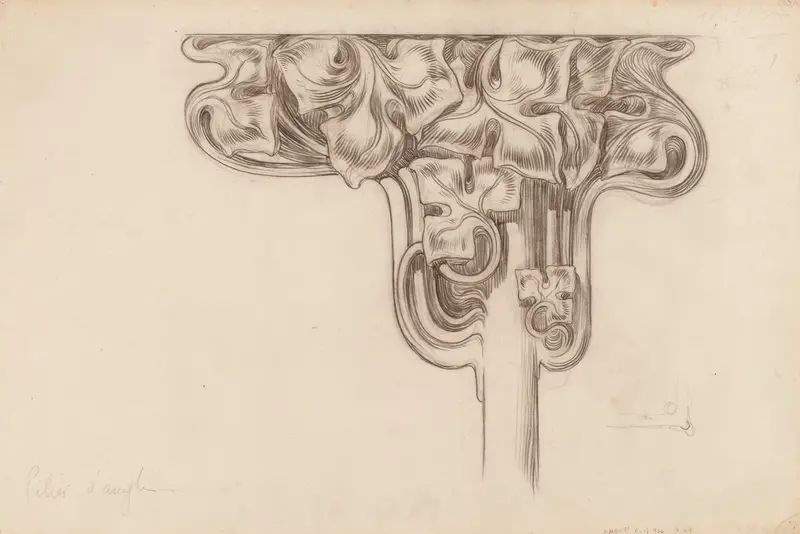
Projet de chapiteau de bronze pour un pilier de la boutique Fouquet
Alphonse Mucha
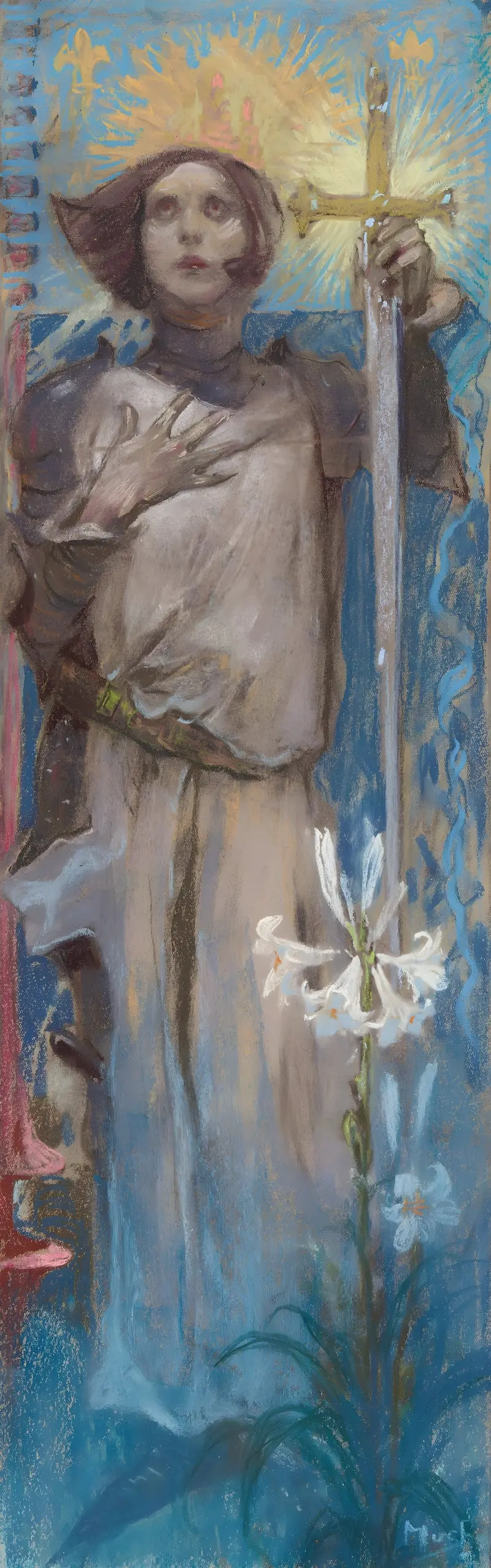
Joan of Arc. Apparition
Alphonse Mucha





