
La Triennale 1916 — History & Facts
A single figure commands the foreground: a French soldier, rifle cradled, gaze lifted toward a horizon he cannot see. The artist’s hand, unmistakably that of Théophile Alexandre Steinlen, sets the soldier in deep shadow, his form rendered in urgent charcoal strokes that echo the uncertainty of 1916. Behind him, in a lighter, almost spectral register, a farmer drives a team of oxen through the fields—an image of persistence and routine that stands in quiet dialogue with the soldier’s tense stillness.
The contrast is deliberate: the world at war and the world that endures, set side by side in one frame, each illuminated by a different kind of light. This is not a mere advertisement, but a call to solidarity—an invitation to the “Fraternité des Artistes” exhibition, staged at the height of the First World War in Paris. Posters like this, created for charitable art exhibitions, were both practical and symbolic: they rallied the public, raised funds, and reminded viewers of the ties between those at the front and those at home. The date, 1916, marks a moment when France was deep in the trenches, and artists such as Steinlen used their craft to bridge the gulf between battlefield and countryside, soldier and civilian.
History has kept few traces of the individual stories behind such posters, but their message remains immediate—urging us to look again, and see the lives entwined by war.
More Artworks by Théophile Alexandre Steinlen

Village et charrette
Théophile Alexandre Steinlen
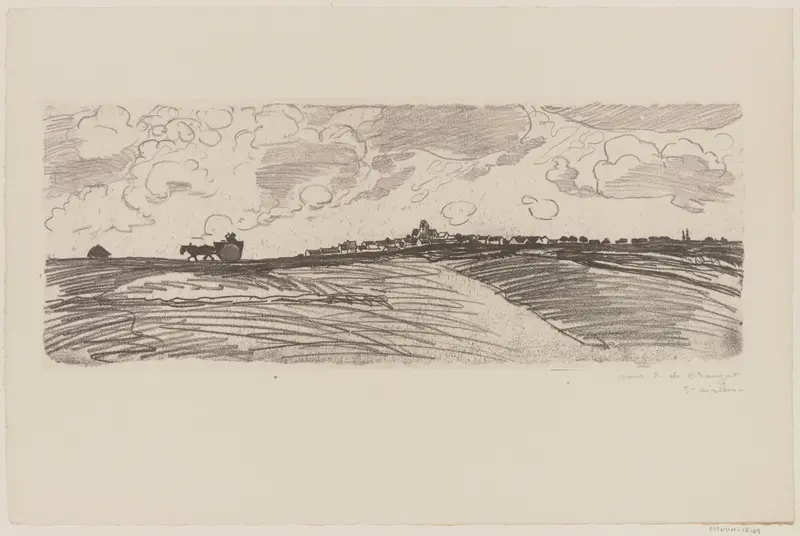
Village et charrette
Théophile Alexandre Steinlen
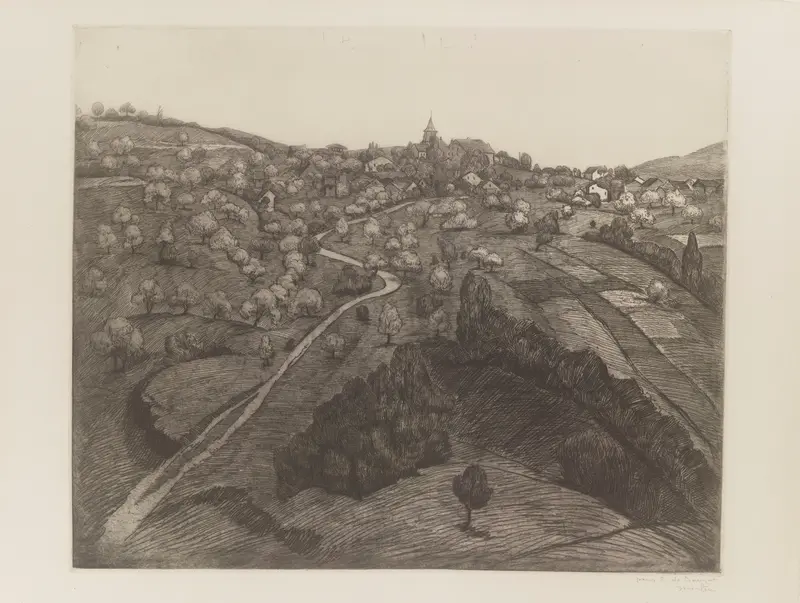
Vue de Belmont, près de Lausanne
Théophile Alexandre Steinlen
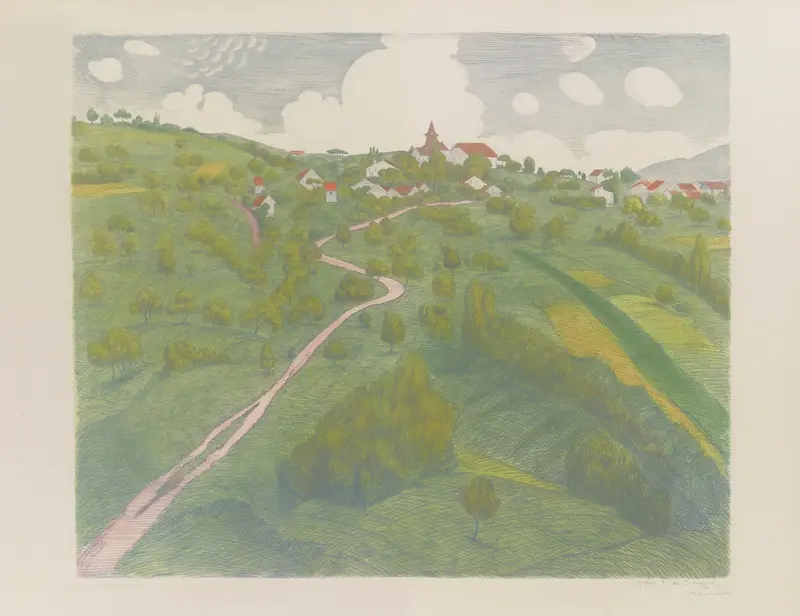
Vue de Belmont, près de Lausanne
Théophile Alexandre Steinlen
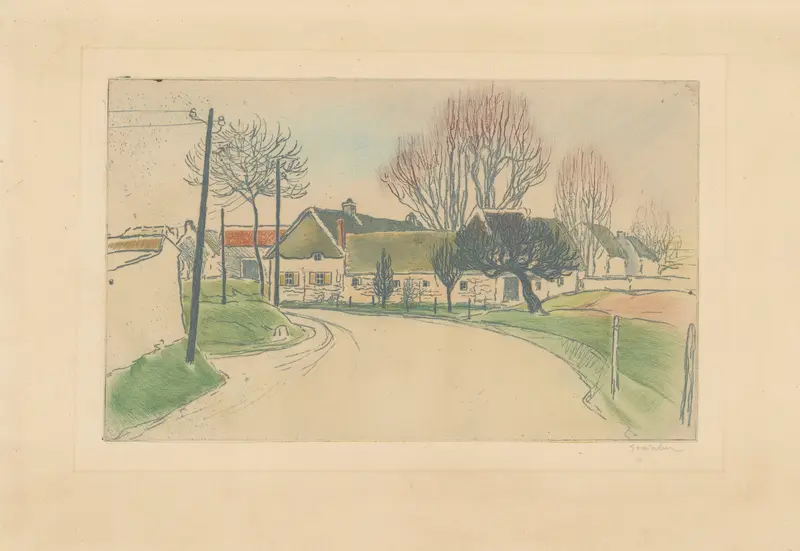
La maison à l’entrée du village
Théophile Alexandre Steinlen
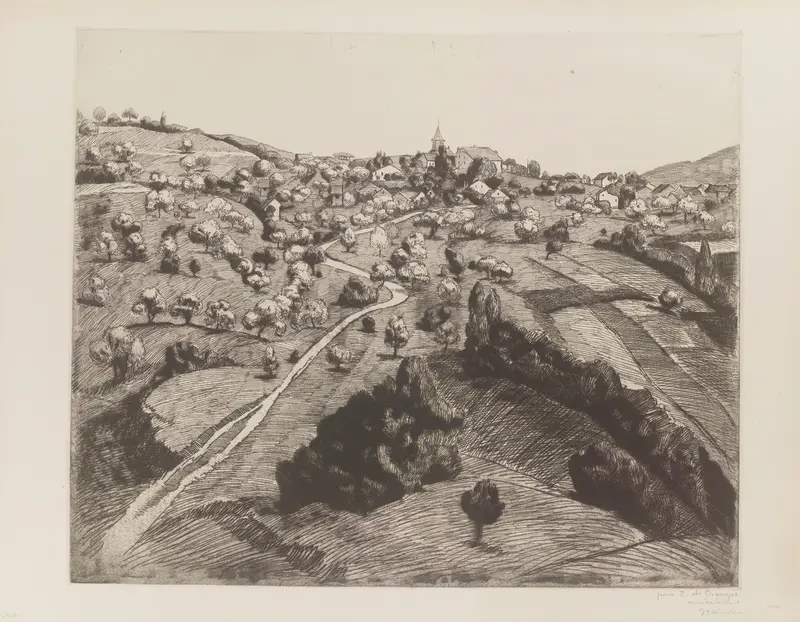
Vue de Belmont, près de Lausanne
Théophile Alexandre Steinlen
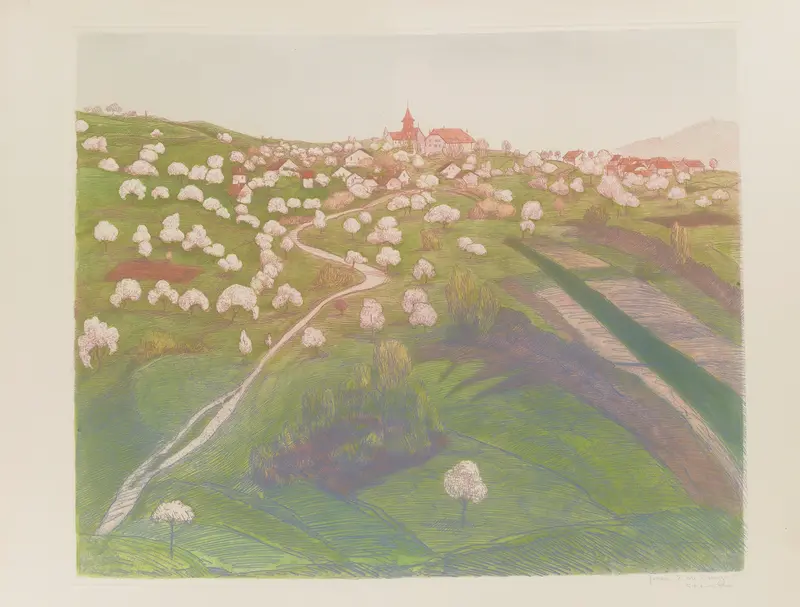
Vue de Belmont, près de Lausanne, n° 2
Théophile Alexandre Steinlen
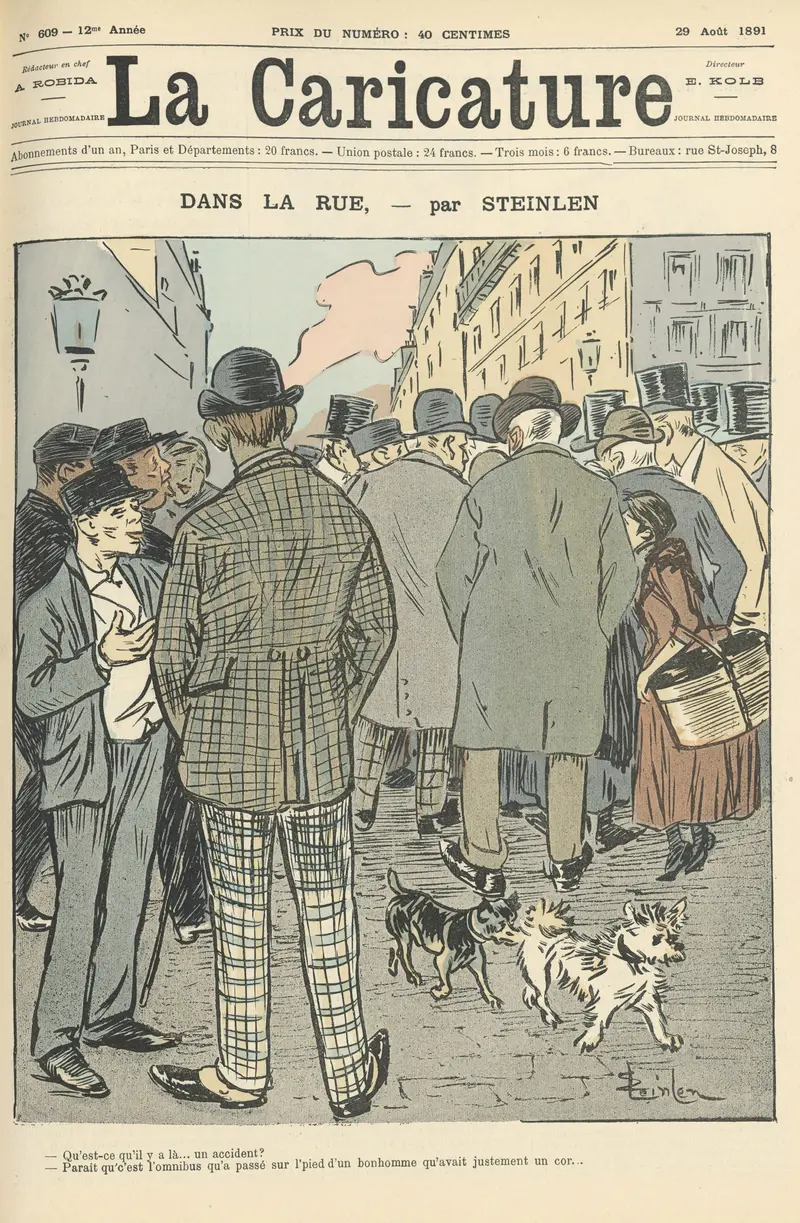
Dans la rue (La Caricature, 29 août 1891)
Théophile Alexandre Steinlen
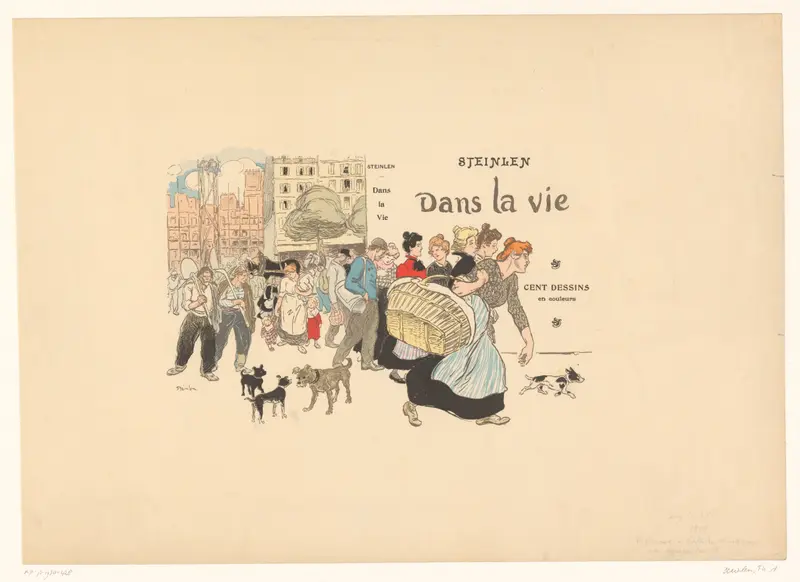
Dans la vie
Théophile Alexandre Steinlen
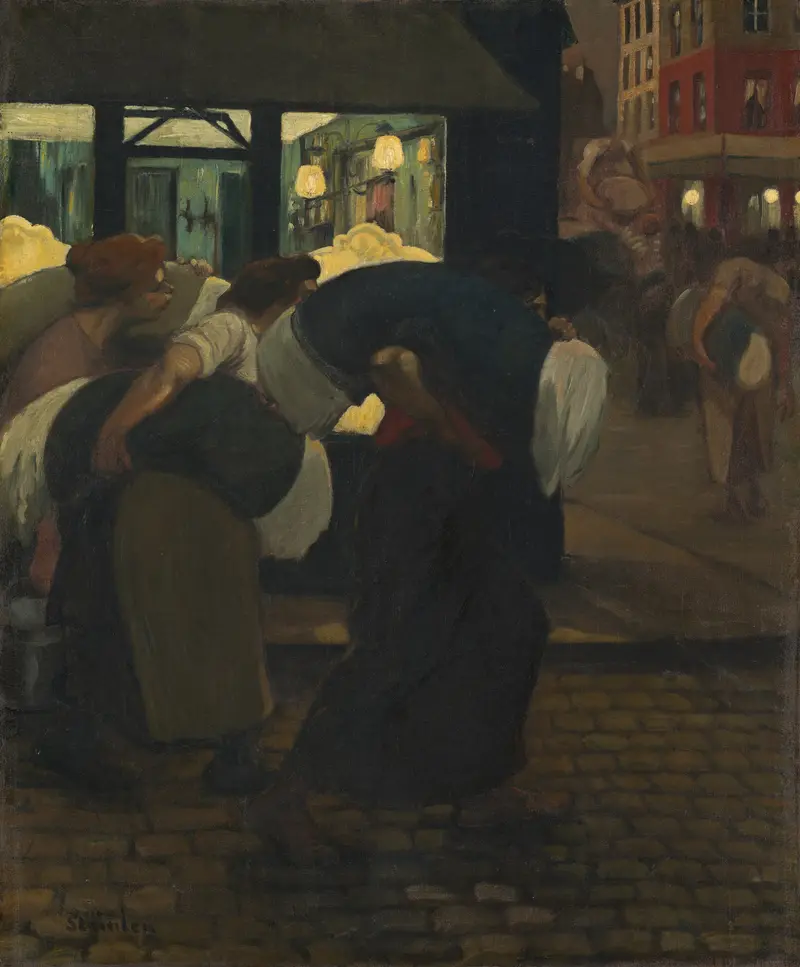
The Laundresses
Théophile Alexandre Steinlen
More Genre Scene Art

Banquet of the Officers of the St George Civic Guard
Frans Hals

Rembrandt and Saskia in the Scene of the Prodigal Son
Rembrandt van Rijn

Bal du moulin de la Galette
Pierre-Auguste Renoir

Quadrille at the Moulin Rouge
Henri de Toulouse-Lautrec

A Burial at Ornans
Gustave Courbet

When Will You Marry?
Paul Gauguin