
Lady with Gold Chains — History & Facts
What first catches the eye in Lady with Gold Chains is the deliberate calm of her gaze, a composure that holds the viewer at a careful distance. The woman’s upright posture and the cascade of gold chains that loop across her bodice and slip through her fingers are no idle ornaments—they are signals of wealth, status, and perhaps the responsibilities that come with them. The painter, Antonis Mor, sets her against a dark, nearly featureless background, forcing every detail of her attire and expression into sharp relief.
The ruff at her neck, crisp and white, frames her face like a spotlight, while the patterned sleeves and delicate cuffs speak to the intricate tastes of mid-16th-century courtly fashion. The light falls softly across her face and hands, guiding the eye to the gold that punctuates the somber palette and suggesting a world of privilege just beyond the canvas. Painted in 1560, this portrait belongs to a world where likeness was both a record and a declaration. In the courts of Europe, portraits such as this—often commissioned to mark alliances, marriages, or the assertion of family prestige—were instruments of power as much as personal mementos.
Antonis Mor was renowned for his ability to balance psychological presence with the formal codes of his era, and here, the sitter’s reserved expression and the calculated display of finery reflect the values of a society in which appearances were carefully curated. While history has not preserved her name, the lady’s image endures in the Museo del Prado’s collection, a silent testament to the ambitions and anxieties of her time. Look again at the gold chains: they are not just decoration, but a thread connecting her world to ours.
More Artworks by Antonis Mor

Portrait of a Man
Antonis Mor
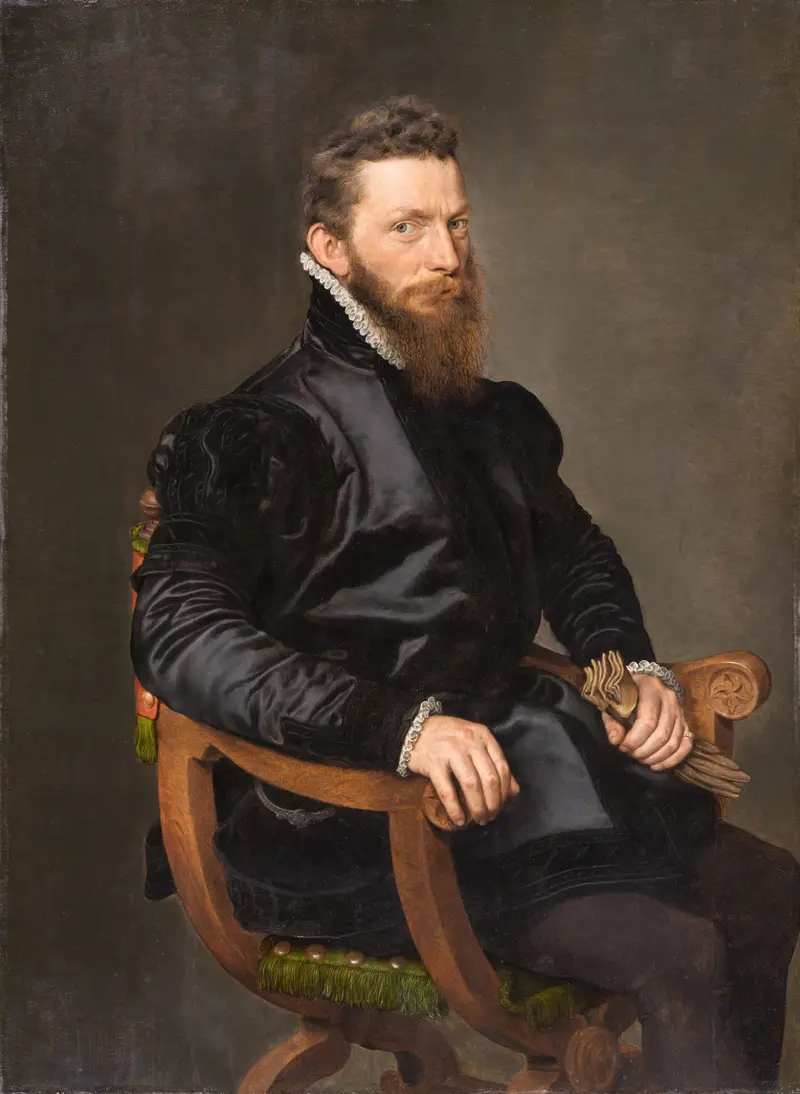
Portrait of a Gentleman
Antonis Mor
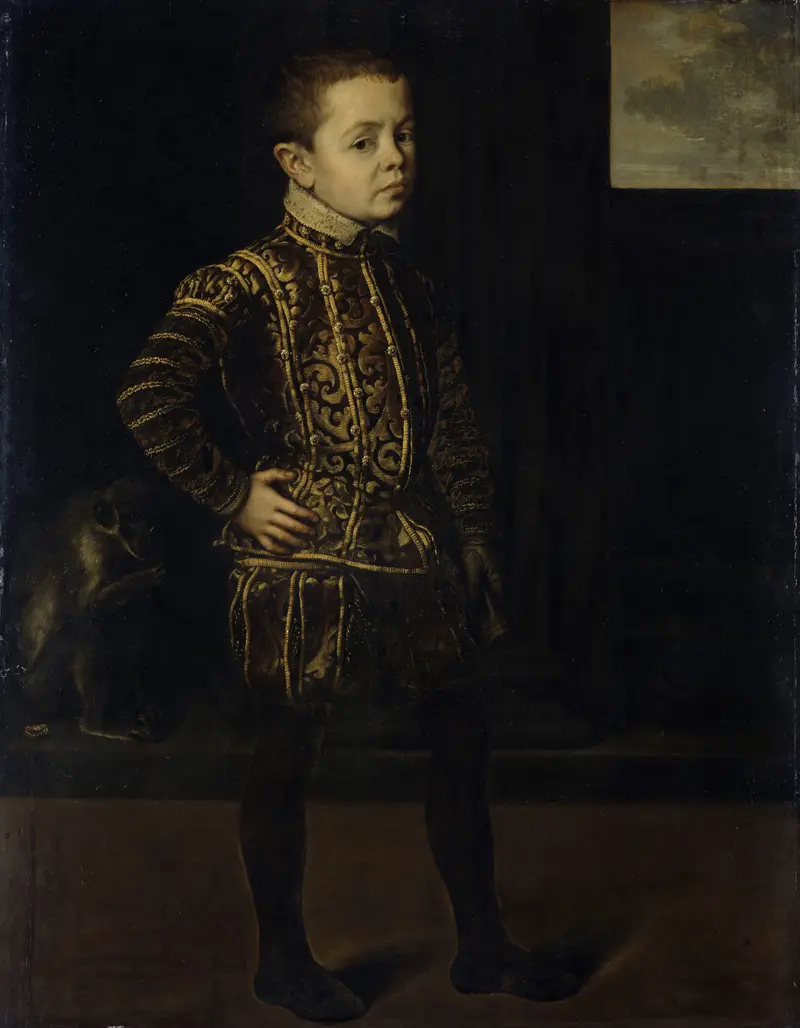
Portrait of a young prince
Antonis Mor
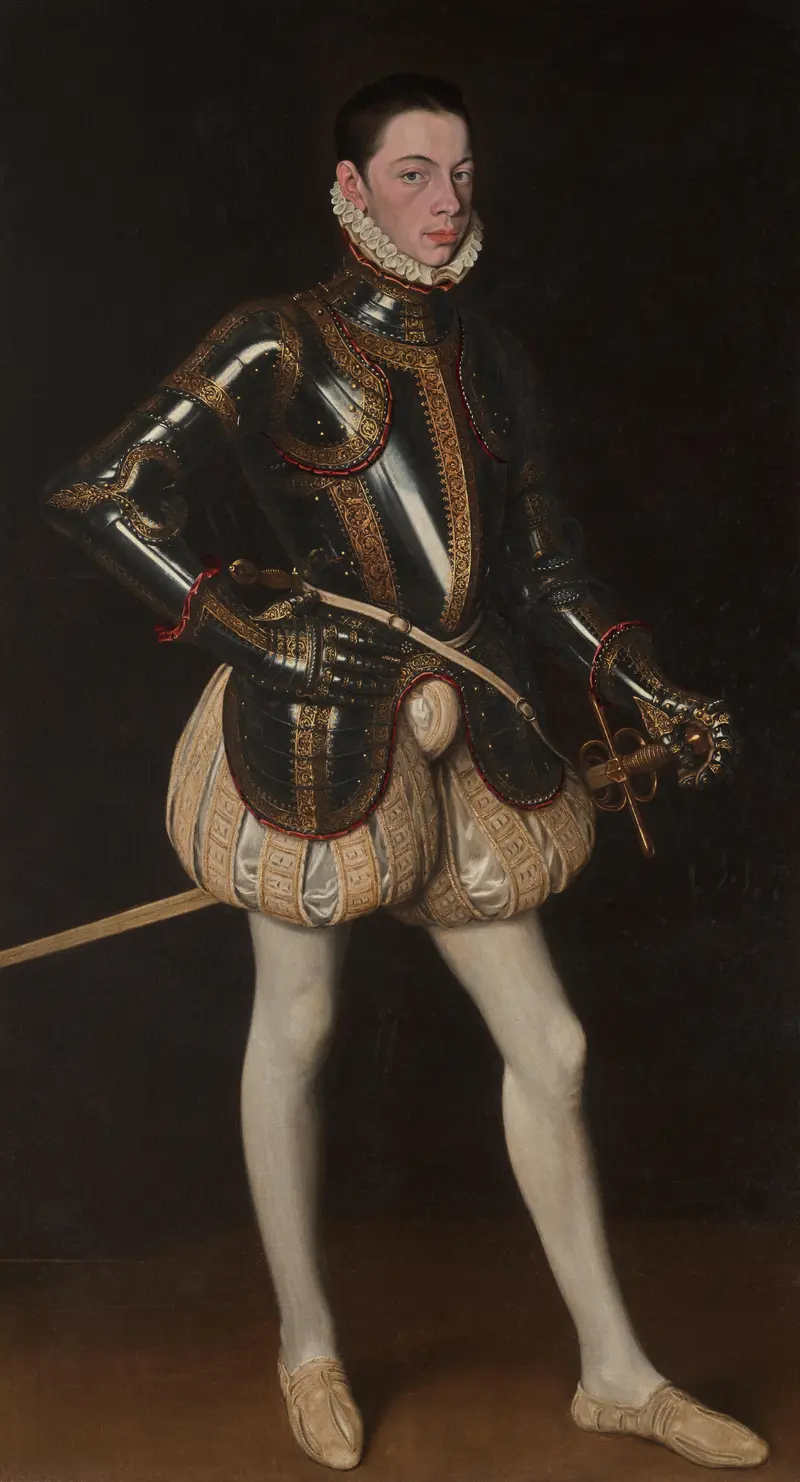
Alessandro Farnese in Armor
Antonis Mor
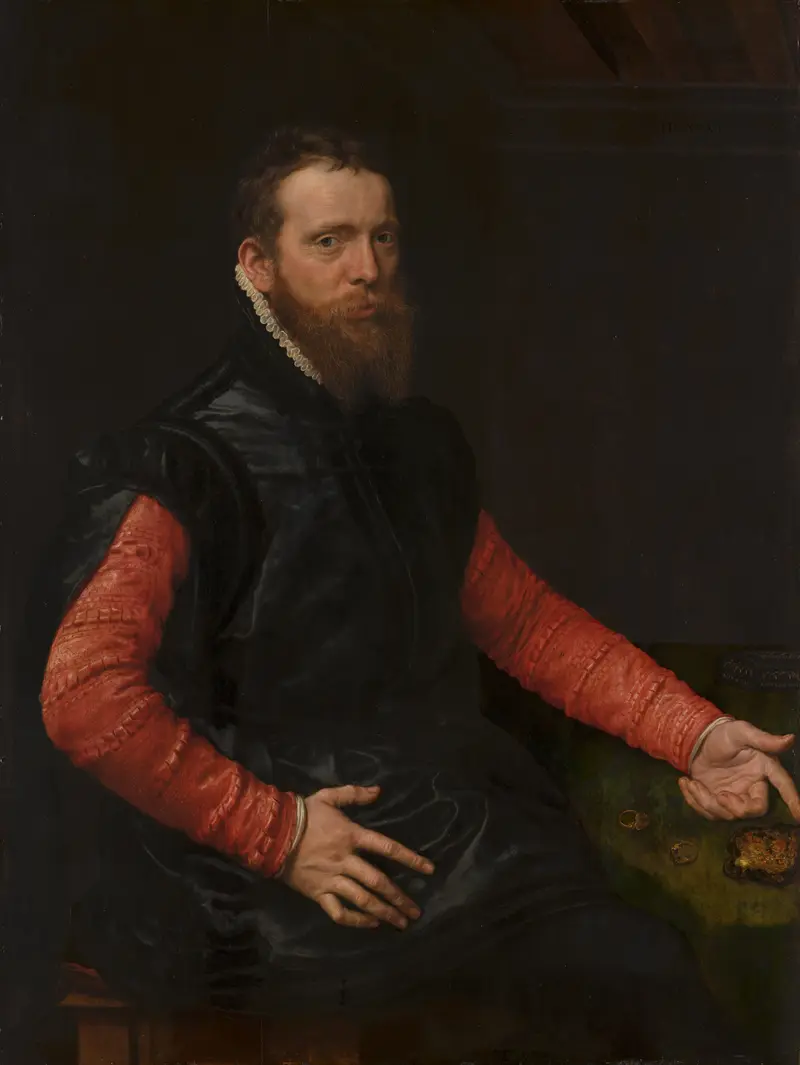
Steven van Herwijck
Antonis Mor
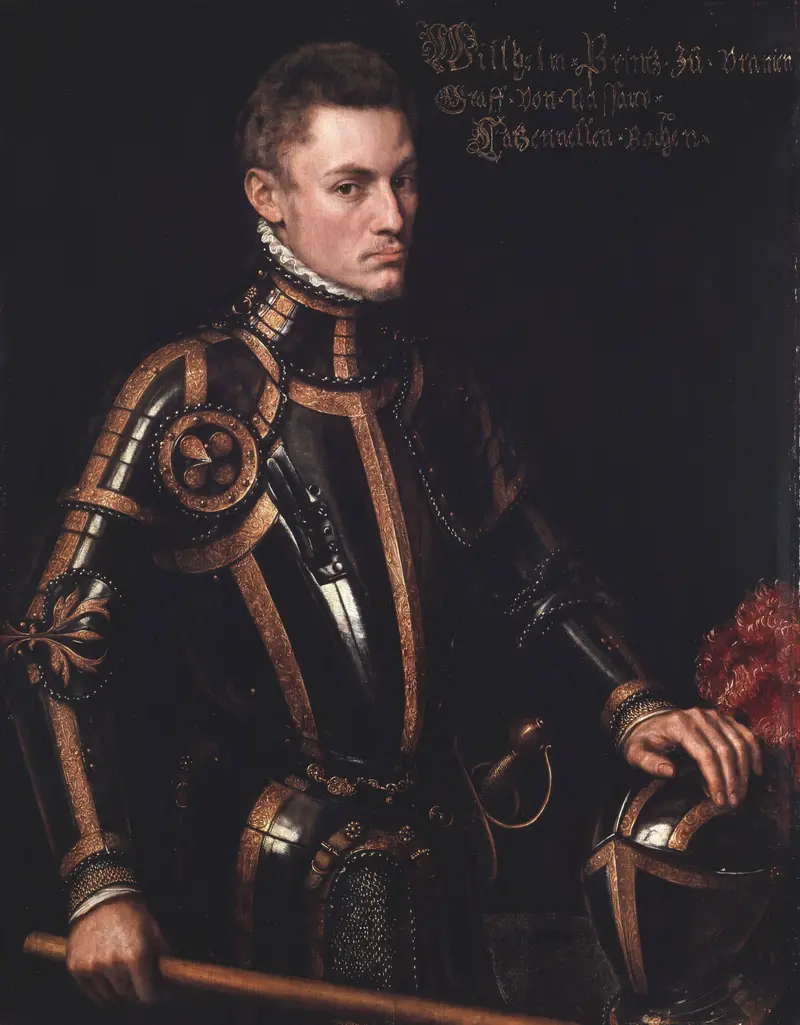
Portrait of William I of Nassau
Antonis Mor
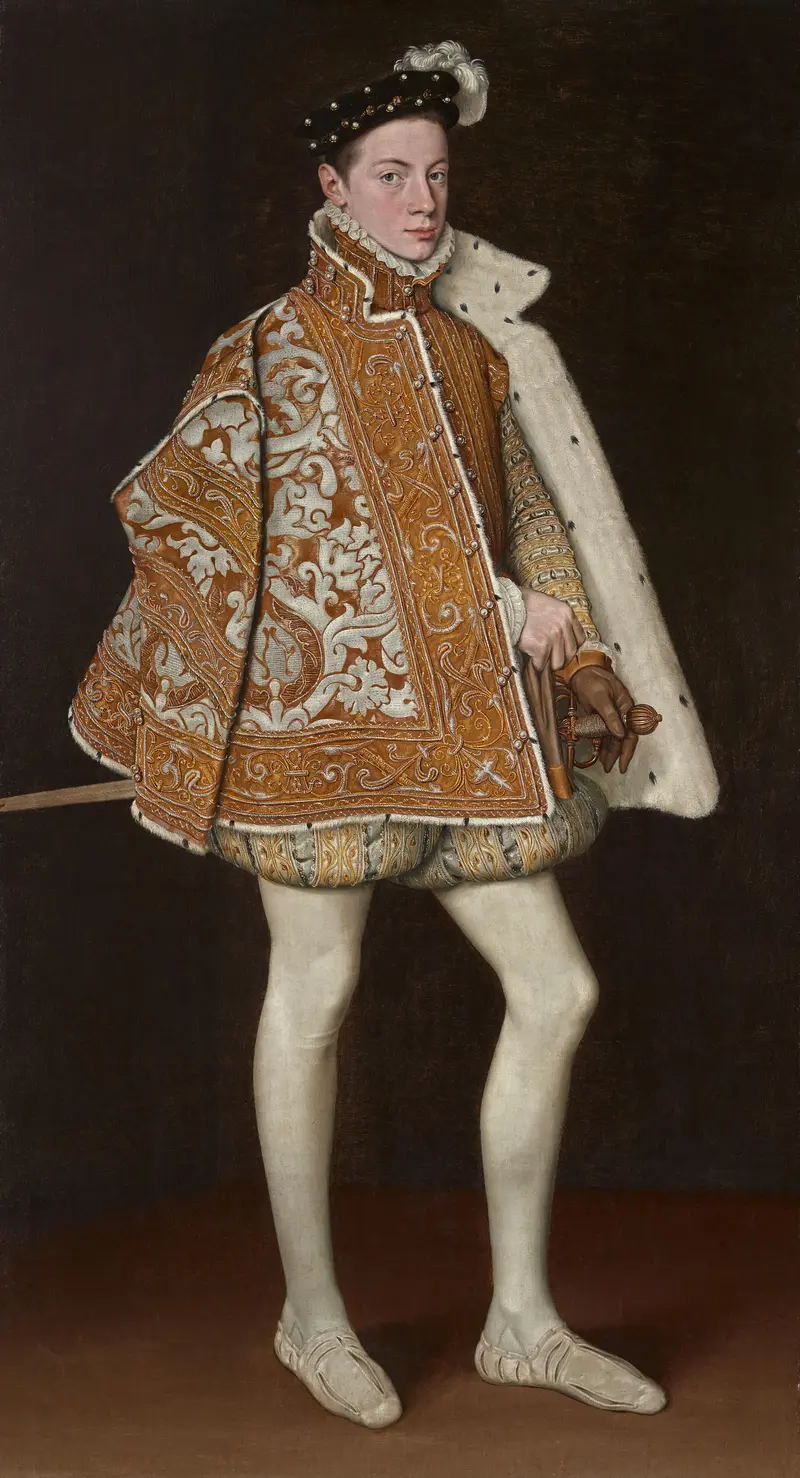
Portrait of Alessandro Farnese in Cape and Black Cap
Antonis Mor
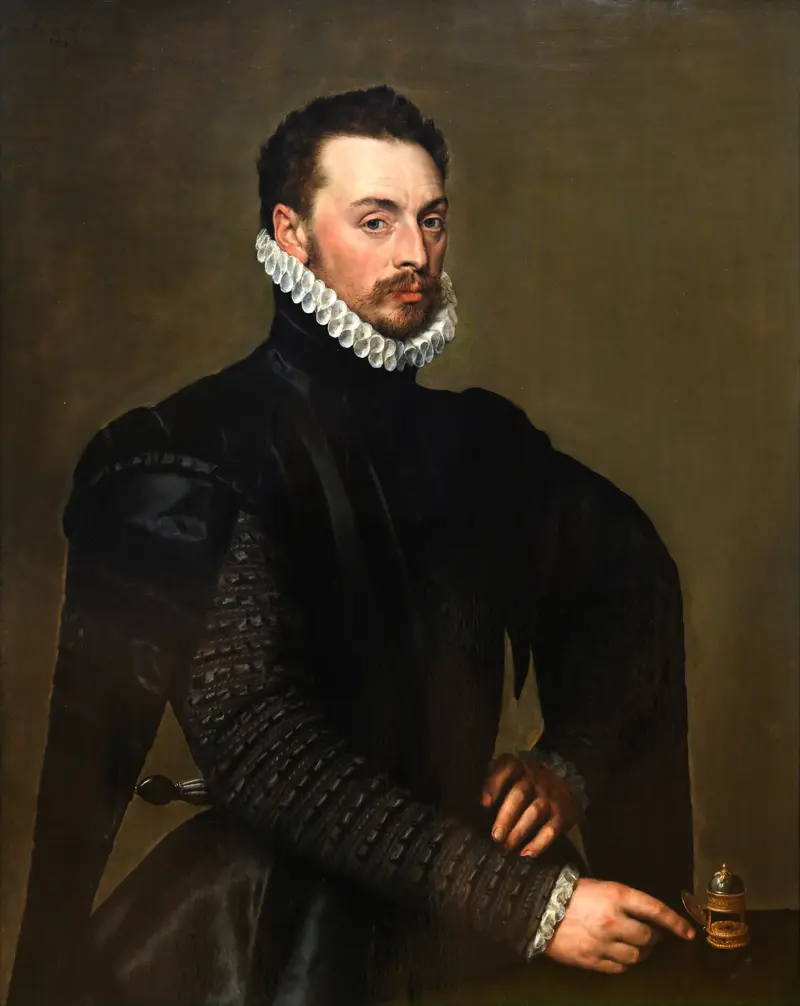
Portrait d'homme désignant une pendule Antonio Moro Musée du Louvre Peintures INV 1582 ; MR 880
Antonis Mor
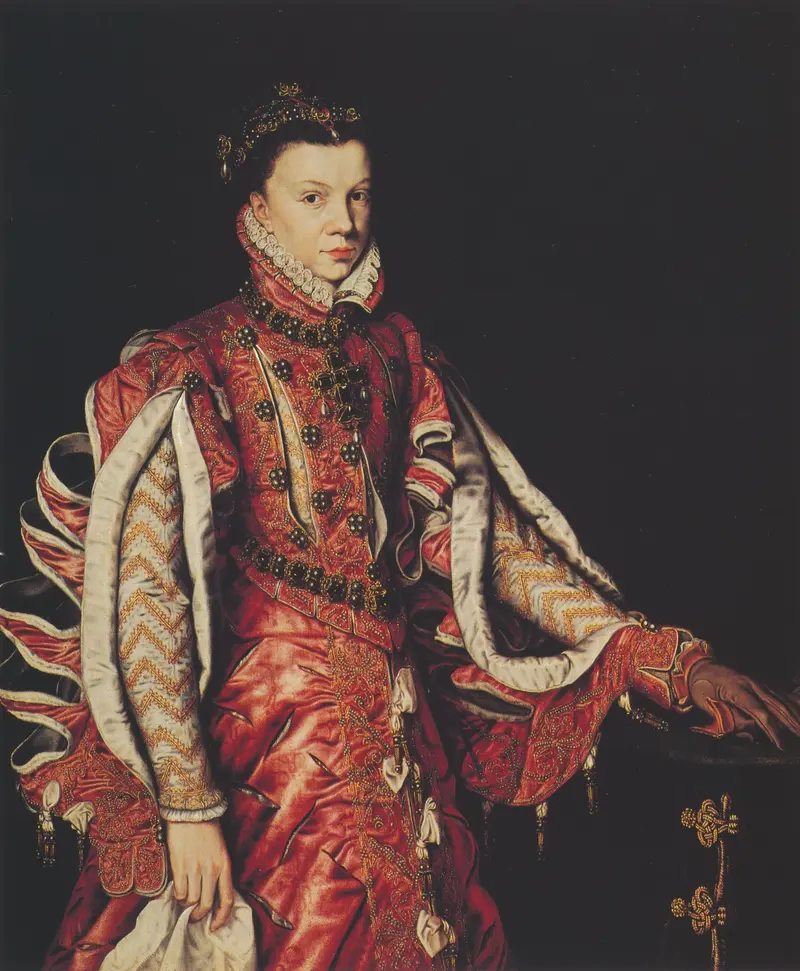
Portrait of Elisabeth of Valois, third wife of King Philip II of Spain
Antonis Mor
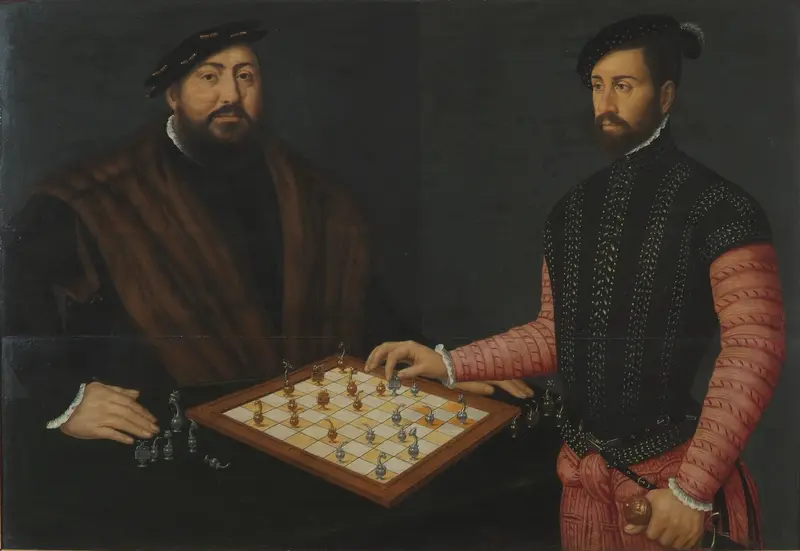
Von Sachsen vs. a Spaniard
Antonis Mor





