
Lady with the Jewel — History & Facts
What first seizes the eye in Lady with the Jewel is not the jewel itself, but the direct, almost appraising gaze of the sitter—a look that seems to weigh the viewer as much as she herself is weighed and adorned. The darkness of her attire, severe and unyielding, throws her pale face and the intricate goldwork at her waist and throat into sharp relief. Every fold of her dress, every glint of ornament, is rendered with the precision of someone for whom these details are not mere decoration but signals of status, wealth, and perhaps even guardedness.
Her hand, poised delicately at her breast, draws attention to the elaborate pendant, as if inviting us to consider its meaning or the story that brought it there. Painted in 1552, this portrait by Antonis Mor belongs to a world where likeness was power and the painted image could travel farther than its subject. Portraits of this kind were commissioned by the elite of Europe—royals, nobles, and those who moved in their orbit—serving as both personal mementos and diplomatic tokens. The sitter’s somber dress, enriched with gold and pearls, speaks to the restrained opulence of mid-sixteenth-century court fashion, where black was the color of authority and gravitas.
Though history once misidentified her as Maria Manuela, Princess of Portugal, her true identity remains uncertain, a reminder of how many stories from this era are half-told or lost. Yet her presence endures, challenging us to read her expression, to imagine the silent negotiations of rank and personality behind the painted surface.
More Artworks by Antonis Mor

Portrait of a Man
Antonis Mor
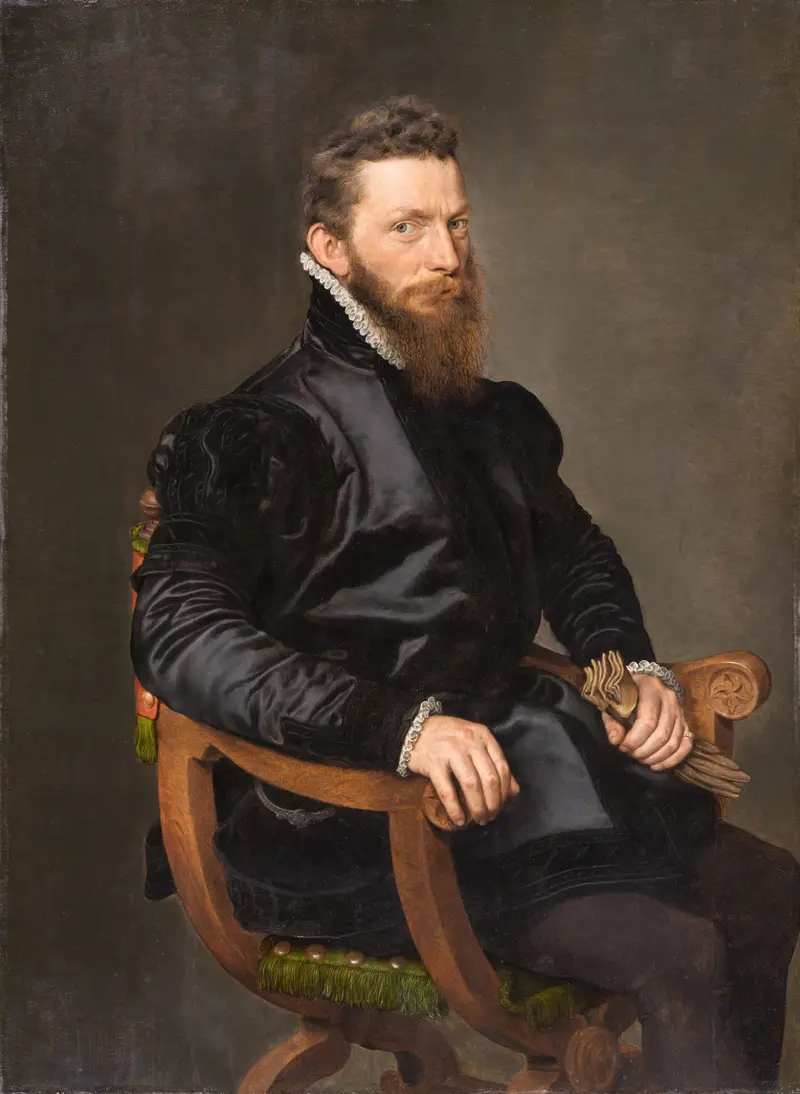
Portrait of a Gentleman
Antonis Mor
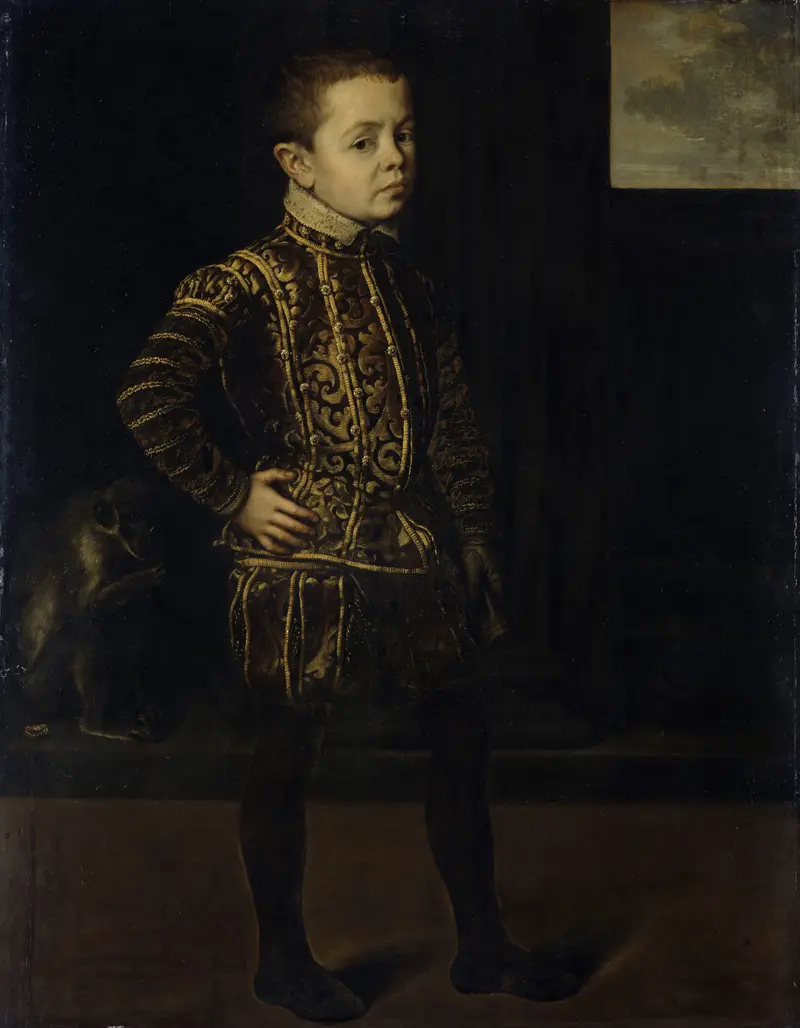
Portrait of a young prince
Antonis Mor
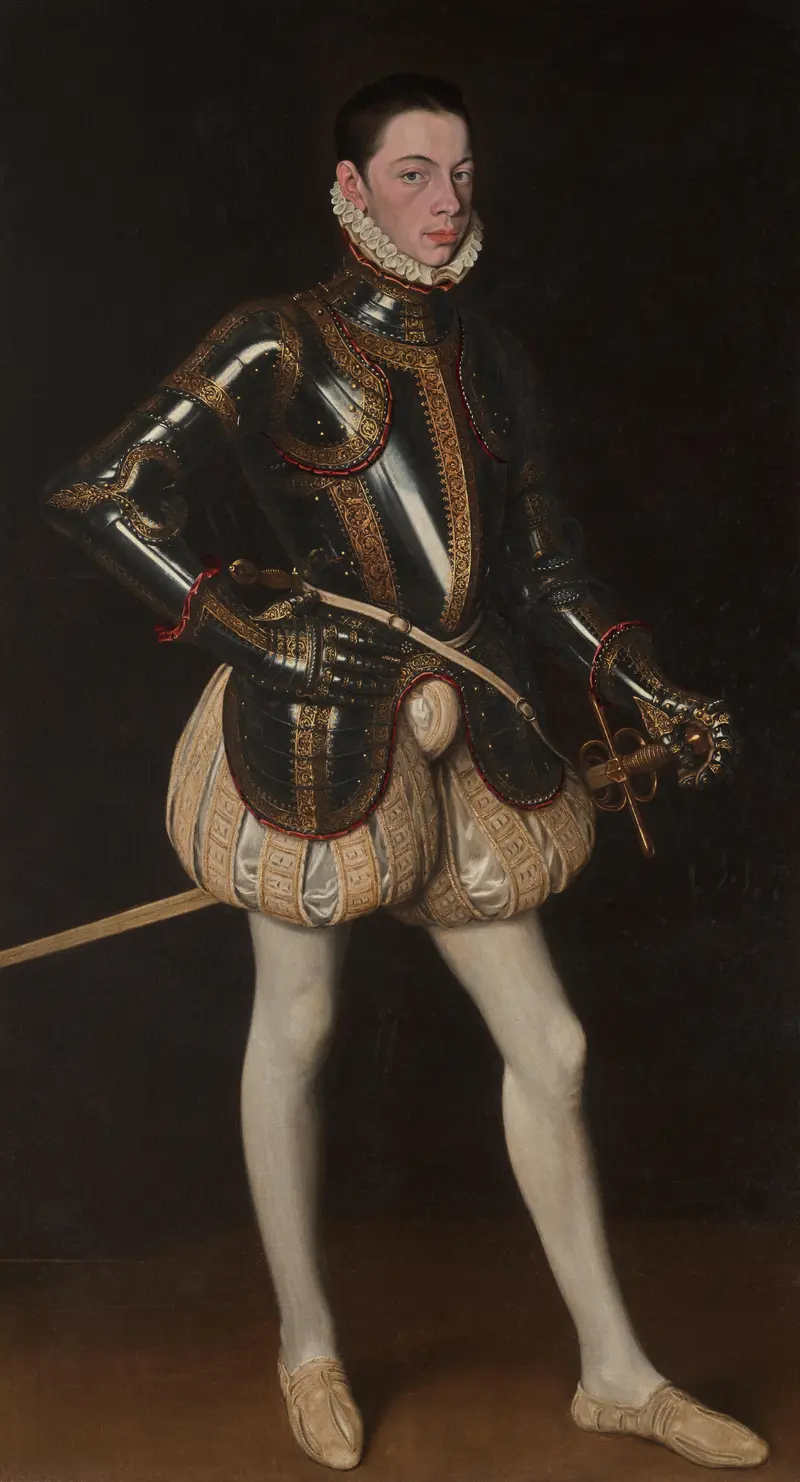
Alessandro Farnese in Armor
Antonis Mor
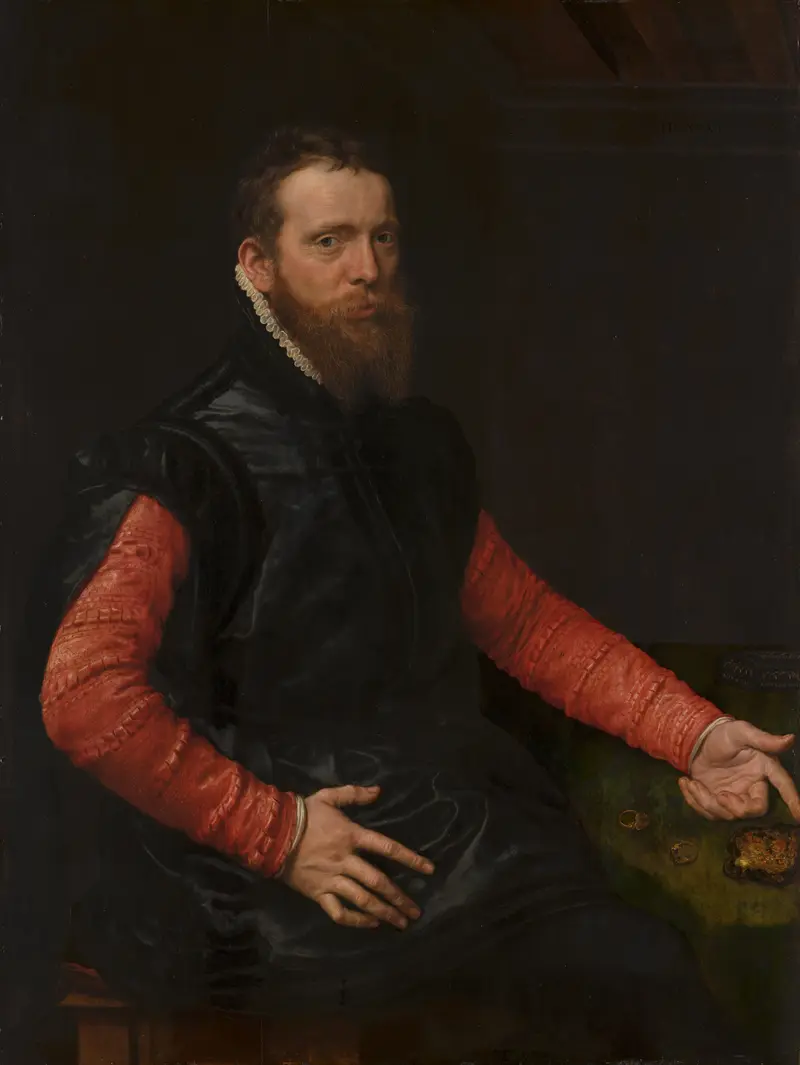
Steven van Herwijck
Antonis Mor
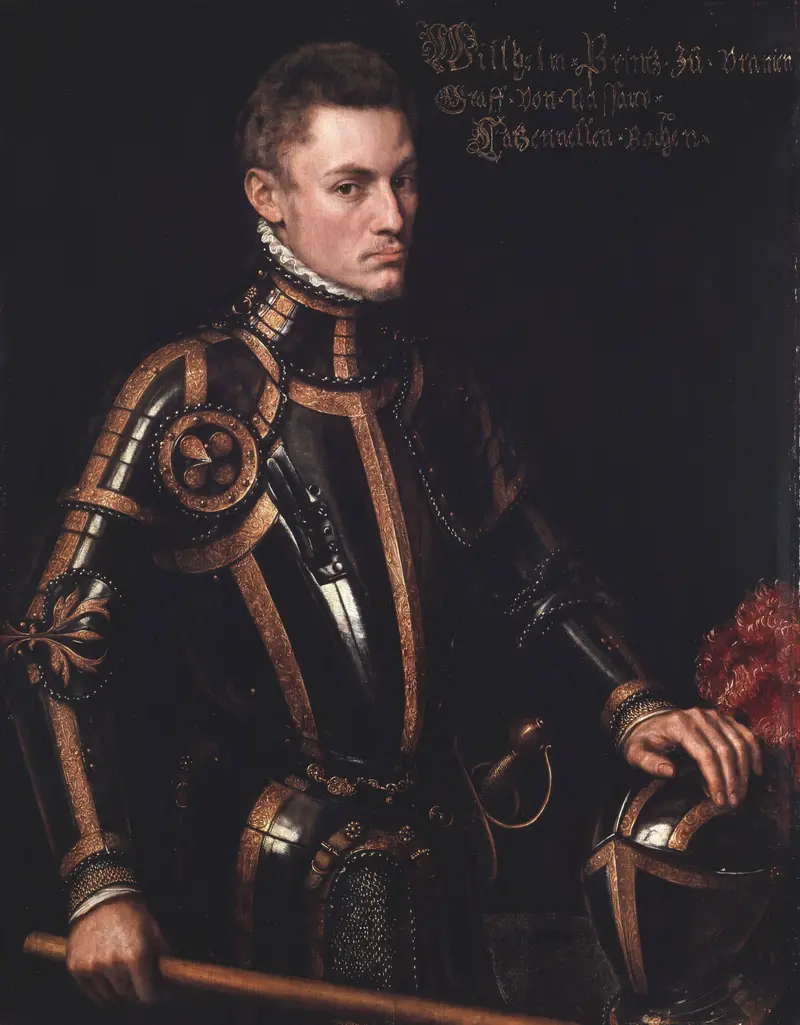
Portrait of William I of Nassau
Antonis Mor
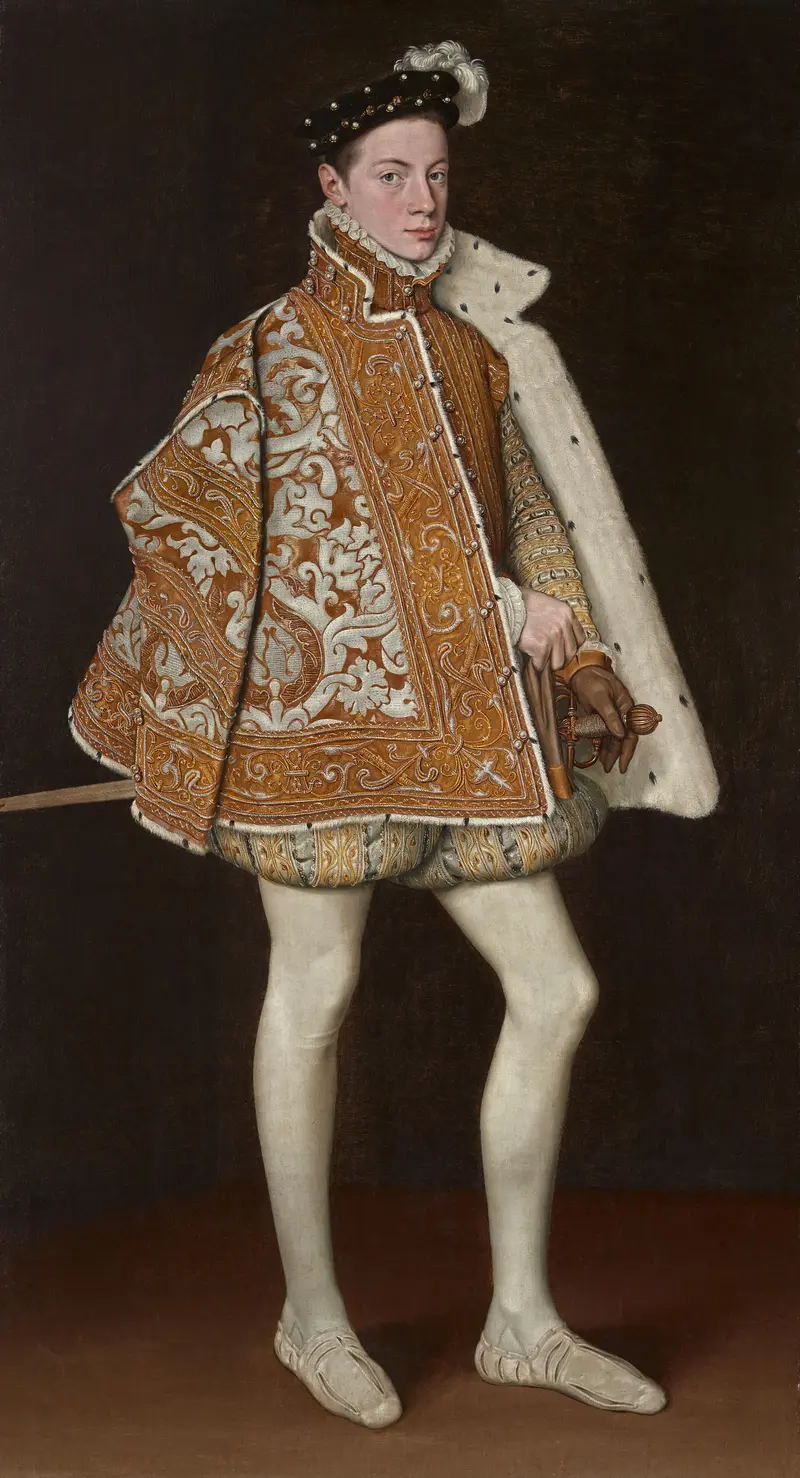
Portrait of Alessandro Farnese in Cape and Black Cap
Antonis Mor
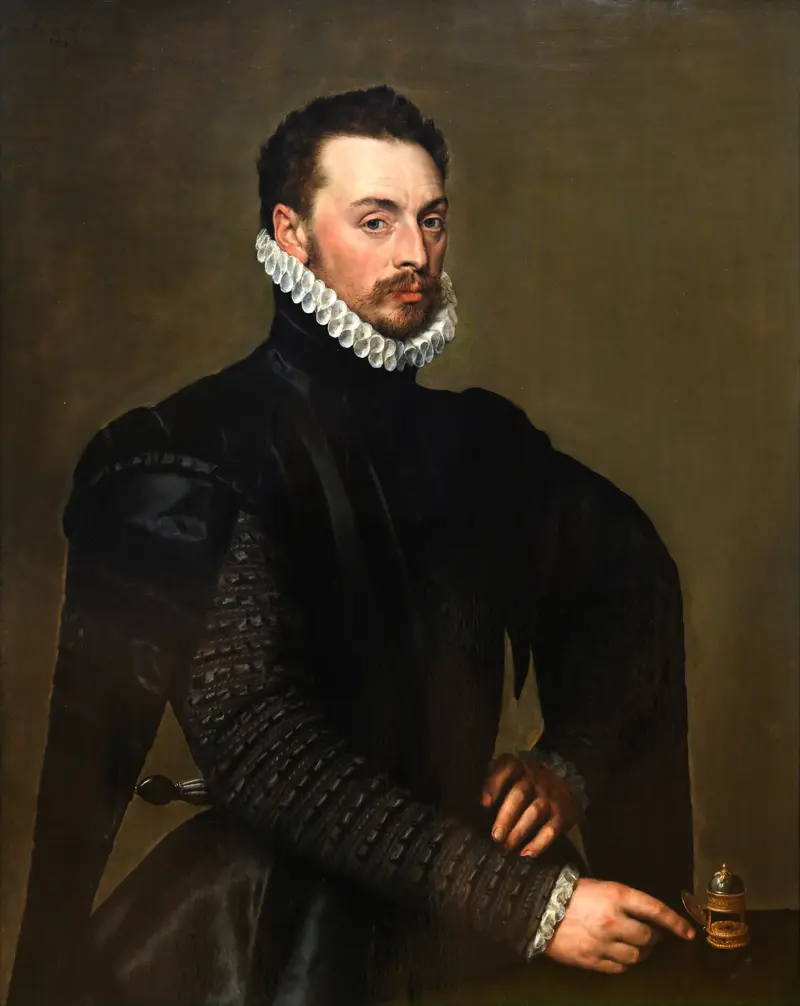
Portrait d'homme désignant une pendule Antonio Moro Musée du Louvre Peintures INV 1582 ; MR 880
Antonis Mor
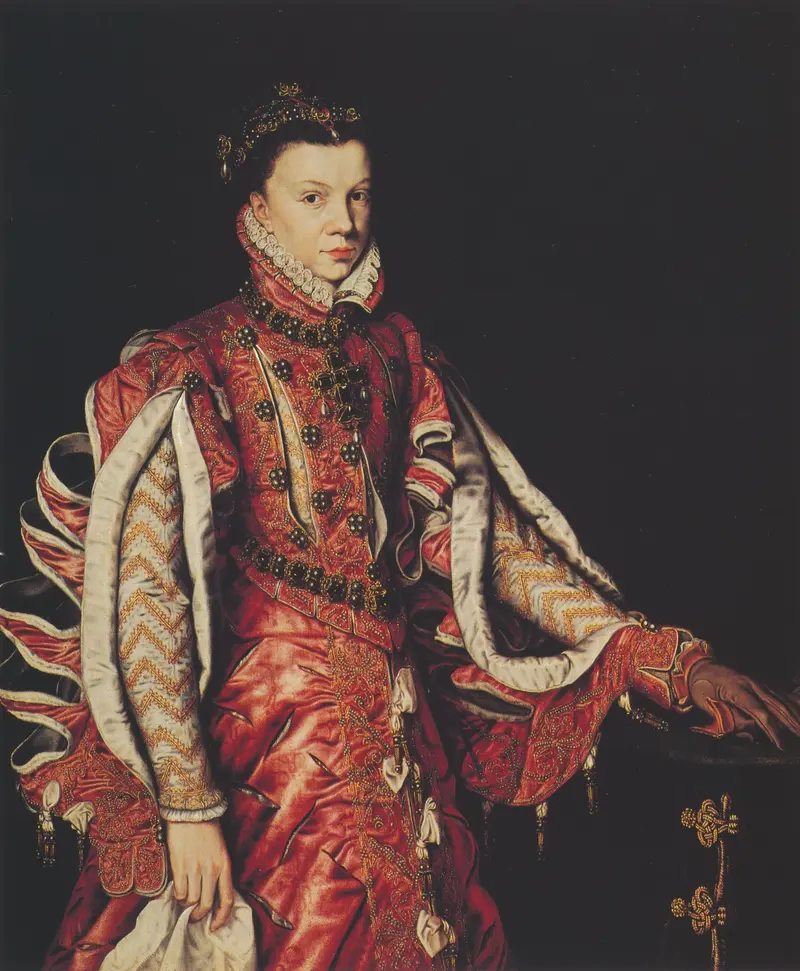
Portrait of Elisabeth of Valois, third wife of King Philip II of Spain
Antonis Mor
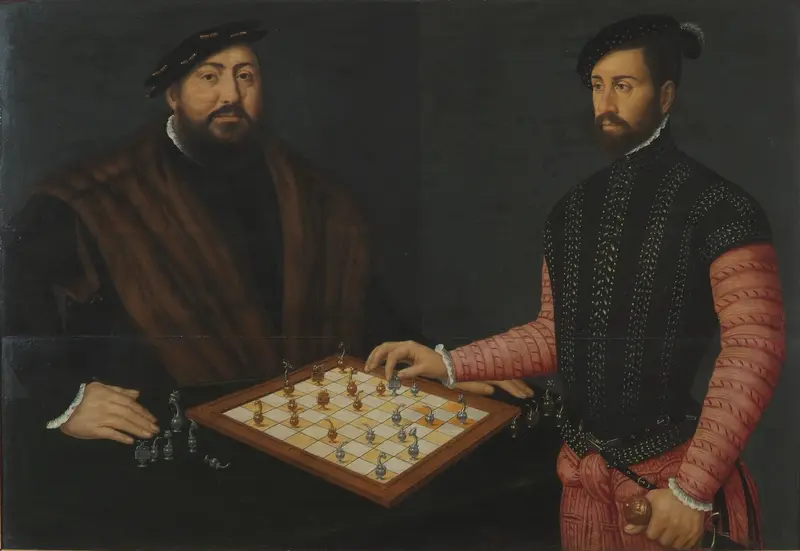
Von Sachsen vs. a Spaniard
Antonis Mor





