
Lagoon, Grey River — History & Facts
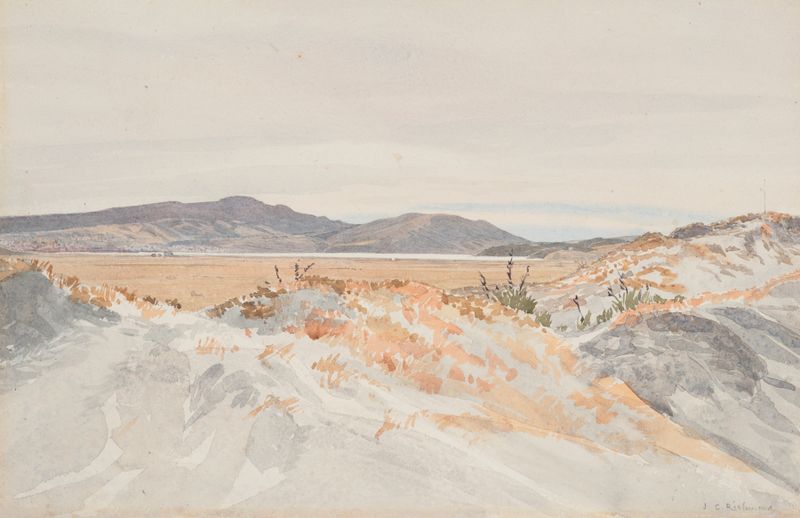
In Lagoon, Grey River, emotions flow like the water itself, capturing a profound desire for connection with nature and the ephemeral. Look to the center of the canvas where the lagoon shimmers under a veil of soft, muted blues and greys. The artist employs delicate brushstrokes to create a reflective surface, capturing the play of light and shadow that dances with the breeze. Notice how the trees, tall and stoic on the banks, frame the water's edge, their branches reaching as if to touch the liquid mirror below.
The subtle gradations of color convey an atmosphere steeped in tranquility and longing. In the juxtaposition of the robust trees and the tenuous reflections, Richmond explores themes of permanence and transience. The stillness of the scene suggests a moment suspended in time, evoking a yearning for the serenity that nature provides. The soft blending of colors hints at the bittersweet nature of desire—both an anchor and a longing for what is just out of reach, making the viewer contemplate their own emotional landscape. Painted in 1862, during a period of great change in the art world, Richmond was influenced by the burgeoning Romantic movement and its focus on emotional expression.
Working amidst the picturesque landscapes of New Zealand, he aimed to convey the beauty of his surroundings while also reflecting a deeper yearning for harmony with nature—a theme that resonated profoundly with his contemporaries and continues to speak to audiences today.
More Artworks by James Crowe Richmond
Browse all →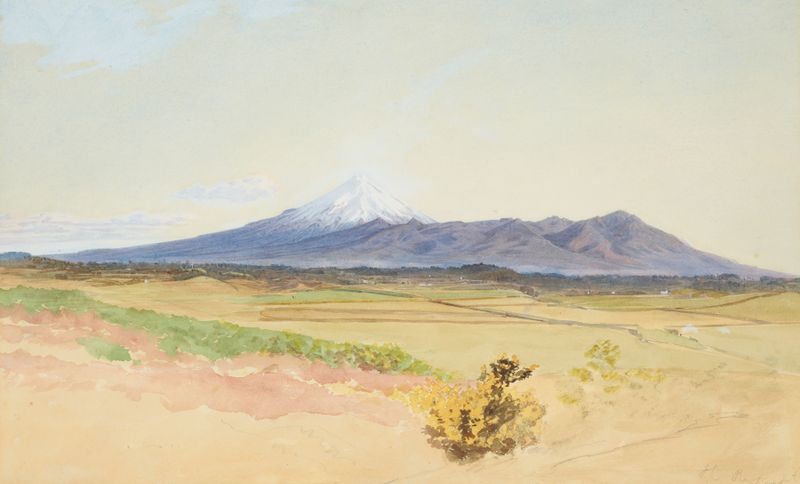
Mount Egmont and Pouakai, from New Plymouth
James Crowe Richmond
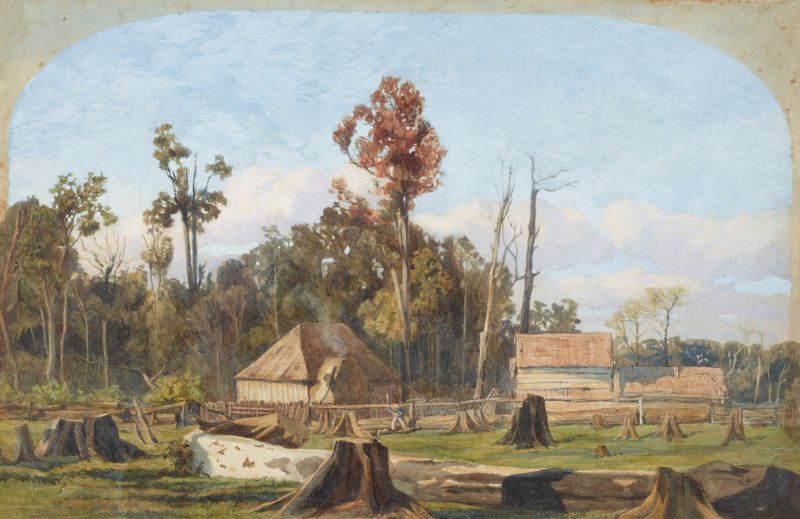
Settler’s home, Merton, near New Plymouth
James Crowe Richmond
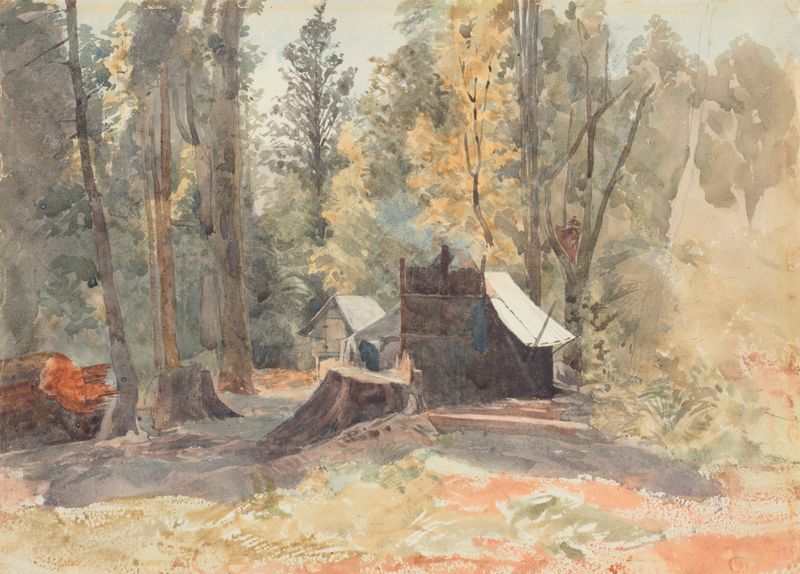
Hut of the ‘Italian party’, old diggings on Buller
James Crowe Richmond

Mosque at Tlemcen
James Crowe Richmond

Ngatapa, Te Kooti’s Pa
James Crowe Richmond

Dividing Range, Riwaka and Takaka
James Crowe Richmond
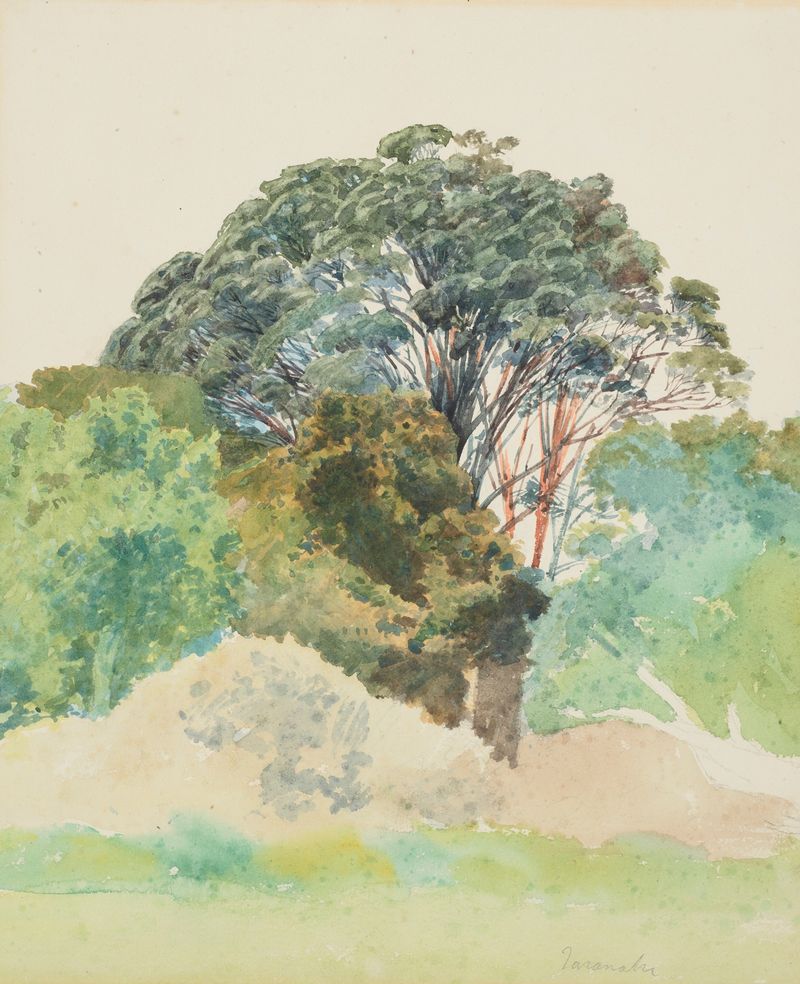
Rata, Taranaki
James Crowe Richmond

Grey River, on the beach
James Crowe Richmond
Dunedin from the Ocean Beach
James Crowe Richmond

On Collingwood Goldfields
James Crowe Richmond





