
Laindon Hill II — History & Facts
It cradles yearning, a reflection of life's silent desires, captured forever in oil and pigment. Look to the left at the gentle rise of Laindon Hill, where verdant greens and soft golds meld. The brushstrokes dance in fluid harmony, guiding your gaze across the textured landscape where the sky whispers promises of dawn. Notice how the light spills over the hilltop, casting elongated shadows that invite contemplation, evoking a sense of stillness amidst the anticipation of the day ahead. Finch meticulously contrasts the vibrancy of the foliage with the delicate hues of the sky, igniting an emotional tug-of-war between restlessness and tranquility.
The winding path, barely visible, symbolizes both a physical journey and the quest for inner peace. In this serene moment, the viewer is drawn into a dialogue with the landscape, awakening feelings of nostalgia and yearning for connection, both with nature and oneself. In 1905, while painting Laindon Hill II, Finch settled in England, navigating a world increasingly aware of modernity's encroachments. His artistic pursuits coincided with the burgeoning British impressionist movement, where he sought to capture the ephemeral beauty of the natural landscape.
This period of transformative change in art allowed him to delve deeper into his emotional landscape, reflecting not only the world around him but also the intimate yearnings of the human spirit.
More Artworks by Alfred William Finch
Browse all →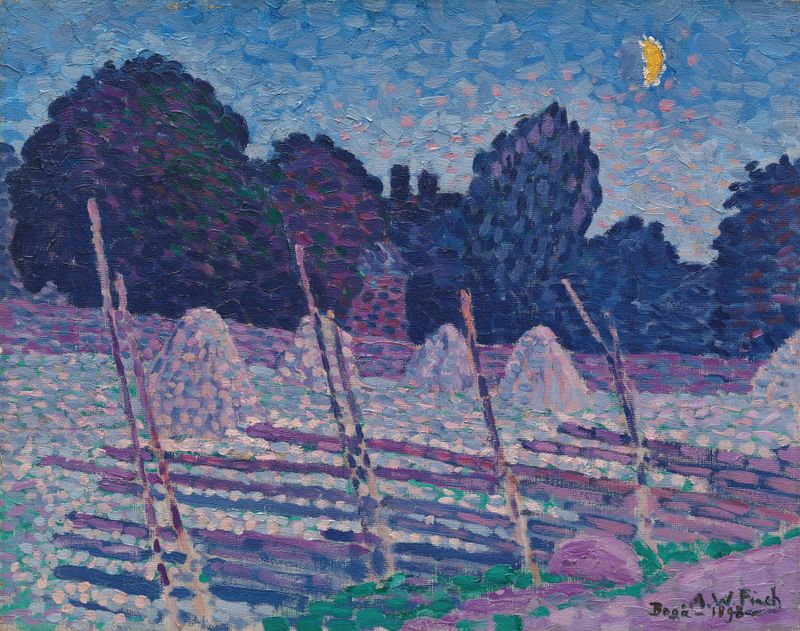
An August’s Night
Alfred William Finch
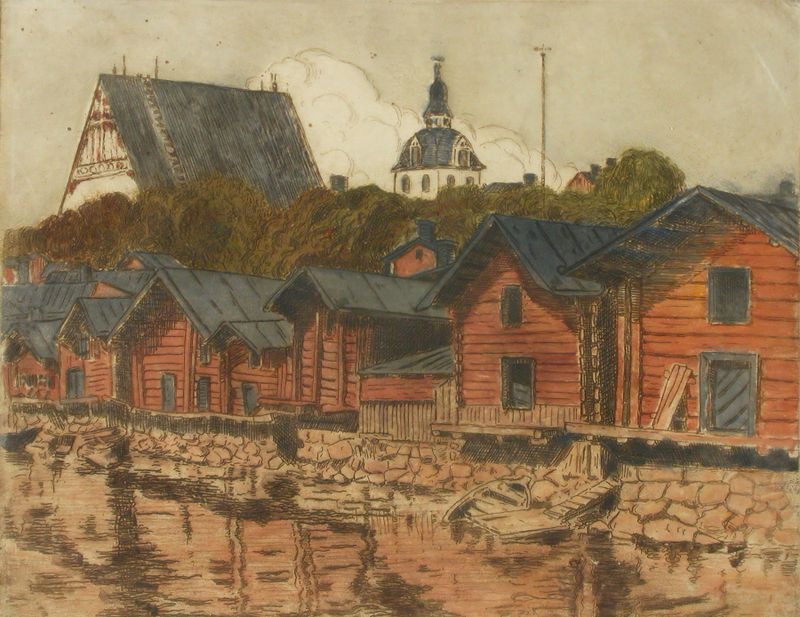
Porvoon ranta-aittoja
Alfred William Finch
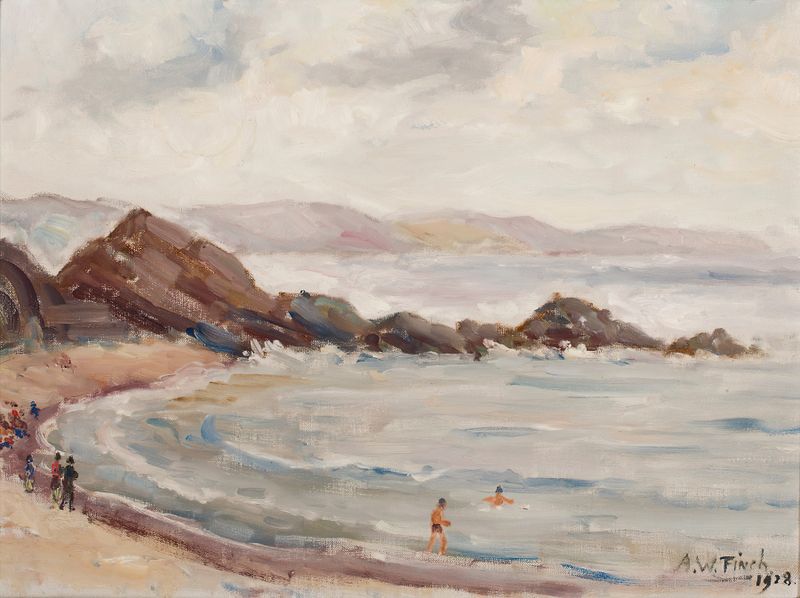
Looen rantaa
Alfred William Finch

Richmond, a River Landscape
Alfred William Finch
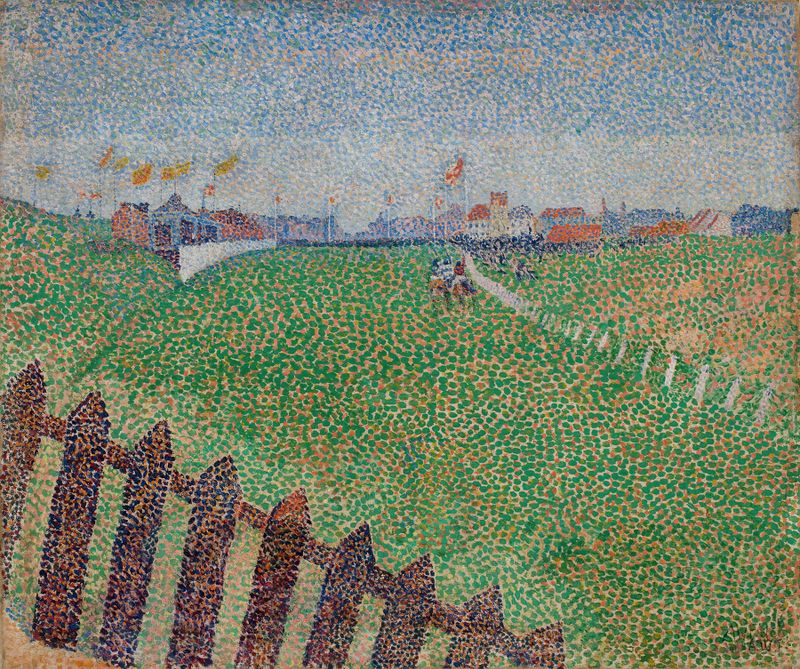
The Wellington Racecourse in Drizzle (Ostende)
Alfred William Finch
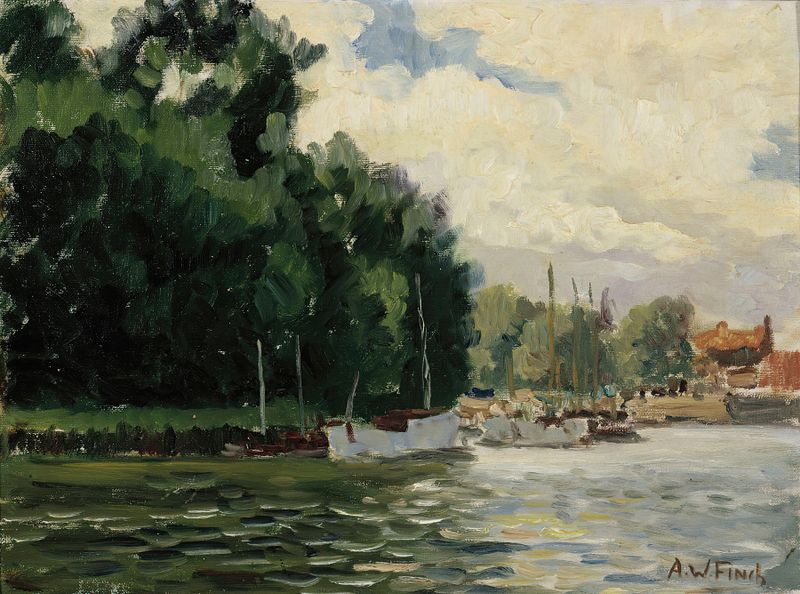
Richmond, Thames
Alfred William Finch
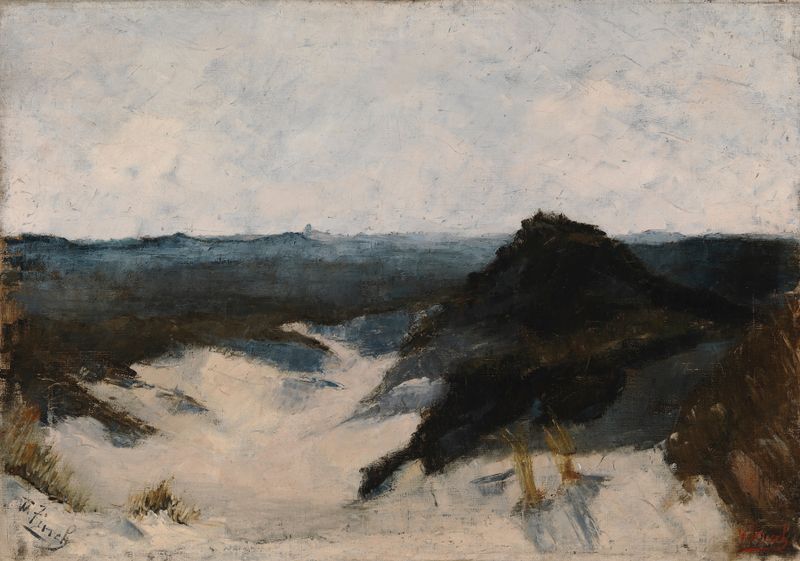
Shore View, Knocke
Alfred William Finch
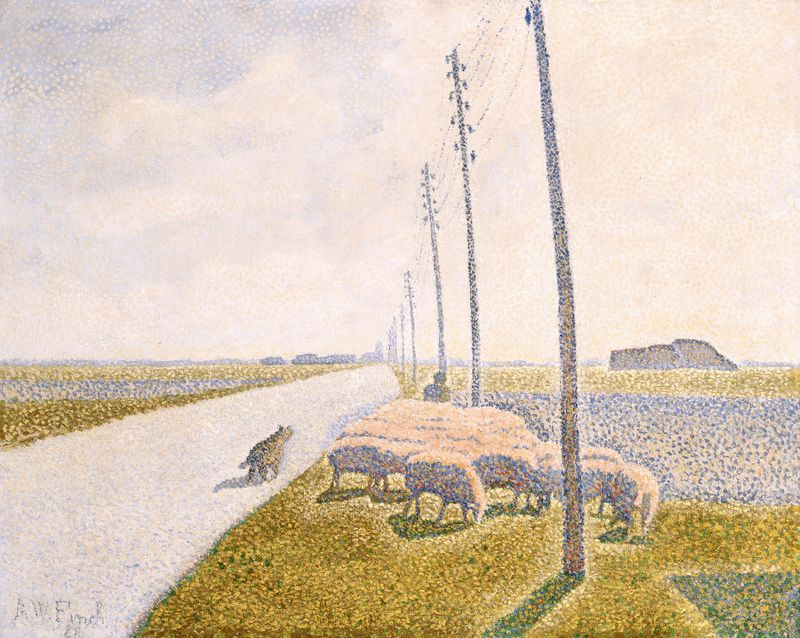
The Road to Nieuport
Alfred William Finch

Bushes
Alfred William Finch
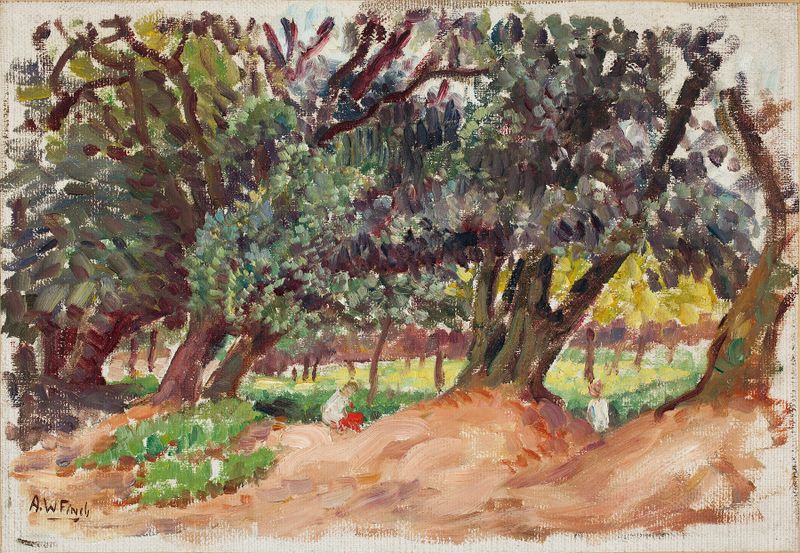
Puistokuva Englannista
Alfred William Finch





