
Lake Tennyson — History & Facts
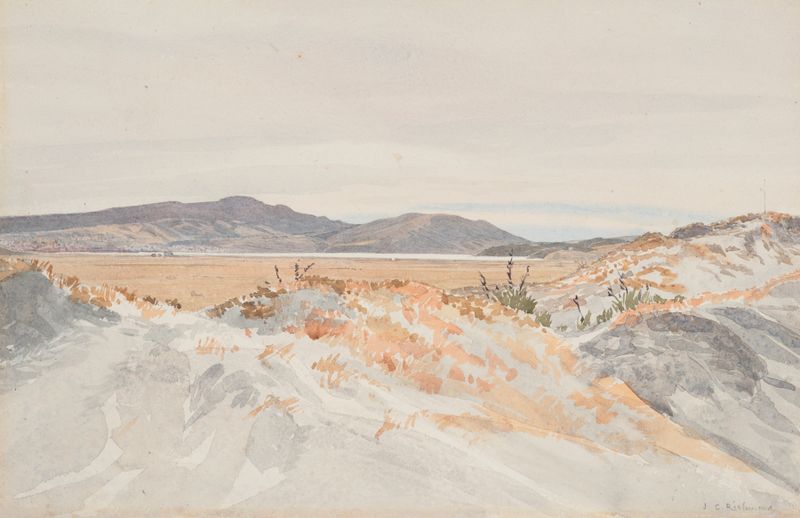
In its stillness, illusion dances between reality and imagination, beckoning the viewer to peer into its depths. Focus on the serene expanse of water that stretches across the painting, where soft ripples are caught in the golden light of the late afternoon sun. Observe how the color palette blends tranquil blues with hints of warm oranges and greens, creating a sense of harmony. The mountains in the background rise gently, their silhouettes mirrored in the lake, while the foreground invites a closer inspection of the delicate foliage framing the scene.
This meticulous attention to detail reveals Richmond’s deft hand, allowing nature’s beauty to shine through. Yet, within this tranquil setting lies a tension between the real and the ethereal. The stillness of the water holds a magnetic allure, hinting at depths unexplored, while the shimmering surface suggests a fleeting moment, forever captured. The interplay of light and shadow invites contemplation of transience; life is often as elusive as the reflections on the lake.
Each brushstroke captures not just a scene, but the very essence of a fleeting moment. During the 1860s, Richmond painted Lake Tennyson while navigating the complexities of his personal life and the artistic landscape of his time. Living in England, he was surrounded by a burgeoning Pre-Raphaelite movement that emphasized detail, vibrant colors, and emotional engagement. This period inspired him to explore the interplay of landscape and emotion, creating works that resonate with both beauty and introspection.
More Artworks by James Crowe Richmond
Browse all →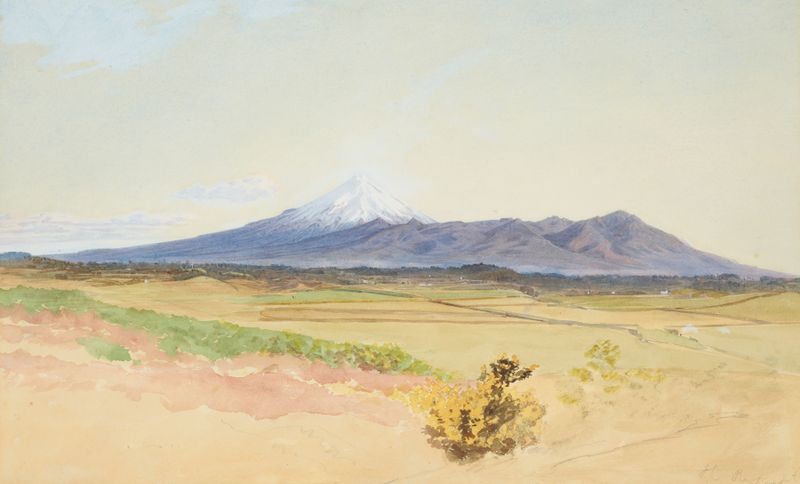
Mount Egmont and Pouakai, from New Plymouth
James Crowe Richmond
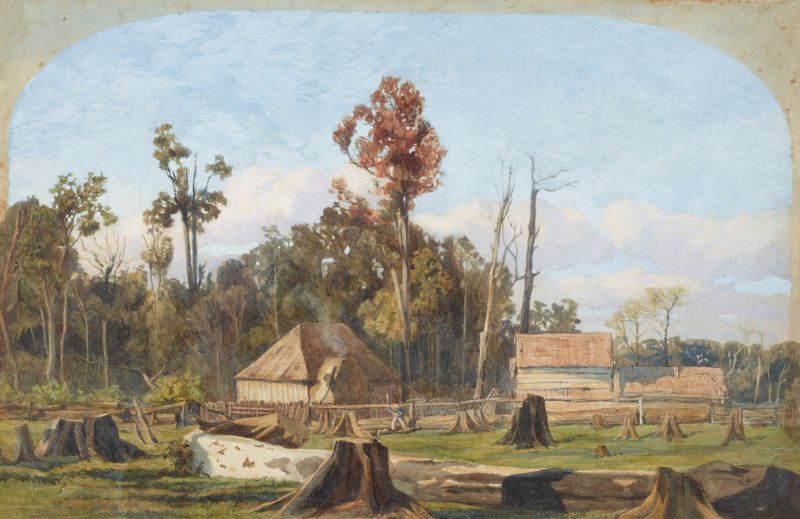
Settler’s home, Merton, near New Plymouth
James Crowe Richmond
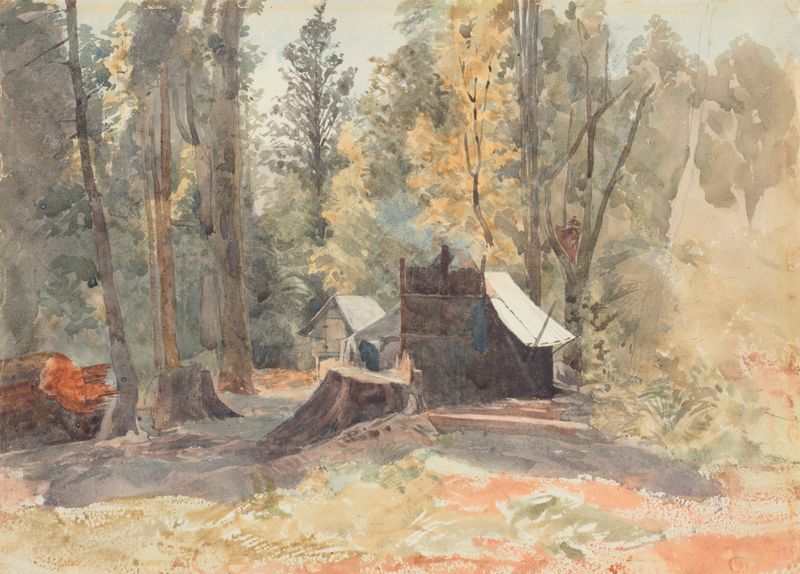
Hut of the ‘Italian party’, old diggings on Buller
James Crowe Richmond

Mosque at Tlemcen
James Crowe Richmond

Ngatapa, Te Kooti’s Pa
James Crowe Richmond

Dividing Range, Riwaka and Takaka
James Crowe Richmond
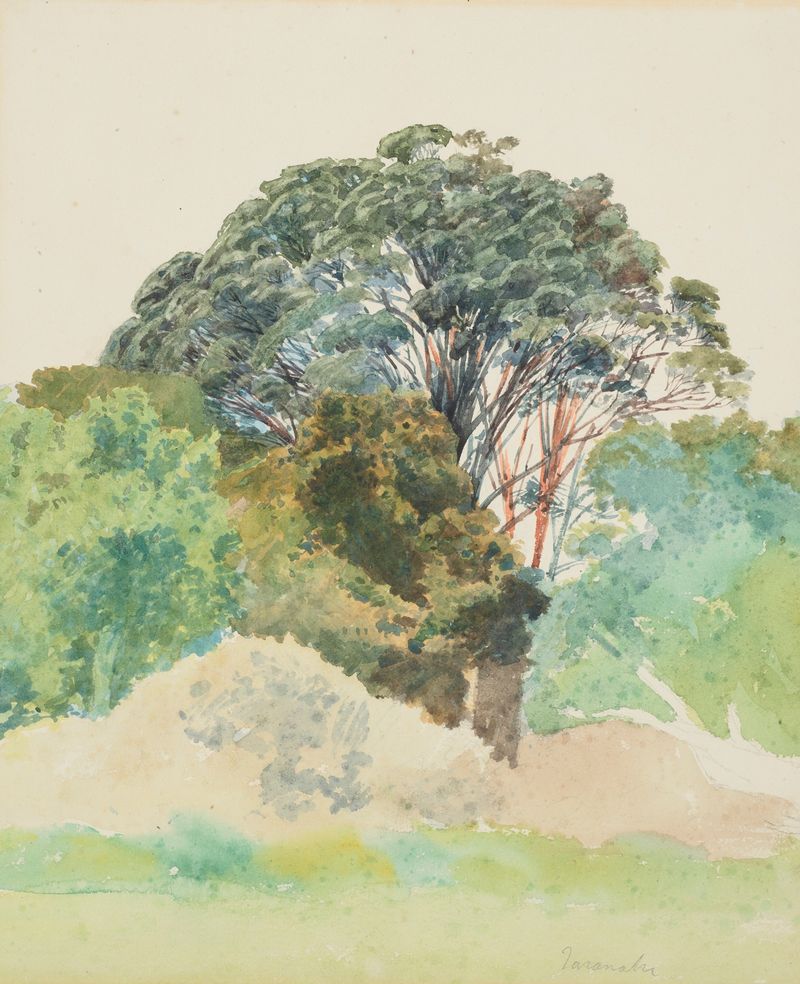
Rata, Taranaki
James Crowe Richmond

Grey River, on the beach
James Crowe Richmond
Dunedin from the Ocean Beach
James Crowe Richmond

On Collingwood Goldfields
James Crowe Richmond





