
Lake Tennyson — History & Facts
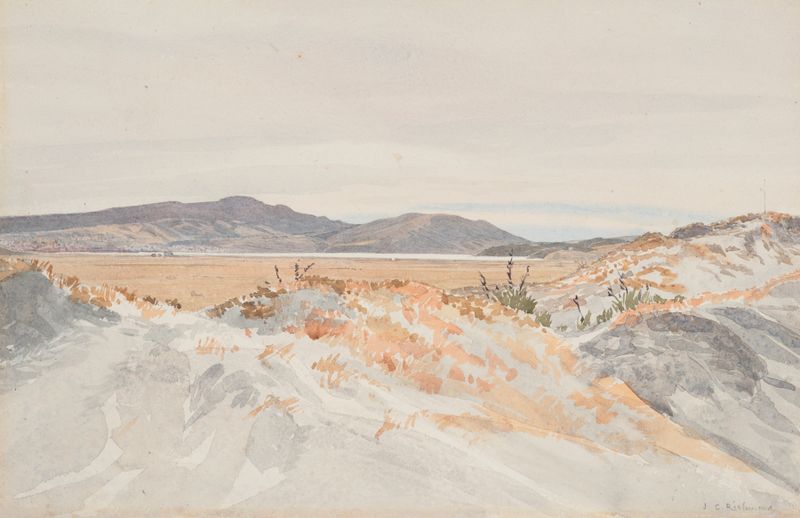
Can beauty exist without sorrow? As we gaze upon Lake Tennyson, an answer begins to unfold within the stillness of its serene waters, inviting us into a world where reflection breeds contemplation. Look to the center of the canvas, where the lake mirrors the cloud-dappled sky, an ethereal blend of blues and soft whites. Notice how the artist's brushstrokes create gentle ripples, disrupting the perfect reflection and suggesting an intimacy between the viewer and nature. The delicate light filters through the overhanging trees, illuminating patches of the shore that cradle the water's edge, imparting a sense of tranquil harmony.
Each element, from the lush greenery to the distant mountains, is composed with an intentional balance that draws us in. Yet, beneath this tranquil façade lies a profound tension; the juxtaposition of clarity and obscurity echoes the duality of life itself. The vibrant greens can evoke joy, while the darkened corners hint at hidden depths and unspoken thoughts. The lake, a symbol of introspection, suggests that within beauty, there may also reside a whisper of melancholy, inviting us to confront our own reflections and the emotions they evoke. In 1864, as Richmond painted Lake Tennyson, he was part of a broader movement emphasizing the importance of landscape in expressing both emotion and identity.
During this period, the art world was experiencing shifts toward realism, but he retained a romantic sensibility, merging a deep appreciation for nature with the complexities of human experience. This work embodies the artist’s exploration of the emotional landscape, making it a poignant moment in his career.
More Artworks by James Crowe Richmond
Browse all →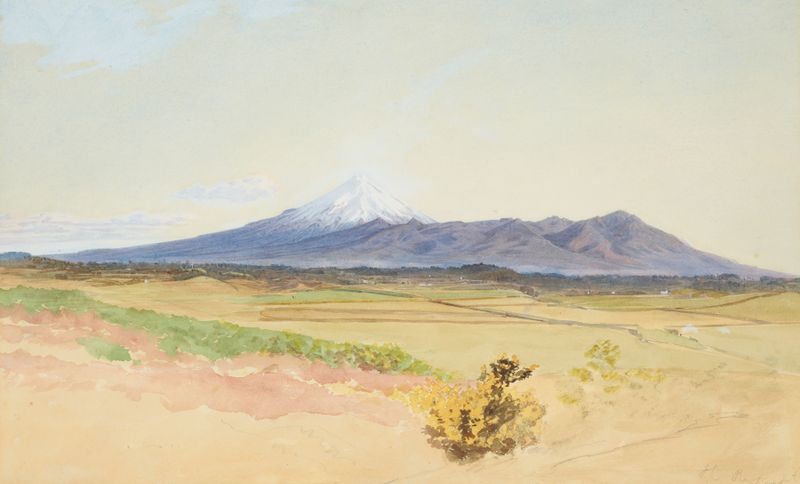
Mount Egmont and Pouakai, from New Plymouth
James Crowe Richmond
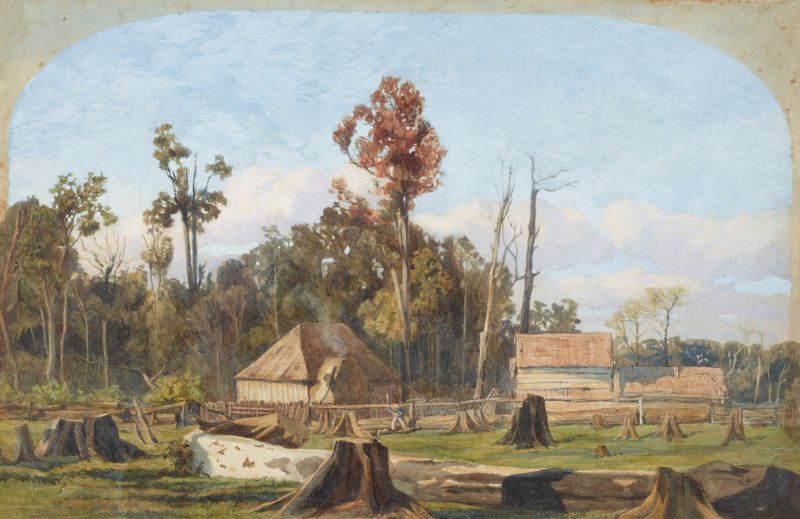
Settler’s home, Merton, near New Plymouth
James Crowe Richmond
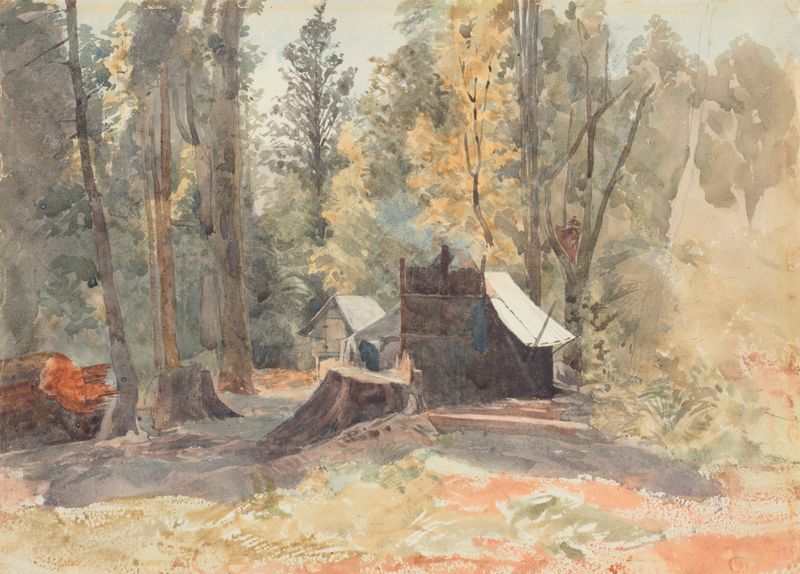
Hut of the ‘Italian party’, old diggings on Buller
James Crowe Richmond

Mosque at Tlemcen
James Crowe Richmond

Ngatapa, Te Kooti’s Pa
James Crowe Richmond

Dividing Range, Riwaka and Takaka
James Crowe Richmond
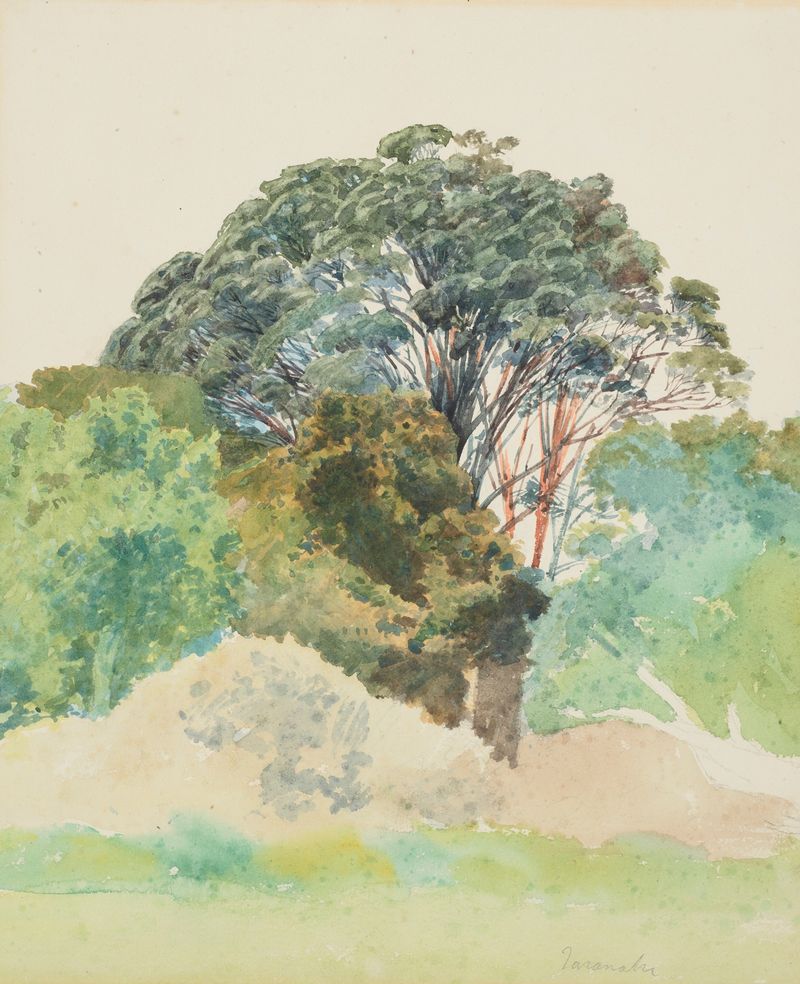
Rata, Taranaki
James Crowe Richmond

Grey River, on the beach
James Crowe Richmond
Dunedin from the Ocean Beach
James Crowe Richmond

On Collingwood Goldfields
James Crowe Richmond





