
Lake Wakatipu — History & Facts
Is this a mirror — or a memory? Gully’s ethereal portrayal of Lake Wakatipu invites you to contemplate the essence of nature and the fleeting moments of existence. Look to the foreground where the tranquil waters reflect the sky, creating a seamless blend of hues that oscillate between azure and soft pastels. Notice how the gentle ripples interrupt the mirror-like surface, each wave capturing the light in a delicate dance, while distant mountains loom, majestic and timeless, framing the scene. The composition balances tranquility and grandeur, drawing your eye across the canvas with its harmonious colors and inviting perspective. Yet beneath this serene facade lies a poignant exploration of mortality.
The pristine lake, seemingly eternal, serves as a reminder of transience; its beauty is a fleeting glimpse into a world that shifts imperceptibly with time. The interplay of light and shadow hints at an ever-present cycle — the day fades, the reflections blur, and life continues its relentless march. This duality captures a profound emotional tension, urging viewers to reflect on their own place within the passage of time. In 1881, John Gully created this work in New Zealand, a period marked by personal and artistic transition for him.
As he settled into the lush landscapes of the South Island, the influence of Romanticism and the burgeoning appreciation for natural beauty were reshaping the art world. Gully’s focus on the sublime aspects of nature mirrored contemporary movements and highlighted a growing awareness of the need to capture fleeting moments in a changing world.
More Artworks by John Gully
Browse all →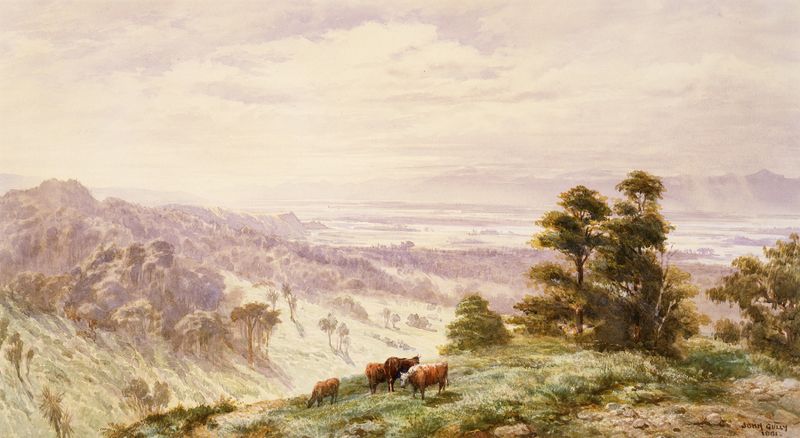
Landscape [Waimea Plains, Nelson]
John Gully
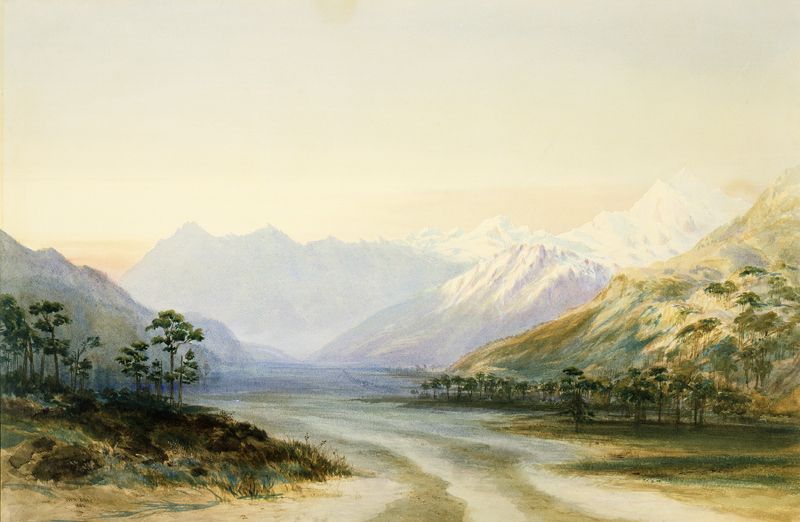
Mount Cook
John Gully
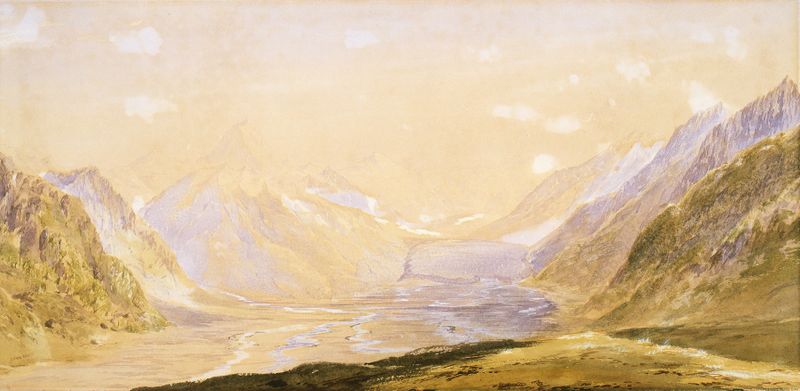
Mount Cook and the Tasman Glacier
John Gully
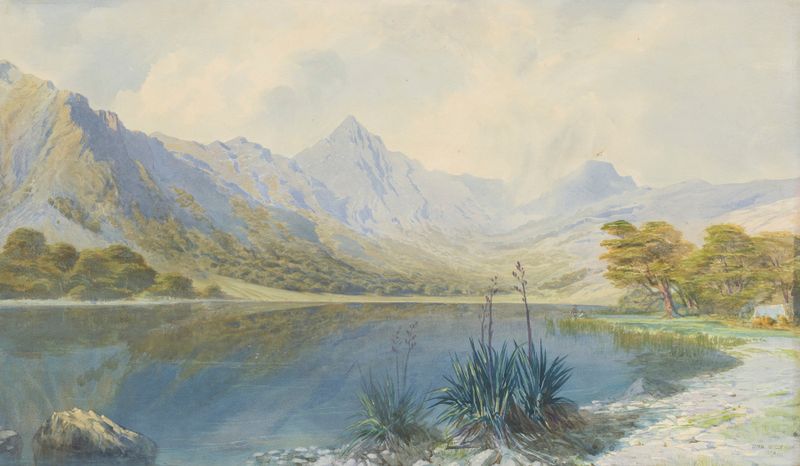
Lake scene (Lake Te Wharau)
John Gully
Mount Cook
John Gully

Tongariro, Ngauruhoe and Ruapehu, Central North Island
John Gully

New Zealand bush scene
John Gully
Upriver scene, Wanganui
John Gully

Paekakariki
John Gully

Mts Ruapehu and Tongariro from Lake Taupo
John Gully





