
Tongariro, Ngauruhoe and Ruapehu, Central North Island — History & Facts
In the stillness of creation, balance reveals itself in ways both subtle and profound, echoing the serene majesty of nature. Focus on the foreground, where the lush greenery emerges vibrantly against the backdrop of towering peaks. The artist employs a harmonious palette of greens, blues, and earthy browns, inviting the eye to dance between the verdant valleys and the snow-capped summits. Notice how the light bathes the mountains in a soft glow, accentuating their grandeur, while shadows cradle the valleys, creating a sense of depth and tranquility.
The composition draws you into the heart of Central North Island, grounding you in this breathtaking landscape. Delve deeper into the emotional resonance of the painting. The juxtaposition of the formidable mountains—Tongariro, Ngauruhoe, and Ruapehu—against the gentle undulations of the land symbolizes the delicate equilibrium between strength and serenity. This contrast evokes a sense of awe, reminding us of nature’s duality, where power exists in harmony with vulnerability.
Each brushstroke holds a narrative of coexistence, reflecting not only the physical geography but the spiritual essence of the land. In 1866, John Gully painted this piece during a period of profound exploration and appreciation for the New Zealand landscape. Having settled in the region and immersed himself in its natural beauty, Gully sought to capture the essence of this untouched world. It was a time when artists and explorers alike were beginning to recognize the importance of the New Zealand wilderness, celebrating its raw beauty and the complex interplay of light, land, and life.
More Artworks by John Gully
Browse all →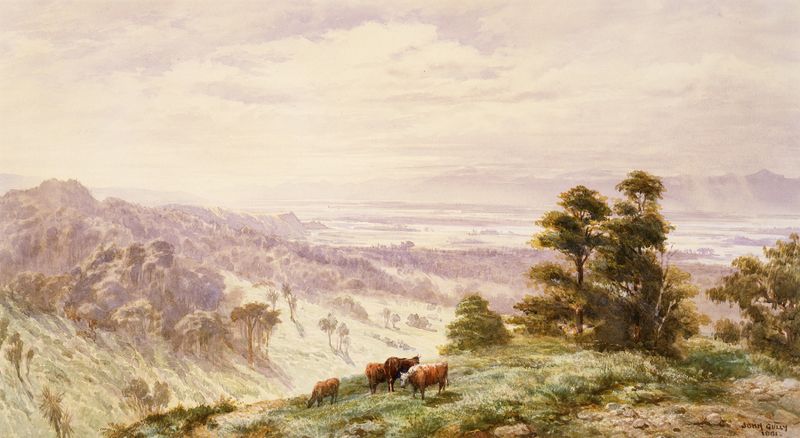
Landscape [Waimea Plains, Nelson]
John Gully
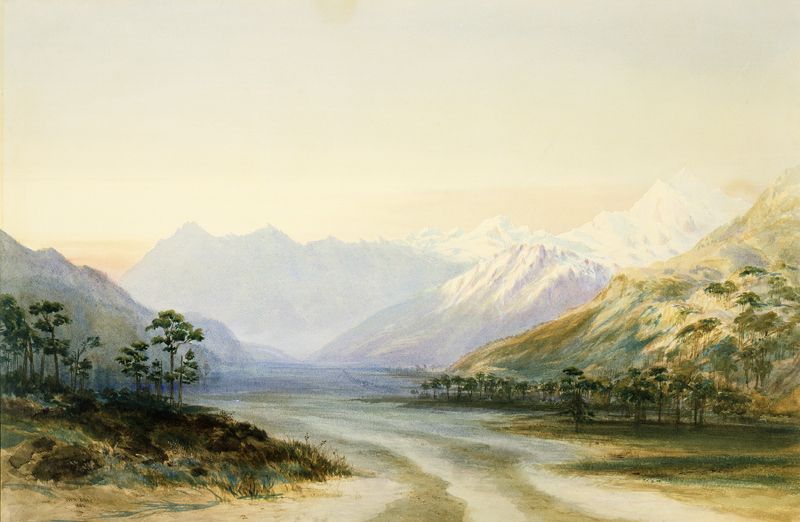
Mount Cook
John Gully
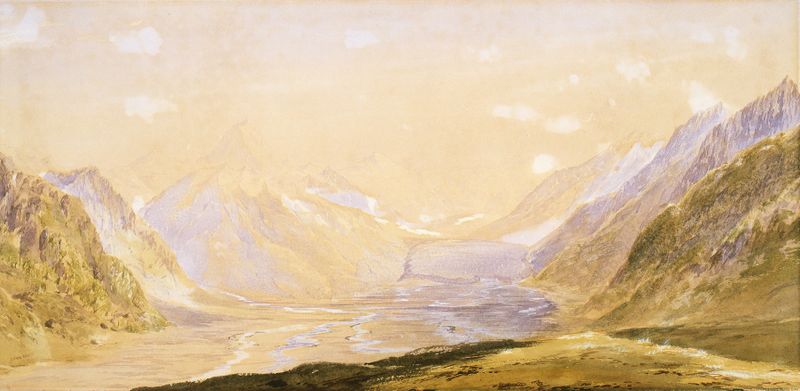
Mount Cook and the Tasman Glacier
John Gully
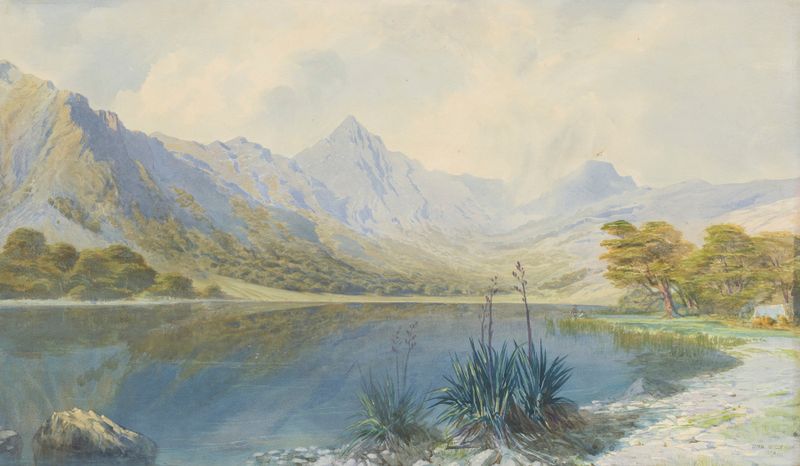
Lake scene (Lake Te Wharau)
John Gully
Mount Cook
John Gully

Lake Wakatipu
John Gully

New Zealand bush scene
John Gully
Upriver scene, Wanganui
John Gully

Paekakariki
John Gully

Mts Ruapehu and Tongariro from Lake Taupo
John Gully





