
New Zealand bush scene — History & Facts
What if silence could speak through light? In the stillness of a New Zealand bush scene, whispers of nature fill the air, inviting contemplation and wonder. Begin by focusing on the vibrant greens that envelop the canvas, where tangled foliage and ancient trees reach toward the sky. Notice how the play of light filters through the leaves, casting dappled shadows on the forest floor, while a gentle haze softens the backdrop. The brushwork captures the movement of branches swaying delicately, suggesting a breath of life that resonates throughout the painting. Delve deeper into the emotional contrasts presented in the work.
The lush greenery embodies both the wildness and tranquility of the bush, reflecting a harmonious coexistence with nature. Yet, subtle hints of decay—a fallen branch or a withered leaf—remind us of the transient nature of life. This juxtaposition evokes a dreamlike quality, urging viewers to ponder their relationship with the natural world and the passage of time. In 1875, John Gully painted this work during a period of exploration and appreciation for the New Zealand landscape following colonization.
As a prominent figure in the art community, Gully's depictions of the wilderness were fueled by his passion for nature and his desire to document its untouched beauty. This painting captures a moment in a time when the natural world was both revered and rapidly transforming, reflecting the complex interplay between human presence and the environment.
More Artworks by John Gully
Browse all →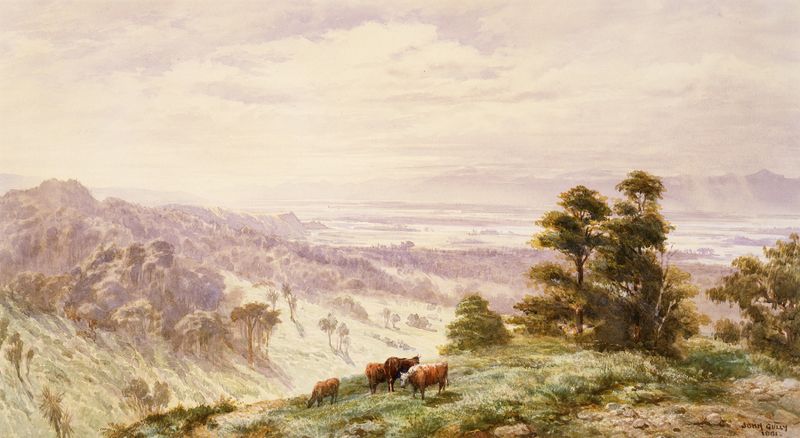
Landscape [Waimea Plains, Nelson]
John Gully
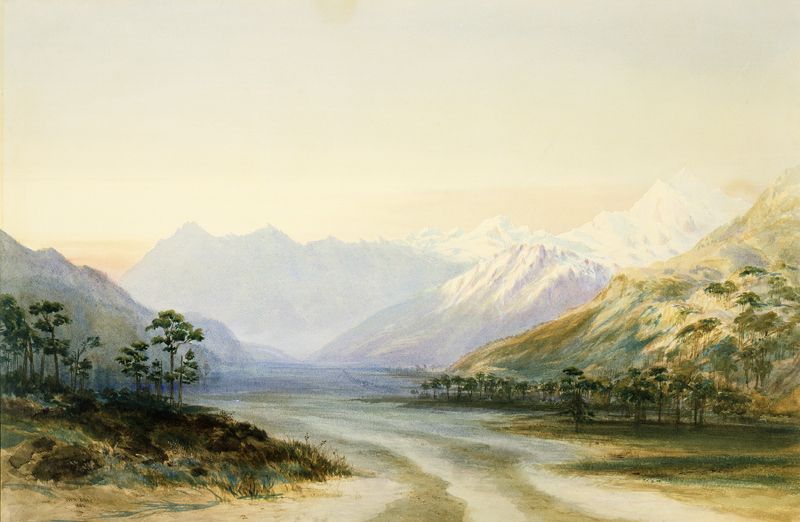
Mount Cook
John Gully
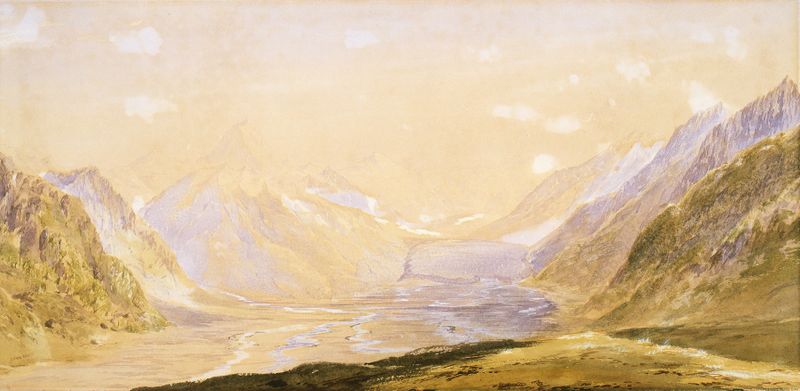
Mount Cook and the Tasman Glacier
John Gully
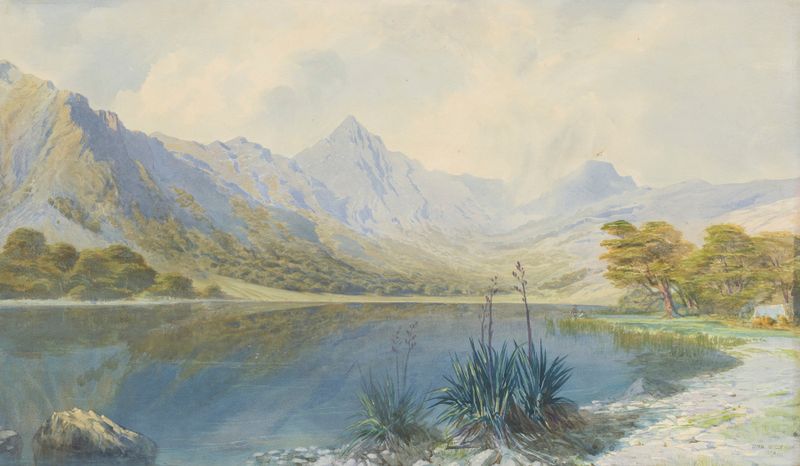
Lake scene (Lake Te Wharau)
John Gully
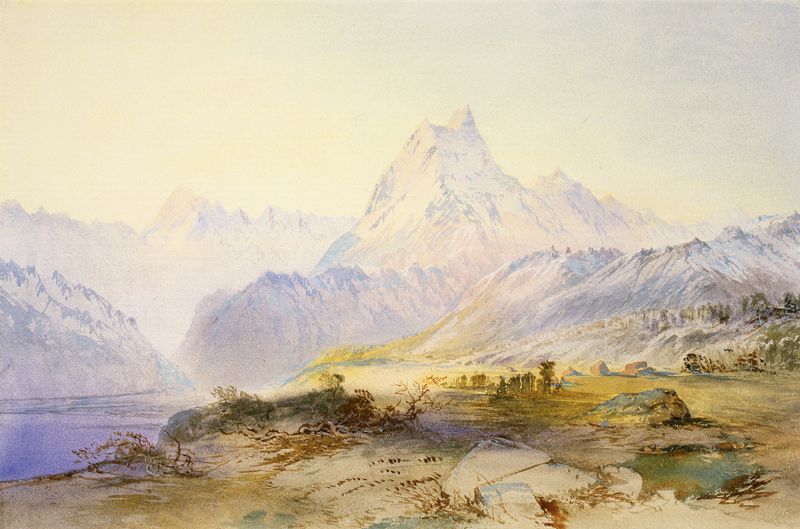
Mount Cook
John Gully

Tongariro, Ngauruhoe and Ruapehu, Central North Island
John Gully

Lake Wakatipu
John Gully
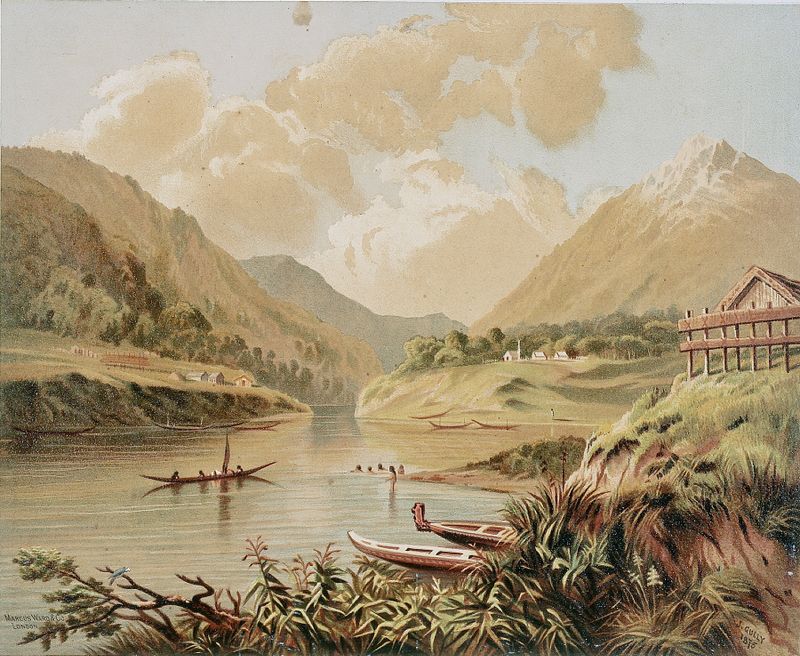
Upriver scene, Wanganui
John Gully

Paekakariki
John Gully

Mts Ruapehu and Tongariro from Lake Taupo
John Gully





