
Mount Cook and the Tasman Glacier — History & Facts
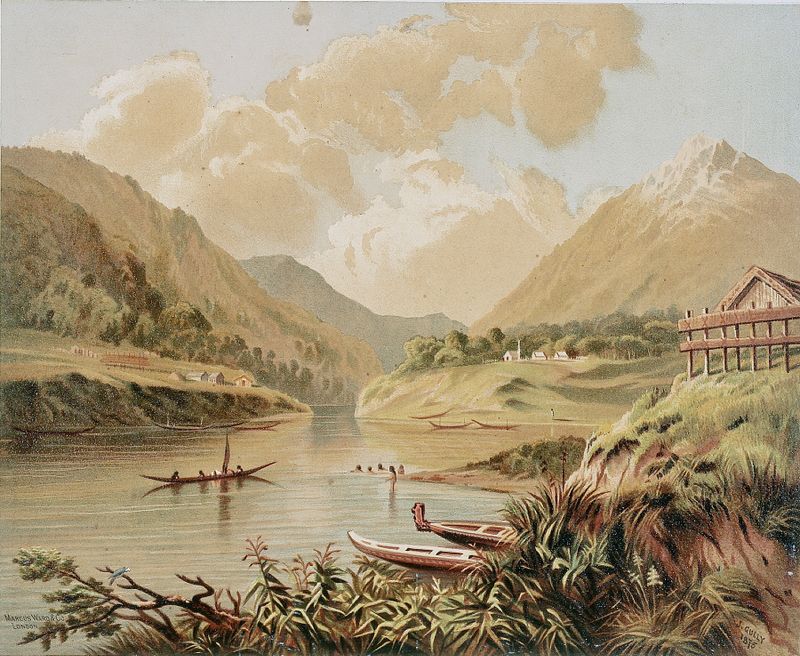
Did the painter know this moment would outlive them? The stillness of nature holds a profound secret, echoing through the ages, inviting contemplation and reflection. Look to the foreground, where the serenity of the glacier's icy surface mirrors the towering majesty of Mount Cook. The contrast between the brilliant whites and deep blues creates a tension, pulling the eye upward toward the rugged peaks, where the sun breaks through, casting a soft golden hue. Notice how the clouds, rendered with delicate brushwork, seem to hover protectively over the scene, encapsulating a moment that feels both fleeting and eternal. Beneath the surface of this tranquil vista lies a deeper interplay of light and shadow.
The juxtaposition of the majestic mountains against the starkness of the glacier hints at the forces of nature—both beautiful and formidable. The winding path of the river, a silver ribbon cutting through the landscape, suggests the passage of time and the inevitability of change, while the reflections in the water invoke the transient nature of existence itself. In the 1870s, John Gully was immersed in the burgeoning art scene of New Zealand, capturing the landscapes that defined its rugged beauty. Living in an era where the Romantic movement emphasized nature’s grandeur, he sought to depict a sense of place that was uniquely his.
The tranquil yet powerful aura of Mount Cook and the Tasman Glacier stands as a testament to his passion and technical skill during this transformative period in the history of landscape painting.
More Artworks by John Gully
Browse all →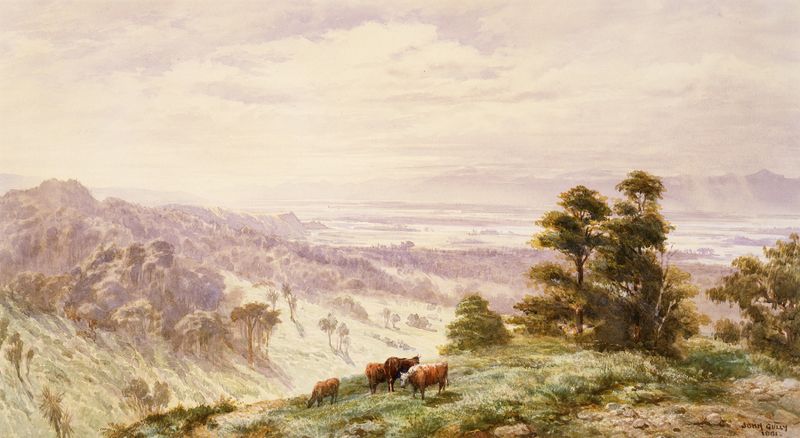
Landscape [Waimea Plains, Nelson]
John Gully
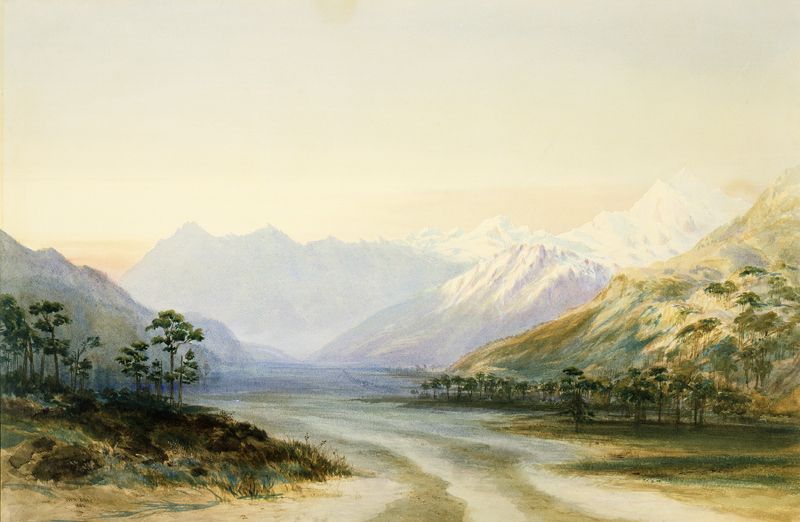
Mount Cook
John Gully
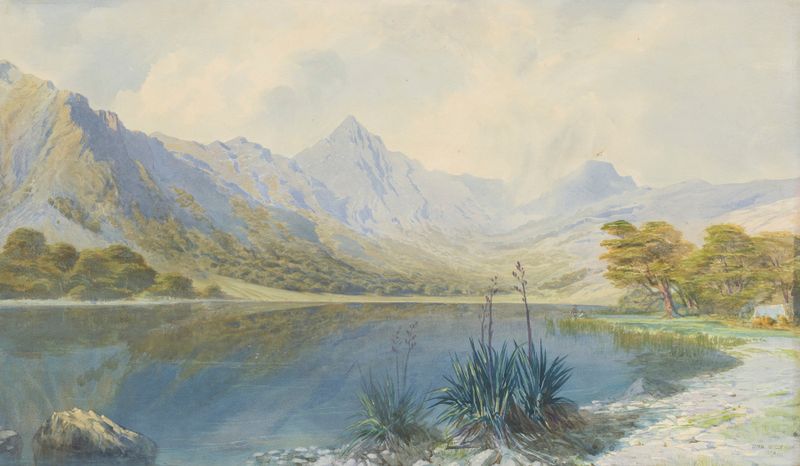
Lake scene (Lake Te Wharau)
John Gully
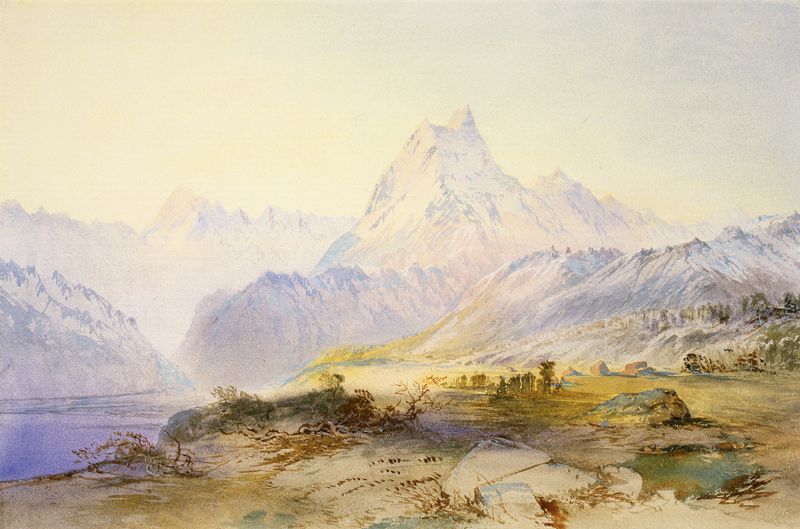
Mount Cook
John Gully

Tongariro, Ngauruhoe and Ruapehu, Central North Island
John Gully

Lake Wakatipu
John Gully

New Zealand bush scene
John Gully
Upriver scene, Wanganui
John Gully

Paekakariki
John Gully

Mts Ruapehu and Tongariro from Lake Taupo
John Gully





