
Mount Cook — History & Facts
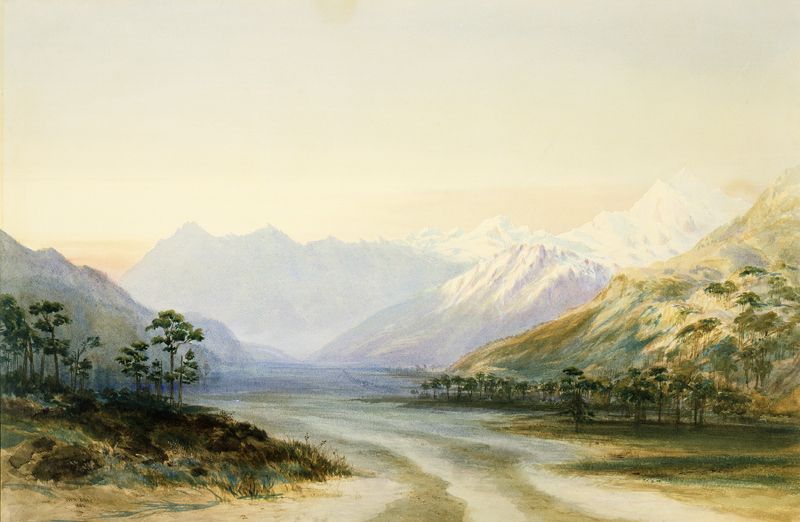
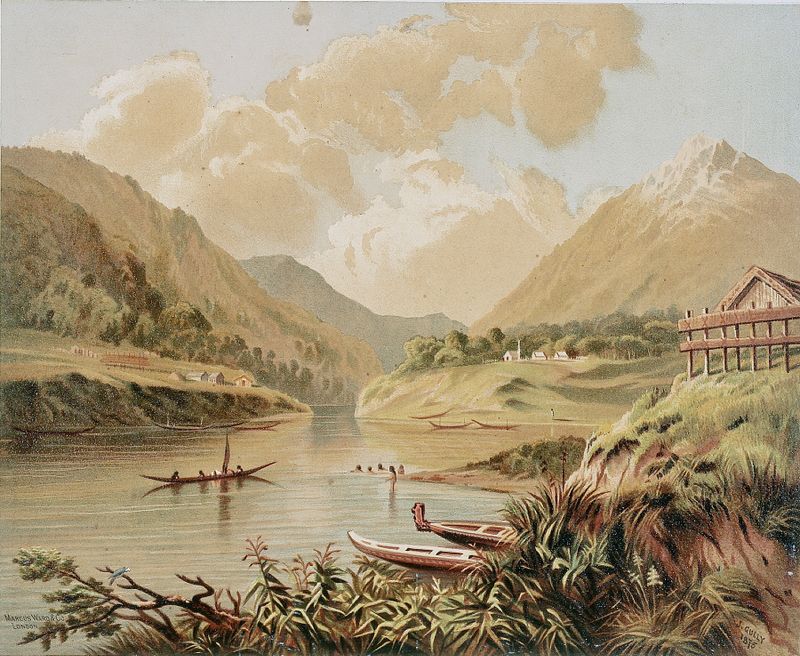
In the quiet majesty of nature, revelation unfolds through the brushstrokes of an artist's hand, evoking the grandeur of the untouched landscape. Look to the center of the canvas, where the towering peaks of Mount Cook rise dramatically against the sky. Soft hues of blue and white blend effortlessly, capturing the essence of the mountain's icy crown. The foreground, painted with delicate strokes of green and brown, leads the eye toward the majestic backdrop, creating a harmonious contrast that speaks to the duality of nature’s splendor and its ruggedness.
Note how the clouds cradle the summit, their soft edges juxtaposed against the sharp lines of the mountain, inviting contemplation of both beauty and danger. Deep within this artwork lies a profound interplay between light and shadow, suggesting the relentless passage of time in the natural world. The subtle shifts in color evoke the changing weather, hinting at the unpredictability of life itself. Gully's choice of palette captures not just the physical features of the mountain but also its emotional resonance—an embodiment of solitude and strength, yet also of vulnerability as nature remains ever-changing. During the late 19th century, while Gully was engaged in capturing the sublime landscapes of New Zealand, he found himself amidst a burgeoning movement of Romanticism, which emphasized a deep connection with nature.
Between 1860 and 1880, as he painted Mount Cook, the world was witnessing an exploration of the sublime, reflecting humanity's quest for beauty and meaning in the wild. Gully's work contributes to this rich dialogue, offering a glimpse into both the physical landscape and the inner landscapes of the heart and mind.
More Artworks by John Gully
Browse all →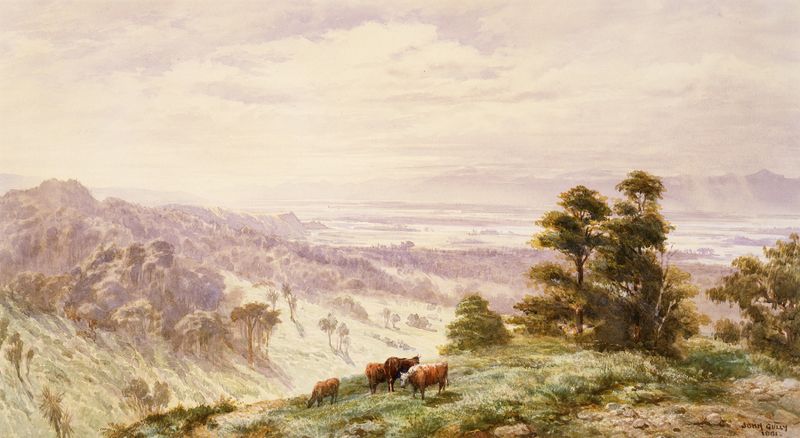
Landscape [Waimea Plains, Nelson]
John Gully
Mount Cook
John Gully
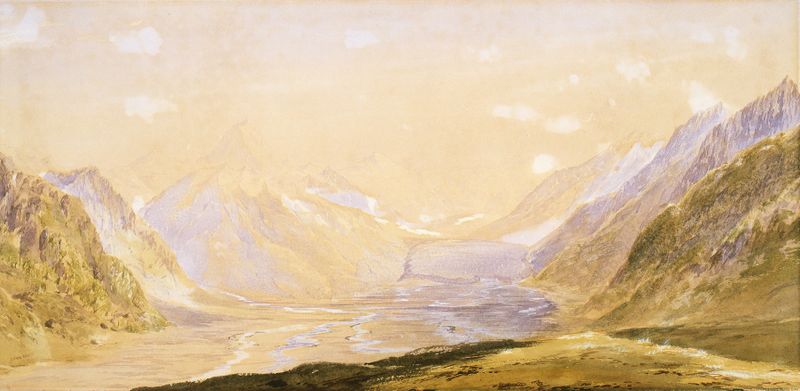
Mount Cook and the Tasman Glacier
John Gully
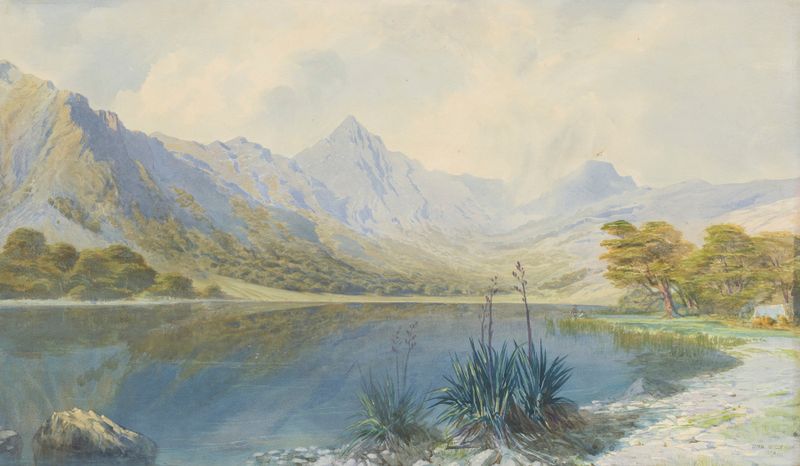
Lake scene (Lake Te Wharau)
John Gully

Tongariro, Ngauruhoe and Ruapehu, Central North Island
John Gully

Lake Wakatipu
John Gully

New Zealand bush scene
John Gully
Upriver scene, Wanganui
John Gully

Paekakariki
John Gully

Mts Ruapehu and Tongariro from Lake Taupo
John Gully





