
L’alda À Tribord — History & Facts
In this silent void, the canvas becomes a vessel for unspoken stories, where the absence of sound amplifies the emotional weight of existence. Look to the left at the deep indigo waters, where the waves cradle a lone boat, painted with fluid strokes that seem to dance and shimmer against the canvas. The juxtaposition of the rugged, powerful sea and the delicate vessel creates a striking visual harmony, drawing your eye toward the interplay of light and shadow. Notice how the artist’s palette, with its rich blues and subtle whites, evokes a sense of both tranquility and turbulence, suggesting the vessel's journey is one of both freedom and peril. The painting speaks of isolation, the void echoing the existential tension of the human experience.
The boat, while seemingly at peace on the water’s surface, is a poignant reminder of vulnerability amidst the vastness. Here, the void isn’t merely empty space; it is a canvas for reflection, an invitation to contemplate what lies beyond the visible — the hopes and fears of those who dare to navigate life's uncertainties. Created in 1905, this work emerged during a transformative period in Brokman’s artistic career, marked by his exploration of marine subjects and emotional depth. Living in a rapidly changing world, where technology was reshaping society, the artist sought to capture human emotion in the natural landscapes around him.
This painting reflects both a personal and universal narrative, mirroring the broader artistic movements of the time that sought to capture the essence of modern life through evocative imagery.
More Artworks by Henry Brokman
Browse all →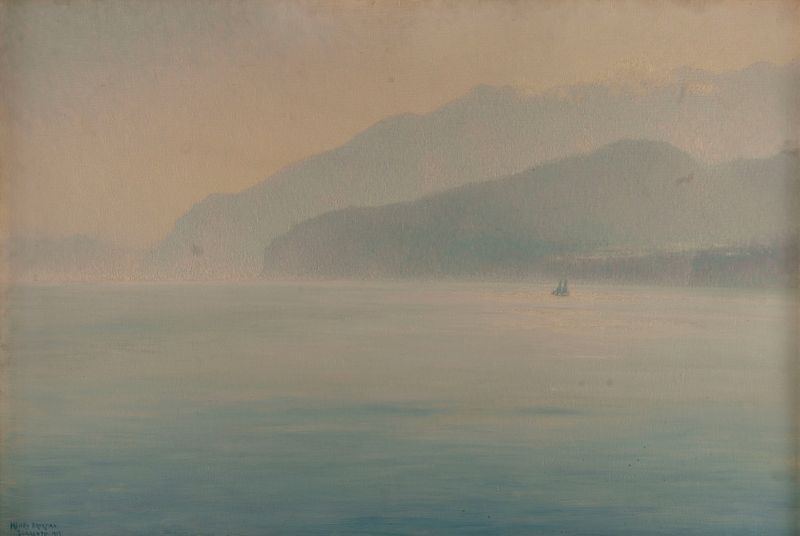
Côte De Sorrente, Bleu Et Argent
Henry Brokman
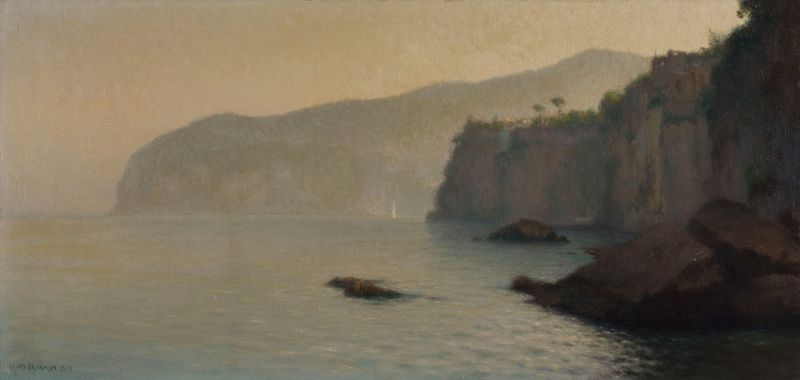
Petite côte de Sorrente (grise)
Henry Brokman
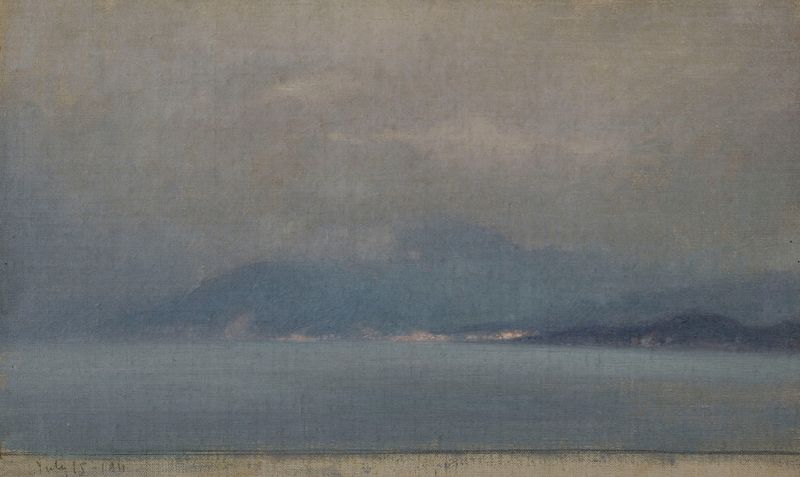
Etude de paysage
Henry Brokman
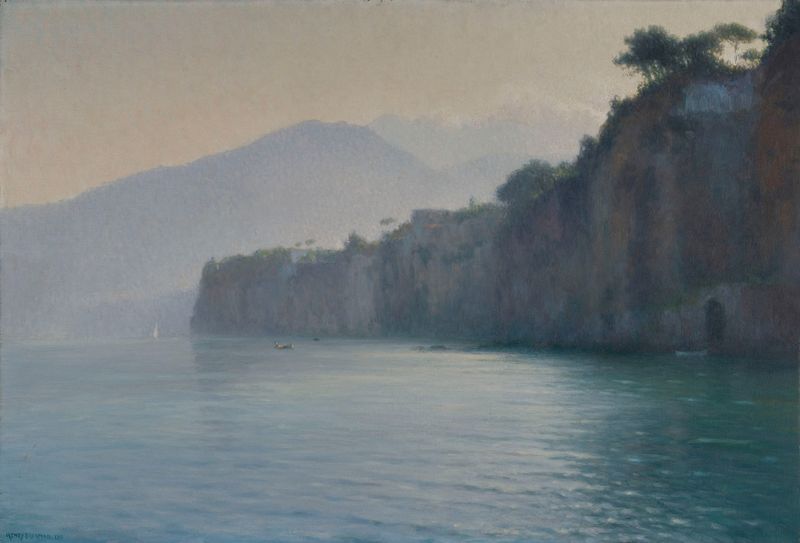
Sorrente, côte argentée
Henry Brokman
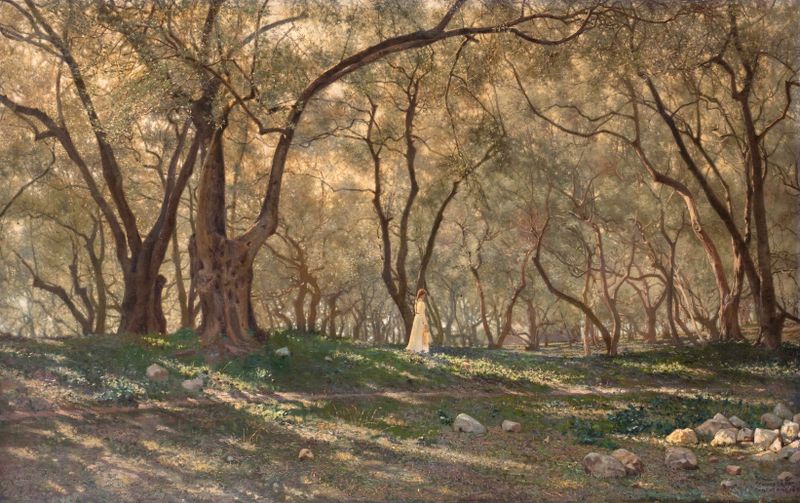
Jeune Fille Sous Les Oliviers – Menton
Henry Brokman
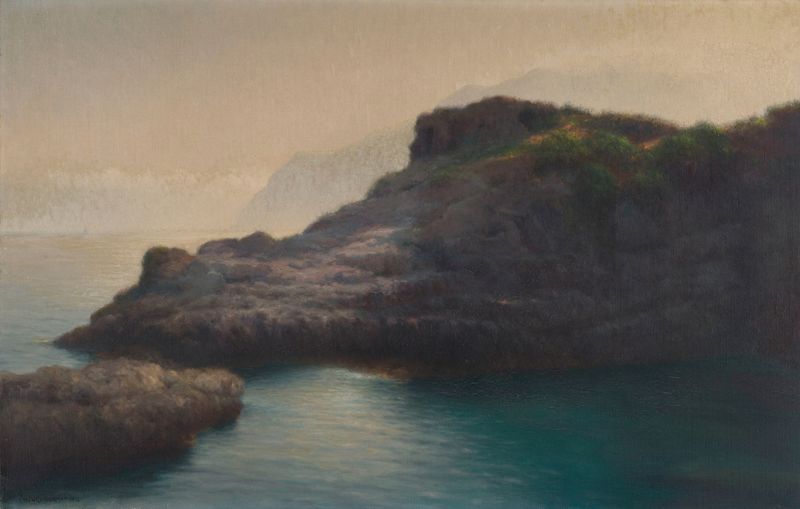
Cap de Sorrente
Henry Brokman
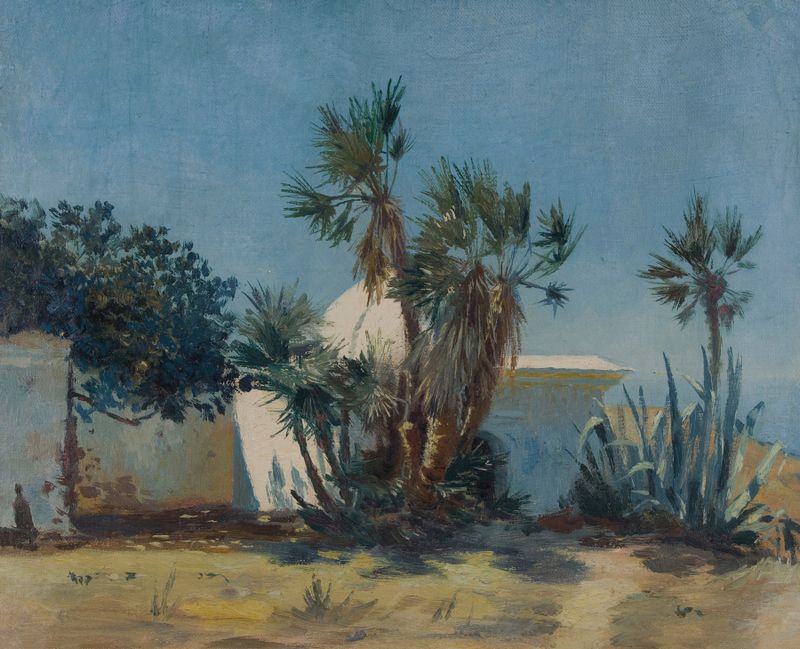
L’Oasis
Henry Brokman
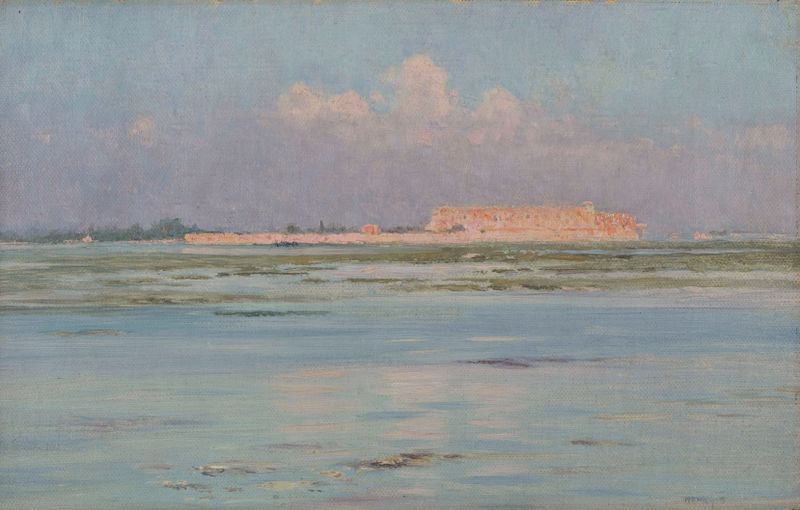
Le Temple De Louxor, Egypte
Henry Brokman
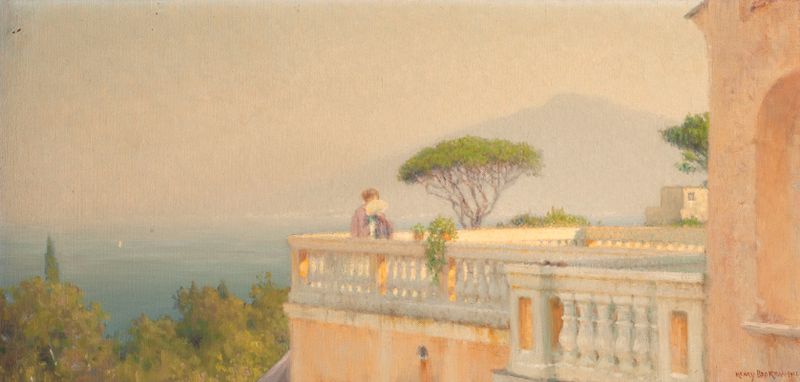
Terrasse De L’hôtel Cocumella
Henry Brokman
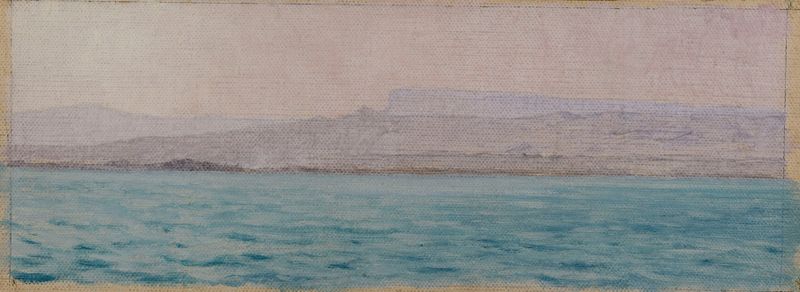
Rive du Nil, Egypte
Henry Brokman





